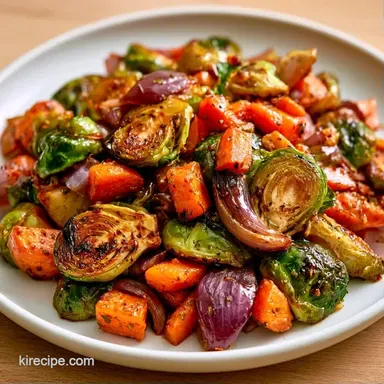
Healthy Fall Sheet Pan Vegetables
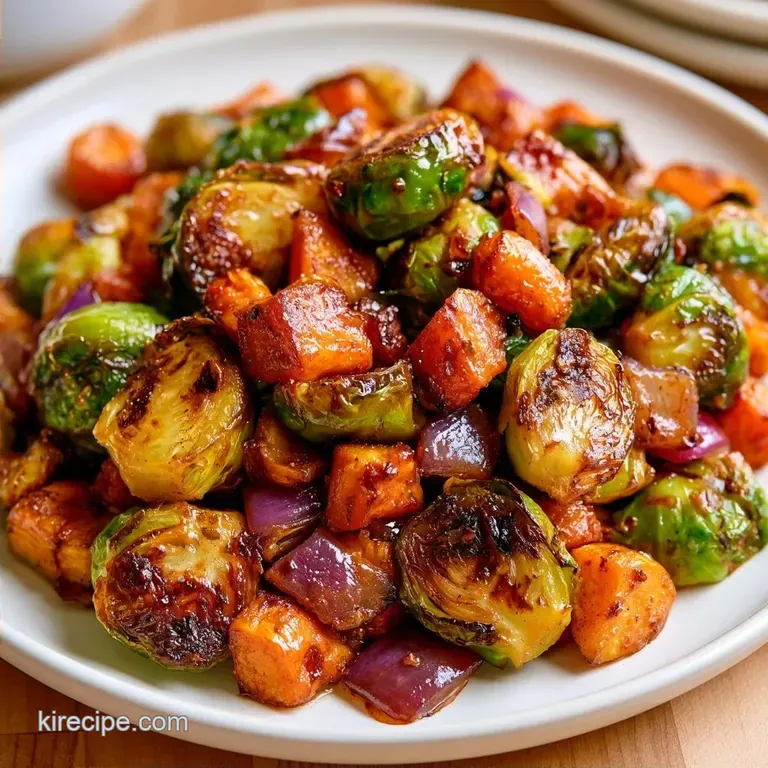
- Time: 10 min active + 40 min roasting
- Flavor/Texture Hook: Mahogany edges with a maple herb glaze
- Perfect for: Healthy weeknight sides or meal prep
Ever wonder why some roasted veggies end up mushy while others have that perfect char? I used to think it depended on the oven, but the real key is how the moisture evaporates. When you crowd the pan, the vegetables effectively steam in their own juices.
These Sheet Pan Vegetables are all about the right balance. We combine autumn staples like Brussels sprouts and butternut squash, tossing them in a bit of maple syrup to enhance the browning. It's a convenient way to get your essential nutrients in a single batch.
This approach works because the high temperature quickly draws the sugars to the surface of the produce. The result is a hearty side dish that hits all the right notes: sweet, salty, and savory.
Roasted Sheet Pan Vegetables
Cook time: 40 minutes
Total time: 50 minutes
Yield: 6 servings
Why It Works
High Heat: Roasting at 400°F rapidly evaporates surface moisture, ensuring the vegetables brown rather than steam.
Maple Glaze: The syrup's sugar caramelizes more quickly than the natural sugars in the produce, creating a rich color in less time.
Uniform Sizing: Slicing everything into 1 inch cubes ensures the carrots and squash cook through simultaneously.
DIVTABLE_0
Your choice comes down to your available schedule. The fast roast method used here preserves nutrients while delivering a more vibrant flavor.
The Essential Ingredients
Ingredient Deep Dive
| Component | Purpose | Substitute Notes |
|---|---|---|
| Olive Oil | Heat conduction | Avocado oil: Higher smoke point, neutral taste |
| Maple Syrup | Browning agent | Honey: Thicker, adds floral notes |
| Brussels Sprouts | Bitter contrast | Cauliflower: Similar texture, milder taste |
| Butternut Squash | Natural sweetness | Pumpkin: Higher moisture, may need more time |
Ingredients and Substitutes
- 2 cups (300g) Brussels sprouts, halved Why this? Adds a nutty, bitter balance to the sweet squash (Substitute: Cauliflower florets)
- 2 cups (300g) butternut squash, 1 inch cubes Why this? High natural sugar for great browning (Substitute: Pumpkin cubes)
- 2 cups (300g) carrots, sliced into coins Why this? Adds earthy sweetness and bright color (Substitute: Parsnips)
- 1 cup (150g) red onion, cut into wedges Why this? Caramelizes into a savory jamminess (Substitute: Shallots)
- 2 cups (300g) sweet potatoes, 1 inch cubes Why this? Creamy interior when roasted (Substitute: Yams)
- 2 tbsp (30ml) extra virgin olive oil (Substitute: Avocado oil)
- 1 tbsp (15ml) maple syrup (Substitute: Honey)
- 1 tsp (2g) dried rosemary (Substitute: Dried sage)
- 1 tsp (2g) dried thyme (Substitute: Dried oregano)
- ½ tsp (3g) sea salt (Substitute: Kosher salt)
- ¼ tsp (1g) cracked black pepper (Substitute: White pepper)
Kitchen Tools Needed
You don't need high end equipment, but a couple of key tools simplify the process. A large baking sheet with rims is essential; otherwise, oil and syrup could leak onto the oven floor, creating an unwanted smoke situation.
I recommend lining the pan with parchment paper to prevent the maple syrup from sticking the vegetables to the tray. A silicone mat is a great alternative, but skip the butter for greasing since it tends to burn at 400°F.
Lastly, grab a large mixing bowl. Mixing everything directly on the sheet often results in an uneven coating, leaving some vegetables undercooked and others scorched.
The Roasting Process
- Set your oven to 400°F (200°C) and prepare a baking tray by lining it with parchment paper.
- In a large bowl, combine the Brussels sprouts, butternut squash, carrots, red onion, and sweet potatoes, tossing with olive oil, maple syrup, dried rosemary, dried thyme, sea salt, and black pepper until well coated.
- Arrange the Sheet Pan Vegetables in a single layer on the prepared tray. Note: Do not overcrowd the pan to ensure steam can escape.
- Bake for 20 minutes until the edges soften and become aromatic.
- Take the pan out and stir the vegetables with a spatula to ensure they brown evenly.
- Return the tray to the oven and roast for another 15–20 minutes until the centers are tender and the edges turn mahogany.
- Once finished, let the vegetables sit for 5 minutes after taking them out of the oven so the natural sugars can set.
Chef's Note: If using a convection oven, reduce the temperature to 375°F. The fan distributes heat more efficiently, and 400°F may burn the maple syrup too fast.
Fixing Common Errors
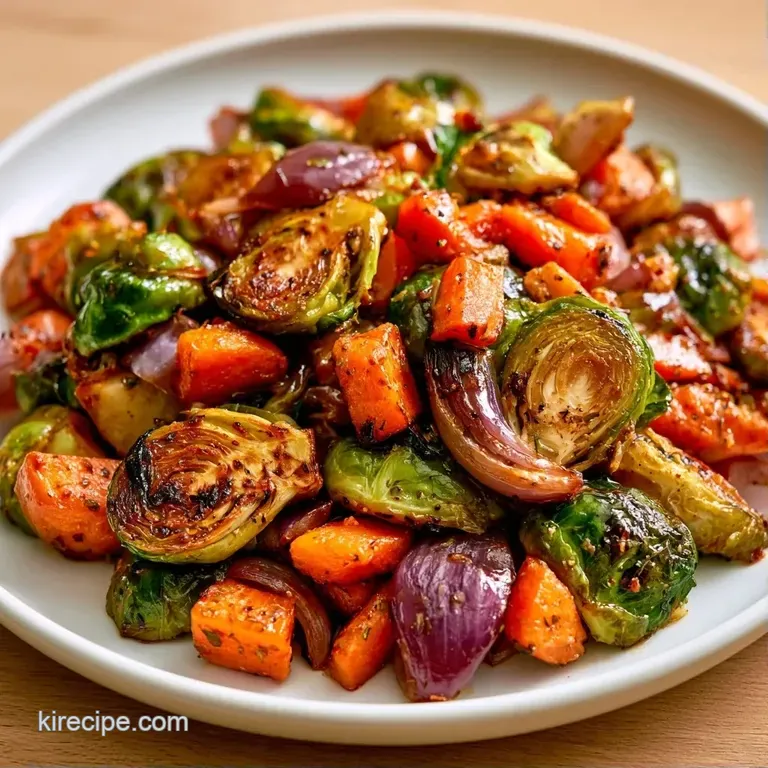
Preventing Soggy Results
If your vegetables look steamed rather than roasted, you likely crowded the pan. When pieces touch too much, they trap moisture. To fix this, use two sheet pans instead of one. Giving the vegetables "breathing room" allows the water to evaporate, creating those crisp, charred edges.
Avoiding Burnt Edges
Burnt edges usually happen if the maple syrup pools in one spot or the oven has a hot point. Toss the vegetables halfway through to redistribute the glaze. If you notice the onions browning too fast, you can tuck them under the heartier root vegetables to shield them from the direct heat.
Handling Uneven Cooking
When some carrots are mushy and the squash is still hard, it's a sizing issue. Always aim for 1 inch cubes. For smaller pieces, like sliced carrots, cut them into thick coins. This ensures everything hits the "tender" mark at the same 40 minute mark.
Trying New Flavors
You can easily adjust the flavor profile of these Sheet Pan Vegetables by switching the herbs. For a Mediterranean twist, replace the rosemary and maple syrup with lemon zest and dried oregano. This creates a bright, zesty version that's perfect for springtime.
To make this a complete meal, simply incorporate a protein. Add some chickpeas or pre-cooked sausage to the pan during the final 20 minutes of roasting. I use a similar approach with my Sheet Pan Chicken to create a hearty dinner.
For a bit of heat, add a pinch of smoked paprika or a drizzle of sriracha after roasting. The spice balances the sweetness of the maple syrup and the creaminess of the sweet potatoes.
DIVTABLE_1
Frozen squash is a handy winter shortcut when fresh produce is expensive or scarce. Just make sure to pat them dry before tossing them in oil.
Scaling for Groups
When you're cooking for a crowd, don't just double the ingredients on one pan. If you put 12 cups of vegetables on a single sheet, you'll end up with a soggy mess. Work in batches or use three separate pans.
For smaller portions (like 2-3 servings), use a smaller baking sheet. Reduce the roasting time by about 20% because the smaller mass of food heats up faster. If you're only using one egg in a different recipe, you'd beat it and halve it, but here, just scale the oil and syrup linearly.
For very large batches (4x), keep the oven temperature at 400°F but increase the tossing frequency. Since you'll have more pans in the oven, the air flow changes. Rotate the pans from top to bottom racks every 15 minutes.
Decision Shortcut:
- For a crispier finish: increase roast time by 5 minutes.
- For softer centers: cut veggies into larger 2 inch chunks.
- For deeper color: use a darker metal baking sheet.
Storage and Reheating
Store your roasted vegetables in an airtight glass container. They will remain good for 3 to 4 days when chilled. I recommend glass over plastic, as plastic tends to absorb the scent of roasted onions.
For freezer storage, ensure they have cooled down entirely. Arrange them on a baking sheet to freeze separately before transferring them to a bag; this stops them from freezing together in one solid mass. They stay good for around 2 months.
To warm them up, skip the microwave if you prefer a better texture. Instead, sauté them in a pan over medium heat for 5 minutes or roast them again at 350°F for 10 minutes. This restores the crispiness lost during refrigeration.
Minimize waste by keeping your vegetable trimmings. Put carrot peels and onion skins into a freezer safe bag. When it is full, simmer the contents in water to create a healthy vegetable stock.
Serving Suggestions
These Sheet Pan Vegetables work as a side, but they're also great as a base. I love throwing them into a grain bowl with quinoa, some fresh spinach, and a dollop of hummus. It's a great way to stretch the recipe into a lunch for the next day.
If you're serving this for a holiday dinner, pair it with a lean protein. A roasted turkey breast or a piece of grilled salmon balances the sweetness of the squash. For more heartiness, try Butternut Squash with Sausage as a main course.
For a final touch, add a squeeze of fresh lemon juice or a sprinkle of parsley right before serving. The acidity wakes up the earthy flavors and makes the colors pop.
Key Techniques Explained
The magic here is the Maillard reaction. By roasting at 400°F, we create a chemical reaction between amino acids and reducing sugars. This creates the mahogany color and savory taste that you just can't get from steaming.
We also focus on surface area. By cutting the produce into 1 inch cubes, we maximize the parts of the vegetable that touch the hot pan. This ensures that the exterior gets a crust while the inside stays tender.
Trust me on this, the 5 minute rest at the end is the part most people skip. Letting the vegetables sit allows the maple glaze to thicken and set, so the flavors feel integrated rather than just sitting on top. This makes your Sheet Pan Vegetables feel like a cohesive dish rather than just a pile of roasted produce.
Recipe FAQs
Which vegetables work best for roasting on a single pan?
Root vegetables like butternut squash, carrots, and sweet potatoes pair well with Brussels sprouts and red onion.
Tip: Cut harder vegetables into 1 inch cubes to ensure they cook at the same rate.
How do you prepare a healthy sheet pan meal?
Toss Brussels sprouts, butternut squash, carrots, red onion, and sweet potatoes with olive oil, maple syrup, and herbs.
Tip: Use parchment paper to reduce the amount of oil needed for cleanup.
Does a one-pan meal always result in mediocre textures?
This one's false: High heat roasting at 400°F creates professional caramelization and depth.
Tip: Let the vegetables rest for 5 minutes after roasting to let the maple syrup set.
Why are my vegetables steaming instead of browning?
Overcrowding the baking sheet traps moisture and prevents the edges from crisping.
Tip: Spread everything in a single layer to allow steam to escape freely.
What is the trick to achieving mahogany colored edges?
Roast at 400°F for 20 minutes, toss with a spatula, and roast for another 15 20 minutes.
Tip: If you enjoyed mastering this caramelization here, see how the same principle works in classic apple pie.
Where should I store leftovers to maintain quality?
Place them in a glass airtight container in the refrigerator.
Tip: Avoid plastic containers as they can absorb the strong scent of roasted red onions.
Is it true that crowding the pan speeds up cooking?
No, and here's why. Crowding causes the vegetables to steam in their own juices rather than roast.
Tip: Use two separate sheets if you are doubling the recipe to ensure browning.
Roasted Sheet Pan Vegetables