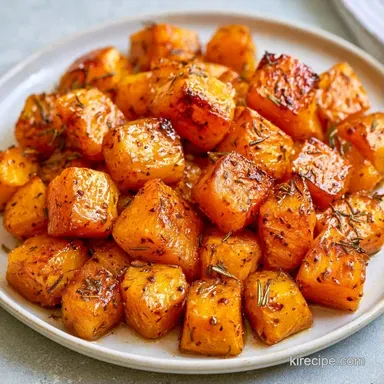
Caramelized Roasted Butternut Squash Dinner
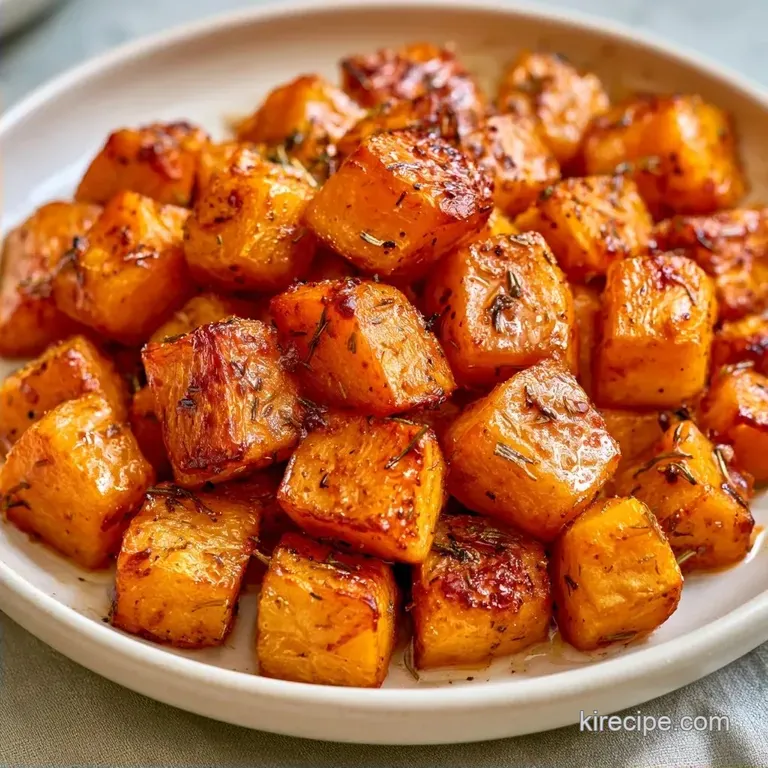
- Time: 15 min active + 35 min roasting
- Flavor/Texture Hook: Mahogany colored edges with a rich, tender center
- Perfect for: A nutritious weeknight fuel or a healthy holiday side
Making a Roasted Butternut Squash Dinner
The scent of garlic and rosemary roasting in the oven is a true highlight of the autumn season. In the past, I mistakenly crowded every piece of squash onto one small tray. I thought I was saving space, but I actually ended up with pale, steamed vegetables that tasted like baby food.
It's an easy mistake to make. Many treat roasting like boiling, but the key is giving the squash enough room to roast properly. Once I shifted to using two baking sheets and turned up the heat, the results transformed.
This Roasted Butternut Squash Dinner is satisfying yet light. It doesn't require heavy creams or added sugars to achieve a rich flavor only a hot oven and a little patience.
The Quick Specs
The goal here is a balance of nutrients and flavor. We're aiming for a specific color not just golden, but a deep mahogany. This means we aren't just cooking the vegetable, we're concentrating the sugars.
| Method | Time | Texture | Best For |
|---|---|---|---|
| over High heat Roast | 35 mins | Crispy edges, tender core | Flavor depth |
| Steaming | 15 mins | Soft, uniform | Pureeing/Soups |
| Boiling | 20 mins | Mushy, watery | Mash |
Why the Heat Matters
High Temp: 400°F (200°C) evaporates surface moisture quickly, which lets the squash brown instead of steaming. Spacing: Leaving gaps between the cubes prevents steam from trapping around the vegetables.
The Right Ingredients
The butternut squash serves as the base, offering a natural sweetness that complements the earthy herbs. A coating of olive oil ensures that heat is distributed evenly across every cube.
Minced garlic provides a savory depth, while smoked paprika introduces a subtle wood fired essence. Rosemary is the star ingredient here, contributing a piney aroma that balances the richness of the squash.
- 2 lbs butternut squash, peeled and cubed into 1 inch pieces Why this? Consistent sizing ensures everything cooks evenly (Sub: Kabocha squash)
- 2 tbsp extra virgin olive oil Why this? Offers healthy fats and a high smoke point (Sub: Avocado oil)
- 1 tsp kosher salt Why this? Extracts moisture for a better sear (Sub: Sea salt)
- 1/2 tsp freshly cracked black pepper Why this? Provides a sharp, spicy kick (Sub: White pepper)
- 3 cloves garlic, minced Why this? Helps form a savory crust (Sub: Garlic powder)
- 1 tsp dried rosemary Why this? Evokes a classic autumn scent (Sub: Dried thyme)
- 1/4 tsp smoked paprika Why this? Adds a layer of complexity (Sub: Sweet paprika)
Essential Kitchen Tools
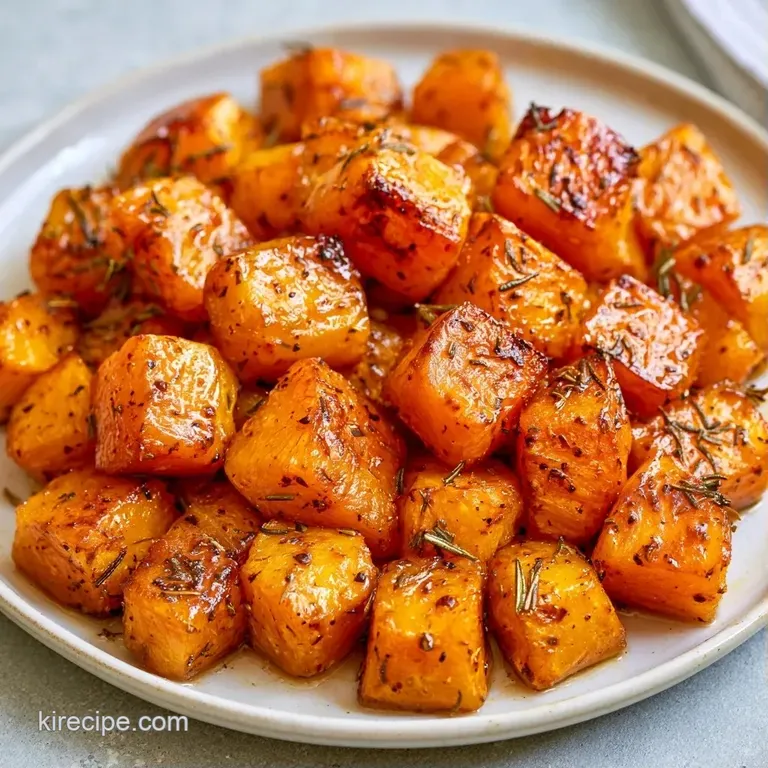
You don't need high end gear, but a few basic tools will simplify the task. A very sharp chef's knife is a must, as butternut squash is famously difficult to chop.
I always line my baking sheets with parchment paper; this keeps the garlic from sticking and makes cleaning up effortless. I also suggest a large mixing bowl so you can toss everything together without any squash ending up on the floor.
| Goal | What to change |
|---|---|
| More char | Use a dark metal pan |
| Faster prep | Buy pre cut cubes |
| Less oil | Use a silicone mat |
Cooking step by step
- Warm your oven to 400°F (200°C) and prepare a large rimmed baking tray with parchment paper.
- Peel the butternut squash and cut it into even 1 inch (2.5cm) cubes. Note: Uniform sizing ensures all pieces cook evenly without some burning
- In a large mixing bowl, toss the squash cubes with olive oil, salt, and pepper.
- Stir in the minced garlic, dried rosemary, and smoked paprika, tossing again until the squash is thoroughly coated.
- Arrange the squash in a single layer on the prepared tray. Avoid overcrowding the pieces to prevent them from steaming.
- Roast for 17 minutes.
- Use a spatula to flip the pieces halfway through the process.
- Bake for an additional 18 minutes until the centers are tender and the edges are a deep mahogany color.
Fixing Common Issues
When the squash comes out soggy, it's usually a space issue. If you see the pieces clumping together on the pan, they release steam that gets trapped, essentially boiling the vegetable in its own juices.
Burnt garlic is another hurdle. Because the garlic is minced, it can carbonize before the squash is done if it's not well coated in oil.
Fixing Soggy Squash
Overcrowding is the main culprit. If you're doubling the recipe, use two separate trays.
Preventing Burnt Garlic
Ensure the garlic is tossed well with the oil. If using a very hot oven, you can add the garlic in the last 15 minutes.
Solving Uneven Cooking
This happens when cubes are different sizes. Spend a few extra minutes chopping them to the same 1 inch dimension.
| Problem | Fix |
|---|---|
| Pale, soft squash | Increase heat or use more space on pan |
| Bitter, black garlic | Coat garlic in oil before adding to pan |
| Hard centers | Cut cubes smaller or roast longer |
Storage and Waste Tips
Keep any leftovers in an airtight glass jar in the refrigerator for a maximum of 4 days. I find the flavors often intensify after chilling overnight.
For reheating, skip the microwave if you prefer to maintain the crispiness. Heat them at 350°F (175°C) in the oven for about 5-10 minutes.
Don't throw away the squash seeds. You can roast them with a pinch of salt and oil, similar to pumpkin seeds, for a healthy snack. The peels are great for composting or can be simmered in vegetable stock for added depth.
Flavor Twist Ideas
If you want to move away from the savory route, try adding a drizzle of maple syrup in the last 5 minutes of roasting. It creates a glossy finish that feels more like a holiday treat.
For a Mediterranean vibe, swap the rosemary for oregano and add a handful of kalamata olives to the pan during the last 10 minutes. This version pairs well with a Trader Joes Fall Pasta Sauce for a complete autumn meal.
If you're keeping it vegan, the olive oil already does the trick, but a splash of soy sauce during the toss adds a rich, salty depth that mimics butter.
Best Side Pairings
This Roasted Butternut Squash Dinner is a great base for a nutrient dense grain bowl. I usually throw it over quinoa with some fresh spinach and a dollop of hummus.
It also works as a side for roasted chicken or a grilled tofu steak. For something lighter, try pairing it with a NoCook SunDried Tomato Sauce over some whole grain pasta.
The sweetness of the squash balances out salty proteins and acidic greens, making it a versatile addition to any healthy dinner rotation. Trust me, once you get the roasting technique down, you'll find yourself making this Roasted Butternut Squash Dinner every single week.
Recipe FAQs
Which meats pair well with butternut squash?
Pork chops or roast chicken are ideal. These savory proteins balance the squash's natural sweetness. For a more aromatic meal, serve it alongside butter chicken.
What can I do with roasted butternut squash?
Blend it into a creamy soup or toss it into a kale salad. You can also use the roasted cubes as a hearty topping for grain bowls.
How to ensure the squash gets crispy edges?
Spread the cubes in a single layer without touching. This prevents steaming and allows the 400°F heat to caramelize the edges properly.
Is it true you must parboil the squash before roasting?
No, and here's why. Boiling adds excess moisture that prevents the cubes from achieving a mahogany color and crisp texture in the oven.
Roasted Butternut Squash Dinner