Hearty Marrakesh Vegetable Curry
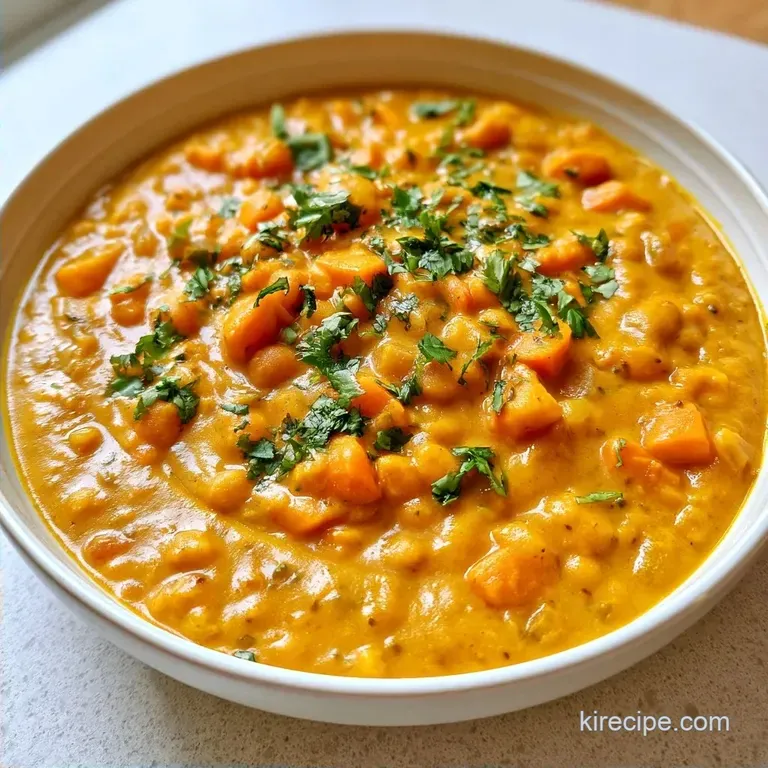
- Time: 15 min active + 30 min cooking
- Flavor/Texture Hook: Rich, mahogany colored sauce with tender, spiced chunks
- Perfect for: Healthy weeknight dinner, meal prep, or cozy winter nights
The sound of diced onions hitting hot olive oil is the best part of my evening. I used to think that a deep, complex curry required an entire afternoon of simmering, or maybe some expensive, pre made paste from a specialty shop.
I spent way too much time waiting for flavors to "develop" in a slow cooker, only to end up with vegetables that had turned into a flavorless mush.
Forget the idea that you need hours of cooking to get a complex profile. The real trick is how you treat the spices at the start. By hitting them with heat and fat first, you pull out flavors that usually stay locked away.
This Marrakesh Vegetable Curry is a lesson in efficiency and nutrition. We're using sweet potatoes and cauliflower for bulk, but the coconut milk and lemon juice keep it from feeling heavy. It's a bright, filling meal that doesn't leave you feeling sluggish.
Easy Marrakesh Vegetable Curry
Spice Blooming: Frying dry spices in oil unlocks fat-soluble aromas, providing this Marrakesh Vegetable Curry a rich, toasted depth without requiring lengthy cook times.
Staggered Simmering: Adding the denser root vegetables before the spinach keeps the greens from overcooking into a mushy consistency.
| Method | Time | Texture | Best For |
|---|---|---|---|
| Fast (This Recipe) | 45 mins | Distinct vegetable chunks | Weeknights |
| Classic Simmer | 3 hours | Very soft, integrated | Sunday prep |
To explore a different version of these flavors, my one pot vegetable curry is a wonderful option for your busiest nights.
Recipe Specs
This recipe serves 4 to 5 people and focuses on whole, fresh ingredients. It’s designed to be a complete meal on its own, though it's great over brown rice or quinoa.
The prep takes 15 minutes if you have your chopping rhythm down. The actual cooking happens in 30 minutes, meaning you can go from a raw onion to a steaming bowl of Marrakesh Vegetable Curry in under an hour.
Because we use full fat coconut milk, the sauce has a natural richness that carries the spices. I've found that using low-fat versions often makes the sauce break or feel watery, so stick with the full fat can for the best results.
Ingredient Deep Dive
The base of this dish relies on the aromatics. Yellow onion, garlic, and ginger provide the foundation. The onion adds a subtle sweetness that balances the heat from the cayenne pepper. Ginger is essential here, as it adds a sharp, fresh note that cuts through the richness of the coconut milk.
For the spice blend, we use a mix of warm and earthy tones. Cumin and coriander are the workhorses, providing that classic curry smell. Cinnamon and smoked paprika are the "Marrakesh" elements, adding a woody sweetness and a hint of campfire smoke.
This combination is what makes the Marrakesh Vegetable Curry feel distinct from a standard Indian style curry.
The vegetables are chosen for their ability to hold their shape. Sweet potatoes provide a creamy texture, while cauliflower adds a bit of a bite. Chickpeas bring the protein and a nutty flavor, making the dish feel substantial.
Essential Pot and Tools
You'll want a large Dutch oven or a heavy bottomed pot. These are better than thin stainless steel pans because they distribute heat evenly, preventing the spices from burning in one spot.
A sharp chef's knife and a sturdy cutting board are non negotiable. You want your sweet potato cubes to be roughly the same size about 2 cm so they all finish cooking at the same time.
For the ginger, a microplane or fine grater is the way to go. This turns the ginger into a paste that melts into the sauce rather than leaving you with woody chunks in your Marrakesh Vegetable Curry.
Cooking step by step
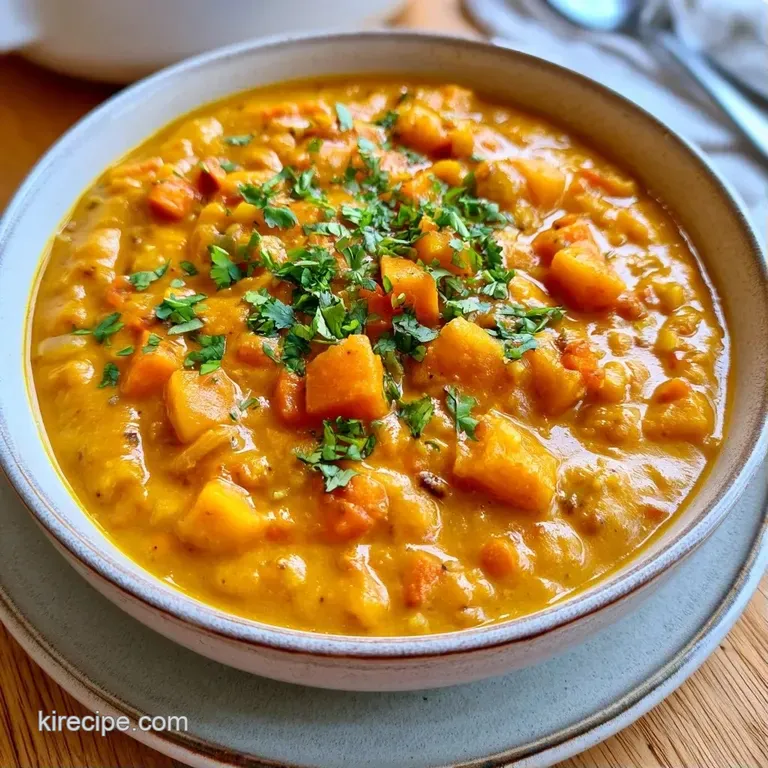
Phase 1: Building the Aromatic Foundation
Heat 2 tbsp olive oil in your pot over medium heat. Add 150g diced yellow onion and sauté for 5–7 minutes until translucent and slightly golden. Stir in 15g minced garlic and 15g grated ginger, cooking for 60 seconds until the smell becomes pungent.
Phase 2: Waking Up the Spices
Stir in 32g tomato paste and the spice blend (6g curry powder, 2g cumin, 2g coriander, 1g cinnamon, 1g smoked paprika, 0.5g cayenne, and 6g sea salt). Stir constantly for 2 minutes until the paste turns a deep brick red.
This blooming process is what makes the Homemade Marrakesh Vegetable Curry taste professional.
Phase 3: Simmering to Perfection
Toss in 300g cubed sweet potato, 250g cauliflower florets, and 100g chopped red bell pepper. Stir to coat every piece in the red spice paste. Pour in 240ml vegetable broth and 400ml full fat coconut milk. Bring to a gentle simmer.
Phase 4: The Final Flourish
Cover and simmer for 15–20 minutes until the sweet potatoes are fork tender. Stir in 90g fresh baby spinach and 15ml fresh lemon juice. Cook for 2 more minutes until the spinach has just wilted.
Fixing Common Issues
I learned the hard way about temperature control. Excess heat can scorch the garlic and ginger, making them taste bitter, so maintain a steady medium heat. If the spices begin to stick or smell scorched, immediately stir in a splash of vegetable broth to deglaze the pan.
Sauce texture can also be tricky. Some find their Marrakesh Vegetable Curry lacks thickness. This often occurs when the vegetables release excessive moisture or when using a thin walled pot that hinders evaporation.
Adjusting Sauce Thickness
To fix a watery sauce, simmer without the lid for the last 5 minutes. This reduces the liquid, creating a rich, velvety texture without needing cornstarch or flour.
Avoiding Scorched Garlic
Wait until the onions have softened before stirring in the ginger and garlic. Because garlic burns more quickly than onions, it only requires one minute of cooking before you stir in the tomato paste and other liquids.
Taming Strong Cumin
If the cumin taste is too intense, a bit more lemon juice typically helps. The acidity balances the earthiness and elevates the other spice notes.
| Problem | Root Cause | Solution |
|---|---|---|
| Sauce is too thin | Lid left on too long | Simmer uncovered for 5 mins |
| Vegetables are mushy | Overcooked | Reduce simmer time by 3 mins |
| Bitter taste | Burnt garlic/spices | Deglaze with broth immediately |
| Bland flavor | Under salted | Add 1/4 tsp sea salt at the end |
If you're looking for more plant based meal ideas, this butternut squash curry is a great alternative that shares a similar spice palette but adds a lovely sweetness.
Best Side Pairings
While the Marrakesh Vegetable Curry is a full meal, serving it with the right sides makes a difference. Basmati rice is the classic choice, but I prefer brown rice or quinoa for the extra fiber and nutty flavor.
To add some crunch, try a side of toasted naan or a simple cucumber salad with red onion and vinegar. The cool, crisp salad acts as a great counterpoint to the warm, spiced notes of the curry.
If you want to keep it light, serve the curry in a bowl over a bed of steamed kale or sautéed spinach. This doubles down on the greens and makes the meal feel even more like fuel for the body.
Keeping It Fresh
Keep any remaining Marrakesh Vegetable Curry in a sealed glass jar. It can be refrigerated for 3 to 4 days. I actually find the flavor improves by the second day as the spices blend more deeply.
This dish freezes beautifully. Transfer it to freezer safe containers or bags, where it remains good for up to 3 months. Be sure to leave some extra room at the top, since the liquid expands during the freezing process.
To reheat, use the stovetop over medium low heat, warming it slowly. Since the sauce thickens while chilled, stir in a tablespoon of broth or water to restore the consistency. I recommend skipping the microwave to keep the cauliflower from becoming rubbery.
Minimize waste by utilizing your veggie scraps. Collect carrot ends, cauliflower stems, and onion skins in a freezer bag. When the bag is full, simmer them in water to create a homemade vegetable stock for your next pot of curry.
Simple Flavor Swaps
For a Protein Boost: Stir in 200g of cubed tofu or cooked lentils during the final simmer. Chickpeas are great, but adding a second protein makes the Marrakesh Vegetable Curry even more filling.
For a Spicy Kick: Increase the cayenne pepper to 1/2 tsp or stir in a teaspoon of Sriracha at the end. If you have fresh Thai bird's eye chilies, slice one up and add it with the garlic.
For a Low Carb Alternative: Swap the sweet potatoes for extra cauliflower or diced turnips. This reduces the carb count while keeping the hearty feel of the dish.
For a dairy-free Version: This recipe is already vegan as long as you use a plant based vegetable broth. The coconut milk provides all the creaminess you need without any cow's milk.
Chef's Note: Try freezing your coconut milk can for 10 minutes before opening if you want a thicker sauce. It helps the fat separate more cleanly, allowing you to scoop out the thick cream from the top.
Common Myths
Myth: You must use a specialized "curry paste" for authentic flavor. Truth: A custom blend of dry spices, when bloomed in oil, often creates a cleaner and more controllable flavor than store-bought pastes which often contain fillers and excess oil.
Myth: Cinnamon only belongs in dessert recipes. Truth: Cinnamon is a staple in savory North African and Middle Eastern cooking. In this Marrakesh Vegetable Curry, it provides an earthy warmth that balances the heat of the peppers.
Myth: Searing vegetables "seals in" the nutrients. Truth: Searing is for flavor and texture, not nutrient preservation. Most nutrients are preserved by avoiding excessive boiling and using a gentle simmer, as we do here.
Final Pro Tips
- Cold Butter Trick: For a glossier sauce, stir in a small knob of cold butter right before serving. It creates a smooth finish that clings to the vegetables.
- Lemon Timing: Always add the lemon juice at the very end. If you boil lemon juice, it can lose its brightness and even turn slightly bitter.
- Consistent Cutting: Use a ruler if you have to. If your sweet potatoes are 1 cm and your cauliflower is 3 cm, one will be mush and the other will be raw. Keep them uniform.
According to USDA FoodData Central, the nutrients in coconut milk and chickpeas provide a solid balance of healthy fats and plant based proteins, making this dish a great fuel source for a busy day.
High in Sodium
840 mg 840 mg of sodium per serving (37% 37% of daily value)
The American Heart Association recommends a limit of 2,300mg of sodium per day for most adults to maintain heart health.
Tips to Reduce Sodium
-
Swap the Broth-30%
Replace the vegetable broth with low-sodium or homemade unsalted broth to significantly reduce hidden salts.
-
Reduce Sea Salt-25%
Cut the added sea salt by half or omit it entirely, as the other aromatics provide strong flavor.
-
Choose Unsalted Paste-20%
Use no-salt added tomato paste instead of standard canned versions to further lower the sodium count.
-
Increase Acidity-10%
Add an extra teaspoon of fresh lemon juice to mimic the taste of salt and brighten the curry flavors.
-
Boost Aromatics
Increase the fresh ginger, garlic, and cumin to add complexity and depth without increasing sodium.
Recipe FAQs
What makes this vegetable curry so flavorful?
Blooming spices in olive oil releases fat-soluble aromas for a deep taste.
Tip: If you enjoyed mastering spice blooming here, see how the same aromatic base works in our turkey curry.
Is it true that complex curry flavors require hours of simmering?
False. Sautéing the spices and tomato paste first creates a rich base in under an hour.
Tip: Use a heavy bottomed pot to ensure even heat distribution during the blooming phase.
Which hearty vegetable combinations work best for autumn dinners?
Sweet potatoes, cauliflower, and chickpeas provide a filling, nutrient dense base.
Tip: Cut the sweet potatoes into uniform cubes to ensure they soften at the same rate as the cauliflower.
How to prevent the spinach from becoming slimy?
Stir in the fresh baby spinach and lemon juice only after the other vegetables are tender.
Tip: Remove the pot from the heat immediately after the spinach wilts to stop the cooking process.
Do I only need curry powder to get a Moroccan flavor profile?
Not true. A combination of cumin, coriander, cinnamon, and smoked paprika is essential for the Marrakesh style.
Tip: Grate the fresh ginger and mince the garlic just before adding them to keep the pungency high.
Can I use different liquids for the base?
Vegetable broth and full fat coconut milk are the standard for this creamy texture.
Tip: If you want a lighter sauce, replace a portion of the coconut milk with extra vegetable broth.
Why is this curry ideal for rainy weather?
The blend of warm spices and creamy coconut provides significant comfort on cold days.
Tip: Serve this over steamed basmati rice to soak up the mahogany colored sauce.
Could the vegetables overcook during the simmer?
Simmer only until the root vegetables are tender to maintain distinct chunks.
Tip: Drain and rinse the chickpeas thoroughly to remove excess sodium before adding them to the pot.
Marrakesh Vegetable Curry