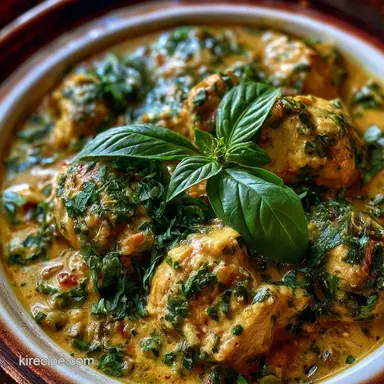
Coconut Basil Chicken Curry: Creamy and Aromatic
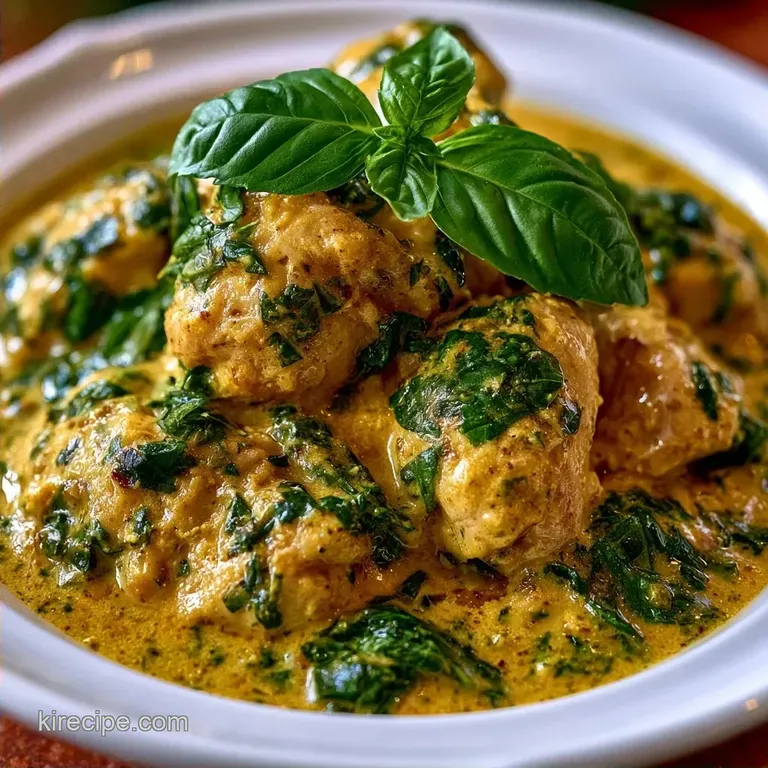
- Time: 10 min prep + 20 min cook
- Flavor/Texture Hook: Creamy, aromatic sauce with seared, juicy chicken
- Perfect for: Busy weeknight dinners and beginner home cooks
- Why the Coconut Basil Chicken Curry Works
- Quick Stats for Planning
- The Ingredient List
- Tools You'll Actually Use
- Cooking the Curry
- Fixing Common Curry Issues
- Troubleshooting Common Issues
- Scaling This Coconut Basil Chicken Curry
- Common Curry Myths
- Storage and Zero Waste
- Perfect Side Pairings
- Recipe FAQs
- 📝 Recipe Card
The smell of Thai basil hitting a hot pan of coconut milk is something you just can't beat. It's that instant transition from a quiet kitchen to smelling like a street market in Bangkok. For me, the real star here is the Thai basil.
It has a spicy, anise like punch that cuts through the heavy coconut cream in a way that regular sweet basil just can't touch.
Getting a Coconut Basil Chicken Curry on the table quickly usually means sacrificing depth, but we aren't doing that here. I've learned that if you skip the sear on the meat, you end up with "boiled" chicken in a sauce.
By spending three minutes per side on the heat, you get a mahogany crust that changes the whole vibe of the dish.
Expect a sauce that is rich and fragrant, but a bright finish from the lime. It's designed for those nights when you want something that feels like a treat but doesn't require an entire afternoon of prep.
Why the Coconut Basil Chicken Curry Works
The trick to this recipe is the order of operations. We aren't just throwing things in a pot and hoping for the best.
The Initial Sear: Browning the chicken first creates a crust. This adds a depth of flavor that carries through the entire sauce.
Blooming Spices: Stirring the curry powder into hot butter for 60 seconds wakes up the oils in the spices. This makes the flavor punchier and less "raw."
Acid Balance: Adding lime juice at the very end prevents the sauce from tasting flat. It brightens the fat from the coconut milk.
| Method | Time | Texture | Best For |
|---|---|---|---|
| Stovetop | 30 mins | Seared and bright | Quick weeknights |
| Oven Braise | 60 mins | Tender and integrated | Large crowds |
Quick Stats for Planning
This recipe is all about efficiency. You'll spend more time chopping the onion than actually managing the stove.
- Total Time
- 30 minutes
- Prep Time
- 10 minutes
- Cook Time
- 20 minutes
- Servings
- 4 people
The Ingredient List
For the Coconut Basil Chicken Curry, we want full fat coconut milk. Using the light version makes the sauce watery and loses that rich mouthfeel.
For the Protein
- 1.5 lb boneless, skinless chicken breasts or thighs, cut into 1 inch cubes Why this? Thighs stay juicier; breasts are leaner.
- 1 tbsp neutral oil Why this? High smoke point prevents burning.
- 1 tsp salt
- ½ tsp black pepper
For the Aromatic Base
- 2 tbsp unsalted butter Why this? Adds richness for blooming spices.
- 1 medium yellow onion, finely diced
- 3 cloves garlic, minced
- 1 tbsp fresh ginger, grated
- 1 jalapeño, seeded and minced Why this? Adds a clean, sharp heat.
For the Curry Sauce
- 2 tbsp curry powder Why this? Provides the primary warmth and color.
- 1 can (13.5 oz) full fat coconut milk Why this? Creates a lush, creamy base.
- 1 tbsp fish sauce Why this? Essential for salty, umami depth.
- 1 tbsp lime juice Why this? Cuts through the fat.
- 1 cup fresh Thai basil leaves Why this? Distinct anise flavor.
| Original Ingredient | Substitute | Why It Works |
|---|---|---|
| Thai Basil | Regular Basil | Similar look, but less spicy. Note: Add a pinch of sugar to balance |
| Fish Sauce | Soy Sauce | Similar saltiness. Note: Lacks the pungent depth of fermented fish |
| Chicken Breasts | Tofu (Extra Firm) | Absorbs sauce well. Note: Press tofu for 15 mins first |
| Curry Powder | Red Curry Paste | More authentic Thai heat. Note: Use 2 tbsp and omit curry powder |
Tools You'll Actually Use
You don't need a fancy kitchen for this. A single large skillet is the only real requirement.
- Large skillet or wide sauté pan (stainless steel or cast iron works best for the sear)
- Sharp chef's knife
- Grater (for the ginger)
- Tongs or a sturdy spatula
- Measuring spoons
Cooking the Curry
Start your Coconut Basil Chicken Curry by getting your prep done first. Everything moves fast once the oil is hot.
- Pat the chicken dry with paper towels to ensure a proper sear. Season with salt and pepper. Note: Wet chicken steams instead of browning.
- Heat 1 tbsp of oil in a large skillet over medium high heat. Add chicken in a single layer and cook until a mahogany colored crust forms on all sides (about 3 minutes per side). Remove chicken from the pan and set aside on a plate.
- Lower the heat to medium and add butter. Sauté the diced onion until translucent (about 4 minutes).
- Stir in the garlic, ginger, and jalapeño. Cook for another 2 minutes until the aroma becomes pungent and fragrant.
- Sprinkle the curry powder over the aromatics and stir constantly for 60 seconds to bloom the spices in the fat.
- Pour in the coconut milk and fish sauce. Stir to scrape up any browned bits from the bottom of the pan. Bring to a gentle simmer for 5–7 minutes until the sauce thickens slightly.
- Return the seared chicken and any juices to the pan. Stir in lime juice and fresh Thai basil leaves until the leaves just wilt.
Chef Note: Don't overcook the basil. Add it at the very last second. If it boils for too long, you lose that bright green color and the fresh peppery taste.
Fixing Common Curry Issues
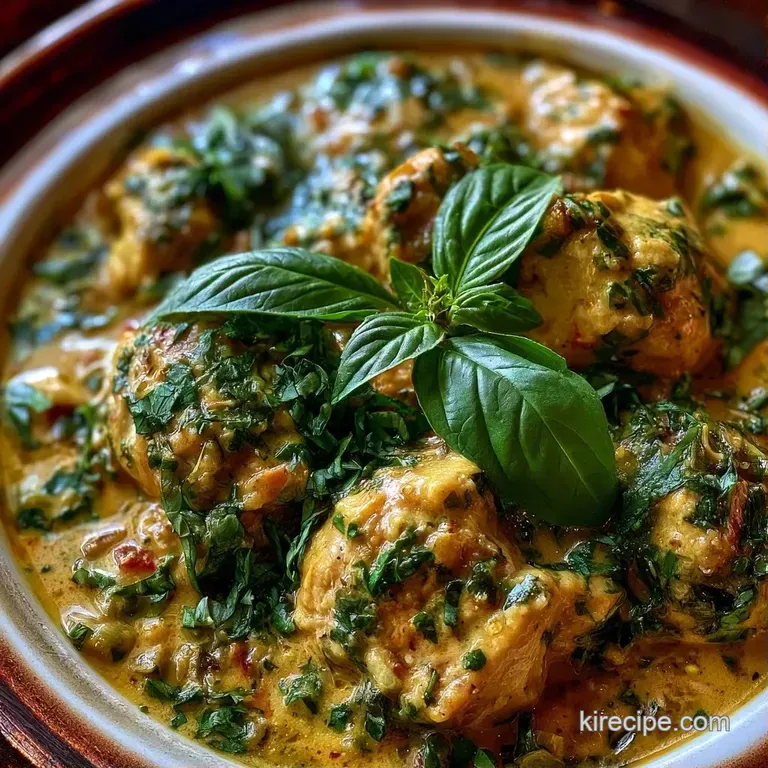
Even with a simple recipe, things can go sideways. Usually, it's a matter of heat or timing.
Troubleshooting Common Issues
| Issue | Solution |
|---|---|
| Why Your Sauce Is Too Thin | If the sauce looks like soup rather than a coating, you likely didn't simmer it long enough. According to Serious Eats for a different take on a rich sauce. |
For an Indian Style Coconut Basil Chicken Curry, add a pinch of cinnamon and cardamom to the blooming phase. This adds a warmer, more aromatic layer that pairs well with basmati rice.
For a Low Calorie Swap, use light coconut milk, but add 1 tablespoon of Greek yogurt at the end. This mimics the creamy texture without the heavy fat content.
For a Plant Based Version, use extra firm tofu and swap the fish sauce for a mix of soy sauce and a tiny bit of miso paste.
Scaling This Coconut Basil Chicken Curry
Making this for a crowd or just for yourself requires a few tweaks to the pan and the heat.
Scaling Down (1-2 Servings) Use a smaller skillet to keep the sauce from evaporating too quickly. Reduce the simmer time by about 2 minutes. If you're using one egg for a side, beat it first and use half.
Scaling Up (8+ Servings) Don't double the spices exactly. Start with 1.5x the curry powder and salt, then taste and adjust. Work in batches when searing the chicken, otherwise, you'll end up with grey, steamed meat. Reduce the total liquid by about 10% because larger volumes of sauce evaporate slower.
| Scale | Pan Size | Spice Adjustment | Cook Time Change |
|---|---|---|---|
| Half (2 servings) | 10 inch skillet | Exact ratios | Simmer 2 mins less |
| Double (8 servings) | 14 inch skillet | 1.5x spices | Sear in 3 batches |
Common Curry Myths
There are a few things people always say about curries that aren't actually true.
Myth: You must marinate chicken overnight. While it helps, it's not required for this Coconut Basil Chicken Curry. The sear and the simmer in the coconut milk provide plenty of flavor in 30 minutes.
Myth: Coconut milk always curdles if it boils. Full fat coconut milk is actually quite stable. As long as you aren't using a low-fat substitute or boiling it violently for an hour, it will stay smooth and glossy.
Storage and Zero Waste
Leftover Coconut Basil Chicken Curry is often better the next day because the spices have more time to meld.
Storage Guidelines Store in an airtight container in the fridge for up to 4 days. To reheat, do it on the stovetop over medium low heat. Add a splash of water or coconut milk to loosen the sauce, as it thickens in the fridge.
Freezing You can freeze this for up to 3 months. However, the basil will turn dark and lose its punch. I recommend freezing the curry without the basil, then stirring in fresh leaves after reheating.
Zero Waste Tips Don't toss the jalapeño stems or the onion skins. I keep a bag of veggie scraps in the freezer to make a quick stock. Also, use the leftover coconut milk in your morning coffee or a smoothie.
Perfect Side Pairings
Since the sauce is so rich, you want sides that can soak up the liquid or provide a fresh contrast.
For Classic Absorption Jasmine rice is the gold standard here. The floral notes of the rice complement the Thai basil. If you're looking for other easy weeknight meals, my Ground Beef Pasta is another great option for busy nights.
For a Hearty Side Steamed bok choy or roasted cauliflower. The charred edges of roasted cauliflower play well with the creamy coconut sauce.
For a Lighter Option A simple cucumber salad with rice vinegar and sesame seeds. The cool crunch of the cucumber resets your palate between spicy bites of curry.
Recipe FAQs
What are some good ways to use fresh basil when cooking?
Stir it in at the very end of the cooking process. Adding leaves just before serving prevents them from overcooking and preserves their bright, peppery aroma.
What is a good recipe for Thai basil chicken?
Combine seared chicken with coconut milk and Thai basil. Sear chicken cubes for 3 minutes per side, bloom curry powder in butter, and simmer with coconut milk before folding in fresh leaves.
How do you use basil in your cooking?
Tear the leaves by hand or slice them thinly. For this specific curry, stir in the fresh leaves at the final step until they just wilt to maintain maximum potency.
What are some good dishes that incorporate basil?
Basil works beautifully in curries, pestos, and fresh salads. If you enjoy balancing aromatic herbs with savory proteins, you might like the flavor profile in our sweet chili sauce.
What is the most flavorful basil?
Thai basil is the most pungent and aromatic choice for this recipe. It has a distinct anise or licorice note that stands up better to the heat of the curry than sweet Italian basil.
What can be made with tons of fresh basil?
Blend it into a pesto or use it in high volumes for Thai dishes. Using a full cup of leaves in this curry ensures the basil flavor cuts through the richness of the full-fat coconut milk.
Is it true that dried basil is a perfect substitute for fresh basil in this curry?
No, this is a common misconception. Dried basil lacks the bright, aromatic punch of fresh leaves and can taste overly medicinal in a creamy coconut-based sauce.
Coconut Basil Chicken Curry: Creamy