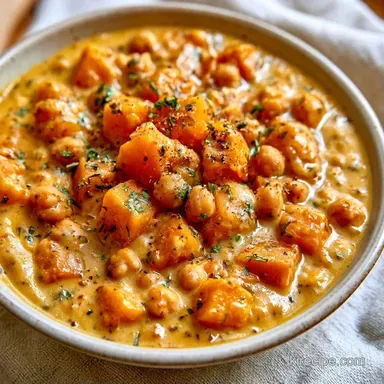
Creamy Vegan Butternut Squash Curry
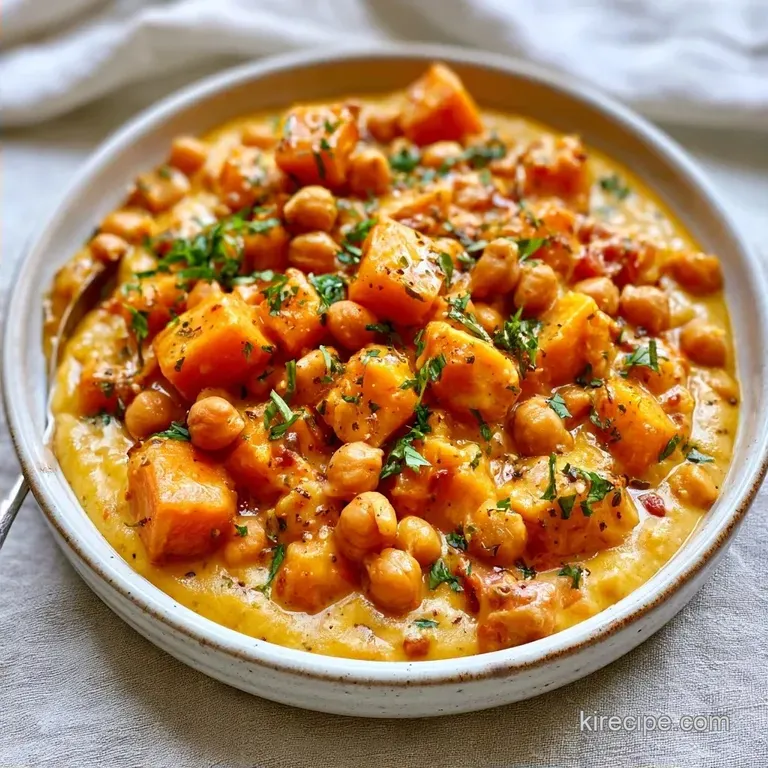
- Time: 10 min active + 30 min cook
- Flavor/Texture Hook: Creamy, savory, with tender squash cubes
- Perfect for: Healthy weeknight dinners or meal prep
- Butternut Squash Curry: Nutritious One Pot Meal
- The Logic Behind the Texture
- What You'll Need
- Necessary Kitchen Gear
- Step-by-Step Instructions
- Fixing Common Issues
- Ways to Mix It Up
- Storage and Zero Waste
- Perfect Complements
- Debunking Kitchen Myths
- Adjusting the Portion Size
- Recipe FAQs
- 📝 Recipe Card
Nothing beats the aroma of ginger and turmeric sizzling in coconut oil to transform your kitchen into a cozy retreat. Years ago, I tried a simplified version where I simply simmered everything together in one go. It turned out to be a colorless, thin stew that tasted of raw spices and uninspired vegetables.
That experience showed me that fat and high heat are essential for creating depth. By frying the spices and searing the produce, I discovered how to turn a bland base into something truly layered. This Butternut Squash Curry uses those initial moments of intense heat to establish a rich foundation before the liquids are added.
The final dish pairs the squash's natural sugars with a bright, zesty hit of lime. It's a plant-forward, healthy option that remains bold in flavor. This Butternut Squash Curry is a true one-pot meal, ensuring minimal dishes without compromising the quality of the meal.
Butternut Squash Curry: Nutritious One Pot Meal
To get the texture just right, we focus on the ratio of coconut milk to broth so the sauce remains pourable without becoming too thin.
| Goal | What to change |
|---|---|
| Creamier | Use full fat coconut milk |
| Tartness | Add 1 tsp extra lime |
| Higher Heat | Add 1 tsp chili flakes |
This Butternut Squash Curry takes roughly 40 minutes from start to finish. I recommend using a Dutch oven to distribute the heat more consistently, which prevents the bottom from scorching while the squash simmers.
The Logic Behind the Texture
I used to think boiling everything was the way to go, but the physics of flavor work differently. Here is why this Butternut Squash Curry actually tastes like restaurant food.
- Spice Blooming: Frying curry powder in oil releases fat soluble flavors. This stops the spices from tasting grainy or raw.
- Brief Searing: Letting the squash sit undisturbed for 3 minutes creates a golden crust. This helps the cubes hold their shape during the simmer.
The goal here is to keep the squash tender but not mushy. If you overcook it, you lose the contrast between the creamy sauce and the distinct vegetable bites.
| Method | Time | Texture | Best For |
|---|---|---|---|
| Fresh Cubed | 40 min | Firm & Distinct | Texture lovers |
| Pre cut/Frozen | 35 min | Softer/Tender | Fast weeknights |
What You'll Need
I prefer using fresh ginger over the powdered stuff. The zing is just different. For this Butternut Squash Curry, you will need these exact components.
The Base
- 2 tbsp coconut oil
- 1 medium (150g) yellow onion, finely diced
- 3 cloves (15g) garlic, minced
- 1 tbsp (15g) fresh ginger, grated
The Heart - 3 cups (700g) butternut squash, peeled and cut into 3/4 inch cubes Why this? Provides the creamy body and natural sweetness - 1 can (15 oz / 425g) chickpeas, drained and rinsed Why this? Adds plant based protein and a bite
The Flavor
- 2 tbsp (30g) mild curry powder
- 1 tsp (5g) ground turmeric
- 1/2 tsp (3g) salt
- 1 tbsp (15ml) lime juiceWhy this? Cuts through the fat of the coconut milk
- 1 tsp (5g) maple syrup
The Liquids - 1 can (13.5 oz / 400ml) full fat coconut milk - 1 cup (240ml) vegetable broth
| Original Ingredient | Substitute | Why It Works |
|---|---|---|
| Coconut Oil | Olive Oil | Similar fat content. Note: Lacks the tropical aroma |
| Maple Syrup | Brown Sugar | Similar sweetness. Note: Slightly more molasses flavor |
| Vegetable Broth | Water + Salt | Basic liquid. Note: Lacks the savory depth of broth |
| Butternut Squash | Sweet Potato | Similar starch profile. Note: Becomes softer faster |
Necessary Kitchen Gear
While fancy equipment isn't required, a heavy-bottomed pot is essential. I typically use a Dutch oven for this Butternut Squash Curry because of its excellent heat retention.
- Dutch Oven or Deep Skillet: A pot that can sustain a simmer without letting all the liquid evaporate.
- Sharp Chef's Knife: To ensure the squash cubes are a uniform 3/4 inch.
- Wooden Spoon: Better than metal for stirring the spice paste to avoid scratching your pot.
- Microplane or Grater: To prep the garlic and ginger.
Step-by-step Instructions
Here is how to prepare the dish while ensuring your Butternut Squash Curry stays thick and hearty rather than turning into a soup.
- Warm the coconut oil in a pot over medium heat. Sauté the diced onion for 5-7 minutes until they look translucent and golden.
- Mix in the minced garlic and grated ginger. Cook for 60 seconds until you can smell the aromatics. Note: Avoid browning the garlic too much to prevent it from becoming bitter.
- Stir in the turmeric, curry powder, and salt. Stir constantly for 1-2 minutes until the spices darken slightly and smell toasted.
- Add the butternut squash cubes. Coat them in the spice mixture, then let them sear undisturbed for 3 minutes until a golden edge forms.
- Pour in the vegetable broth and chickpeas, then bring the mixture to a boil.
- Lower the heat, cover the pot, and simmer for 15-20 minutes until the squash is fork tender. Note: Check the texture at 15 minutes to ensure they don't overcook.
- Stir in the full fat coconut milk and maple syrup.
- Simmer without a lid for 5 minutes until the sauce thickens and looks glossy.
- Take the pot off the heat and stir in the lime juice.
Fixing Common Issues
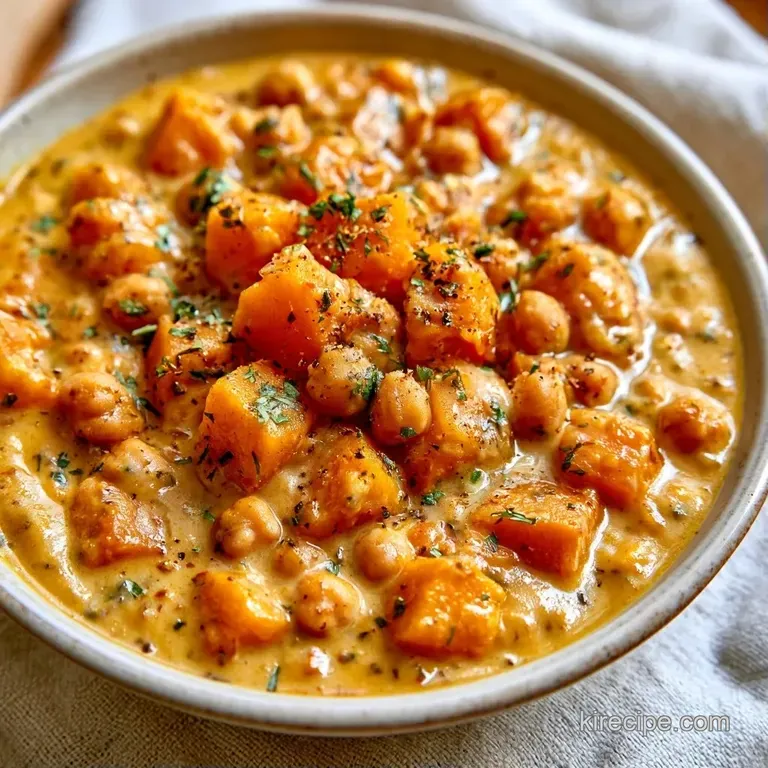
Even with a plan, things happen. I've had my share of Butternut Squash Curry mishaps.
Sauce is Too Thin
If the sauce feels too watery, it's usually because the squash wasn't quite ripe or the heat was too low. You can fix this without adding flour or cornstarch. Just take a spoon and mash 3 or 4 of the cooked squash cubes against the side of the pot. Stir them back in, and the starch will thicken the liquid instantly.
Flavor is Too Flat
Sometimes the spices don't pop. This usually happens if the salt is too low or the lime juice was added too early. Taste it right before serving. If it tastes "heavy," add another squeeze of lime. If it tastes bland, a pinch more salt usually wakes up the turmeric.
Squash is Still Hard
If your timer goes off but the squash is still firm, your heat might have been too low. Just keep the lid on and simmer for another 5 minutes. Just be careful not to overdo it, or you'll lose those distinct cubes.
| Problem | Fix |
|---|---|
| Watery sauce | Mash a few squash cubes into the sauce |
| Bland taste | Add a pinch of salt or extra lime juice |
| Hard squash | Simmer for an extra 5 minutes with lid on |
Ways to Mix It Up
This Butternut Squash Curry serves as a versatile foundation for various customizations. For a different protein option, simply replace the chickpeas with tofu or grilled chicken.
To achieve a more bold flavor, stir in a teaspoon of red curry paste during the blooming process. This provides a gentle heat and a distinct aromatic profile. If you would like to try another squash-based dish, my Butternut Squash Risotto is a fantastic alternative for those craving a creamy, rice-centric meal.
Additionally, you can convert this recipe into a soup by adding one more cup of broth and blending a portion of the final curry. It is a perfect way to utilize leftovers if you have extra portions.
Storage and Zero Waste
Stored in a sealed container, this curry will stay fresh in the fridge for 4 days. You might notice the sauce thickening during reheating; simply stir in a bit of coconut milk or water to loosen it up.
This dish also freezes beautifully. Use freezer-safe bags to keep it for up to 3 months. To serve, defrost it in the refrigerator overnight and warm it through on the stovetop over medium-low heat.
Make the most of your squash by roasting the seeds and peels with salt and oil for a crispy treat. Any remaining roasted squash can be mixed into my Butternut Squash Pasta for an easy meal.
Perfect Complements
Serving the Butternut Squash Curry the right way makes a huge difference. I always suggest something to soak up that sauce.
The Classic Pairings
- Basmati Rice: Steamed fluffy rice is the standard. It provides a neutral backdrop for the bold spices.
- Garlic Naan: Use warm, charred naan to scoop up the chickpeas and squash.
- Fresh Cilantro: A handful of chopped leaves adds a bright, herbal note that balances the richness of the coconut milk.
If you want a bit of crunch, top the bowl with toasted pumpkin seeds. It mirrors the flavor of the squash while adding a necessary texture contrast.
Debunking Kitchen Myths
There is a common idea that searing the squash "seals in the juices." That isn't actually true. Moisture loss happens throughout the cooking process regardless of the sear. The real reason we sear the squash in this Butternut Squash Curry is for the flavor.
The browning creates a deeper, nuttier taste that you just can't get from boiling.
Another myth is that you must use a specific "curry brand" for authenticity. Most mild curry powders are blends of turmeric, coriander, and cumin. As long as the spices are fresh, the brand doesn't matter as much as the technique of blooming them in oil.
Adjusting the Portion Size
Scaling a Butternut Squash Curry is straightforward, but don't just double everything blindly.
Cutting it in half Use a smaller pot to prevent the liquid from evaporating too quickly. Reduce the simmer time by about 20% since there is less mass in the pot. If a recipe calls for a half egg or similar, beat it first and measure out half.
Doubling the batch When doubling, I only increase the salt and spices by 1.5x. Spices can become overwhelming when scaled linearly. Also, work in batches when searing the squash. If you crowd the pan with too many cubes, they will steam instead of brown, and you'll lose that golden crust.
For the liquids, you can reduce the broth by about 10% since less water evaporates relative to the volume.
Recipe FAQs
Does butternut squash work in curry?
It works perfectly because the natural sweetness balances the savory spice notes.
Tip: Use 3/4-inch cubes to prevent the pieces from disintegrating during the simmer.
Which curry style suits butternut squash best?
A mild, coconut-based yellow or red curry complements the squash's creamy texture.
Tip: Bloom your curry powder and turmeric in oil for 2 minutes to deepen the flavor.
How to prep butternut squash for a curry?
Peel the skin and cut the flesh into uniform 3/4-inch cubes.
Tip: If the skin is too tough, microwave the whole squash for 2 minutes to soften it before peeling.
What flavors pair well with butternut squash?
Ginger, lime juice, and maple syrup create a balanced sweet and tangy profile.
Tip: Stir in the lime juice at the very end to keep the acidity bright.
Can I substitute chickpeas with another protein?
Use white beans or tofu for a similar texture, much like the hearty base in our squash and sweet potato soup.
Tip: Pat canned beans dry before adding them to avoid watering down the sauce.
Is it true that butternut squash must be boiled before adding to curry?
Actually, no. Searing the cubes in oil for 3 minutes first develops a golden edge and richer taste.
Tip: Let the squash sit undisturbed for the full 3 minutes to achieve a proper sear.
Why did my curry sauce turn out too thin?
The sauce likely needs more simmering time without the lid.
Tip: Simmer uncovered for 5 minutes after adding coconut milk to reach a thick consistency.
Will this curry freeze well?
It freezes exceptionally well for up to 3 months in freezer-safe bags.
Tip: Thaw in the fridge overnight and reheat on the stove over medium low heat.
Butternut Squash Curry for 6 People