Stuffed Butternut Squash with Italian Sausage
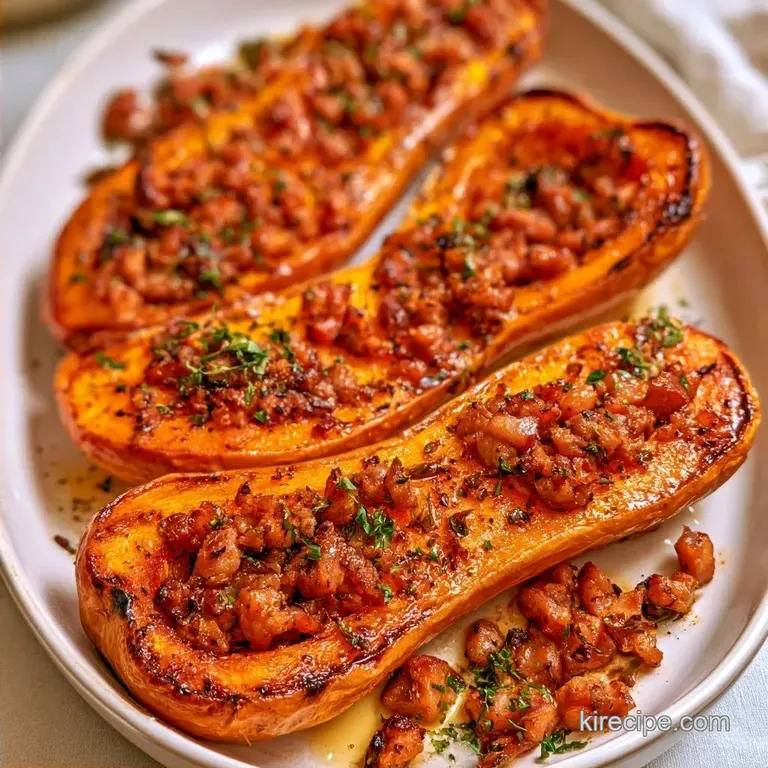
- Time: 15 min active + 50 min roasting
- Flavor/Texture Hook: Mahogany browned skin with a savory, hearty center
- Perfect for: Nutritious weeknight dinner or a healthy autumn centerpiece
Ever wonder why some roasted squash tastes like candy while others just feel like mushy, bland vegetables? It usually comes down to the heat and how you treat the interior. If the temperature is too low, you just steam the vegetable in its own skin.
I used to make the mistake of roasting these at 350°F, and they always turned out soggy. Once I bumped the heat and started mixing some of the roasted flesh back into the rice and sausage, the whole thing changed. It became a cohesive meal instead of just a bowl of stuffing sitting inside a gourd.
This Stuffed Butternut Squash is designed to be a balanced fuel source. We use brown rice for fiber and Italian sausage for a punch of savory flavor, keeping the ingredients fresh and the prep minimal.
The Trick to Stuffed Butternut Squash
High Heat: Roasting at 425°F triggers the sugars to brown quickly. This ensures the shell stays firm enough to hold the filling without collapsing.
Flesh Mixing: Stirring the roasted squash back into the rice creates a velvety binder. It ties the sausage and grains together so the filling doesn't crumble when you scoop it.
Rice Hydration: Using pre cooked brown rice prevents the filling from absorbing all the moisture from the sausage, which stops the center from becoming dry.
| Method | Time | Texture | Best For |
|---|---|---|---|
| oven roasted | 65 mins | Caramelized & Firm | Traditional meals |
| Stovetop/Steam | 40 mins | Soft & Tender | Quick prep |
Logic Behind the Method
The goal here is contrast. You want the charred, sweet edge of the squash to hit the salty, herbal notes of the Italian sausage. By roasting the squash cut side down first, we create a flat, seared surface that concentrates the flavor.
Keeping the shells in the oven on low heat while you sauté the filling is a small but vital move. If the squash cools down too much, the cheese on top won't melt properly during the final phase, and you'll end up with a cold base and a hot center.
Gathering Your Essentials
| Ingredient | Role | If You Don't Have It |
|---|---|---|
| Butternut Squash | Base/Vessel | Pumpkin or Acorn Squash |
| Italian Sausage | Protein/Umami | Ground Turkey + Fennel seeds |
| Brown Rice | Fiber/Structure | Quinoa or Farro |
| Parmesan | Salt/Binding | Pecorino or Grana Padano |
For the Squash Base
- 2 medium butternut squashes, halved lengthwise and seeded (approx. 3 lbs / 1.36 kg) Why this? Best size for individual portions
- 2 tbsp (30ml) olive oil
- 1 tsp (6g) kosher salt
- ½ tsp (3g) cracked black pepper
For the Savory Filling
- 1 lb (450g) ground Italian sausage Why this? Provides built in herbs and fat
- 1 medium yellow onion, finely diced (approx. 150g)
- 3 cloves (15g) garlic, minced
- 2 cups (300g) cooked brown rice Why this? Chewier texture than white rice
- 2 cups (60g) fresh baby spinach, chopped
- ½ cup (50g) grated Parmesan cheese
- 1 tbsp (15ml) olive oil
- ½ tsp (3g) dried thyme
| Original Ingredient | Substitute | Why It Works |
|---|---|---|
| Brown Rice | Quinoa | Higher protein. Note: Lighter, fluffier texture |
| Italian Sausage | Ground Beef | Same fat profile. Note: Needs extra thyme and salt |
| Baby Spinach | Kale | Similar nutrients. Note: Needs 3 mins more to wilt |
Gear for the Job
You don't need much, but a heavy bottomed skillet is a must for the sausage. A thin pan will cause the meat to steam rather than brown. I usually reach for my cast iron skillet because it holds heat better and gets the sausage truly crispy.
For the roasting, a rimmed baking sheet with parchment paper is essential. Without the paper, the natural sugars from the squash can stick to the metal, and you'll spend twenty minutes scrubbing the pan later.
The step-by-step Process
- Set oven to 425°F (220°C) and prep a baking tray with parchment paper.
- Apply olive oil liberally to the cut surfaces of the squash, then sprinkle with salt and pepper.
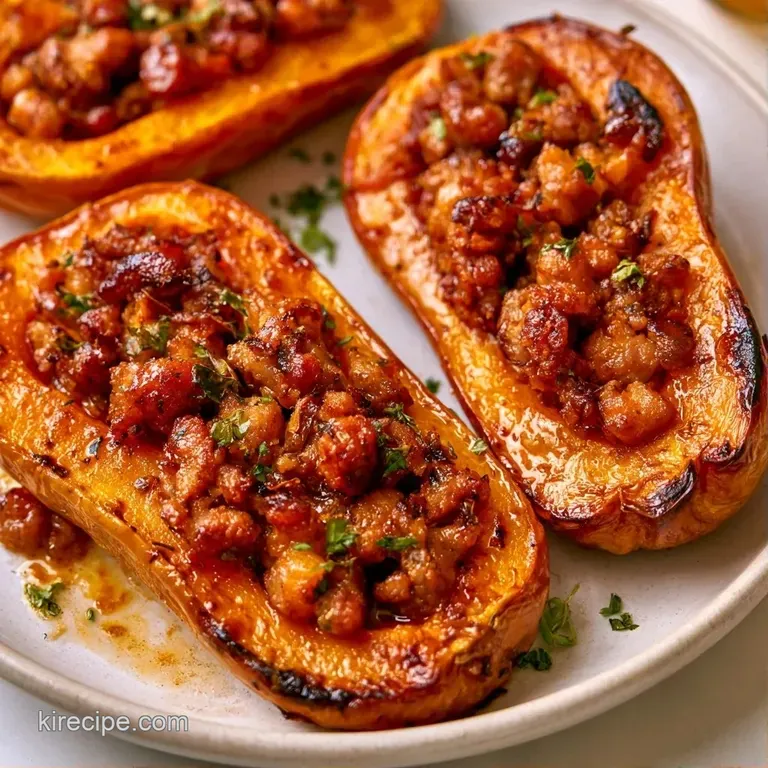
- Set squash face down on the tray and bake for 30–35 minutes until the skin turns a deep mahogany and a knife pierces the center with ease.
- Take them out of the oven, flip them, and carve out roughly 1 cup (approx. 240g) of the flesh, cutting it into small cubes. Note: Leave the squash shells in the oven on a low setting to keep them warm.
- Warm 1 tbsp of olive oil in a pan over medium-high heat.
- Stir in the ground sausage, crumbling it with a utensil until it's browned and crisp.
- Mix in the garlic and diced onion, cooking until the onion softens and becomes aromatic.
- Add the reserved squash cubes, cooked brown rice, and dried thyme.
- Stir in the chopped spinach for 2 minutes until the leaves have just wilted, then take off the heat.
- Spoon the mixture into the roasted squash shells and sprinkle with grated Parmesan.
Solving Common Cooking Issues
If the squash isn't softening at the same rate, it's usually because of the size of the gourd. Some "medium" squashes are denser than others. If the skin looks brown but the inside is still firm, don't just keep roasting, or you'll burn the exterior.
Another issue is a runny filling. This happens if the spinach isn't cooked down enough or if the rice was too wet. Ensuring the sausage is fully browned before adding the vegetables helps evaporate excess moisture.
Squash Stays Hard
If the flesh isn't tender after 35 minutes, cover the halves with foil and roast for 10 more minutes. The trapped steam softens the fibers quickly.
Filling Too Wet
Ensure the sausage is fully browned and the onions are translucent before adding the rice. If it's still wet, simmer for 3 more minutes without a lid.
Filling Overflows
Scoop out slightly more flesh than the recipe calls for to create a deeper "bowl" in the squash.
| Problem | Fix |
|---|---|
| Tough Skin | Increase roast time by 5 mins |
| Bland Filling | Add a pinch of salt to the rice |
| Burnt Cheese | Broil for 2 mins instead of baking |
Ways to Twist the Flavor
For a vegetarian twist, this base is ideal for a Vegetarian Stuffed Butternut Squash. Simply replace the meat with sautéed chickpeas and a teaspoon of smoked paprika to maintain that savory depth. To make this recipe vegan, substitute the Parmesan with nutritional yeast and use a plant-based sausage.
If you enjoy the combination of squash and savory meats, these Sausage Stuffed Mushrooms make a wonderful small appetizer. For a lighter, more liquid dish, my Moroccan Butternut Squash Soup utilizes similar aromatic ingredients in a cozy puree.
You could also prepare Stuffed Butternut Squash with Ground Beef for a classic, hearty flavor. Adding a touch of Worcestershire sauce to the beef will help mimic the characteristic tang of Italian sausage.
| Goal | What to change |
|---|---|
| Extra protein | Use quinoa instead of rice |
| Lighter feel | Use ground turkey |
| More saltiness | Add crumbled feta |
Storage and Zero Waste
Store leftovers in a tight-fitting container in the refrigerator for up to 3 days. For reheating, I suggest the oven at 350°F (175°C) for 10-15 minutes. A microwave works, but it softens the skin and ruins that roasted texture.
Save the squash seeds rather than tossing them. Just rinse, pat dry, and coat with olive oil and salt. Roast them at 325°F (160°C) for 15 minutes for a healthy snack. You can also freeze the cooked filling for 2 months, though the squash shell doesn't freeze well.
Serving Suggestions
While this dish is satisfying on its own, serving it with steamed broccoli or a fresh arugula salad with a zesty lemon dressing provides a bright contrast to the hearty sausage. The citrus acidity perfectly offsets the squash's natural sweetness.
For an extra touch of sophistication, add a light drizzle of honey or maple syrup just before plating. While it may seem like an odd pairing for sausage, this sweet-and-salty combination is what makes Stuffed Butternut Squash so popular.
Present it directly in the shell to create a look that is far more impressive than the actual effort required.
High in Sodium
880 mg 880 mg of sodium per serving (38% 38% of daily value)
The American Heart Association recommends a daily sodium limit of 2,300mg for most adults to help manage blood pressure and heart health.
Tips to Reduce Sodium
-
Swap Italian Sausage-25%
Replace the processed Italian sausage with ground turkey or lean pork seasoned with fennel seeds, red pepper flakes, and garlic powder.
-
Reduce Added Salt-25%
Omit or significantly reduce the 1 tsp of kosher salt used on the squash, as the cheese and meat provide inherent saltiness.
-
Limit Parmesan-15%
Use half the amount of grated Parmesan or substitute with a sprinkle of nutritional yeast for a similar savory, nutty flavor.
-
Enhance with Herbs
Increase the dried thyme or add fresh sage and rosemary to the roast for deeper flavor without adding any sodium.
Recipe FAQs
What ingredients work best for stuffing butternut squash?
Use a savory mix of Italian sausage, brown rice, and spinach. This combination provides a hearty balance of protein and greens that complements the natural sweetness of the squash.
How long does it take to prepare and roast the squash?
Allocate 65 minutes in total. The squash halves roast for 30–35 minutes at 425°F before you add the skillet filling and finish the dish.
Is it true that the skin of the squash is inedible?
Actually, no. While some prefer to scoop the flesh out, the roasted skin is safe to eat and provides a rustic, earthy contrast to the soft interior.
How to make the filling for this recipe?
Brown the ground sausage using a pan set to medium-high. Stir in the diced onion, garlic, thyme, brown rice, and reserved squash flesh, then add the spinach until wilted. If you enjoy this savory sausage profile, check out our Portobello Mushroom Chicken.
Do I need to peel the squash before roasting?
No, leave the skin intact. Roasting the halves whole ensures the squash maintains its structure and prevents the flesh from collapsing during the cooking process.
Stuffed Butternut Squash with Sausage