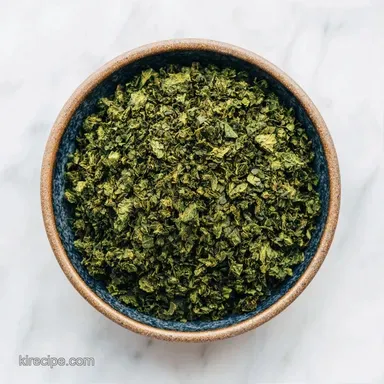
Quick Dried Garden Basil: Concentrated and Punchy
- Time: 5 min active + 2 min cook
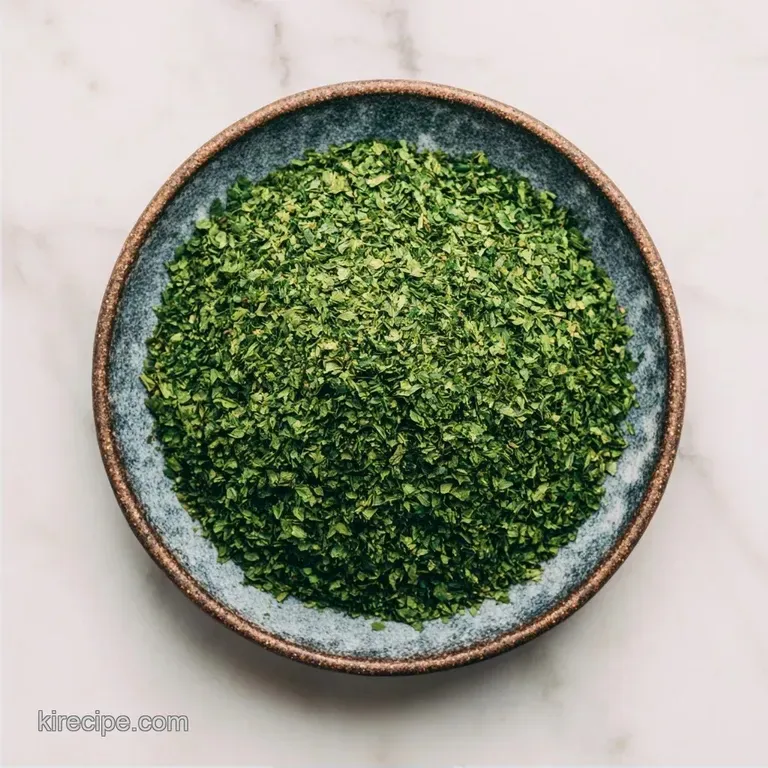
- Flavor/Texture Hook: Crisp, shatter dry leaves with a concentrated peppery aroma
- Perfect for: Saving a garden harvest or stocking your pantry quickly
- The Logic Behind Fast Drying
- What Each Ingredient Does
- Gathering Your Essentials
- Essential Gear for Basil
- Step-by-Step Drying Process
- Fixing Common Drying Issues
- Different Basil Types and Swaps
- Adjusting Your Batch Size
- Herb Preservation Myths
- Storing Your Dried Herbs
- Best Dishes for Dried Basil
- Recipe FAQs
- 📝 Recipe Card
That punchy, peppery smell of fresh basil hitting the air is one of my favorite parts of summer. But if you've ever grown it, you know the struggle. One day the plant is barely a sprout, and the next, it's a three foot monster taking over your patio.
I used to let half my harvest turn into a slimy mess in the crisper drawer because I didn't have time to air dry bundles for a week. Then I tried the microwave method. It's a fast way to preserve those leaves without losing the bright, herbal notes.
This recipe for Quick Dried Garden Basil takes about eight minutes from start to finish. It's a lifesaver when you have a handful of fresh leaves but need a pantry staple for a winter sauce.
The Logic Behind Fast Drying
- Rapid Evaporation: The microwave vibrates water molecules, pushing moisture out of the leaves in seconds.
- Heat Control: By using paper towels, we absorb the steam immediately so the leaves don't "cook" or turn brown.
- Oil Retention: Quick drying prevents the volatile oils from evaporating, which often happens during slow air drying.
| Fresh Basil | Microwave Shortcut | Best Use |
|---|---|---|
| High moisture, bright taste | Concentrated flavor, brittle | Fresh for pesto, dried for sauces |
| Wilts in 2 days | Lasts 6 months | Immediate use vs. long term storage |
| Mild peppery notes | Intense, earthy aroma | Raw salads vs. simmered stews |
What Each Ingredient Does
The focus here is purely on the quality of the leaf. According to Serious Eats, the way you handle herbs during dehydration directly affects the final aromatic profile.
| Ingredient | What It Does | Best Swap |
|---|---|---|
| Fresh Basil (1 cup) | Provides the base flavor | Thai Basil (adds anise notes) |
| Paper Towels | Absorbs excess steam | Coffee filters (if no towels) |
Gathering Your Essentials
You only need one main ingredient for this. Grab 1 cup (30g) of fresh garden basil leaves. Make sure you pull the leaves off the stems entirely, as the stems take longer to dry and can end up rubbery.
If you're using an organic garden harvest, just give them a quick rinse. If they're store-bought, a wash is mandatory to remove any grit. Use a clean kitchen towel to pat them bone dry before you even think about the microwave.
Essential Gear for Basil
You don't need fancy dehydrators for this. A microwave safe ceramic plate is your best bet. Avoid plastic plates if possible, as they can warp or hold onto smells.
Two sturdy paper towels are essential. They act as a moisture wick, pulling the water away from the basil. Without them, the leaves just steam in their own juice and turn a dull, olive brown.
Step-by-step Drying Process
- Rinse the basil leaves under cool water and pat them completely dry with a clean towel to prevent steaming.
- Separate the leaves from the stems; tear exceptionally large leaves in half for even drying.
- Place one paper towel on a microwave safe ceramic plate, scatter leaves in a single non overlapping layer, and cover with a second paper towel.
- Microwave on high for 30 seconds.
- Remove the plate and check for brittleness; if leaves are still flexible, microwave in 30 second increments until they shatter when touched.
- Allow the leaves to sit for 1 minute to finish setting.
- Gently crumble the dried leaves with your fingers into a small airtight glass jar.
Chef: If you notice a leaf starting to brown, stop the microwave immediately. It's better to do three 30 second bursts than one long 90 second blast.
Fixing Common Drying Issues
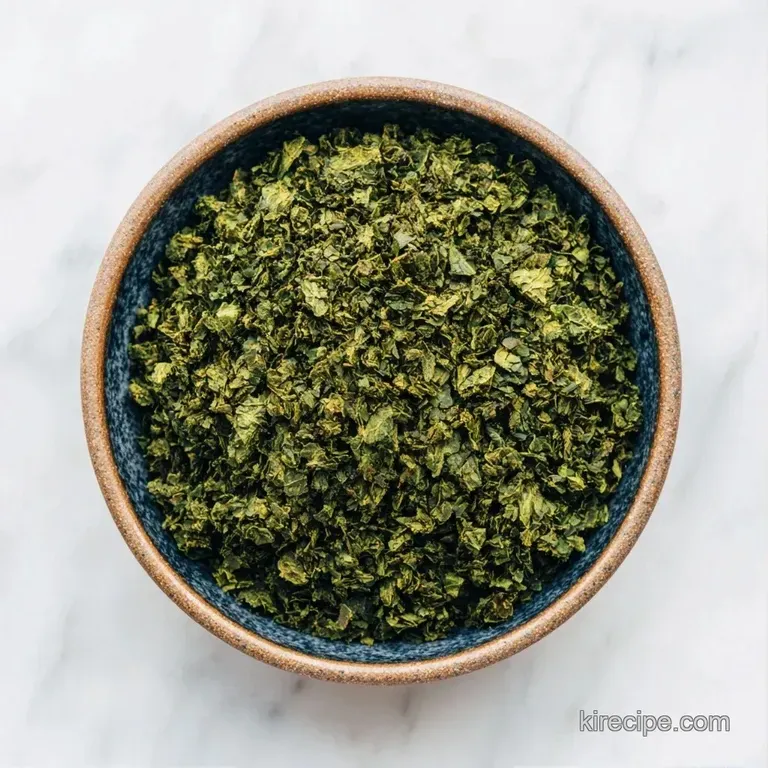
When you're making Quick Dried Garden Basil, the window between "dried" and "burnt" is small. If you leave it in too long, the leaves smell like burnt grass.
Avoid Scorched Leaves
If your basil smells acrid or looks black, the microwave was too powerful or the time too long. Stop as soon as the leaves feel crisp.
Stopping Rubbery Texture
Rubbery leaves happen when moisture is trapped. This usually means the paper towels were too thin or the leaves were overlapping.
Preventing Brown Leaves
Browning is caused by steaming. Make sure your leaves are completely dry after washing and that you use a fresh paper towel.
| Problem | Root Cause | Solution |
|---|---|---|
| Leaves are rubbery | Overlapping leaves | Spread in a single layer |
| Basil turned brown | Trapped steam | Use a second paper towel on top |
| Burnt smell | Overcooked | Use shorter 30 second intervals |
Different Basil Types and Swaps
You can use almost any variety of basil with this method. Sweet Genovese is the standard, but purple basil works great and keeps a deep, moody color when dried.
Thai basil is a bit tougher, so it might need an extra 30 seconds in the microwave. Just keep checking for that "shatter" point. If you want a more complex flavor, mix your dried basil with dried oregano and a pinch of salt to create your own Italian blend.
Adjusting Your Batch Size
If you're drying a massive garden haul, don't just pile the leaves up. The microwave won't be able to pull the moisture from the center of the pile.
- Scaling Down: For a small pinch, use a smaller plate, but keep the 30 second intervals.
- Scaling Up: Work in batches. It takes more time, but it's the only way to ensure every leaf dries evenly.
- Baking Alternative: If you have no microwave, you can use an oven at 180°F (82°C), but it takes hours and often browns the leaves.
Herb Preservation Myths
A common myth is that you have to air dry basil in a dark room to keep the color. While darkness helps, the real issue is the time. Slow air drying often allows the leaves to oxidize and turn brown anyway.
Another misconception is that oven drying is the only "professional" way. In reality, a microwave is often better for herbs because it preserves the essential oils that provide that punchy flavor.
Storing Your Dried Herbs
Keep your dried basil in a small, airtight glass jar. Store it in a cool, dark cupboard away from the stove's heat. It'll stay potent for about 6 months.
Don't throw away the stems! I toss my basil stems into a freezer bag and add them to vegetable stock. It adds a subtle, herbal base that's great for soups.
Best Dishes for Dried Basil
Dried basil has a different profile than fresh. It's more earthy and concentrated, which makes it a powerhouse in simmered dishes. It's a great addition to a San Marzano sauce where the heat helps the dried leaves release their flavor.
You can also sprinkle a bit into a Traditional Italian Pasta Salad dressing for a more rustic taste. Just remember to add dried herbs at the beginning of the cooking process so they have time to rehydrate and blend in.
Recipe FAQs
How do you dry basil quickly?
Microwave on high in 30-second intervals. Place the leaves between paper towels on a ceramic plate and heat until they shatter when touched.
What should I do with a large harvest of fresh basil?
Dry the leaves for long term storage. You can also freeze the stems in a bag to add to vegetable stock for a subtle herbal base.
What can be used as an alternative for fresh basil?
Use dried basil or fresh oregano. If you enjoy balancing bold herbal notes here, see how we apply similar flavor balancing in our Korean BBQ sauce.
Is it true that you must air-dry basil for weeks to preserve the flavor?
No, this is a common misconception. A microwave can dry the leaves in a matter of minutes without sacrificing the aromatic quality.
How do I store dried basil to keep it fresh?
Keep it in a small, airtight glass jar. Store the jar in a cool, dark cupboard away from the stove's heat to keep it potent for about 6 months.
What are some good ways to use fresh basil when cooking?
Tear fresh leaves into pastas, salads, or pestos. Add the basil at the very end of the cooking process to preserve its bright color and oils.
Why are my microwave dried leaves still flexible?
Continue heating in 30-second increments. The leaves are only fully dried when they are brittle enough to shatter upon touch.
Quick Dried Garden Basil