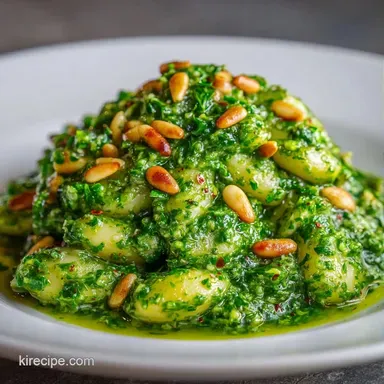
Homemade Basil Pesto: Bright and Nutty
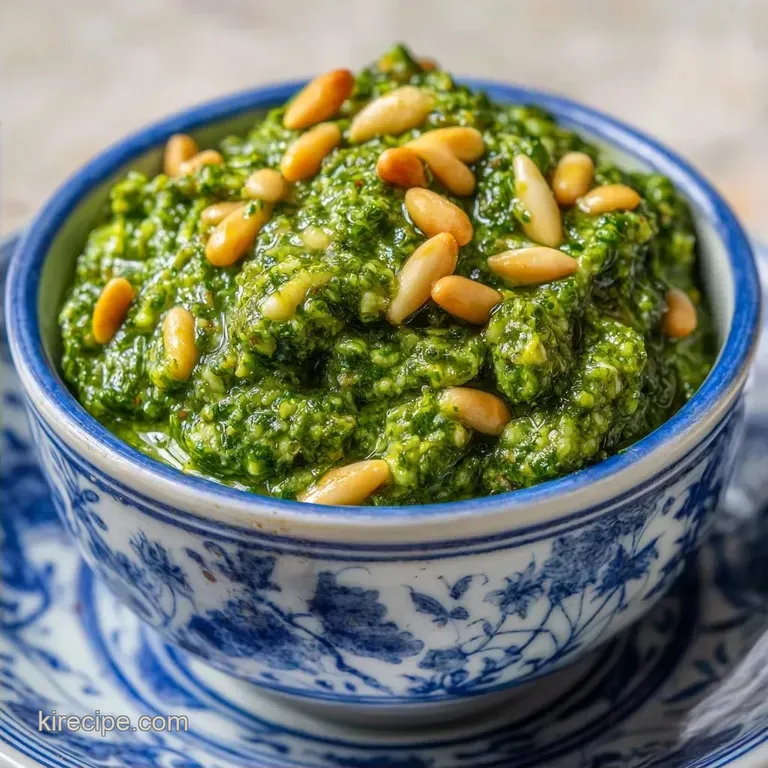
- Time: 10 min active + 2 min cook
- Flavor/Texture Hook: Bright, nutty, and glossy
- Perfect for: Weeknight dinners or quick meal prep
- Making a Fresh Basil Pesto
- Why These Ingredients Work
- Gathering Your Essentials
- The Right Gear
- Making the Pesto
- Fixing Pesto Problems
- Troubleshooting Common Issues
- Smart Swaps and Twists
- Adjusting the Batch Size
- Common Pesto Misconceptions
- Freshness and Storage
- What to Serve With
- Recipe FAQs
- 📝 Recipe Card
If you've ever been to the coast of Liguria in Italy, you know that the air smells like salt and fresh herbs. In Genoa, this sauce isn't just a condiment, it's a cultural icon. They've been pounding basil and pine nuts together for centuries to create something that tastes like a summer garden.
I used to think you needed a fancy mortar and pestle to get the taste right. I tried the traditional way once, but my arms were shaking after ten minutes of grinding. Now, I just use a food processor, and honestly, the results are just as solid for a busy weeknight.
This Homemade Basil Pesto is all about the balance of fat from the olive oil and the zing of lemon. It's the kind of thing you make once and then find excuses to put it on everything from toast to grilled fish.
Making a Fresh Basil Pesto
Right then, let's look at why this specific blend hits the spot. Most people just throw everything in a blender and hope for the best, but that often leads to a bitter, muddy sauce.
Toasted Pine Nuts: Heating the nuts releases their natural oils, which gives the sauce a deeper, woodier flavor. Acid Balance: The lemon juice doesn't just add tang, it helps maintain that vibrant green color.
| Method | Time | Texture | Best For |
|---|---|---|---|
| Food Processor | 12 mins | Smooth and uniform | Quick meals, spreading |
| Mortar & Pestle | 30 mins | Chunky and rustic | Traditionalists, small batches |
Why These Ingredients Work
I've found that the quality of your oil and cheese really dictates the outcome here. If you use a cheap, bland oil, the whole thing tastes flat.
| Ingredient | What It Does | Best Swap |
|---|---|---|
| Fresh Basil | The aromatic base | Baby spinach (milder) |
| Pine Nuts | Adds creaminess | Walnuts or Cashews |
| Parmesan | Salt and umami | Pecorino Romano |
| Lemon Juice | Cuts the fat | White wine vinegar |
Gathering Your Essentials
When you're making a Homemade Basil Pesto Recipe, the freshness of the leaves is everything. If your basil is wilted, the flavor will be muted.
- 2 cups (48g) packed fresh basil leaves Why this? Provides the signature peppery, sweet base
- 3 cloves (9g) garlic Why this? Adds a sharp, pungent bite
- 2 tbsp (30ml) fresh lemon juice Why this? Brightens the greens and prevents browning
- 1/3 cup (45g) pine nuts Why this? Classic nutty richness
- 1/2 cup (50g) freshly grated Parmesan cheese Why this? Salty, aged depth
- 1/2 tsp (3g) kosher salt Why this? Enhances all other flavors
- 1/4 tsp (1g) freshly cracked black pepper Why this? Subtle heat
- 1/2 cup (120ml) extra virgin olive oil Why this? Ties it all together with a rich finish
The Right Gear
You don't need a professional kitchen for this, but a few tools make it easier. A small skillet is necessary for the nuts, and a food processor is your best friend here. If you don't have a processor, a high powered blender works, but you have to be careful not to over process the leaves into a paste.
Chef's Note: If you're using a blender, stop and stir every few seconds. Blenders tend to create a vortex that can over heat the basil, which turns the sauce brown.
Making the Pesto
Let's get into the process. The goal here is a glossy, thick sauce that still has a bit of character.
- Place the pine nuts in a small skillet over medium heat.
- Stir constantly for 2 minutes until they smell nutty and turn a light golden brown.
- Remove the nuts from the pan immediately so they don't burn.
- Add the toasted pine nuts, garlic, and lemon juice to the food processor.
- Pulse 5-7 times until the mixture is coarsely chopped.
- Add the packed basil leaves and salt to the processor.
- Pulse in short bursts, about 1 second each, until the basil is finely minced.
- Start the processor on low and slowly drizzle in the olive oil in a steady stream.
- Continue until the oil is integrated and the sauce looks glossy.
- Stir in the grated Parmesan cheese by hand or pulse once more just to combine.
Fixing Pesto Problems
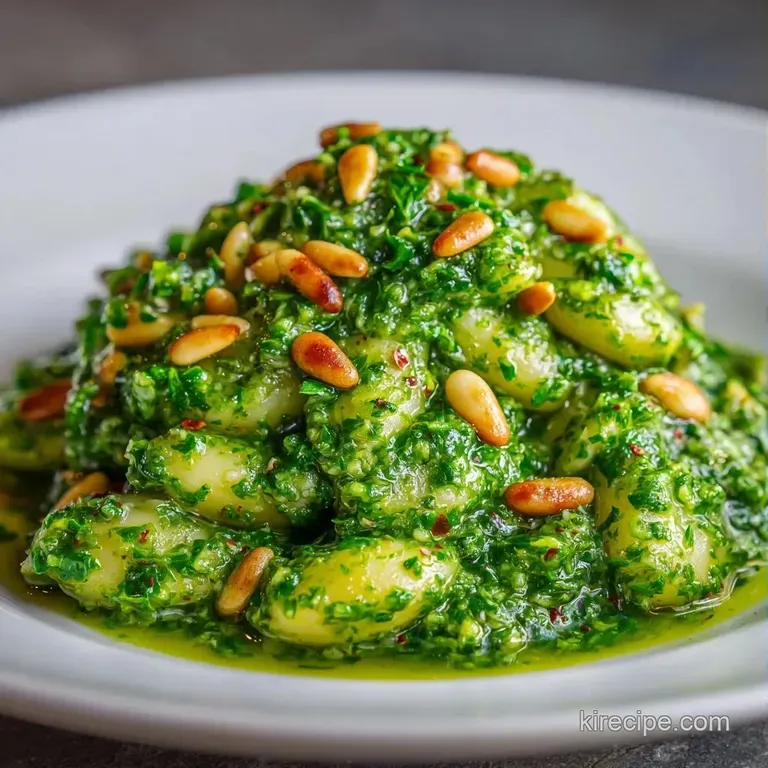
Even with a simple Basil Pesto, things can go sideways. Most issues come down to temperature or timing.
Troubleshooting Common Issues
| Issue | Solution |
|---|---|
| Why Your Sauce Turns Brown | This is usually due to oxidation, where the basil reacts with the air. To stop this, make sure you're using enough lemon juice and avoid over processing the leaves. |
| Why It Tastes Bitter | Bitterness often comes from the garlic being pulverized too much or the basil being heated up by the blender blades. Stick to the pulsing method rather than running the machine on high. |
| Why the Oil Separates | If you dump the oil in all at once, it won't emulsify with the solids. Drizzle it slowly while the machine is running to create a stable, smooth blend. |
Smart Swaps and Twists
If pine nuts are too expensive or you can't find them, don't stress. You can easily make a Pesto Recipe Without Pine Nuts by using walnuts or almonds. Walnuts give it a slightly more bitter, earthy tone, while cashews make it creamier.
For a dairy-free version, swap the Parmesan for two tablespoons of nutritional yeast. It gives you that same cheesy, salty vibe without the cow's milk. If you want an Easy Fresh Basil Pesto with a different color, try replacing half the basil with fresh parsley or spinach.
If you're planning a bigger meal, this sauce works great in a pesto mozzarella pasta salad for a crowd.
Adjusting the Batch Size
If you're only cooking for one, you can easily scale this Basil Pesto down. For a half batch, use 1 cup of basil and 1.5 cloves of garlic. I usually beat one garlic clove and then use half of it to keep the proportions exact.
When doubling or tripling the recipe, be careful with the salt and garlic. I suggest increasing them to 1.5x instead of 2x, then tasting at the end and adding more if needed. Too much garlic in a large batch can easily overwhelm the delicate basil.
Common Pesto Misconceptions
Some people think you have to cook the sauce before adding it to pasta. This is a mistake. Heating the pesto too much kills the fresh, herbal flavor and turns the bright green into a dull olive color. Just toss it with hot pasta off the heat.
Another myth is that you must use a mortar and pestle for "authentic" results. While the texture is different, the flavor profile of a well made food processor Basil Pesto is virtually the same for 99% of home cooks.
Freshness and Storage
Store your Basil Pesto in a glass jar in the fridge for up to 5 days. To keep it from browning, pour a thin layer of olive oil over the top before sealing the lid. This creates a barrier that keeps the air away from the basil.
For long term storage, I love to freeze it in ice cube trays. Once frozen, pop the cubes into a freezer bag. They last for about 3 months and are the perfect size for a single serving of pasta.
If you have leftover basil stems, don't toss them. Chop them finely and add them to a vegetable stock or a soup for extra flavor.
What to Serve With
This sauce is incredibly versatile. The most obvious choice is pasta, but you can also use it as a marinade for grilled chicken or shrimp. It's also a great spread for a toasted baguette with sliced tomatoes.
If you're looking for a lighter option, it's a great addition to a basil mozzarella pasta salad for a summer lunch. You can also swirl a spoonful into a bowl of tomato soup for a bit of richness.
Right then, you've got everything you need for a solid Homemade Basil Pesto. It's a quick, budget friendly way to bring a lot of flavor to the table. Just remember to toast those nuts and keep your processor pulsing, and you'll have a great sauce every time.
Recipe FAQs
Is pesto good for diabetics?
Yes, in moderation. It contains healthy fats and low-glycemic ingredients, though portion control is important due to the high calorie density.
Do you need to dry basil before making pesto?
Yes, pat them dry. Excess moisture prevents the olive oil from emulsifying properly and can dilute the final flavor.
What are common mistakes when making pesto?
Over processing the ingredients. Blending on high instead of pulsing heats the basil and makes the garlic taste bitter.
Is pesto ok for kidney patients?
Consult your doctor first. The Parmesan cheese and salt provide sodium and potassium that may need to be restricted based on your specific dietary requirements.
What do I do with all my fresh basil?
Blend it into pesto and freeze it. Store the sauce in ice cube trays to lock in the color and flavor for future meals.
What can be used as an alternative for fresh basil?
Fresh spinach or arugula. These greens mimic the texture and color. If you enjoy these herb forward profiles, see how we use a similar approach in our beef pasta.
What are the preparation and serving methods of basil?
Wash, dry, and pulse the leaves in short bursts. Serve the resulting pesto as a chilled dip or stir it into pasta off the heat to keep the color vibrant.
Homemade Basil Pesto