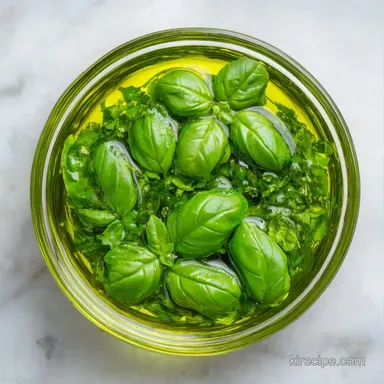
Basil Olive Oil: Vibrant and Fresh
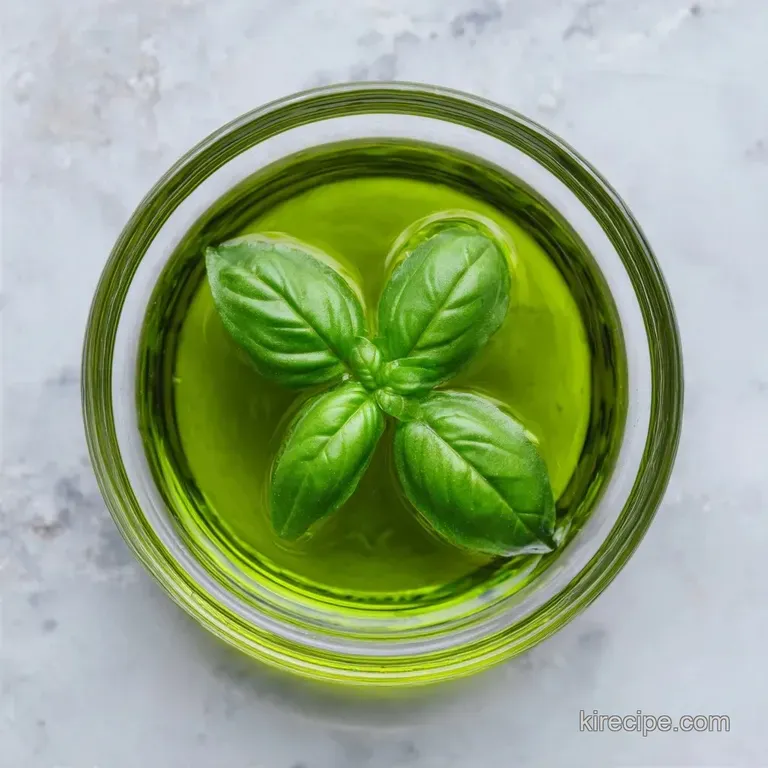
- Time: 10 min active + 5 min cook
- Flavor/Texture Hook: Bright, grassy, and smooth
- Perfect for: Finishing plates, dipping bread, or meal prep
Basil Olive Oil
The scent of fresh basil hitting boiling water is sharp and peppery. It fills the kitchen instantly, smelling like a summer garden after a rainstorm. I used to just blend raw leaves with oil, but the result was always a dull, swampy brown by the next day.
It looked unappealing and lost that vibrant, "just picked" energy.
The trick is the blanch. By dipping the leaves in boiling water for a few seconds, you stop the enzymes that cause browning. It keeps the oil a brilliant, neon green.
This Basil Olive Oil is a lighter alternative to heavy sauces. It provides a nutritious, fat rich infusion that carries the essence of the herb without overpowering the other ingredients on your plate.
Freshness in a Jar
- Chlorophyll Lock
- Blanching the leaves preserves the green pigment, preventing the oil from turning brown.
- Cold Shock
- The ice bath stops the cooking immediately, keeping the basil from becoming mushy.
- High Speed Blend
- Fast processing breaks the cell walls of the basil, releasing all the aromatic oils into the olive oil.
Decision Shortcut:
- If you want a deep green color, always blanch the basil.
- If you need a thicker sauce, blend in more leaves and less oil.
- If you want a clear oil, use cheesecloth for straining.
| Method | Prep Time | Color | Best For |
|---|---|---|---|
| Fresh Blanch | 15 mins | Vibrant Green | Garnish, Fine Dining |
| Raw Blend | 5 mins | Dull Green | Quick Home Use |
| store-bought | 0 mins | Yellow Green | Emergency Use |
Recipe Quick Specs
The science here is simple. Heat breaks down the cell walls, and the cold water traps the color. This creates a stable, nutrient dense infusion. According to Serious Eats, controlling temperature is the only way to keep herbs bright when blending with fats.
| Ingredient | What It Does | Best Swap |
|---|---|---|
| Fresh Basil | Provides the core peppery flavor | Spinach (for color only) |
| EV Olive Oil | Carries flavor and adds healthy fats | Avocado Oil |
| Lemon Juice | Brightens flavor and prevents oxidation | Lime Juice |
| Sea Salt | Enhances the natural herbal notes | Kosher Salt |
Gather Your Ingredients
You only need a few items, but quality matters here. Since the oil isn't cooked long, the flavor of the olive oil really stands out. I suggest a cold pressed extra virgin oil for the best results.
- 2 cups (60g) Fresh Italian Basil leaves, packed Why this? Higher essential oil content than smaller varieties
- 1 cup (240ml) Extra Virgin Olive Oil Why this? Provides a fruity, peppery base
- 1 tbsp (15ml) Fresh lemon juice Why this? Acidity keeps the color bright
- 1 tsp (6g) Sea salt Why this? Draws out moisture from the leaves
| Original Ingredient | Substitute | Why It Works |
|---|---|---|
| EV Olive Oil | Avocado Oil | Neutral flavor. Note: Lacks the peppery bite of olive oil |
| Lemon Juice | White Balsamic | Adds a subtle sweetness. Note: Changes the flavor profile |
| Fresh Basil | Baby Spinach | Similar color. Note: Lacks the distinct basil aroma |
Tools for the Job
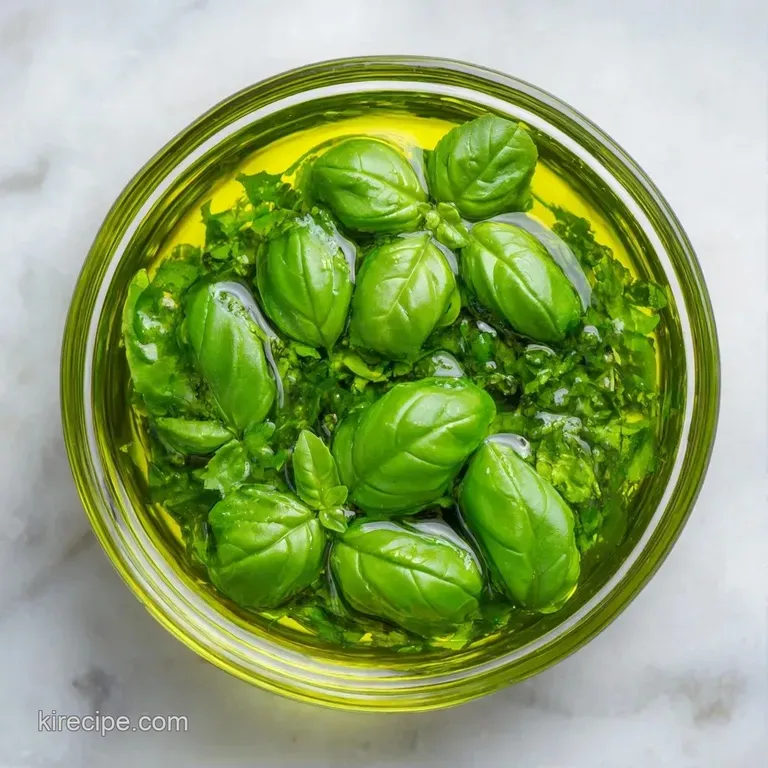
You don't need a professional kitchen, but a high speed blender makes a difference. A food processor works, but you might find a few more "bits" in your final oil.
- High speed blender (such as Vitamix or Ninja)
- Fine mesh strainer or cheesecloth
- Large pot for boiling water
- Bowl filled with ice and water
- Glass jar for storage
The Making Process
Follow these timing windows closely to ensure the color stays vivid.
- Bring a pot of water to a rolling boil and add the salt.
- Drop the basil leaves in for exactly 10 to 15 seconds until they turn a bright, vivid green.
- Use a slotted spoon to remove them immediately.
- Plunge the blanched basil into the ice water.
- Let them sit for 30 seconds to stop the cooking.
- Pat the leaves completely dry with a paper towel. Note: Water in the blender can cause the oil to separate
- Place dried basil, olive oil, and lemon juice into the blender.
- Process on high for 60 90 seconds until the liquid is completely smooth and homogenous.
- Pour the mixture through a fine mesh strainer into a glass jar.
- Let it drip naturally without squeezing the cloth to avoid oxidation.
Precision Checkpoints:
- Blanching: 10-15 seconds
- Ice Bath: 30 seconds
- Blending: 60-90 seconds
Avoid Common Pitfalls
If your oil isn't coming out right, it's usually a temperature or moisture issue. Water is the enemy of a smooth emulsion.
Why Your Oil Turned Brown
This happens when the basil oxidizes. If you skip the ice bath or blend for too long, the blades heat up the oil, which browns the leaves.
Why Your Oil Is Cloudy
Cloudiness usually means water got into the blender. Ensure you pat the leaves dry after the ice bath.
| Problem | Root Cause | Solution |
|---|---|---|
| Brown color | Over blending or no blanching | Use ice bath and blend for max 90s |
| Separation | Water remaining on leaves | Pat leaves thoroughly dry |
| Bitter taste | Blending stems | Use only the leaves, discard stems |
Swaps and Tweaks
You can easily adapt this Basil Olive Oil to fit different meals. If you want something thicker and creamier, you can use this as a base for a homemade basil pesto.
The Garlic Twist Add one small clove of peeled garlic to the blender. It adds a pungent kick that works great for dipping sourdough bread.
The Spicy Version Add a pinch of red pepper flakes or a small piece of fresh chili to the blend. This adds a heat that cuts through the richness of the oil.
The Puree Option If you don't strain the oil, you get a thicker "basil puree." It is less silky but has a more intense flavor.
Storage and Waste
Store your oil in a glass jar in the fridge for up to 1 week. For longer storage, keep it in the freezer for 2 months. It won't freeze solid because of the high oil content.
To avoid waste, don't throw away the strained basil solids. They are already blanched and seasoned. Toss them into a soup, stir them into risotto, or fold them into an omelet.
Perfect Pairing Ideas
This oil is incredibly versatile. It works as a finishing touch for almost any savory dish. I love drizzling it over a traditional Italian pasta salad to add a fresh, herbal layer.
Try it on: - Grilled halibut or salmon - Caprese skewers with mozzarella and heirloom tomatoes - Roasted root vegetables - Toasted ciabatta with a pinch of flaky salt
Recipe FAQs
Can I put fresh basil directly into olive oil without blanching?
No, this is a common misconception. Blanching the leaves for 10 to 15 seconds and shocking them in ice water is necessary to lock in the vivid green color and prevent oxidation.
What is basil olive oil good for?
Drizzling over pasta, pizza, or roasted vegetables. It adds a concentrated herbal punch and a professional, silky finish to a plated dish.
How do I prepare basil olive oil?
Blanch basil leaves in boiling salted water for 10-15 seconds, shock in ice water, pat dry, and blend with olive oil and lemon juice for 60-90 seconds before straining through cheesecloth.
What can I make with tons of fresh basil?
Infused oils or herb pastes. This oil is a great way to preserve a harvest; if you enjoyed mastering the emulsification technique here, apply it to our arugula pesto for a similar result.
How long does basil olive oil last in the fridge?
Up to one week. For longer storage, keep it in the freezer for up to 2 months, as the high oil content prevents it from freezing solid.
What can be used as an alternative for fresh basil?
Fresh spinach or flat leaf parsley. While the flavor profile differs, these greens provide the same vibrant color and texture when blended into the oil.
What do I do with the leftover basil solids after straining?
Toss them into soups, risotto, or omelets. Because the solids are already blanched and seasoned with sea salt, they are ready to be used as a flavorful additive.
Fresh Basil Olive Oil