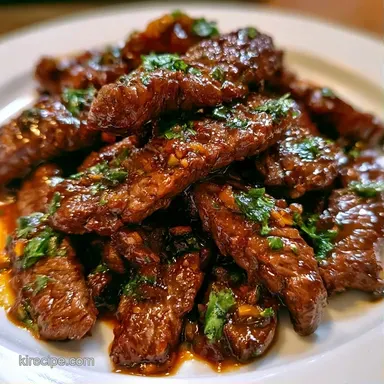
Quick Beef Stir Fry: Tender and Savory
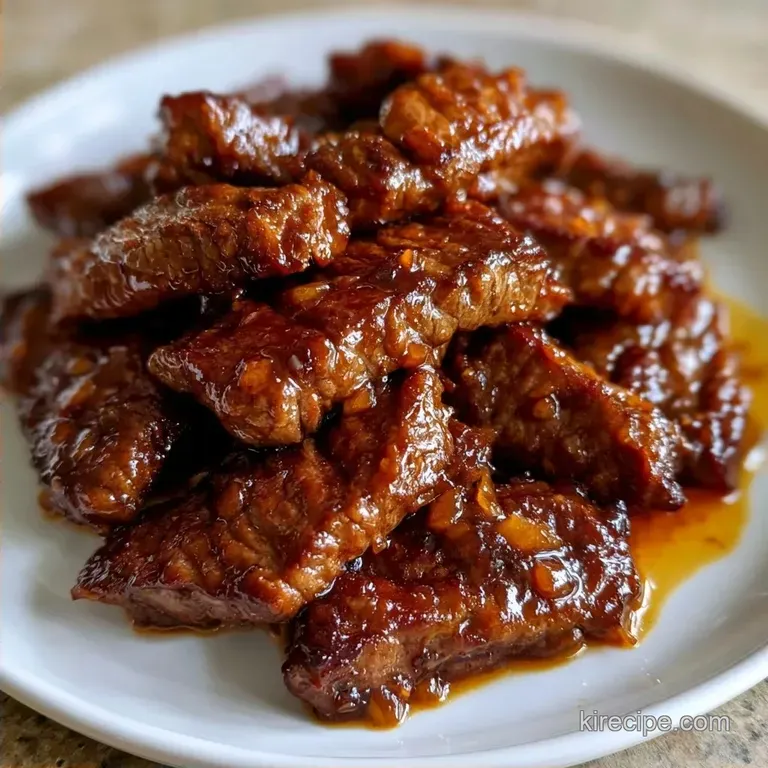
- Time: 15 min prep + 15 min cook = Total 45 mins
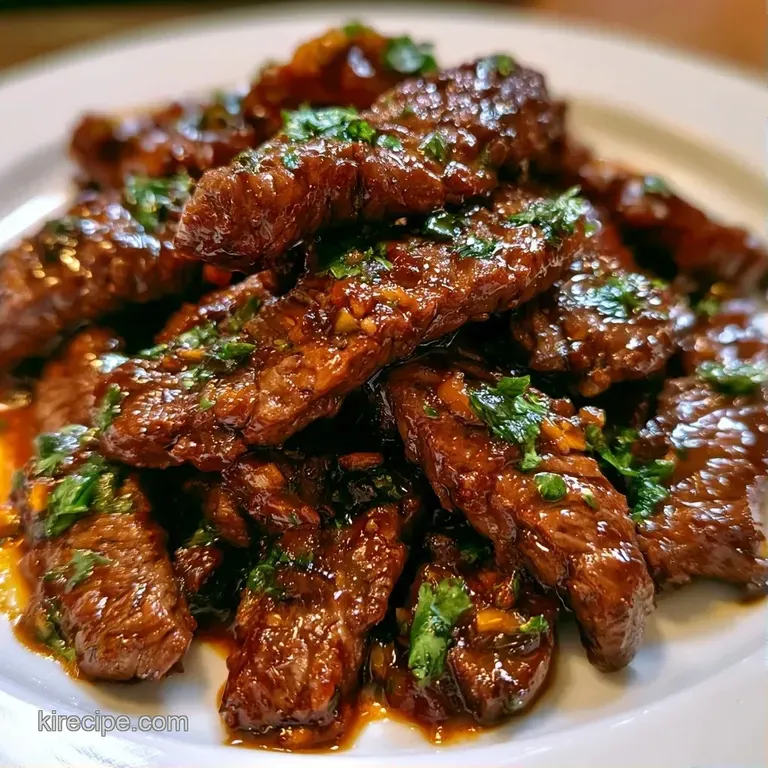
- Flavor/Texture Hook: Mahogany seared beef with a glossy, savory glaze
- Perfect for: Busy Tuesday nights when you want something better than a frozen meal
- Quick Beef Stir Fry for Weeknights
- Texture Secrets Explained
- Essential Flavor Components
- Necessary Kitchen Tools
- Step-by-Step Cooking Flow
- Fixing Common Cooking Errors
- Troubleshooting Common Issues
- Swaps and Flavor Twists
- Adjusting Your Portion Sizes
- Debunking Stir Fry Myths
- Keeping Leftovers Fresh
- Best Side Dish Pairings
- Critical in Sodium
- Recipe FAQs
- 📝 Recipe Card
Quick Beef Stir Fry for Weeknights
The sound of a hot wok is unmistakable, that aggressive hiss when the meat hits the oil. For the longest time, I believed the myth that you needed a 50,000 BTU commercial burner to get that restaurant style sear.
I remember one particular Friday where I tried to "force" my home stove to be hotter by using the smallest pan I owned. I ended up filling my kitchen with smoke, triggering the alarm, and producing beef that had the texture of a pencil eraser.
It turns out, the "secret" isn't the heat of the stove, but how you treat the protein before it ever touches the pan. Once I stopped obsessing over the burner and started focusing on the prep, everything changed. This Quick Beef Stir Fry is the result of those smoke filled failures. It's about using a few simple pantry staples to change the physical structure of the meat, making it tender enough to melt in your mouth while still keeping that charred, savory exterior.
You can expect a dish that hits every taste bud: salty soy, sweet brown sugar, and the sharp tang of rice vinegar. It's a fast paced process once the heat is on, so the goal here is "mise en place" - having everything chopped and ready.
If you try to chop your peppers while the beef is searing, you'll overcook the meat. Trust me on this, I've been there. Let's get into the flow of making a Quick Beef Stir Fry that actually works.
Texture Secrets Explained
If you've ever wondered why restaurant beef is so silky while home cooked beef is often chewy, it comes down to a few basic reactions. We aren't doing a chemistry project here, but knowing the "why" helps you avoid the rubbery trap.
- Fiber Relaxation: Baking soda raises the pH level on the surface of the meat, which prevents the proteins from bonding too tightly when heated. This keeps the beef from squeezing out all its moisture.
- Moisture Barrier: Cornstarch creates a thin, protective layer around each slice of beef. This locks in the juices and gives the sauce something to cling to, creating that glossy finish.
- Surface Area: Slicing against the grain cuts through the long muscle fibers. Shorter fibers mean less chewing for you and a more tender bite.
- Temperature Shock: Searing in a very hot pan creates a brown crust through a process of browning. This adds a deep, nutty flavor that you just can't get from simmering or boiling.
To get the best results, I highly recommend checking out the guide on velvetizing meat at [Serious Eats](https://www.seriouseats.com), which explains the traditional Chinese technique in more detail.
When deciding on your cooking method, remember that the pan choice changes the outcome. A wok is great, but a heavy cast iron skillet works just as well for most home cooks.
| Method | Prep Time | Texture | Best For |
|---|---|---|---|
| Stovetop Wok | 15 mins | High char, crisp veg | Authentic "breath of the wok" |
| Cast Iron Skillet | 15 mins | Even sear, velvety beef | Consistent heat control |
| Non Stick Pan | 15 mins | Lighter sear, softer beef | Easy cleanup, lower heat |
Most people think a non stick pan is the way to go for a Quick Beef Stir Fry, but you actually lose out on that deep mahogany color because they can't handle the same heat as steel or iron. If you have a cast iron, use it.
Essential Flavor Components
Before we start firing up the stove, let's look at what's actually happening in the bowl. Every ingredient in this Quick Beef Stir Fry has a job to do, and swapping them out without knowing why can throw off the balance.
| Ingredient | Science Role | Pro Secret |
|---|---|---|
| Baking Soda | Tenderizer | Use exactly 1/2 tsp; too much tastes metallic |
| Cornstarch | Thickener | Slurry it first to avoid clumps in the sauce |
| Rice Vinegar | Acid Balance | Cuts through the heaviness of the soy and oil |
| Toasted Sesame Oil | Aroma | Add at the end; high heat kills the flavor |
I've found that using a high-quality soy sauce makes a massive difference. If you're looking for something with a deeper, more fermented funk, try a bit of dark soy sauce for color. It doesn't change the salt level much, but it makes the beef look like it came from a professional kitchen.
The balance here is all about the "Umami" - that savory, fifth taste. The combination of soy and beef provides the base, while the ginger and garlic add the high notes that keep the dish from feeling one dimensional.
If you enjoy these bold flavors, you might also like my [Homemade Crunchwrap Supreme](https://kirecipe.com/recipes/homemade crunchwrap-supreme/) for another flavor packed dinner.
Necessary Kitchen Tools
You don't need a professional kitchen to nail this, but a few specific tools make the process way smoother. If you're missing something, don't panic, there's usually a workaround.
First, a large skillet or a wok. The key is surface area. If the pan is too small, the beef will crowd, the temperature will drop, and instead of searing, your meat will boil in its own juices. That's how you get gray beef. You want plenty of room for the meat to spread out and sizzle.
Second, a sharp chef's knife. Slicing sirloin thinly is the most important part of the prep. If your knife is dull, you'll tear the meat instead of slicing it, which ruins the texture. A pro tip: put the beef in the freezer for about 20 minutes before slicing.
It firms up the meat, making it much easier to get those paper thin strips.
Finally, a whisk or a small bowl for the sauce. Never pour your sauce ingredients directly into the pan one by one. The sugar might burn, or the cornstarch might clump. Whisk it all together in a bowl first so it's a smooth emulsion ready to hit the heat.
Step-by-step Cooking Flow
Right then, let's crack on with the actual cooking. Remember, the "Quick" in Quick Beef Stir Fry refers to the cooking time, not the preparation. Get your veggies chopped and your sauce mixed before you even touch the stove.
Prepping the Beef
- Slice the sirloin steak thinly against the grain. Note: This ensures the shortest muscle fibers for maximum tenderness.
- Toss the beef with 1/2 tsp baking soda, 1 tbsp soy sauce, and 1 tbsp cornstarch.
- Let the meat sit for 15 minutes at room temperature. until the cornstarch is fully absorbedNote: This is the "velveting" stage that prevents toughness.
Searing for Color
- Heat 1 tbsp vegetable oil in a large wok or skillet over high heat until the oil is shimmering and almost smoking.
- Add the beef in a single layer. Spread it out and let it sear for about 2 minutes per side until mahogany colored and crusty.
- Remove the beef to a plate immediately. Note: Don't leave it in the pan or it will overcook while you do the veggies.
Blistering the Vegetables
- Add another 1 tbsp oil to the same pan. Sauté the minced garlic and grated ginger for 30 seconds until fragrant but not brown.
- Toss in the red and green bell peppers and broccoli. Stir fry for 3-4 minutes until they are vibrant and crisp tender. Note: They should still have a "snap" to them.
Glazing to Perfection
- Return the cooked beef and any juices from the plate back into the pan.
- Pour in the whisked mixture of soy sauce, brown sugar, rice vinegar, sesame oil, cornstarch, and black pepper.
- Toss constantly for 1-2 minutes until the sauce thickens into a glossy glaze that coats every piece of beef.
- Garnish with sliced green onions and toasted sesame seeds.
Chef's Note: If you find your sauce is thickening too fast, add a tablespoon of water or beef broth. The goal is a velvety coating, not a sticky paste.
Fixing Common Cooking Errors
Even the best of us mess up a stir fry occasionally. Usually, it's a heat or timing issue. Because everything happens so fast, a mistake can happen in seconds.
Troubleshooting Common Issues
| Issue | Solution |
|---|---|
| Why Your Beef Is Gray | If your beef looks gray and boiled instead of brown and seared, you likely crowded the pan. When too much cold meat hits the pan at once, the temperature plummets. |
| Why Your Veggies Are Soggy | Soggy vegetables happen when they are cooked for too long or when too much sauce is added too early. The goal is "crisp tender. |
| Why the Sauce Is Lumpy | Lumps are almost always caused by adding cornstarch directly to hot liquid. Cornstarch needs to be fully dissolved in a cold or room temperature liquid before it hits the heat. |
Quick Fix Checklist:
- ✓ Did you slice against the grain?
- ✓ Is the oil shimmering before adding meat?
- ✓ Did you let the beef velvetize for 15 mins?
- ✓ Is the sauce whisked smooth before pouring?
- ✓ Did you remove the beef before adding vegetables?
Swaps and Flavor Twists
One of the best things about this Quick Beef Stir Fry is how adaptable it is. You don't have to stick strictly to the recipe if you have different things in your fridge.
For the protein, sirloin is the sweet spot for price and quality. However, flank steak or skirt steak work great too, provided you don't overcook them. If you use flank, you might want to increase the baking soda by a pinch since it's a tougher cut.
When it comes to the vegetables, feel free to swap the bell peppers for snap peas or carrots. Just remember the "hardest first" rule. Carrots take longer to cook than peppers, so they should go in the pan first.
If you're adding water chestnuts or bamboo shoots, add them at the very end as they only need to be warmed through.
| Original Ingredient | Substitute | Why It Works |
|---|---|---|
| Sirloin Steak | Flank Steak | Similar flavor, slightly tougher. Note: Must slice very thin |
| Brown Sugar | Honey | Adds a floral sweetness and more shine. Note: Slightly thicker |
| Rice Vinegar | Apple Cider Vinegar | Similar acidity profile. Note: Slightly fruitier taste |
| Broccoli | Bok Choy | Great crunch and absorbs sauce well. Note: Cook stems first |
If you're looking for a different kind of hearty dinner, my [Traditional Stuffed Cabbage](https://kirecipe.com/recipes/renee muller-s-stuffed cabbage/) is a fantastic alternative for those nights when you have more time to let things simmer.
For those wanting a lower carb version, you can swap the brown sugar for a monk fruit sweetener. Just be careful, as some sugar substitutes don't caramelize the same way, so the sauce might not get that deep mahogany color.
Adjusting Your Portion Sizes
Cooking for one is different than cooking for a crowd. You can't just multiply everything by four and expect it to work the same way in the same pan.
Scaling Down (Half Batch): When making a smaller portion, use a smaller skillet to maintain the heat. Reduce the cooking time for the vegetables by about 20% because they'll heat through faster. If you're using a single egg for a different version of this dish, beat it first and then measure out half.
Scaling Up (Double or Triple Batch): This is where most people fail. Do NOT double the beef and put it all in one pan. You will end up with a beef stew. Work in batches. Sear the beef in two or three turns, removing each batch to a plate. Only combine everything at the very end when adding the sauce.
Also, only increase the salt and cornstarch to about 1.5x the original amount; doubling them often makes the sauce too salty or too thick.
Baking Adaptations: While this is a stovetop dish, some people like to finish it in the oven. If you're doing a massive tray of stir fry, sear the beef and veggies on the stove, then transfer to a sheet pan and broil for 3-5 minutes at 400°F (200°C).
This gives it a charred finish without the risk of burning the bottom of the pan.
Debunking Stir Fry Myths
There are a few common beliefs about stir frying that actually hinder your progress in the kitchen. Let's set the record straight.
Myth 1: Searing "seals in" the juices. You'll hear this a lot, but it's not true. Searing creates flavor through browning, but it doesn't create a waterproof seal. Moisture loss happens regardless of how you sear.
The reason the beef stays juicy in this Quick Beef Stir Fry isn't the sear, but the cornstarch and baking soda that hold the moisture inside.
Myth 2: You must use a wok to get authentic results. While woks are designed for this, any heavy bottomed pan that can hold high heat will work. The "wok hei" (breath of the wok) is mostly about the rapid evaporation of moisture and the charring of sugars.
A cast iron skillet can achieve almost the same effect if you don't crowd the pan.
Myth 3: Higher heat always means better food. If your heat is too high, you'll burn the garlic and ginger in seconds, leaving a bitter taste in the entire dish. The trick is knowing when to use high heat (for the beef) and when to drop it slightly (for the aromatics).
Keeping Leftovers Fresh
Stir fry is one of those rare meals that actually tastes great the next day, provided you store it correctly. The sauce continues to marinate the meat and veggies in the fridge.
Fridge Storage: Place your Quick Beef Stir Fry in an airtight container. It will stay fresh for 3-4 days. To prevent the broccoli from getting too mushy, try to keep the sauce evenly distributed.
Freezer Storage: You can freeze this dish for up to 2 months. However, be warned that the vegetables, especially the bell peppers, will lose their "snap" and become softer upon thawing. I recommend freezing the beef and sauce but adding fresh vegetables when you reheat it.
Reheating: Avoid the microwave if you can. The microwave often makes the beef rubbery and the sauce watery. Instead, toss it back into a hot skillet with a teaspoon of water. Heat on medium high for 3-5 minutes, stirring constantly until the sauce becomes glossy again.
Zero Waste Tips: Don't throw away your broccoli stems! Peel the tough outer skin with a vegetable peeler, slice the tender inner core into thin rounds, and toss them in with the florets. They have a wonderful crunch and absorb the sauce perfectly.
Also, any leftover ginger or garlic can be minced and frozen in ice cube trays with a bit of oil for your next meal.
Best Side Dish Pairings
While this dish is a powerhouse on its own, it needs a base to soak up that glossy sauce.
The Classic Base: White jasmine rice is the gold standard here. Its floral aroma and neutral flavor balance the saltiness of the soy sauce. If you want something healthier, brown rice or quinoa works, though they add a nuttier flavor that changes the profile.
The Noodle Route: For a more filling meal, toss the Quick Beef Stir Fry with cooked udon or lo mein noodles. The thick, chewy texture of udon is particularly satisfying when coated in that savory glaze. Just be sure to undercook the noodles slightly, as they'll finish cooking in the pan with the sauce.
The Fresh Contrast: Since the stir fry is rich and savory, pair it with something bright. A simple smashed cucumber salad with rice vinegar, sesame oil, and a pinch of sugar provides a refreshing crunch that cuts through the richness of the beef.
Other Comfort Pairings: If you're having a "cheat day" and want a truly indulgent spread, you could serve this alongside a small portion of Creamy Homemade Mac and Cheese. While it's an unconventional pairing, the creamy cheese balances the salty sweet soy glaze in a way that's surprisingly addictive.
Critical in Sodium
1210 mg 1,210 mg of sodium per serving (53% 53% of daily value)
The American Heart Association recommends a daily sodium limit of no more than 2,300 mg, and ideally less than 1,500 mg for most adults to reduce the risk of cardiovascular disease.
Personalized Sodium Reduction Tips
-
Swap the Soy Sauce-30%
Replace regular soy sauce with low-sodium soy sauce or coconut aminos to drastically reduce the primary salt source in this dish.
-
Reduce Sauce Volume-20%
Use half the amount of soy sauce and supplement the volume with a splash of water or extra rice vinegar to maintain the sauce consistency.
-
Skip the Baking Soda-10%
Omit the baking soda used for velveting; instead, slice the steak even thinner against the grain to achieve tenderness without the added sodium.
-
Increase Vegetable Bulk-10%
Add extra broccoli and bell peppers to the stir fry to increase the serving size, which naturally lowers the sodium concentration per portion.
-
Amplify Natural Aromatics
Double the amount of fresh ginger and garlic or add red pepper flakes to enhance the flavor profile without needing extra salt.
Recipe FAQs
How to make an easy beef stir fry?
Toss sliced beef with baking soda, soy sauce, and cornstarch, then sear over high heat. Sauté the vegetables separately, combine everything with a thickened soy-ginger glaze, and garnish with sesame seeds.
How to make sure the beef stays tender?
Marinate the sliced sirloin with baking soda for 15 minutes. This velveting process breaks down tough muscle fibers to ensure the meat remains tender during the high heat sear.
Why is my beef gray instead of mahogany brown?
You likely crowded the pan. When too much meat hits the pan at once, the temperature plummets, causing the beef to steam in its own juices rather than sear.
Is stir fry ok for diabetics?
Yes, provided you monitor the sugar. Since this recipe uses brown sugar in the glaze, you can reduce or omit it to better manage blood glucose levels.
Is beef stir fry good for cholesterol?
Generally no, as beef contains saturated fats. To make this dish heart healthier, choose the leanest sirloin available and minimize the amount of vegetable oil used.
Why are my vegetables soggy?
They were cooked for too long. Sauté the bell peppers and broccoli for only 3-4 minutes to ensure they remain vibrant and crisp tender.
What are some variations for the sauce?
Add red pepper flakes or sriracha for extra heat. If you enjoy creating bold, velvety finishes, you'll love the technique used in our chipotle sauce recipe.
Quick Beef Stir Fry