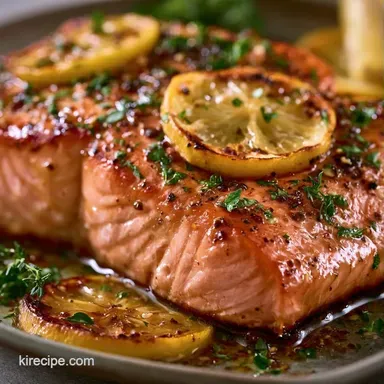
Roasted Lemon Herb Salmon: Silky and Bright
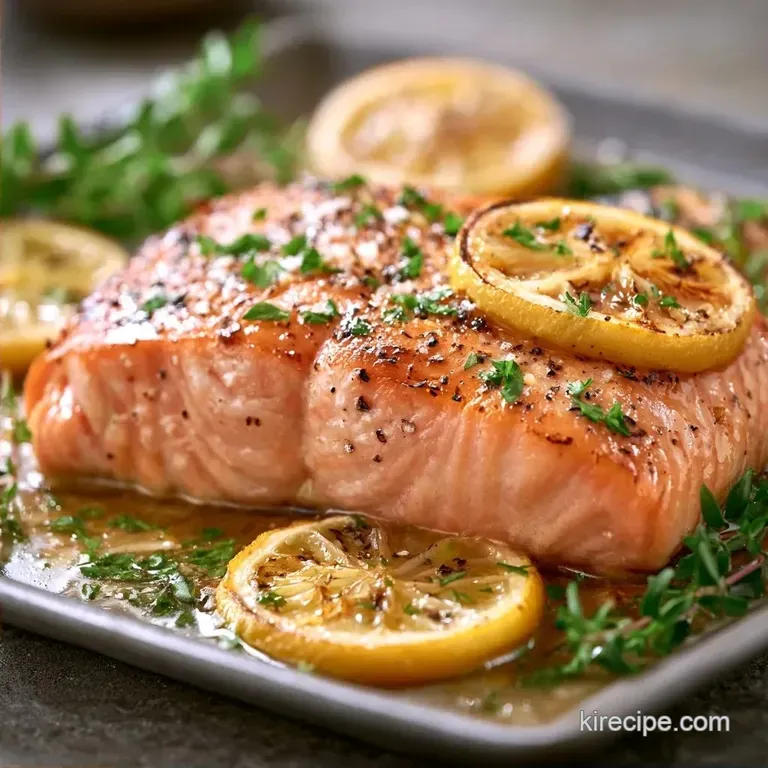
- Time: 10 min active + 15 min roasting = Total 25 mins
- Flavor/Texture Hook: Velvety herb coating with a shatter crisp edge
- Perfect for: Healthy weeknight fuel or a low carb dinner guest
- Roasted Lemon Herb Salmon
- Why the Texture Works
- Ingredient Deep Dive
- Gathering Your Essentials
- Required Kitchen Tools
- Step-by-Step Cooking
- Fixing Common Errors
- Troubleshooting Common Issues
- Flavor Variations
- Scaling the Portions
- Truth About Salmon Myths
- Storage and Scraps
- Serving Your Salmon
- Recipe FAQs
- 📝 Recipe Card
Did you know that the high fat content in salmon actually protects it from drying out, but only if you hit a very specific temperature window? It is a bit of a gamble every time you slide a fillet into the oven, wondering if you'll get that tender, melt in-your mouth texture or a dry piece of cardboard.
I remember the first time I tried to roast a whole side of fish for a family dinner. I followed a generic timer, ignored the internal temperature, and ended up with something that looked like a piece of driftwood. The aroma of the lemon was there, but the texture was a disaster.
That mistake taught me that salmon isn't about time, it's about the precise moment the proteins denature.
Now, I focus on the sensory cues. I wait for that specific sizzle of the butter and the way the flesh just barely starts to pull apart. This Roasted Lemon Herb Salmon is all about balance, using fresh acidity to cut through the rich omega-3s, giving you a meal that feels light yet totally satisfying.
Roasted Lemon Herb Salmon
The goal here is to treat the salmon as a canvas for the lemon and herbs. By using a combination of butter and olive oil, we get the flavor of the dairy and the high smoke point of the oil. This ensures the garlic doesn't burn before the fish is cooked through.
When you prepare this dish, you're looking for a result that's moist and vibrant. The fresh parsley and thyme don't just add color, they provide a grounded, earthy contrast to the sharp zing of the lemon. It is a nutritious way to get your protein without feeling weighed down by heavy sauces.
Since we are roasting at 400°F, the edges of the fillets get a slight caramelization. This creates a subtle contrast between the outer "crust" of herbs and the tender interior. It's a simple process, but the precision of the timing makes all the difference in the final result.
Why the Texture Works
- Fat Barrier: The butter oil blend coats the fish, preventing moisture from evaporating during the over high heat roast.
- Acidic Tenderizing: Lemon juice breaks down some of the surface proteins, allowing the herbs to adhere better.
- Thermal Carryover: Pulling the fish at 135°F allows the internal heat to rise a few more degrees while resting, ensuring a velvety center.
- over High heat Searing: The 400°F temperature triggers a quick exterior set, which helps the salmon maintain its shape.
| Method | Time | Texture | Best For |
|---|---|---|---|
| Oven Roast | 15 mins | Uniformly tender | Even cooking for 4+ fillets |
| Stovetop | 8 mins | Crispy skin, softer center | Single fillets, quick meals |
| Poaching | 12 mins | Extremely soft/silky | low-fat diets, salads |
Ingredient Deep Dive
| Ingredient | Science Role | Pro Secret |
|---|---|---|
| Salmon Fillets | Primary Protein | Pat bone dry for better butter adhesion |
| Unsalted Butter | Flavor Carrier | Use melted butter to emulsify with oil |
| Lemon Zest | Aromatic Punch | Zest before juicing for maximum oil extraction |
| Fresh Thyme | Earthy Balance | Strip leaves from the stem for a smoother coating |
Gathering Your Essentials
For the fish, you'll want high-quality fillets that are similar in thickness to ensure they cook at the same rate.
For the Salmon
- 1.75 lb salmon fillets Why this? Standard size for 4 balanced portions
- 1/2 tsp kosher salt Why this? Coarser grains distribute more evenly
- 1/4 tsp cracked black pepper Why this? Freshly cracked adds a floral heat
For the Lemon Herb Butter
- 3 tbsp unsalted butter, melted Why this? Adds richness and velvety mouthfeel
- 1 tbsp extra virgin olive oil Why this? Raises smoke point to prevent burning
- 3 cloves garlic, minced Why this? Provides a savory, pungent base
- 1 tbsp fresh lemon juice Why this? Cuts through the fat of the fish
- 1 tsp lemon zest Why this? Contains essential oils for deep aroma
- 1 tbsp fresh parsley, finely chopped Why this? Adds a fresh, grassy finish
- 1 tsp fresh thyme leaves Why this? Brings a subtle lemony earthy note
Required Kitchen Tools
You don't need a professional kitchen for this, but a few things make it way easier. I always use a rimmed baking sheet because the butter can bubble over, and nobody wants a smoky oven. Parchment paper is a non negotiable for me, as it prevents the salmon from sticking without needing a ton of extra grease.
A small whisk or a fork works for the butter mixture. If you have a meat thermometer, use it. According to Serious Eats, precise internal temperatures are the only way to guarantee salmon isn't overcooked, as every fillet varies in thickness.
Step-by-step Cooking
- Preheat your oven to 400°F (200°C) and line a large rimmed baking sheet with parchment paper. Note: Lining the pan prevents sticking and makes cleanup a breeze.
- Pat the salmon fillets completely dry with paper towels and season both sides with kosher salt and cracked black pepper. Note: Dry fish sears better and doesn't steam.
- In a small mixing bowl, whisk together the melted butter and extra virgin olive oil.
- Stir in the minced garlic, lemon juice, lemon zest, chopped parsley, and thyme leaves until the herbs are evenly suspended.
- Place the salmon on the prepared baking sheet, skin side down.
- Spoon the lemon herb butter mixture generously over each fillet, ensuring the edges are well coated.
- Roast for 12–15 minutes until the internal temperature reaches 135°F (57°C) and the flesh flakes easily with a fork.
- Remove from the oven and let the fish rest for 5 minutes before serving. Note: This allows the juices to redistribute for a more tender bite.
Fixing Common Errors
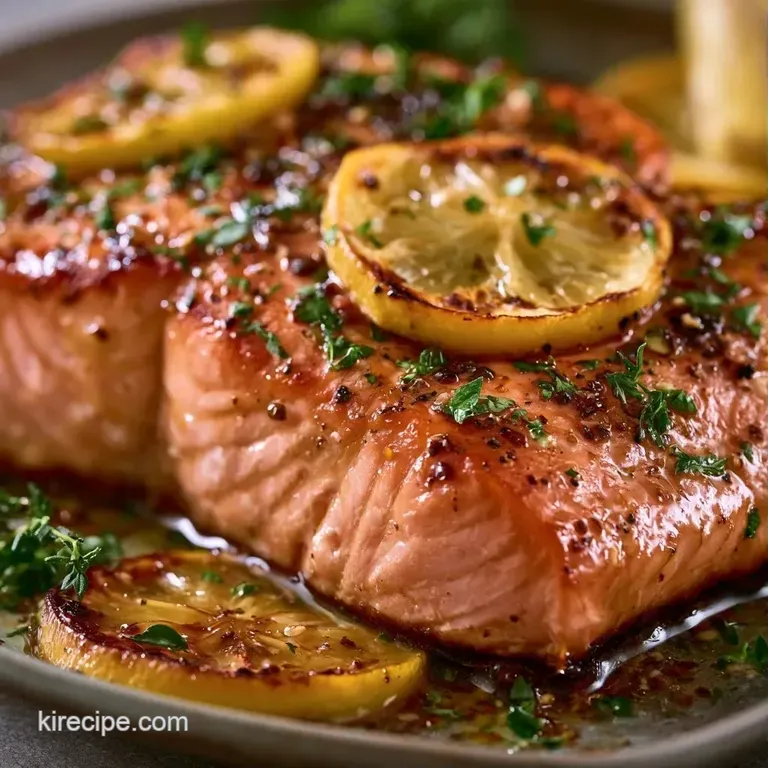
One of the biggest issues I see is the "white stuff" (albumin) leaking out of the salmon. This is just protein pushing out because the fish is cooking too fast or too hot. While it's safe to eat, it's not the prettiest look.
Troubleshooting Common Issues
| Issue | Solution |
|---|---|
| Why Your Salmon is Dry | This usually happens when the fillets are thin or the oven is too hot. If you leave it in until it hits 145°F in the oven, it will be overdone by the time it hits the plate. |
| Why the Garlic Burned | If your garlic is minced too finely or the oven is uneven, the garlic can turn bitter and black. |
| Why the Skin Stuck | Even with parchment, some skin sticks. The trick is to make sure the pan is fully preheated or the skin is patted completely dry before it hits the surface. |
Common Mistakes Checklist
- ✓ Patting fillets dry with paper towels before seasoning
- ✓ Using a meat thermometer instead of relying on a timer
- ✓ Mixing herbs into the fat for even distribution
- ✓ Allowing the fish to rest for 5 minutes after roasting
- ✓ Checking for a 135°F internal temperature
Flavor Variations
If you're feeling adventurous, you can easily swap the herbs. I love using dill instead of parsley for a more traditional Nordic vibe. For a bit more heat, a pinch of red pepper flakes in the butter mixture adds a nice kick that complements the lemon perfectly.
If you want a richer finish, you could drizzle some Lemon Beurre Blanc Sauce over the top after roasting. For a punchier, zesty vibe, look at my lemon pepper wing sauce for inspiration on how to push those citrus notes even further.
Adding Roasted Vegetables
You can make this a one pan meal by adding asparagus or thin sliced zucchini to the baking sheet. Just toss them in a bit of olive oil and salt first. Since they take about the same time as the salmon, they'll roast to a perfect tender crisp.
Making it dairy-free
Replace the melted butter with melted coconut oil or a vegan butter alternative. The flavor changes slightly to a nuttier profile, but the moisture locking mechanism remains the same.
| If you want... | Do this... | Result |
|---|---|---|
| More Punch | Add 1 tsp Dijon mustard | Tangy, thicker coating |
| Earthier Tone | Use fresh Sage and Rosemary | Woodsy, autumn inspired flavor |
| Lighter Feel | Replace butter with more Olive Oil | Cleaner, more Mediterranean taste |
Scaling the Portions
When you're cooking for a crowd, don't just double the time. The oven temperature stays the same, but you need to ensure there is enough space between the fillets on the pan. If they are crowded, they will steam instead of roast, and you'll lose that beautiful herb crust.
For larger batches (8+ fillets), work in two batches. If you must do it all at once, use two separate baking sheets and rotate them halfway through the cooking time. For a single fillet, reduce the cooking time by about 20%, as smaller pieces heat through much faster.
Be careful with the salt when scaling up. I find that increasing salt by 1.5x instead of 2x usually works better, as the fish can easily become too salty when the surface area is large.
Truth About Salmon Myths
One big misconception is that you need to "sear the fish to seal in the juices." This is actually a myth. Searing creates a flavor crust, but it doesn't create a waterproof seal. Moisture loss happens regardless of how you start the cook, which is why the internal temperature is the only metric that actually matters.
Another myth is that you should always cook salmon until it is opaque all the way through. In reality, salmon is often better and more nutritious when it is slightly translucent in the very center. This keeps the fats intact and the texture velvety.
Storage and Scraps
Store your leftovers in an airtight container in the fridge for up to 3 days. When reheating, avoid the microwave if you can. A low temp oven (about 275°F) for 5-10 minutes is the best way to warm it without drying it out.
This dish doesn't freeze well because the texture of the cooked fish becomes rubbery upon thawing.
To keep things zero waste, don't throw away your lemon peels. You can freeze the zest or use the peels to infuse olive oil for a future recipe. If you have leftover herb butter, it's great melted over sautéed spinach or tossed with some pasta.
Serving Your Salmon
This Roasted Lemon Herb Salmon is a powerhouse of nutrition, so I like to pair it with sides that keep that feeling of freshness. A simple quinoa salad or a heap of steamed broccolini works perfectly. The acidity of the lemon in the fish complements the natural sweetness of roasted carrots or parsnips.
For a more filling meal, serve it over a bed of wild rice. The nutty flavor of the rice acts as a great base for the melted herb butter that drips off the fish. A final squeeze of fresh lemon juice right before eating wakes up all the flavors and gives the dish a professional, bright finish.
Recipe FAQs
Is roasted lemon herb salmon a good quick dinner option?
Yes, it takes only 25 minutes from start to finish. It is an ideal weeknight meal because it requires minimal preparation and uses a single pan.
How to roast the salmon for the best results?
Preheat your oven to 400°F (200°C) and roast for 12 15 minutes. Pull the fillets from the oven once the internal temperature reaches 135°F (57°C).
Why did my salmon turn out dry?
You likely overcooked the fillets. If the fish reaches 145°F while still in the oven, carryover cooking will make it too dry by the time it reaches the plate.
What pairs well with this roasted salmon?
Light, fresh sides are the best choice. For a bold flavor contrast, you can serve it with a pepper sauce.
Is it true that salmon skin always sticks to the pan?
No, this is a common misconception. Patting the fillets completely dry and using parchment paper effectively prevents the skin from sticking.
How to store and reheat leftovers?
Store in an airtight container in the fridge for up to 3 days. Reheat in an oven at 275°F for 5 10 minutes to avoid the rubbery texture caused by microwaving.
How to keep the garlic from burning in the oven?
Avoid mincing the garlic too finely. Keeping the pieces slightly larger and ensuring they are well coated in the butter mixture protects them from turning bitter.
Roasted Lemon Herb Salmon