Lemon Beurre Blanc Sauce Recipe
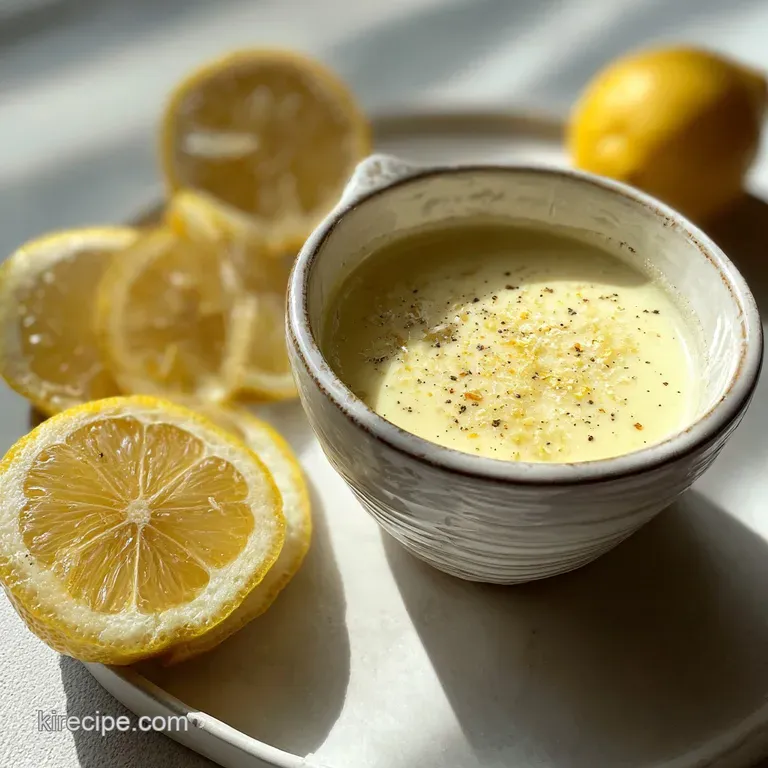
- Time: Active 10 minutes, Passive 5 minutes, Total 15 minutes
- Flavor/Texture Hook: Tangy, velvety citrus glaze
- Perfect for: Quick weeknight seafood or fancy date night steak
- Why This Velvety Lemon Beurre Blanc Sauce Recipe Wins Every Time
- Quick Glance at Timing and Your Decision Shortcut
- The Minimal Elements Required for a Restaurant Style Finish
- Fuss Free Tools for Achieving a Silky Smooth Texture
- Executing the Perfect Lemon Beurre Blanc Sauce Recipe Step-by-Step
- Fixing Broken Emulsions and Achieving the Right Consistency
- Scaling the Recipe for Any Crowd
- Flavor Myths Debunked
- Storage Secrets and Zero Waste Tips for Leftover Sauce
- The Best Ways to Serve Your Homemade Citrus Sauce
- Lemon Beurre Blanc Sauce Recipe FAQs
- 📝 Recipe Card
Why This Velvety Lemon Beurre Blanc Sauce Recipe Wins Every Time
The first time I tried making a beurre blanc, I was terrified. I’d heard horror stories about the sauce splitting into a greasy mess or turning into a puddle of melted butter. I remember standing over the stove, whisking like my life depended on it, watching the wine reduction bubble and hiss.
But then, as I whisked in those cold cubes of butter, the magic happened. The liquid turned from a clear gold into a thick, pale, ivory silk that coated the back of my spoon perfectly.
That was the moment I realized that this lemon beurre blanc sauce recipe isn't about being a master chef; it’s about understanding a few simple movements. It’s the ultimate trick for busy cooks who want to turn a plain piece of pan seared fish or a simple chicken breast into something that feels like it cost fifty dollars.
It has that bright, zingy punch from the lemon and the deep, savory comfort of high-quality butter.
Trust me, once you see how easy it is to get that glossy sheen, you’ll be looking for excuses to drizzle it over everything in your kitchen. We’re skipping the long winded traditional methods and sticking to what actually works on a Tuesday night when the kids are hungry and you want something flavor packed without the fuss.
The Physics of the Emulsion Dance
Stabilization Mechanism: The heavy cream acts as an insurance policy by providing extra proteins that prevent the fat from separating from the liquid. As you whisk, you are forcing tiny fat droplets to suspend in the wine reduction, creating a permanent, velvety structure.
- Fat Suspension: Cold butter melts slowly, allowing the milk solids to surround the fat droplets before they can merge back together.
- Acid Balance: The lemon juice breaks through the heavy fat molecules, keeping the palate refreshed rather than weighed down.
- Thermal Consistency: Keeping the pan on low heat ensures the emulsion doesn't "break" or curdle from excessive heat.
- Flavor Layering: Reducing the wine and shallots first concentrates the aromatics into a potent syrup that anchors the butter.
| Aspect | Fast Weeknight Method | Classic French Technique |
|---|---|---|
| Stabilizer | Heavy cream added for safety | Only butter and reduction |
| Risk Level | Low (almost never splits) | High (requires precise temp) |
| Total Time | 15 minutes | 30-45 minutes |
Keep in mind that the heavy cream isn't just for flavor; it's your safety net. If you’ve ever struggled with sauces separating, this addition is the secret that makes this recipe foolproof.
Quick Glance at Timing and Your Decision Shortcut
Getting the timing right is the difference between a sauce that’s a liquid gold masterpiece and one that's just... well, melted butter. You need your butter to be cold straight out of the fridge cold when it hits the pan.
If the butter is room temp, the fat will leak out too fast and the sauce will break.
Chef’s Tip: Freeze your butter cubes for 10 minutes before you start. This extra chill gives you a much wider window of error when you're whisking.
- If you want a richer finish, use a high fat European butter (like Kerrygold) which has less water content.
- If you want a lighter sauce, increase the lemon juice by 1 tablespoon and skip the salt until the very end.
- If you want a thicker glaze, reduce the wine and cream by half an extra minute before adding butter.
The Minimal Elements Required for a Restaurant Style Finish
We aren't using a massive list of ingredients here because we want the lemon to shine. Every component serves a specific structural purpose. If you love creamy seafood dishes like my Olive Garden Shrimp recipe, you’ll realize a good sauce is everything for the final presentation.
Component Analysis
| Ingredient | Science Role | Pro Secret |
|---|---|---|
| Cold Butter | Solid fat for emulsion | Must be unsalted to control the final seasoning perfectly. |
| Dry White Wine | Acidic base and solvent | Use something you'd actually drink; the flavor concentrates significantly. |
| Heavy Cream | Protein stabilizer | Prevents the sauce from breaking if the heat gets too high. |
| Shallots | Aromatic backbone | Mince them so finely they almost melt into the sauce. |
Ingredients & Substitutes
- 2 tablespoons shallots, minced finely: Why this? Provides a subtle onion garlic sweetness without overpowering the citrus. (Sub: White part of green onions)
- 0.5 cup dry white wine: Why this? Sauvignon Blanc adds the best herbaceous notes to the reduction. (Sub: Extra chicken stock with a splash of white wine vinegar)
- 3 tablespoons fresh lemon juice: Why this? Freshness is mandatory; bottled juice is too bitter for this. (Sub: Lime juice for a tropical twist)
- 2 tablespoons heavy cream: Why this? The "glue" that keeps the butter and wine together. (Sub: Crème fraîche for extra tang)
- 1 cup unsalted butter, chilled: Why this? Provides the velvety texture and luxurious mouthfeel. (Sub: Vegan butter sticks though it may be thinner)
- 0.25 teaspoon kosher salt: Why this? Sharpens all the other flavors. (Sub: Sea salt)
- 1 pinch white pepper: Why this? Keeps the sauce looking pristine without black specks. (Sub: Fine ground black pepper)
- 1 tablespoon fresh chives or parsley: Why this? Adds a pop of color and fresh herbal finish. (Sub: Fresh tarragon)
Fuss Free Tools for Achieving a Silky Smooth Texture
You don't need a kitchen full of gadgets, but two things are non negotiable: a heavy bottomed saucepan and a high-quality whisk. A thin pan will have hot spots that can scorch the shallots or cause the butter to separate instantly.
I prefer using a small stainless steel saucier because the rounded bottom makes it impossible for the shallots to get stuck in the corners. While this is more refined than a Burger King Royal recipe, the goal is the same: a perfectly smooth, spreadable consistency.
- Small Saucepan: 1 quart or 2 quart size is best for this volume.
- Wire Whisk: A balloon whisk or a silicone whisk if using non stick.
- Fine Mesh Strainer: Optional, but recommended if you want a glass like finish without shallot bits.
- Sharp Knife: To get those shallots as small as possible.
Executing the Perfect Lemon Beurre Blanc Sauce Recipe step-by-step
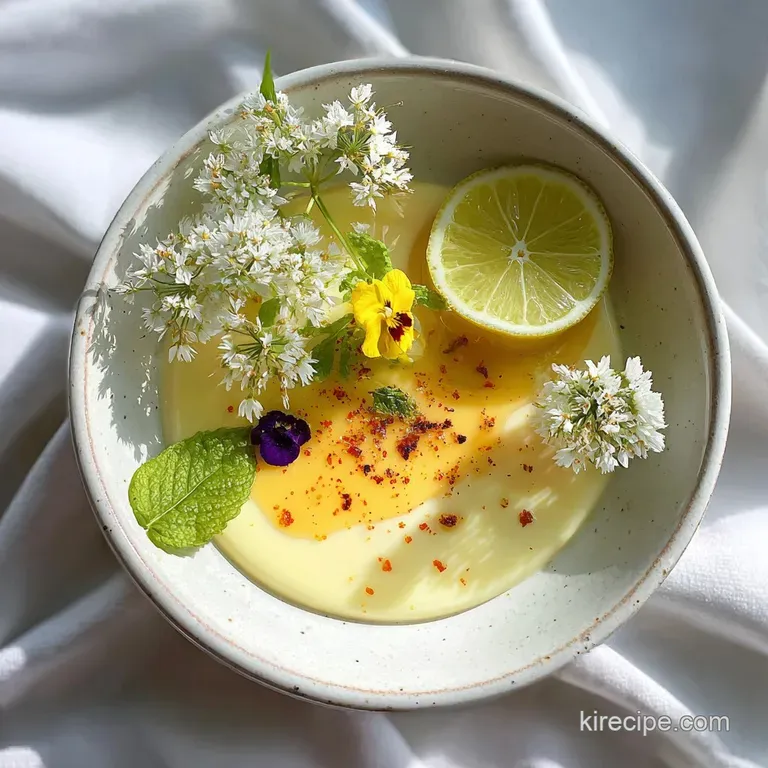
Phase 1: The Flavor Reduction
- Place the minced shallots, white wine, and lemon juice in your saucepan over medium high heat.
- Bring the mixture to a simmer until the liquid reduces to about 2 tablespoons. Note: This creates a concentrated syrup that carries all the flavor.
- Add the 2 tablespoons of heavy cream to the reduction.
- Boil for 1 minute until the bubbles look thick and syrupy.
Phase 2: Mounting the Butter
- Turn the heat down to the lowest possible setting (or even move the pan half off the burner).
- Add 2 cubes of the chilled butter. Whisk constantly until the butter is mostly melted.
- Continue adding the butter, 2 cubes at a time, whisking vigorously. Note: Don't let the sauce boil now; you want the butter to soften into the liquid, not melt into oil.
- Once all the butter is incorporated, the sauce should look opaque, pale, and thick.
Phase 3: The Final Polish
- Remove the pan from the heat immediately.
- Whisk in the kosher salt and white pepper. Taste it it should be bright and zingy.
- If you want a perfectly smooth sauce, pour it through a fine mesh strainer into a warm bowl.
- Stir in the fresh chives or parsley right before serving over your dish.
Fixing Broken Emulsions and Achieving the Right Consistency
It happens to the best of us. You get distracted by a text, the heat climbs too high, and suddenly your beautiful ivory sauce looks like a yellow puddle of oil. Don't throw it out! Most of the time, it's a temperature issue.
Fixing a Broken Sauce
If the sauce separates, remove it from the heat immediately. Add one teaspoon of cold heavy cream and whisk like crazy. If that doesn't work, place a fresh teaspoon of cream in a clean pan, bring it to a simmer, and slowly whisk the broken sauce back into the new cream. It works every time.
| Problem | Root Cause | Solution |
|---|---|---|
| Sauce is oily/separated | Heat was too high or butter added too fast | Whisk in a splash of cold cream off the heat. |
| Sauce is too thin | Liquid wasn't reduced enough | Simmer for 1-2 more mins before adding butter next time. |
| Flavor is too sour | Too much lemon/wine reduction | Whisk in an extra tablespoon of cold butter to mellow it. |
Common Mistakes Checklist
- ✓ Never use room temperature butter; it melts too quickly to emulsify.
- ✓ Don't walk away during the reduction phase; it can burn in seconds.
- ✓ Avoid using a dark colored pan; you won't be able to see the color change of the reduction.
- ✓ Don't skip the cream if you are a beginner; it’s your best defense against splitting.
- ✓ Always use a low heat setting once the butter starts going in.
Scaling the Recipe for Any Crowd
When scaling this lemon beurre blanc sauce recipe, remember that the reduction time changes. If you double it, the wine will take longer to boil down, but the science of the butter addition remains the same.
- To Scale Down (1/2 batch): Use a very small pan so the liquid doesn't evaporate too fast. Reduce the wine to 1/4 cup and use 1/2 cup butter.
- To Scale Up (2x batch): Use 1 cup wine but keep the cream at 3 tablespoons. Only increase salt and pepper to 1.5x to avoid over seasoning.
- Professional Trick: If making a large batch for a party, keep the finished sauce in a pre warmed thermos. It will stay perfectly emulsified for up to 2 hours without you having to mind the stove.
| Feature | Original (6 servings) | Shortcut Version | Difference |
|---|---|---|---|
| Shallot Prep | Finely minced | Garlic powder pinch | Less texture, faster prep |
| Wine Choice | Sauvignon Blanc | Chicken Broth + Vinegar | Less depth, pantry friendly |
| Finish | Strained | Unstrained | More rustic, saves 3 minutes |
Flavor Myths Debunked
Many people believe you must use a specific, expensive French butter for this to work. That's simply not true. While higher fat content helps with the "velvety" feel, standard grocery store unsalted butter will produce a fantastic result as long as it's cold.
Another common myth is that you can't reheat beurre blanc. While it's tricky, you actually can! You just can't microwave it. To reheat, place the sauce in a bowl over a pot of simmering water (a bain marie) and whisk gently until it's warm. If you hit it with direct high heat, it will turn back into oil instantly.
Storage Secrets and Zero Waste Tips for Leftover Sauce
Storage Guidelines: This sauce is best served immediately, but you can store it in an airtight container in the fridge for up to 3 days. It will solidify into a flavored butter. Do not freeze this sauce; the emulsion will completely shatter upon thawing, leaving you with a grainy mess.
Zero Waste Tips: If you have leftover sauce that has solidified in the fridge, don't throw it out. Use it as a "compound butter" for sautéing vegetables the next night. It’s incredible tossed with steamed asparagus or used to finish a pan of sautéed spinach.
You can even smear the cold leftover sauce on a piece of crusty bread before toasting it for the best garlic lemon toast of your life.
If you have leftover shallots, mince them all at once and freeze them in an ice cube tray with a little olive oil for your next Kung Pao Sauce recipe or stir fry.
The Best Ways to Serve Your Homemade Citrus Sauce
This lemon beurre blanc sauce recipe is a chameleon. While it's a classic for fish, its bright profile works with surprisingly many dishes.
- Seafood and Fish: This is the gold standard. Pour it over pan seared scallops, poached salmon, or grilled sea bass. The acid cuts right through the fatty fish.
- Poultry and Meat: Try it over a grilled chicken breast or even a lean filet mignon. It adds a sophisticated brightness that heavy gravies can't match.
- Vegetables: Drizzle it over roasted artichokes, steamed broccoli, or grilled leeks. It turns a side dish into the star of the show.
- Pasta: Toss it with some angel hair pasta and a few red pepper flakes for a fast, luxurious dinner. It’s a great alternative to a Ground Beef Pasta recipe when you want something lighter.
By mastering this one simple sauce, you've essentially unlocked the secret to high end restaurant cooking in your own home. It’s fast, it’s fuss free, and it makes you look like a pro every single time. Now, grab that whisk and let’s get cooking!

Lemon Beurre Blanc Sauce Recipe FAQs
What is lemon beurre blanc sauce?
It's a classic French butter sauce. This tangy, velvety sauce is made by emulsifying butter into a reduction of white wine and lemon juice, often with shallots. It's known for its bright, rich flavor and smooth texture, perfect for seafood and poultry.
What is the secret to making beurre blanc?
The key is controlling the heat and adding cold butter gradually. Whisking cold, cubed butter into a wine reduction over very low heat creates a stable emulsion. Adding a touch of heavy cream also significantly increases its stability and makes it more forgiving for beginners.
What is beurre blanc sauce made of?
It's primarily made of butter and a reduced liquid base. The classic ingredients include cold unsalted butter, dry white wine, lemon juice, and finely minced shallots. Some modern recipes, like this one, also add a small amount of heavy cream for extra stability.
What kind of butter is best for beurre blanc?
Use high-quality, unsalted butter, preferably European style. European butters typically have a higher fat content and less water, which helps create a richer, smoother sauce. Always ensure it's well chilled for proper emulsification.
Can I make beurre blanc ahead of time?
Yes, but with limitations. The sauce is best served immediately, but you can keep it warm in a thermos for up to 2 hours. If refrigerated, it will solidify and needs careful reheating over a double boiler to avoid breaking.
My beurre blanc broke, what do I do?
Don't panic; you can usually fix it. Remove the separated sauce from the heat. Add a teaspoon of cold heavy cream or a little cold water and whisk vigorously. If that doesn't work, warm a clean teaspoon of cream or water in a separate pan and slowly whisk the broken sauce into it.
How do I make the sauce thicker?
Reduce the wine and cream base longer before adding butter. Simmering the initial liquid reduction for an extra minute or two will thicken the base. Alternatively, you can whisk in an extra cube of cold butter very slowly at the end, though this might slightly alter the lemon flavor.
Lemon Beurre Blanc Sauce
Ingredients:
Instructions:
Nutrition Facts:
| Calories | 298 kcal |
|---|---|
| Protein | 0.6g |
| Fat | 32g |
| Carbs | 1.8g |
| Fiber | 0.1g |
| Sugar | 0.8g |
| Sodium | 105mg |
