Pillsbury Crescent Roll Chicken Pot Pie in 45 Minutes
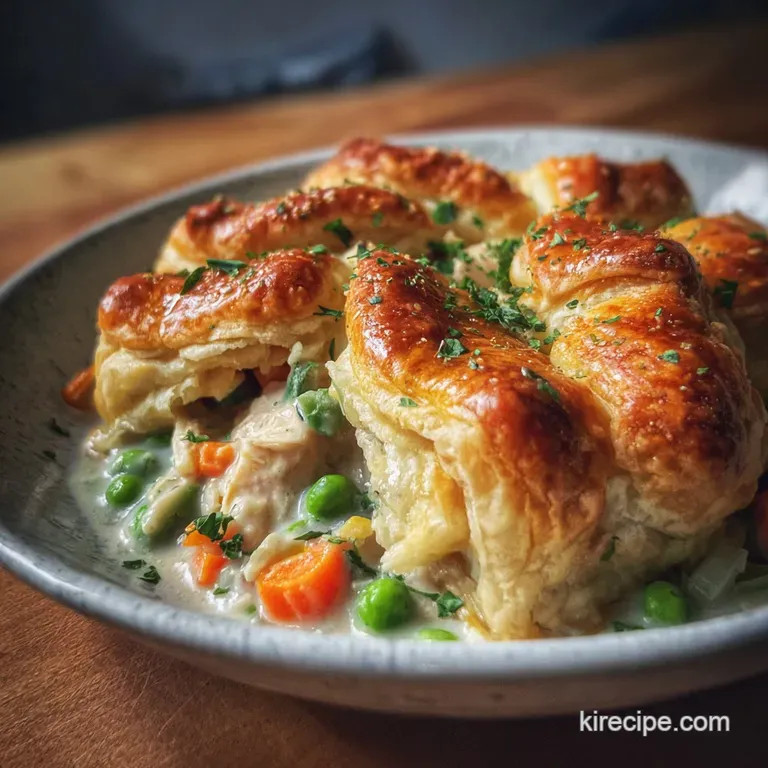
- Time: 25 min active + 20 min baking
- Flavor & Texture: Rich, creamy filling with a shattered glass crisp crust
- Perfect for: Stressful weeknights or cozy rainy-day dinners
Picture a rainy Tuesday evening. The children are restless, and you're craving something heartwarming that doesn't take half the night to prepare. This shortcut pot pie is the solution. You enjoy all the nostalgic warmth of a classic bake without waiting hours for a crust to chill or struggling with a rolling pin.
The real appeal is how the buttery dough reacts to the oven. It rises and browns rapidly, providing a light, crisp contrast to the dense, savory center. It's an efficient method for serving a meal that looks like it took hours of careful preparation.
The secret lies in the sauce. We create a fast-acting base to keep the filling thick and stable, preventing any watery buildup at the bottom of the dish. The result is a perfectly balanced combination of savory chicken, sweet peas, and a golden, salted crust.
Pillsbury Crescent Roll Chicken Pot Pie Specs
This dish is designed for speed. By using pre-cooked chicken and refrigerated dough, we cut the active work down to a few minutes of sautéing and whisking. It's a high-reward meal that fits into a busy schedule.
| Feature | Fast Shortcut Method | Classic From Scratch |
|---|---|---|
| Crust Prep | 2 mins (unroll) | 45 mins (chill/roll) |
| Filling Base | Quick pan roux | Slow-simmered base |
| Total Time | 45 minutes | 2+ hours |
Right then, let's get into the gear you'll need to make this happen.
The Filling Components
The heart of this dish is the sauce. We start with a roux, which is just butter and flour cooked together. This creates a stable structure that holds the heavy cream and broth in place. Without this, the sauce would break, leaving you with an oily mess.
The chicken needs to be pre-cooked. Whether you use a rotisserie bird or leftover breasts, the goal is a tender bite. We use frozen mixed vegetables because they maintain a better color and "snap" after baking compared to canned versions, which can get mushy.
The dough provides the lift. These crescent rolls are designed to expand rapidly. When we pinch the seams together, we create a single, cohesive sheet that traps the steam from the filling. This steam helps cook the underside of the dough while the oven heat browns the top.
Tools You'll Need
Standard kitchen gear is all you need. A handful of basic essentials will do the job.
- Large Skillet: Opt for a wide base to ensure the flour cooks uniformly and stays clump-free.
- Whisk: This is essential for quickly stirring the broth into the roux to prevent lumps.
- 9x13 Inch Baking Dish: Glass or ceramic options are ideal for consistent heat distribution.
- Instant Read Thermometer: Use this to verify the center reaches the recommended USDA temperature.
- Pastry Brush: For brushing melted butter over the crust.
Making the Pot Pie
Use these instructions to achieve a perfect golden result.
Phase 1: Sautéing the Aromatics
- Set your oven to 190°C (375°F).
- In a large pan over medium heat, melt 115g of unsalted butter.
- Toss in the diced onion and cook for 3-5 minutes until softened and clear.
- Mix in the minced garlic and dried thyme for 60 seconds until the aroma fills the room.
Phase 2: Building the Sauce
- Dust 40g of all-purpose flour over the butter-onion mixture. Whisk continuously for 2 minutes until it becomes a bubbling golden paste. Note: This step ensures the raw flour taste is gone.
- Gradually stir in 480ml of chicken broth, whisking steadily until the liquid is creamy and smooth.
- Add 120ml of heavy cream and simmer for 3-5 minutes until the sauce is glossy and velvety.
Phase 3: Folding in the Hearty Fillings
- Gently stir in 450g of cooked chicken and 300g of thawed peas and carrots.
- Season with 5g of salt and 3g of black pepper.
- Transfer the contents to a 9x13 inch baking dish, smoothing it out to the edges.
Phase 4: Applying the Crescent Crust
- Roll out the crescent dough and pinch the seams together to create a single sheet.
- Place the dough over the filling, pressing the sides to seal.
- Coat the top with 15g of melted butter.
- Bake for 15-20 minutes until the top is deep golden brown and the filling bubbles. Verify the internal temperature is 74°C (165°F).
Fixing Common Issues

Even with a simple recipe, a few things can go sideways. Here is how to handle them.
Fixing a Soggy Crust
This usually happens if the filling is too thin or too hot when you add the dough. Make sure your sauce has thickened in the skillet before pouring it into the dish. If you're worried, let the filling sit for 5 minutes before topping it with the dough.
Preventing Burnt Edges
If the edges of your crust are browning faster than the center, tent the edges with a small piece of aluminum foil. This blocks the direct heat while the middle continues to bake. It's a quick fix that saves the look of the dish.
Handling Sauce Separation
If the sauce looks oily, it means the roux wasn't cooked long enough or the cream was added too quickly. To fix this in the future, whisk the broth in slowly. If it happens now, a vigorous stir before baking can sometimes bring it back together.
Twist Your Flavors
You can easily swap ingredients to change the vibe of the meal.
- The Turkey Version: Use leftover roast turkey and swap the thyme for sage. It tastes like Thanksgiving in 45 minutes.
- The Veggie Boost: Add diced celery and sliced mushrooms during the sauté phase for more depth.
- The Spicy Kick: Stir in a pinch of cayenne pepper or a few drops of hot sauce into the cream.
- The Cheesy Version: Fold in a handful of shredded sharp cheddar or parmesan right before pouring the filling into the dish.
For a more intense flavor base, you can swap store-bought broth for a homemade Chicken Noodle Soup Stock, which adds a richer, more traditional taste.
Storage and Freshness
Leftovers are delicious, though the crust's texture will shift over time.
Fridge Storage Store remaining slices in a tightly sealed glass container. Keep them chilled for three or four days. The crust will likely soften as it draws moisture from the sauce.
Freezer Storage The baked pie can be frozen for a maximum of 2 months. Wrap individual portions in foil and place them in a freezer bag.
Zero Waste Tips Don't throw away any extra crescent dough. Twist it into small knots, brush with butter, and bake them as side rolls. For leftover garlic or onion, mince them and freeze them in ice cube trays with olive oil for your next sauté.
Plating and Serving
Because this is a casserole-style bake, the simplest way to serve it is by scooping.
The Perfect Scoop Use a wide spatula to slice the pie into six equal rectangles. Support the piece from the bottom to ensure the crust stays intact. For a professional finish, garnish the top with a sprinkle of fresh chives or parsley.
Side Pairings Since this is a rich dish, balance it with something refreshing. A zesty arugula salad with a citrusy dressing or some steamed green beans help cut through the butter. If you want a dip for the crispy edges, a dollop of Red Lobster Tartar Sauce adds a tangy contrast that works surprisingly well.
Why the Crust Works
This recipe relies on two key reactions that occur while baking.
Trapping the Steam By sealing the crescent dough over the filling, you create a built-in steam chamber. Vapors from the broth and chicken rise to steam the dough from beneath, ensuring a fluffy interior, while the dry oven heat browns the exterior.
The Richness Layer A "butter on-butter" synergy happens when you brush melted butter onto a dough already rich in fat. This accelerates the browning process and produces a delicate, shattering crust similar to a professional pastry.
Alternative Ingredients Use this guide if you need to swap any ingredients:
| Original Ingredient | Substitute | Why It Works |
|---|---|---|
| Heavy Cream (120ml) | Full-fat Coconut Milk (120ml) | Comparable fat levels. Note: Introduces a hint of coconut |
| Chicken Broth (480ml) | Turkey or Vegetable Broth (480ml) | Similar liquid and salinity profile |
| All-Purpose Flour (40g) | Cornstarch (20g) | Acts as a thickener. Note: Results in a glossier, less "creamy" appearance |
High in Sodium
810 mg 810 mg of sodium per serving (35% 35% of daily value)
The American Heart Association recommends a daily sodium limit of no more than 2,300 mg to help maintain healthy blood pressure.
Tips to Reduce Sodium
-
Eliminate Added Salt
The most impactful change is to omit the 1 tsp of added salt entirely, as the other ingredients already contribute significant sodium.
-
Swap the Crust
Replace the refrigerated crescent rolls with a homemade pastry or whole-wheat dough to avoid the high sodium content found in processed commercial doughs.
-
Choose Unsalted Broth
Switch from low-sodium chicken broth to homemade unsalted stock or a certified 'no salt added' variety.
-
Enhance with Aromatics
Increase the dried thyme and add a squeeze of fresh lemon juice or extra minced garlic to provide a flavor punch without adding salt.
Recipe FAQs
How do I know when my chicken pot pie is done?
Look for a deep golden brown crust and bubbling filling with an internal temperature of 165°F.
Tip: Use a meat thermometer in the center for total accuracy.
Can I use Pillsbury Crescent Dough Sheets instead of rolls?
Yes, these work perfectly as they remove the need to pinch the seams together.
Tip: Trim the edges to fit your 9x13 inch dish precisely.
Is it true that you must buy pre-made dough sheets to avoid seams?
Surprisingly, no. Pinching the perforated edges of standard crescent rolls together creates a solid, seamless sheet.
Tip: Use a bit of melted butter on the seams to help them bond.
How to prevent the crust from getting soggy?
Bake the pie at 375°F until the filling is bubbling and the dough is well-browned.
Tip: Avoid overfilling the dish so the sauce doesn't overflow and soak the edges.
Which baking dish works best for this recipe?
Use a 9x13 inch baking dish to ensure the filling and dough fit properly. If you enjoyed this velvety result, see how we create a similarly smooth consistency in our garlic cream sauce.
Tip: Lightly grease the dish with butter to prevent the edges from sticking.
What is the best way to reheat leftovers?
Warm individual slices in the oven at 350°F until heated through.
Tip: This preserves the crust's texture better than a microwave.
Why is the filling too thin?
This happens if the flour and butter mixture isn't cooked long enough before adding liquid.
Tip: Whisk the golden paste for the full 2 minutes to ensure proper thickening.
Chicken Pot Pie in 45 Minutes