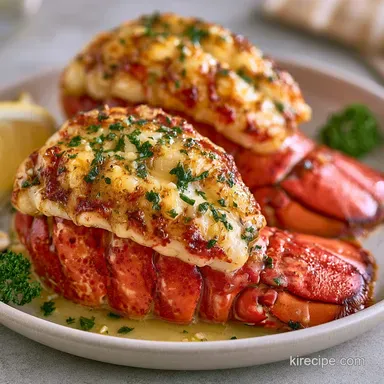
Ina Garten Lobster Tail Recipe: Tender and Buttery
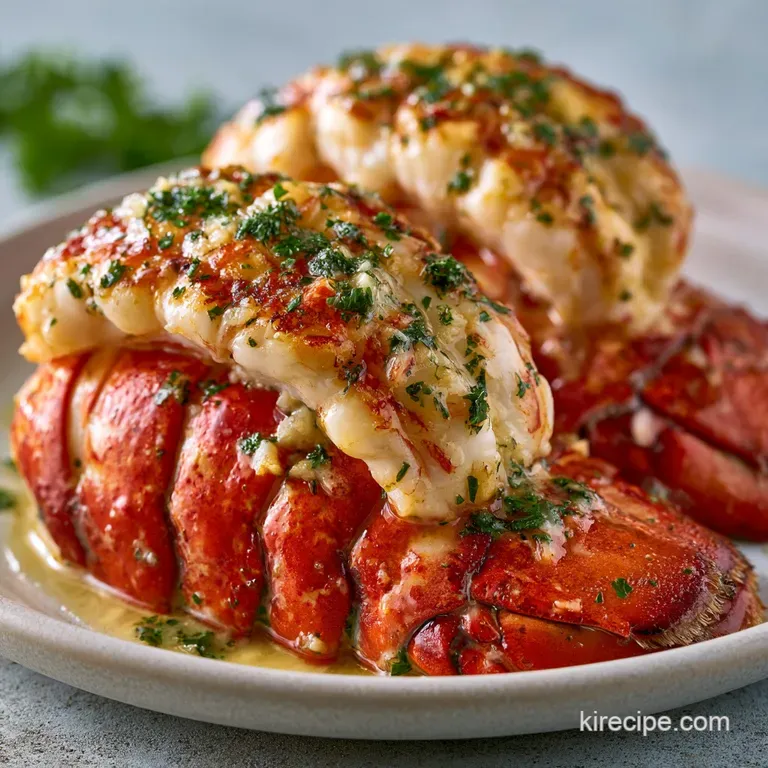
- Time: 10 min active + 10 min cook = Total 20 minutes
- Flavor/Texture Hook: Velvety garlic butter with opaque, tender meat
- Perfect for: Impressive date nights or quick luxury dinners
- The Easy Ina Garten Lobster Tail Recipe
- Why This Method Actually Works
- Component Analysis
- Essential Lobster Ingredients
- Step by Step Cooking Guide
- Common Mistakes and Fixes
- Troubleshooting Common Issues
- Adjusting the Serving Size
- Truths About Lobster
- Keeping and Reusing Lobster
- Serving and Pairing Ideas
- Recipe FAQs
- 📝 Recipe Card
The first time I tried to make lobster at home, I boiled it. I thought that was the "safe" way, but I ended up with something that had the texture of a pencil eraser. It was a disaster. I remember the smell of the ocean filling the kitchen, but the taste was just... bland.
I almost gave up on home cooked shellfish entirely.
Then I found the secret to the broiler. Instead of submerging the meat in water, you expose it to direct, intense heat. The sizzle of the butter hitting the hot shell and the way the meat transforms from translucent to a bright, opaque white is just magic.
It's a quick win that makes you feel like a pro without the stress.
We're going to use a method that's fast, fuss free, and budget smart. You don't need a fancy kitchen to get that rich, buttery flavor. By the time we're done, you'll see that the ina garten lobster tail recipe is all about precision and a little bit of patience with the broiler.
The Easy Ina Garten Lobster Tail Recipe
Right then, let's talk about why this particular method is a lifesaver. Most people are terrified of cooking lobster because it's expensive and easy to ruin. But when you butterfly the tail and broil it, you're basically creating a little butter filled boat.
The shell protects the bottom, while the top gets that gorgeous, charred edge.
I've found that the biggest mistake people make is overthinking the seasoning. Lobster is already naturally sweet and briny. You don't want to mask that with too many spices. A bit of garlic, a touch of paprika for color, and some fresh herbs are all you need. Trust me on this, keep it simple and let the lobster shine.
If you're on a budget, don't feel like you have to buy the most expensive live lobsters from a specialty market. I've had incredible results with high-quality frozen tails. The trick is just making sure they're completely thawed in the fridge before you start. Let's crack on and get into how this actually works.
Why This Method Actually Works
I've always been curious about why some lobster is rubbery and some is velvety. It all comes down to how the heat hits the protein.
- Direct Heat Exposure: Broiling cooks the meat from the top down, creating a caramelized crust without overcooking the base.
- Fat Based Insulation: The melted butter acts as a heat conductor, distributing the temperature evenly across the meat.
- Butterfly Geometry: Lifting the meat out of the shell increases the surface area, allowing the heat to penetrate the thickest part of the tail faster.
- Carryover Cooking: The meat continues to rise in temperature after it leaves the oven, which is why we pull it at 140-145°F.
| Method | Time | Texture | Best For |
|---|---|---|---|
| Broiling | 10 mins | Firm & Charred | Flavor & Speed |
| Boiling | 12 mins | Soft & Uniform | Lobster Rolls |
| Steaming | 15 mins | Delicate | Purest Flavor |
Component Analysis
Understanding what each ingredient does helps when you start experimenting with your own twists.
| Ingredient | Science Role | Pro Secret |
|---|---|---|
| Unsalted Butter | Heat Transfer | Use European style butter for a richer, silkier finish |
| Lemon Juice | Acidity | The acid cuts through the fat, brightening the whole dish |
| Paprika | Color/Aroma | Adds a mahogany hue without adding too much heat |
| Fresh Thyme | Earthiness | Pairs perfectly with the sweetness of the lobster |
Essential Lobster Ingredients
For this recipe, I recommend getting the freshest tails you can find, but frozen works great too. Just make sure you're using unsalted butter so you can control the salt level yourself.
- 2 lobster tails (6-8 oz each) Why this? Medium size ensures even cooking without toughness
- 4 tbsp unsalted butter, melted Why this? Essential for that steakhouse richness
- 2 cloves garlic, minced Why this? Adds a sharp, savory punch
- 1/2 tsp paprika Why this? Gives the meat a professional, golden look
- 1 tbsp fresh lemon juice Why this? Balances the richness of the butter
- 1/2 tsp kosher salt Why this? Enhances the natural brine of the lobster
- 1/4 tsp black pepper Why this? Adds a subtle, warm depth
- 1 tsp fresh thyme, chopped Why this? Adds a woody, herbal note
- 1 tsp fresh rosemary, finely minced Why this? Strong aroma that complements shellfish
- 1 tbsp fresh parsley, chopped Why this? Adds a fresh, green finish
| Original Ingredient | Substitute | Why It Works |
|---|---|---|
| Fresh Rosemary | Dried Rosemary (1/3 tsp) | Similar flavor but more concentrated. Note: Less aromatic than fresh |
| Unsalted Butter | Ghee (4 tbsp) | Higher smoke point. Note: Slightly nuttier taste, great for higher heat |
| Lemon Juice | White Wine (1 tbsp) | Provides acidity. Note: Adds a more complex, fermented depth |
If you're looking for a way to make this a full feast, you might want to pair it with a side that can handle the richness of the butter. I often serve this alongside my creamy homemade mac and cheese for a total comfort food explosion.
Step by step Cooking Guide
Right then, let's get to the actual cooking. Make sure your broiler is preheated and you've got your baking sheet ready.
- Prep the tails. Use kitchen shears to cut straight down the center of the top shell lengthwise, stopping just before the tail fin. Note: This allows the heat to hit the meat directly.
- Butterfly the meat. Gently loosen the meat from the shell with your fingers, keeping it attached at the base. Lift the meat upward and rest it on top of the shell so it sits like a butterfly.
- Mix the baste. In a small bowl, whisk together the melted butter, minced garlic, paprika, lemon juice, salt, and pepper.
- Add the herbs. Stir in the chopped thyme and rosemary to the butter mixture.
- Coat the lobster. Brush this mixture generously over the exposed lobster meat, ensuring every crevice is coated.
- Arrange the tray. Place the tails on a baking sheet, leaving an inch of space between them for air circulation.
- Position the rack. Position the tray about 6 inches from the broiler element. Note: This is the precision checkpoint for a perfect char.
- Broil the tails. Cook for 6-10 minutes until the meat turns an opaque white and the edges become mahogany colored.
- Check the temp. Remove from the oven when the internal temperature reaches 140-145°F. According to Serious Eats, using an instant read thermometer is the only way to ensure you don't overcook the protein.
- Finish and garnish. Sprinkle the fresh chopped parsley over the top while the butter is still sizzling.
Common Mistakes and Fixes
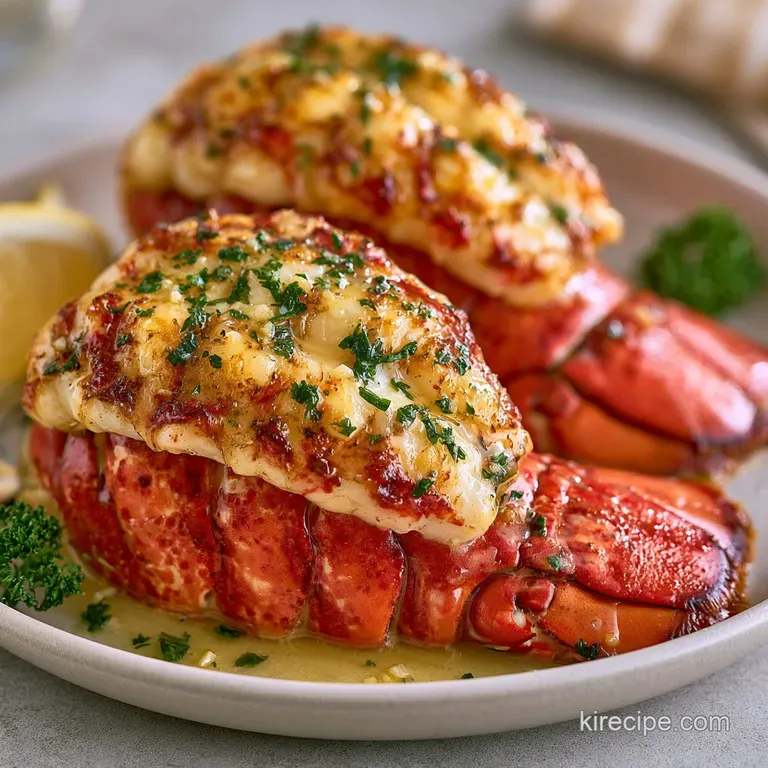
Even with a simple recipe, things can go sideways. The most common issue I see is people leaving the lobster in too long. Because the broiler is so intense, the difference between "perfect" and "rubbery" is about 60 seconds.
Troubleshooting Common Issues
| Issue | Solution |
|---|---|
| Why Your Lobster Is Rubbery | This usually happens because the internal temperature exceeded 150°F. When the proteins over tighten, they squeeze out all the moisture, leaving you with a chewy texture. |
| Why Your Butter Burned | If your tray was too close to the broiler element, the butter will smoke and turn black before the lobster is cooked. Always keep that 6 inch gap. |
| Why the Meat Is Still Translucent | This means the lobster is undercooked. If you see "jelly like" spots in the center, put it back under the broiler for another 60-90 seconds. |
Essential Check off List:
- ✓ Lobster is fully thawed before cooking
- ✓ Meat is lifted completely out of the shell
- ✓ Oven rack is 6 inches from the broiler
- ✓ Internal temp is exactly 140-145°F
- ✓ Butter is brushed into every crevice
Adjusting the Serving Size
If you're cooking for a crowd, you can't just multiply everything and throw it in at once. The ina garten lobster tail recipe relies on air circulation around each tail.
Scaling Down (1 Tail): If you're just treating yourself, halve all the butter and seasonings. Use a smaller baking sheet so the butter doesn't spread too thin and burn. The cooking time remains roughly the same, but start checking the temp at 5 minutes.
Scaling Up (4-8 Tails): Work in batches. If you crowd the pan, the tails will steam instead of broil, and you'll lose that mahogany crust. Increase the salt and spices to about 1.5x rather than 2x to avoid over seasoning.
If using a larger oven, keep an eye on the tails closest to the back, as they often cook faster.
Decision Shortcut: If you want a deeper char, move the rack to 5 inches. If you're using jumbo tails (10oz+), extend broiling by 2-3 minutes. If you want a more lemony finish, add a squeeze of fresh lemon after cooking.
Truths About Lobster
There are a few things people tell you about seafood that just aren't true. I've spent enough time in the kitchen to know which ones to ignore.
The "Sealing" Myth: You might hear that searing the lobster "seals in the juices." It doesn't. Searing creates flavor and color through a chemical reaction on the surface, but moisture loss happens regardless of how you start. The butter baste is what actually keeps the meat moist.
The "Live is Always Better" Myth: While live lobster is great, high-quality flash frozen tails are often just as good and way more budget-friendly. Since the tails are frozen immediately after harvest, the quality is locked in.
Keeping and Reusing Lobster
Lobster is a luxury, so we shouldn't waste a single bit of it.
Storage Guidelines: Store any leftover cooked lobster in an airtight container in the fridge for up to 2 days. To reheat, avoid the microwave at all costs, as it will turn the meat into rubber. Instead, place it in a pan with a tablespoon of butter over low heat just until warmed through.
Freezing Tips: I don't recommend freezing already cooked lobster, as the texture degrades. However, if you have raw tails, they can stay in the freezer for 3-6 months. Always thaw them slowly in the refrigerator for 24 hours.
Zero Waste Hacks: Don't throw away those shells! You can simmer the shells with an onion, a carrot, and a stalk of celery to make a quick lobster stock. This stock is incredible for a risotto or a seafood bisque.
Even the leftover garlic butter in the pan can be drizzled over some steamed asparagus or crusty bread.
Serving and Pairing Ideas
When you're plating this dish, keep it simple. I like to serve the tails right in their shells on a large platter. It looks professional and keeps the meat warm.
For a zesty twist, you can swap the thyme for a bit of Old Bay seasoning. If you're feeling like a "mix it up" night, you can use a similar garlic butter base to make wet lemon pepper wing sauce, which uses similar flavor profiles of lemon and butter but with a bit more kick.
The steakhouse experience is all about the contrast. Serve your lobster with a crisp green salad with a sharp vinaigrette to cut through the rich butter. A side of roasted fingerling potatoes or a simple steamed broccoli bunch also works wonders.
For the drink, a chilled glass of Chardonnay or a crisp Sauvignon Blanc is the gold standard here.
Right then, that's how you tackle the ina garten lobster tail recipe without the stress. It's all about that high heat and the butter. Once you get the hang of the butterfly cut, you'll be making this for every special occasion. Just remember to watch that clock and use your thermometer. Happy cooking!
Recipe FAQs
What is the most flavorful way to cook lobster tails?
Broiling with a compound butter baste. This technique creates a rich, mahogany crust that pairs perfectly with a zesty tartar sauce.
What are common mistakes when cooking lobster tails?
Overcooking the meat. Because broilers are extremely intense, the difference between perfect and rubbery is often less than 60 seconds.
How does Gordon Ramsay make lobster tails?
Searing or broiling with high heat. This recipe achieves similar professional results by positioning the tray 6 inches from the broiler element for a fast, intense cook.
How does Bobby Flay cook lobster?
Layering bold aromatics. Utilizing ingredients like paprika, rosemary, and thyme ensures the butter baste stands up to the natural richness of the lobster.
How to butterfly lobster tails?
Cut straight down the center of the top shell lengthwise. Gently loosen the meat with your fingers and lift it to rest on top of the shell.
How to tell when lobster tails are done?
Verify the meat is opaque white with golden edges. Use a meat thermometer to confirm the internal temperature has reached 140–145°F.
Is it true that you must boil lobster tails before broiling them?
No, this is a common misconception. Broiling raw, buttered meat directly in the shell preserves the natural juices and prevents the texture from becoming tough.
Ina Garten Lobster Tail with Garlic Butter