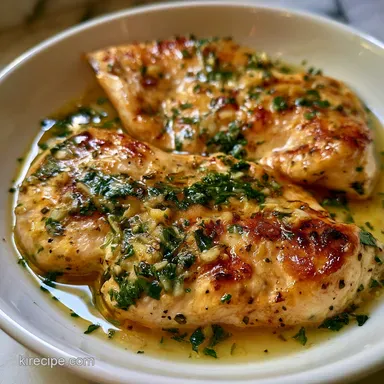
Lemon Chicken Breasts

- Time: 10 min active + 20 min cooking
- Flavor & Texture: Buttery and zesty with a dark golden crust
- Perfect for: Easy weeknight meals
Easy Lemon Chicken Breasts
Dry, rubbery chicken is a frequent mistake. This usually happens because the thickest part of the breast overcooks before the middle reaches a safe temperature.
The solution is thinning the meat. By butterflying and pounding the chicken, you achieve a uniform thickness that cooks in minutes. These lemon chicken breasts remain succulent because they spend less time over high heat.
You'll enjoy a bright, citrusy flavor that rivals a restaurant dish while using just one pan. It's a straightforward way to put a high-impact meal on the table.
Ingredient Roles
- 1½ lb chicken breasts, butterflied and pounded to 1/2 inch thickness
- 1/2 cup all-purpose flour
- 1 tsp salt
- 1/2 tsp black pepper
- 2 tbsp olive oil
- 3 tbsp unsalted butter
- 3 cloves garlic, minced
- 1/2 cup chicken broth
- 2 tbsp fresh lemon juice
- 1 tbsp lemon zest
- 1 tbsp fresh parsley, chopped
The flour does more than just thicken; it forms a light coating that sears rapidly, giving the meat a golden, savory crust. Using a blend of olive oil and butter is key. The oil stabilizes the high heat for searing, while the butter contributes the rich, nutty depth the sauce needs.
Fresh lemon juice provides the essential acidity to balance the buttery richness. Since the aromatic oils are concentrated in the zest, adding it at the very end ensures the citrus scent remains vibrant and punchy.
The Specs
- Chicken: 1½ lb breasts, butterflied and pounded to 1/2 inch
- Pan Size: 12-inch skillet
- Internal Temp: 165°F (74°C)
Simple Step Instructions
Prepping the Chicken
Press your hand flat on the chicken breast and slice horizontally through the center, leaving one side connected to butterfly. Place the chicken between two sheets of parchment paper and gently pound with a mallet until it is a uniform 1/2 inch thickness.

Searing for Color
In a shallow dish, season 1/2 cup all-purpose flour with 1 tsp salt and 1/2 tsp black pepper. Coat each butterflied breast in the flour, shaking off the excess. Set a 12-inch pan over medium-high heat and add 2 tbsp olive oil.
Once the oil shimmers, add the chicken and sear for 3–5 minutes on each side until a rich brown crust forms. Remove the chicken to a plate and set aside.

Reducing the Glaze
Turn the heat to medium. Add 3 tbsp unsalted butter to the same pan. Once melted, stir in 3 cloves minced garlic and sauté for 60 seconds until fragrant but not brown.
Pour in 1/2 cup chicken broth and 2 tbsp fresh lemon juice, scraping the bottom of the pan with a wooden spoon to release the fond. Simmer for 3–5 minutes until the sauce reduces by a third and becomes velvety. Stir in 1 tbsp lemon zest and 1 tbsp chopped fresh parsley.
Finishing the Dish
Return the chicken to the pan, spooning the sauce over the breasts for 1–2 minutes. Use a meat thermometer to confirm the internal temperature has reached 165°F (74°C).

If Something Goes Wrong
Rubbery meat is the biggest risk here. Because the chicken is thin, it can go from juicy to dry in about 60 seconds. Pull it from the pan the moment it hits the safe temperature.
Garlic burns fast. If your pan is screaming hot when the butter goes in, the garlic will turn bitter. Keep the heat at medium to keep it golden.
If your sauce looks separated or greasy, it's usually because the heat was too high during the simmer. A quick whisk or a tablespoon of cold butter stirred in at the end can help bring it back together.
| Problem | Root Cause | Solution |
|---|---|---|
| Rubbery Meat | Overcooked due to thin cut | Use a thermometer and pull at 165°F |
| Bitter Sauce | Burnt garlic | Lower heat to medium before adding garlic |
| Thin Sauce | Not simmered long enough | Simmer 2-3 more minutes until reduced |
Storage and Reheating

Refrigerate leftovers in an airtight container for 3 to 4 days, according to USDA guidelines on leftovers.
While I don't suggest freezing the sauce, the seared chicken lasts up to 2 months in the freezer. To reheat, warm the chicken in a skillet over low heat with a splash of chicken broth until a meat thermometer reads 165°F (74°C) in the thickest part.
Use a lid to steam the meat back to tenderness so it remains moist.
Easy Swaps
Honey Lemon Chicken Breast
Stir in 1 tbsp of honey when you add the broth. This balances the acidity with a touch of sweetness.
Healthy Lemon Chicken Breasts
Swap the butter for extra olive oil or a plant-based butter alternative. You can also swap the all-purpose flour for almond flour, though the crust will be slightly softer.
Air Fryer Lemon Chicken Breasts
Dredge and sear the chicken in the air fryer at 375°F (190°C) for about 8-10 minutes, flipping halfway, until a meat thermometer reads 165°F (74°C) in the thickest part. Since you won't have pan fond, make the lemon butter sauce in a small saucepan separately and pour it over the finished meat.
If you're looking for other zesty ideas, you might like this lemon pepper wing sauce for game day. For a fresh side, a homemade Italian salad pairs well with the richness of the butter sauce.
Good to Know
Can I use chicken thighs instead of breasts?
Yes, thighs work well but may require slightly longer sear times. They generally stay juicier than breasts due to their higher fat content.
What baking dish or pan size should be used for the chicken?
Use a 12-inch skillet. This size prevents overcrowding, which ensures the chicken sears properly instead of steaming.
What does lemon do to chicken breast?
The acidity tenderizes the meat and balances the richness of the butter. This creates a bright contrast against the savory garlic.
Is it fine to halve very large breasts instead of making thinner cutlets?
Yes, you can slice them into smaller pieces. Just ensure they are pounded to a uniform 1/2 inch thickness for even cooking.
Lemon Chicken Breasts in 30 Minutes