Ina Garten Shrimp Risotto Recipe: Velvety and Rich

- Time:15 minutes prep + 30 minutes cook = Total 45 minutes
- Flavor/Texture Hook: Velvety rice with snap fresh, buttery shrimp
- Perfect for: An impressive date night or a fancy Sunday dinner
- Ina Garten Shrimp Risotto Recipe
- Why the Starch Matters
- Ingredient Deep Dive
- The Essential Components
- Minimal Tools Needed
- Step-by-Step Cooking Guide
- Solving Common Risotto Issues
- Troubleshooting Common Issues
- Simple Ingredient Swaps
- Scaling the Recipe
- Myths about Risotto
- Storage and Reheating
- Great Side Pairings
- Recipe FAQs
- 📝 Recipe Card
Ina Garten Shrimp Risotto Recipe
That first sizzle of shrimp hitting hot olive oil is where the magic starts. It is a sharp, popping sound that fills the kitchen with a briny, sweet aroma in seconds. I remember the first time I tried this, I was so nervous about the "risotto struggle" that I almost forgot to pat the shrimp dry.
I ended up with steamed shrimp instead of seared ones, and it taught me a lesson I never forgot: moisture is the enemy of a good crust.
Once you get the rhythm of the stir, it is actually quite meditative. There is this specific moment when the rice goes from sounding like pebbles in a pan to a soft, rhythmic slush. That is when you know you've hit the sweet spot.
The ina garten shrimp risotto recipe isn't about being a pro, it is about patience and a few specific tricks to keep the texture from turning into mush.
You can expect a dish that feels luxurious but doesn't require a dozen pans. We are talking about a rich, buttery base, the brightness of lemon zest, and shrimp that just barely give way when you bite into them. It is an elegant meal that feels high effort, but if you follow the steps, it is surprisingly fuss free.
Why the Starch Matters
Getting that creamy consistency without adding a ton of heavy cream is the goal here. It comes down to how we treat the rice grains.
- The Starch Rub: Stirring the rice frequently rubs the grains together, knocking the starch off the surface and into the liquid, creating a natural sauce.
- Temperature Control: Using warm broth prevents the rice from cooling down every time you add liquid, which keeps the cooking process steady and the grains intact.
- The Wine Deglaze: The acidity in the white wine cuts through the richness of the butter and cheese, brightening the whole profile.
- The Final Fold: Adding the butter and Parmesan at the very end creates a silky emulsion that binds everything together.
- Seafood Timing: Searing the shrimp first and adding them back at the end prevents them from becoming rubbery during the long rice simmer.
| Feature | Fresh Method | Shortcut Method | Impact |
|---|---|---|---|
| Broth Temp | Simmering Pot | Microwave/Room Temp | Slower cook time with cold broth |
| Stirring | Frequent/Active | Occasional | Less creamy finish with shortcuts |
| Shrimp Prep | Pat Dry/Sear | Toss in raw | Lacks deep flavor and golden color |
Ingredient Deep Dive
Understanding what each part does helps you adjust on the fly. I've learned that skipping the lemon zest is a mistake - it is the secret to making the dish feel light rather than heavy.
| Ingredient | Science Role | Pro Secret |
|---|---|---|
| Arborio Rice | High starch content | Toast until edges are clear for nuttier flavor |
| Dry White Wine | Acidity & Depth | Use a crisp Pinot Grigio or Sauvignon Blanc |
| Warm Broth | Hydration & Heat | Keep it on a low simmer on the back burner |
| Parmesan | Salt & Emulsion | Grate it yourself to avoid anti caking agents |
The Essential Components
Right then, let's look at what you need. I've listed everything exactly, but I've added some ideas for swaps if your pantry is looking a bit bare. Trust me, don't use low-fat butter here - the flavor just isn't there.
- 450 g large raw shrimp, peeled and deveined Why this? Large shrimp hold their shape and texture better. (Substitute: Scallops or lobster chunks)
- 30 ml olive oil Why this? High smoke point for searing. (Substitute: Avocado oil)
- 3 g kosher salt (Substitute: Sea salt)
- 1 g freshly cracked black pepper (Substitute: White pepper for a milder heat)
- 1.4 L chicken or vegetable broth, kept warm Why this? Provides the base flavor and moisture. (Substitute: Seafood stock for more depth)
- 42 g unsalted butter Why this? Creates the velvety finish. (Substitute: Ghee for a nuttier taste)
- 150 g finely chopped yellow onion Why this? Sweet, aromatic base. (Substitute: Shallots for a more refined flavor)
- 15 g garlic, minced Why this? Adds punchy aromatics. (Substitute: Garlic powder, though fresh is better)
- 300 g Arborio rice Why this? Essential for the creamy texture. (Substitute: Carnaroli rice for even more starch)
- 120 ml dry white wine Why this? Deglazes the pan and adds acidity. (Substitute: A splash of lemon juice and water)
- 50 g freshly grated Parmesan cheese Why this? Adds salt and thickness. (Substitute: Pecorino Romano for a saltier kick)
- 6 g lemon zest Why this? Cuts the richness. (Substitute: Lime zest for a tropical twist)
- 60 g fresh baby spinach or chopped asparagus (optional) Why this? Adds color and nutrients. (Substitute: Frozen peas)
- 8 g fresh parsley, chopped Why this? Fresh, herbal finish. (Substitute: Fresh basil)
Minimal Tools Needed
You don't need a fancy setup for this. In fact, keeping it simple is better. I use a wide, heavy bottomed pot because it lets the liquid evaporate evenly. If you use a narrow pot, the rice on the bottom can overcook while the top stays crunchy.
A sturdy wooden spoon or a silicone spatula is your best friend here. You want something that can scrape the bottom of the pot effectively without scratching the surface. Also, have a ladle ready for the broth - it makes the process much cleaner.
For those who like to be organized, a small bowl for the zested lemon and chopped parsley helps keep things moving quickly.
Step-by-step Cooking Guide
Let's crack on with the actual cooking. I've broken this down into phases so you don't feel overwhelmed. The key is to keep your broth warm nearby. If you add cold broth, the rice temperature drops, and the grains can crack.
Phase 1: Searing the Seafood
Heat the olive oil in your pot over medium high heat. Pat the shrimp dry with paper towels - this is the most important part for a good sear. Season with the salt and pepper. Sear the shrimp for about 2 minutes per side until they are opaque and pink.
Immediately remove them to a plate and set aside. Note: Overcooking here leads to rubbery shrimp later.
Phase 2: Building the Aromatic Base
Lower the heat to medium and melt the butter in the same pot. Add the onion and sauté until translucent and fragrant (about 5 minutes). Stir in the garlic and cook for 60 seconds. You want the garlic to be aromatic, not brown.
Phase 3: Toasting and Deglazing
Add the Arborio rice to the pot. Stir constantly for 2-3 minutes until the edges of the grains are translucent but the center is still white. This toasting step is what gives the ina garten shrimp risotto recipe its depth.
Pour in the white wine and stir until the liquid is completely absorbed.
Phase 4: The Slow Pour Method
Add the warm broth one ladle at a time. Stir frequently and wait until the liquid is absorbed before adding the next ladle. This should take about 18-22 minutes. You are looking for a consistency that is creamy but where the rice still has a slight "bite" (al dente).
Phase 5: The Final Fold
Once the rice is cooked, stir in the Parmesan cheese, lemon zest, and parsley. If you are using spinach or asparagus, fold them in now and cook for 1-2 minutes until the greens are just wilted. Gently fold the seared shrimp back into the pot.
Let it sit for a minute to warm through, then serve immediately.
Chef's Tip: For a truly velvety finish, stir in one extra tablespoon of cold butter right before serving. It's a restaurant trick that adds a glossy sheen to the sauce.
Solving Common Risotto Issues
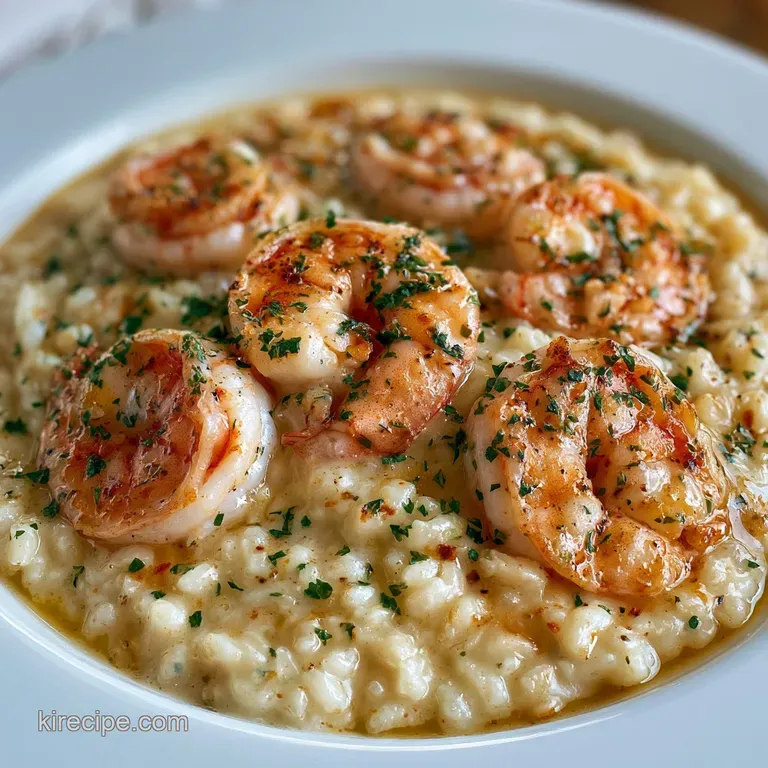
Even with a solid plan, things happen. Maybe the rice is too thick, or the shrimp didn't sear right. Most of these are easy fixes if you know what to look for.
Troubleshooting Common Issues
| Issue | Solution |
|---|---|
| Why Your Rice is Too Crunchy | This usually happens if the broth was added too quickly or if you didn't use enough liquid. The rice grains haven't had time to release their starch and absorb the moisture. Just keep adding warm brot |
| Why the Risotto is Too Thick | Risotto continues to absorb liquid even after you take it off the heat. If it looks more like a porridge than a creamy sauce, it is too thick. Stir in a splash of warm broth or water right before plat |
| Why the Shrimp are Rubbery | This is almost always due to overcooking. If you seared them too long at the start or left them in the simmering rice for too long, they will toughen up. The goal is to sear them quickly and then only |
Common Mistakes Checklist:
- ✓ Did you pat the shrimp completely dry?
- ✓ Is the broth simmering on the side?
- ✓ Did you toast the rice until the edges were clear?
- ✓ Did you add the Parmesan and butter at the very end?
- ✓ Did you avoid adding all the broth at once?
Simple Ingredient Swaps
Depending on what you have in the fridge, you can tweak this. If you want to make it a bit more like an Olive Garden Shrimp Alfredo Sauce, you can increase the Parmesan and add a splash of heavy cream, though it will be much richer.
For an asparagus and shrimp risotto Ina Garten style, just swap the spinach for chopped asparagus tips. Add the asparagus during the last 5 minutes of the rice simmering process so they stay bright green and slightly crisp.
If you need a dairy-free version, you can use a vegan butter substitute and nutritional yeast instead of Parmesan. Note that the texture will be slightly different because you lose the protein binding properties of the cheese, but the flavor remains quite savory.
Scaling the Recipe
When you are cooking for a crowd or just for yourself, you can't always just double the numbers.
Scaling Down (½ Batch): Use a smaller saucepan to prevent the liquid from evaporating too quickly. Reduce the total cook time by about 20% as the smaller mass of rice heats through faster. For the onion and garlic, just halve the weight.
Scaling Up (2x-4x Batch): This is where it gets tricky. Don't just quadruple the salt and spices - start at 1.5x and taste as you go. You will likely need slightly less liquid (reduce total broth by 10%) because there is less surface area for evaporation relative to the volume of rice.
I highly recommend working in batches for the shrimp searing, otherwise, you will crowd the pan and the shrimp will steam instead of sear.
For larger batches, you might consider an ina garten oven risotto recipe approach. You can brown the aromatics and toast the rice on the stove, then transfer everything to a Dutch oven and bake at 350°F (180°C) for about 45 minutes before stirring in the cheese and shrimp.
Myths about Risotto
There are a lot of old wives' tales about this dish. Let's set the record straight.
Myth: You must stir constantly without stopping. Truth: While frequent stirring is important for the starch, you don't need to be a robot. Stirring every few minutes is enough to move the grains and release the starch. Constant, aggressive stirring can actually break the grains.
Myth: Risotto is too difficult for a weeknight. Truth: Once you have the rhythm, it only takes about 30 minutes of active cooking. It is essentially just adding liquid and stirring. It is far less stressful than making a complex sauce from scratch.
Myth: You can't use frozen shrimp. Truth: You absolutely can, provided you thaw them completely and pat them extremely dry. According to USDA FoodData, shrimp retain most of their nutritional value when frozen, so the only difference is in the moisture control during searing.
Storage and Reheating
Risotto is best served immediately, but we've all had leftovers. The problem is that the rice continues to absorb liquid in the fridge, turning into a solid block.
Storage: Keep your leftovers in an airtight container in the fridge for up to 3 days. Don't freeze risotto; the starch structure breaks down and it becomes grainy and unpleasant upon thawing.
Reheating: Do not use the microwave on high, or you'll get hot spots and rubbery shrimp. Instead, place the risotto in a small pan over medium heat. Add a splash of water, broth, or white wine to loosen the grains. Stir gently until it returns to a velvety consistency.
Zero Waste Tips: Don't throw away the shrimp shells if you bought them whole! Roast them in the oven for 10 minutes, then simmer them in water with a carrot and an onion to make a quick seafood stock for your next risotto.
Any leftover white wine can be used to deglaze other pans or simply enjoyed with the meal.
Great Side Pairings
Because this dish is so rich, you want sides that bring some acidity or crunch to the table. A simple arugula salad with a lemon vinaigrette is a classic choice because the peppery greens cut through the butter.
If you are looking for something more substantial, a side of roasted broccolini with garlic and chili flakes works well. For those who love a hearty spread, this pairs surprisingly well with a lighter protein on the side or even some crusty sourdough bread to mop up the extra sauce.
If you find yourself craving something different for your next seafood night, you might enjoy a Wet Lemon Pepper Wing Sauce for an appetizer, or if you want something totally different, my Traditional Stuffed Cabbage is a great comfort food alternative.
Right then, you've got the tools and the tricks. This ina garten shrimp risotto recipe is all about the process - the sizzle, the stir, and the final creamy fold. Just remember to keep your broth warm and your shrimp dry, and you'll have a restaurant quality meal on your table in no time. Happy cooking!
Recipe FAQs
What makes Ina Garten's shrimp risotto special?
The balance of rich butter and bright lemon zest. It creates a luxurious, creamy texture that doesn't feel heavy, perfectly complementing the seared shrimp.
What are the common mistakes when making risotto?
Adding cold broth or stirring too infrequently. Cold broth can cause rice grains to crack, while insufficient stirring prevents the starch from creating the signature creamy consistency.
How to prevent the shrimp from becoming rubbery?
Sear the shrimp for 2 minutes per side. Remove them from the pot immediately once they are opaque and pink to avoid overcooking.
Is it true that risotto must be stirred constantly without stopping?
No, this is a common misconception. You need to stir frequently to release the starch, but you do not need to stir every single second of the process.
How to fix risotto that is too thick?
Stir in a splash of warm broth right before plating. This loosens the consistency if the rice has absorbed too much liquid while resting.
Can the seared shrimp be paired with a different sauce?
Yes, they are very versatile. If you want a different Italian flavor profile, try pairing the shrimp with a San Marzano sauce.
How to reheat leftover risotto without making it grainy?
Warm the rice in a pan over medium heat with a splash of white wine or broth. Avoid using a microwave on high to prevent rubbery shrimp and hot spots.
Ina Garten Shrimp Risotto Recipe: Creamy