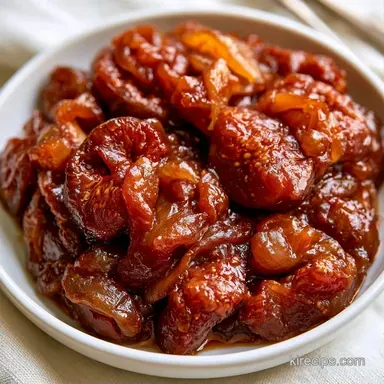
Fig Chutney with Fresh Figs
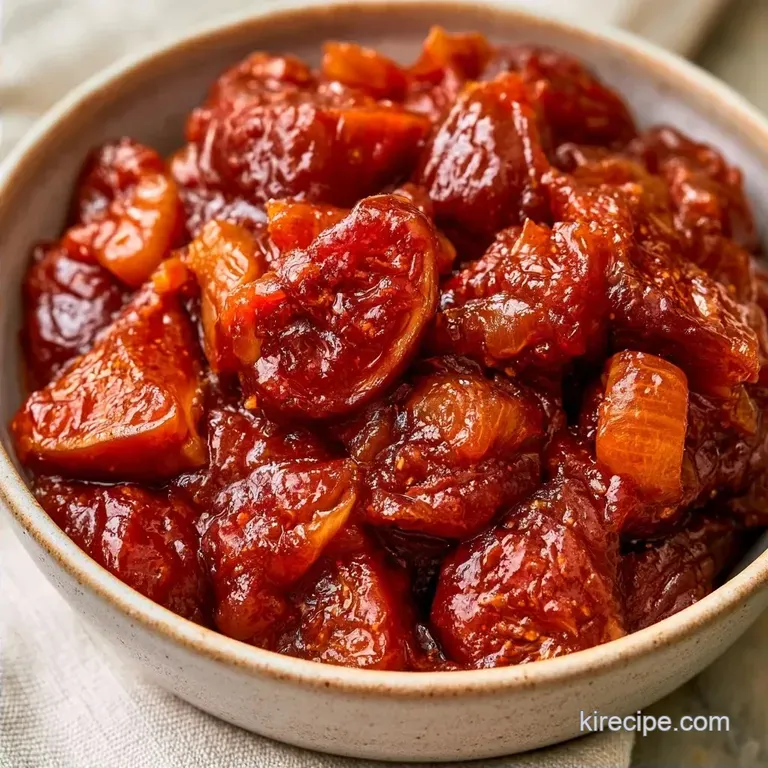
- Time: 10 minutes prep + 20 minutes cooking
- Profile: Glossy, mahogany-hued, and tangy
- Perfect for: Holiday appetizers or charcuterie boards
The aroma of cinnamon and vinegar heating up in a pan is one of my absolute favorite scents. There is a sharp, spicy quality to that fragrance that makes a house feel immediately cozy. I love whipping up a batch whenever the air turns crisp.
I once spent an entire hour crafting a lavish charcuterie board with sharp cheddar and expensive brie, only to realize the flavors felt flat. While the cheeses were decadent, they lacked a bright contrast. In my eyes, a tasteless board is a total tragedy.
This Fig Chutney is the perfect remedy. It brings the necessary acidic bite and intense fruitiness to awaken the palate. We are looking for a thick, jammy texture that clings to a cracker instead of sliding off.
Why the Balance Works
Acid Sugar Tension: The vinegar prevents the natural fructose in the fruit from becoming cloying. This creates a savory profile that cleanses the palate between bites of fatty cheese.
Natural Pectin: Figs contain pectin that thickens as the liquid evaporates. Serious Eats' testing shows that simmering uncovered is the fastest way to concentrate these natural binders for a thick set.
| Method | Time | Texture | Best For |
|---|---|---|---|
| Fast Simmer | 20 mins | Glossy and jammy | Fresh appetizers |
| Classic Slow | 2 hours | Dense and chewy | Long term canning |
Recipe Specs
This recipe focuses on precision. To get the set right, you need to hit specific markers. First, the oil should shimmer before the onions go in. Second, the simmer must be gentle, not a rolling boil. Third, the cook time of 20 minutes is non negotiable if you want that specific thickness.
Shopping List Breakdown
| Component | Purpose | Substitute Notes |
|---|---|---|
| Fresh Figs | Core texture and sweetness | Dried figs: Rehydrate first; yields a heavier jam |
| Apple Cider Vinegar | Tang and shelf life | White wine vinegar: More acidic, less fruit forward |
| Brown Sugar | Richness and color | Maple syrup: More liquid, woodier taste |
| Fresh Ginger | Sharp heat | Ground ginger: Use 1/2 tsp; lacks the zing of fresh |
The Fruit
- 2 lbs fresh figs, stemmed and quartered Why this? This is the primary source of thickening pectin
- 1 medium yellow onion, finely diced
The Aromatics
- 2 tbsp olive oil
- 1 tbsp fresh ginger, grated Why this? Contributes a zesty, pungent kick
- 2 cloves garlic, minced
The Balance
- ½ cup apple cider vinegar
- ½ cup brown sugar, packed Why this? Provides a rich, dark sweetness missing in white sugar
- 1 tsp sea salt
The Warmth
- ½ tsp ground cinnamon
- ¼ tsp ground cloves
Gear You'll Need
Basic kitchen tools are all you need. The most critical piece is a heavy bottomed saucepan; stainless steel or enameled cast iron are the best choices for consistent heat distribution. Using a thin pot risks scorching the sugar before the figs soften.
A durable silicone spatula is also recommended. This will help you stir the thickening mixture and scrape the sides of the pan to ensure all the sugar dissolves completely.
Cooking the Mixture
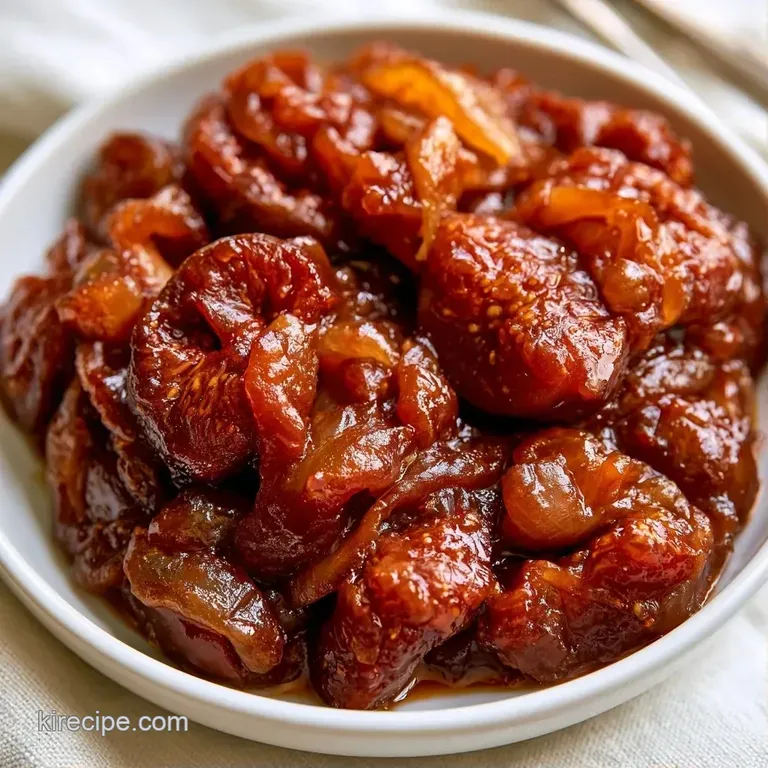
- Heat the olive oil over medium heat. Add the diced onion and sauté for 3–5 minutes until translucent and slightly golden.
- Stir in the minced garlic and grated ginger. Cook for 60 seconds until you smell the fragrance but the garlic hasn't browned.
- Add the quartered figs, brown sugar, apple cider vinegar, salt, cinnamon, and cloves. Note: Ensure the sugar is evenly distributed among the fruit.
- Stir the mixture well. Bring it to a gentle simmer.
- Lower the heat. Cook uncovered for 15–20 minutes.
- Stir occasionally. Watch for the liquid to reduce into a glossy, syrupy consistency.
- Continue cooking until the figs soften into a thick mass.
- Remove from heat. Let the Fig Chutney cool in the pan for 10 minutes before jarring.
Fixing Texture Issues
Mixture is Too Runny
If the Fig Chutney hasn't thickened by the 20 minute mark, keep simmering uncovered. The water in the fruit must evaporate to concentrate the pectin. Work in 5 minute increments until it reaches a jam like consistency.
Flavor is Too Acidic
This usually happens if the vinegar didn't cook down enough. Stir in a teaspoon of honey or a pinch more brown sugar. Let it simmer for another 2 minutes to integrate the sweetness.
Bottom is Scorching
If you see dark brown bits that aren't caramelized onion, your heat is too high. Immediately move the pan off the burner. Stir in a tablespoon of water or apple juice to deglaze the pan and lower the heat.
Plating and Serving
For the best look, spoon the Fig Chutney into a small ceramic bowl. Place it in the center of your board. Surround it with wedges of brie or a sharp manchego. The dark mahogany color of the Fig Chutney looks stunning against a white cheese.
If you're serving this as a glaze, whisk a tablespoon of the chutney into melted butter. Brush it over roasted pork tenderloin or chicken thighs during the last 10 minutes of cooking.
Storage and Waste
Store in airtight jars. These will keep for 3 weeks in the refrigerator. For longer storage, you can freeze them for 3 months, though the texture may soften slightly upon thawing. According to USDA FoodData Central, mold growth is slowed when preserves are kept chilled.
Don't discard the fig stems. While they aren't suitable for the chutney, they are excellent for making a fast fruit infused cocktail syrup. Simply simmer the stems with sugar and water. If you enjoy this flavor profile, you may also like my Strawberry Fig Jam for a sweeter breakfast option.
| Ingredient | Premium Option | Budget Option | Impact |
|---|---|---|---|
| Figs | Fresh Organic | Dried/Rehydrated | Denser texture |
| Sugar | Muscovado | Light Brown | Less caramel depth |
| Vinegar | Aged Cider | Distilled White | Sharper tang |
Swaps and Variations
To create a Spicy Fig Chutney, stir in ¼ tsp of red pepper flakes or a finely minced habanero while sautéing the onions. This kick balances the sweetness, transforming the chutney from a preserve into a savory condiment.
Dried figs are a great alternative. Chop them small and let them soak in apple cider vinegar for 30 minutes before you start to compensate for the moisture lost during simmering.
For a more pronounced tang, try a tamarind variation. Swap 2 tablespoons of the vinegar for tamarind paste to add a sour, date like depth that pairs excellently with grilled meats. If you are hosting a party, this is a wonderful partner to my Brie and Fig Jam for a variety of textures.
Precision Adjustments
- For a firmer set: simmer for an extra 5 minutes until the syrup coats the back of a spoon.
- For a chunkier feel: cut the figs into larger quarters and stir less frequently.
- For a smoother spread: pulse the finished Fig Chutney in a food processor for 3 seconds.
Debunking Preserving Myths
There's a common misconception that chutney requires hours of boiling to be safe. For fridge stable versions, this isn't necessary. The combination of sugar and vinegar naturally preserves the mixture; as long as it's stored in the refrigerator, it remains safe without a prolonged boil.
You can also use frozen figs. Simply ensure they are fully thawed and drain any excess moisture before adding them to the pan. If you don't, the Fig Chutney will take significantly longer to reduce.
And that's the entire process! Once this Fig Chutney is chilling in your fridge, you'll likely want to pair it with everything from grilled cheese to burgers. It's a simple effort for a fantastic result.
Just keep a close eye on the reduction phase it's finished when the figs are tender and the mixture looks glossy. Enjoy!
Recipe FAQs
What does fig chutney taste like?
It is a complex balance of honey like sweetness from figs and a sharp, tangy acidity from apple cider vinegar.
Tip: Pair it with sharp cheeses to highlight the vinegar notes.
Is fig jam the same as fig chutney?
No, this is a common misconception. Chutneys are savory sweet condiments with vinegar and aromatics, whereas jams are primarily fruit and sugar.
Tip: If you prefer a sweeter spread, try making homemade fig jam.
What makes a chutney a chutney?
The inclusion of vinegar and a simmering process that creates a savory sweet profile distinguishes it from jams or preserves.
Tip: Ensure the vinegar reduces well to avoid a harsh raw taste.
How to eat fig chutney?
Spoon it over a baked brie or use it as a glaze for roasted meats.
Tip: Warm it slightly in a small pan for a more fluid consistency.
How do you prepare fresh figs to eat?
Wash the fruit gently under cold water and remove the tough stem.
Tip: Use a sharp knife to quarter them for this chutney to ensure even cooking.
Does this preserve require sugar to set?
The brown sugar helps thicken the liquid into a glossy syrup through reduction.
Tip: Stir occasionally during the 15-20 minute simmer to prevent scorching.
Is it true you must peel fresh figs first?
That's a myth. The skins are completely edible and provide essential structure to the chutney.
Tip: Leave the skins on to maintain the fruit's shape during the simmering process.
Fig Chutney in 30 Minutes