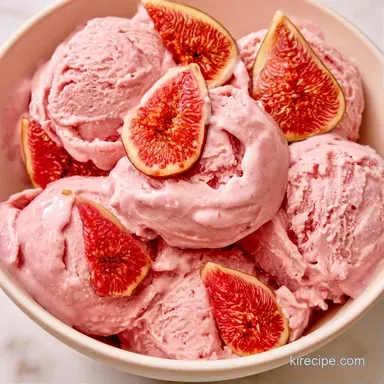
Homemade Fig Ice Cream: Rich and Jammy
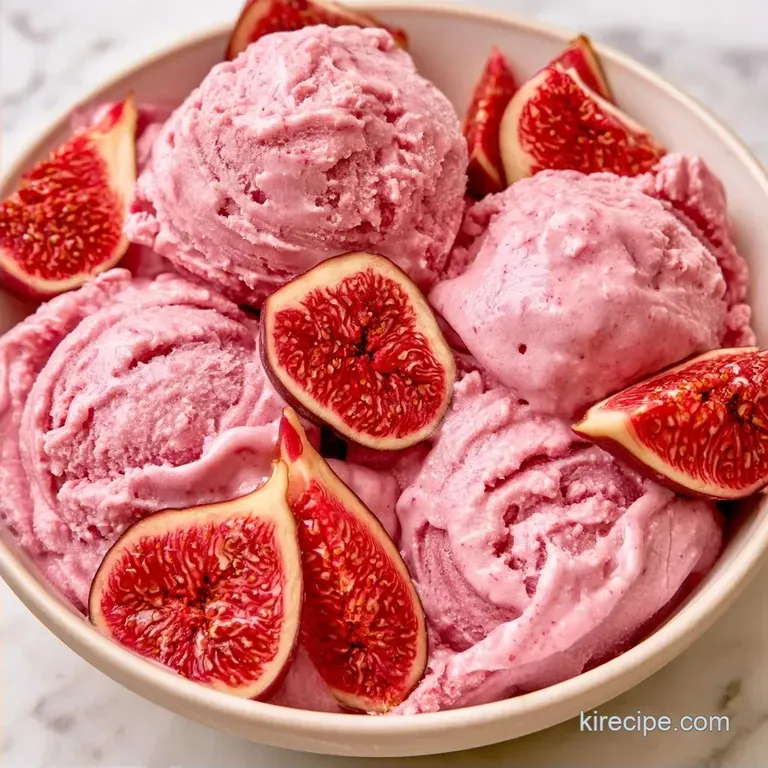
- Time: 15 min active + 10 hours 30 mins chilling/freezing
- Flavor/Texture Hook: Jammy, honeyed fruit swirls in a dense cream
- Perfect for: Dinner party finale or an autumnal treat
The smell of cinnamon and bubbling fruit fills the kitchen whenever I make this. There is something about the way fresh figs break down into a thick, jammy syrup that feels like the essence of autumn. It is a scent that pulls everyone into the kitchen before the dessert is even plated.
Forget the idea that you need expensive, store-bought fig preserves to get a deep flavor. Most of those are just sugar and corn syrup. Using fresh fruit and reducing it on the stove gives you a concentrated taste that is far more honest and intense.
You can expect a dessert that is rich and dense, not airy like store-bought pints. This Fig Ice Cream has a weight to it, with ribbons of fruit that cut through the heavy cream. It is an exercise in patience, but the result is worth the wait.
Fig Ice Cream Quick Specs
The timing for this recipe is a bit of a marathon, though most of it is passive. You have 15 minutes of prep and 30 minutes of actual cooking, but the chilling and freezing phases take up the bulk of the clock.
In total, you are looking at 10 hours 45 mins from the first slice of fruit to the first scoop.
Because we are using a custard base, the texture is far more stable than a simple cream and sugar mix. The fats from the heavy cream and egg yolks create a structure that resists melting too quickly. It gives the dessert a professional feel without needing a laboratory.
The yield is about 4 servings, though that depends on how generous your scoops are. I usually find that a pint container is the right size for storage. It is a concentrated flavor, so a small bowl is usually enough to satisfy the craving.
Gathering Your Essentials
Your figs are the most important part of this dish. Select fruit that gives slightly when pressed, similar to a ripe peach. If they are too firm, they won't break down into the jammy consistency required for an excellent Fig Ice Cream.
| Component | Purpose | Substitute Notes |
|---|---|---|
| Fresh Figs | Main flavor and body | Dried figs: Rehydrate in warm water. Note: More concentrated, less vibrant taste |
| Egg Yolks | Ensures a smooth emulsion | Cornstarch slurry: Creates thickness but misses the buttery richness |
| Heavy Cream | Provides creamy fat | Full fat coconut milk: Comparable fat level, though it adds tropical flavor |
| Whole Milk | Offsets the richness | Almond milk: Lighter consistency, potentially creating more ice crystals |
The Fig Reduction:
- 2 cups (300g) fresh figs, stemmed and quarteredThe reason: Supplies natural honey tones and pectin
- 1/4 cup (50g) granulated sugarThe reason: Draws out moisture to create a thick syrup
- 1 tbsp (15ml) fresh lemon juiceThe reason: Cuts through the sweetness with acidity
- 1/4 tsp (1g) ground cinnamonThe reason: Provides an earthy, warm undertone
The Cream Base:
- 2 cups (480ml) heavy creamThe reason: Key for a stable frozen texture
- 1 cup (240ml) whole milkThe reason: Keeps the mixture from feeling too dense
- 1/2 cup (100g) granulated sugarThe reason: Adds sweetness and adjusts the freezing point
- 4 large egg yolksThe reason: Builds the necessary custard emulsion
- 1 tsp (5ml) vanilla extractThe reason: Complements the fruit's profile
- 1/4 tsp (1.5g) saltThe reason: Brings out the figs' natural sweetness
Equipment Needed
You'll need two medium saucepans: one for the fig reduction and one for the custard. A whisk is essential for tempering the eggs, as any lumps will compromise the smooth texture. I also suggest using a fine mesh sieve to ensure the custard is perfectly silky before it goes into the freezer.
For churning, a traditional ice cream maker is your best bet. If you're using a Ninja Creami, you can bypass the churning process and simply freeze the mixture in the pint container for 24 hours before processing. A tight fitting, freezer safe container is necessary for the final 4-hour set.
Tip: While cheesecloth can be used as a substitute for a sieve, the mesh sieve is faster and more efficient at catching those small bits of cooked egg.
Bringing It Together
Phase 1: Creating the Fig Compote
Place the quartered figs, 50g sugar, lemon juice, and cinnamon in a saucepan over medium heat. Simmer for 15–20 minutes, stirring occasionally, until the liquid has reduced by half and the figs have broken down into a thick, jammy consistency.
Remove from the heat and allow to cool completely.
Phase 2: Tempering the Custard
In a medium pan, warm the milk, 100g sugar, and salt until it just begins to simmer. While the milk is heating, whisk the egg yolks and the rest of the sugar in a bowl until the mixture becomes pale and thick.
Slowly whisk one ladle of the hot milk into the eggs to temper them, which prevents the eggs from scrambling. Gradually pour this egg mixture back into the pan with the remaining milk. Stir constantly over low heat until the custard has thickened significantly.
Phase 3: Churning and Freezing
Mix the vanilla extract into the custard and pass it through a fine mesh sieve into a bowl. Fold in the heavy cream and the cooled fig reduction, stirring gently if you prefer to leave streaks of fruit.
Cover the bowl and refrigerate the mixture for at least 6 hours. Pour the chilled base into your ice cream maker and churn until it reaches a soft serve consistency. Transfer the Fig Ice Cream to a freezer safe container and freeze for 4 hours to firm up.
Troubleshooting Guide
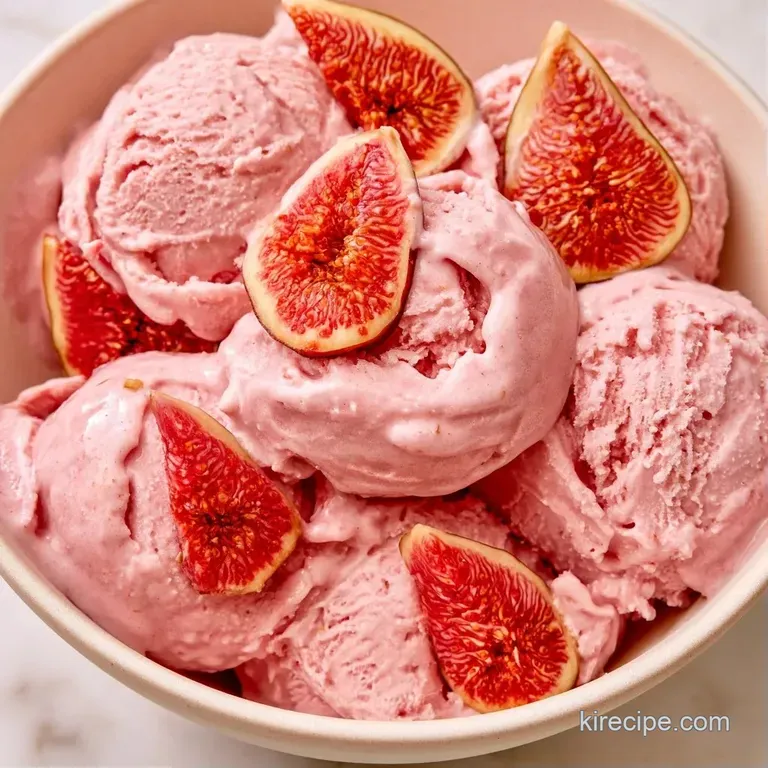
The most common issue is the "icy" texture. This usually happens if the base isn't chilled long enough before churning, or if there is too much water in the fruit. The reduction step is there for a reason, as it removes excess water that would otherwise turn into ice shards.
Another hurdle is the custard curdling. If the heat is too high during the tempering phase, you'll end up with sweet scrambled eggs. Keeping the heat low and whisking constantly is the only way to ensure a silky finish.
If you find the texture is too grainy, it is likely due to the sugar not dissolving completely or the figs being too chunky. A quick pulse in the blender before adding the reduction to the cream can fix this.
| Problem | Root Cause | Solution |
|---|---|---|
| Icy texture | Base was too warm or figs weren't reduced | Chill for full 6 hours and simmer figs until thick |
| Curdled custard | Heat was too high during egg cooking | Use low heat and temper eggs slowly with hot milk |
| Too soft/won't set | Not enough fat or too much sugar | Use full fat heavy cream and follow sugar weights exactly |
Creative Twists and Swaps
If you want a different flavor profile, try adding a pinch of ground cardamom instead of cinnamon. It gives the Fig Ice Cream a floral, almost exotic note that pairs well with a drizzle of honey on top. For a bit of crunch, fold in toasted walnuts or slivered almonds during the last two minutes of churning.
For those who prefer a more adult version, a tablespoon of dark rum or aged balsamic glaze stirred into the fig reduction adds a sophisticated bitterness. The acidity of the balsamic highlights the honeyed nature of the fruit.
Since this is a rich dessert, you might want a lighter start to your meal. If you're planning a full menu, a sun dried tomato cream sauce on crostini is a great appetizer to contrast the sweetness. Alternatively, a no cook tomato sauce works well for a quick, fresh starter.
Decision Shortcut:
- More jammy? → simmer figs 5 mins longer.
- Stronger spice? → add a pinch of nutmeg.
- Less sweet? → reduce base sugar by 20g.
Storage & Reheating
Keep your Fig Ice Cream in a freezer safe container. To stop ice crystals from forming on top, I suggest pressing a sheet of wax or parchment paper against the frozen mixture before sealing the lid. It will stay fresh for up to 2 months in the freezer.
Because this is a frozen dessert, reheating isn't possible. If it feels too hard, simply let it rest on the counter for 5-10 minutes before scooping. This softens the fats slightly, making the ice cream easier to serve.
Don't let any leftover fig reduction go to waste stir it into your morning oatmeal or swirl it into Greek yogurt. It is essentially a gourmet jam that requires no further cooking.
Serving Suggestions
For a restaurant style presentation, serve a large scoop in a chilled glass bowl. Top it with a sprig of fresh mint and a drizzle of honey. The cold glass keeps the ice cream from melting too quickly while you enjoy the aroma of the mint.
Another great way to serve this is alongside a warm piece of almond cake or a slice of toasted brioche. The contrast between the hot cake and the cold Fig Ice Cream creates a wonderful sensory experience.
If you are serving a crowd, consider making "mini scoops" on a platter with fresh fig slices and a dusting of cinnamon. It makes the dessert feel lighter and allows people to sample it without committing to a full bowl.
Key Techniques Explained
This recipe works because it manages water and fat with precision. Here is the breakdown of the movements.
Method Comparison: Fast vs Classic
| Feature | No Churn (Fast) | Custard (Classic) |
|---|---|---|
| Method | Whipped cream/condensed milk | Cooked egg yolk base |
| Time | 2 hours | 10 hours 45 mins |
| Texture | Airy and light | Dense and velvety |
| Best For | Quick cravings | Gourmet dinner parties |
The Role of Yolks: Egg yolks act as a natural emulsifier. The lecithin in the yolks binds the water in the milk with the fats in the cream, creating a stable structure.
Why We Reduce Figs: Fresh figs have high water content. Simmering them concentrates the flavor and removes the water that would otherwise create ice crystals in your Fig Ice Cream.
Cold Base Importance: Chilling the mixture for 6 hours ensures the fats are fully crystallized. This results in a much smoother churn and a denser final product.
Recipe FAQs
What are the best figs for ice cream?
Use ripe, sweet varieties like Mission or Brown Turkey. These provide the deep flavor and soft texture required for a smooth reduction.
Is it true you can freeze figs straight from the tree?
No, and here's why. Freezing them raw damages the cell structure, which makes them mushy and less effective during the reduction phase.
Why is my ice cream too icy or hard?
The base likely wasn't chilled long enough. Ensure the mixture refrigerates for at least 6 hours and that you've simmered the figs to remove excess water.
Can I use store-bought fig preserves?
Yes, but reduce the added sugar. Since preserves are already sweetened, adjusting the sugar helps maintain a balanced profile, similar to the flavor balance in a creamy vegan sauce.
How to make this without an ice cream maker?
Pour the chilled mixture into a shallow container and freeze. Stir vigorously every 30 minutes for 3-4 hours to break up crystals and aerate the custard.
My figs aren't very sweet will this still work?
Yes, the reduction process solves this. Simmering the figs with sugar and lemon juice concentrates the flavors and ensures a sweet result.
Fig Ice Cream with Fresh Figs