Garlic Cream Sauce for Pizza: Silky and Savory
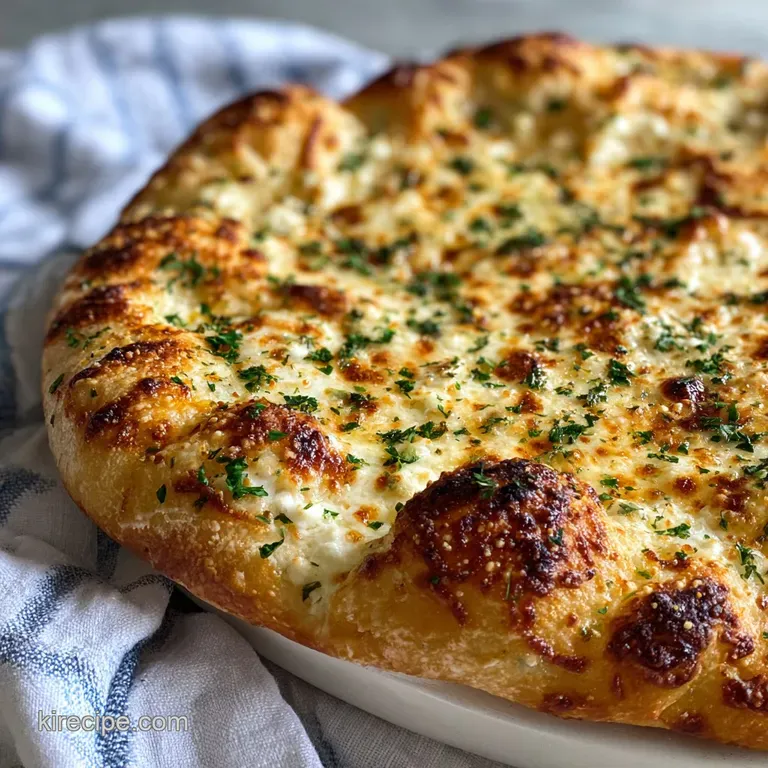
- Time: Active 10 mins, Passive 5 mins, Total 15 minutes
- Flavor/Texture Hook: Silky, garlicky, and deeply savory
- Perfect for: Weeknight pizza nights or gourmet white pies
- Master This Quick Garlic Cream Sauce for Pizza
- Why This White Sauce Works
- Component Analysis and Pro Secrets
- Sourcing the Best Sauce Elements
- Gear for the Perfect Texture
- Executing the Flavorful Flow
- Solving Sticky Sauce Situations
- Adjusting the Batch Size
- Mixing Up the Garlic Base
- Managing Leftovers and Scraps
- Topping Ideas for White Pizza
- Dismantling Lies About Your Base
- Recipe FAQs
- 📝 Recipe Card
Master This Quick Garlic Cream Sauce for Pizza
The first time I ditched the red sauce for a white base, it was a total accident. I had a pound of dough, zero tomatoes, but a fridge full of butter, garlic, and heavy cream. As the butter hit the pan and that sharp, pungent garlic aroma began to mellow into something sweet and nutty, I knew I was onto something.
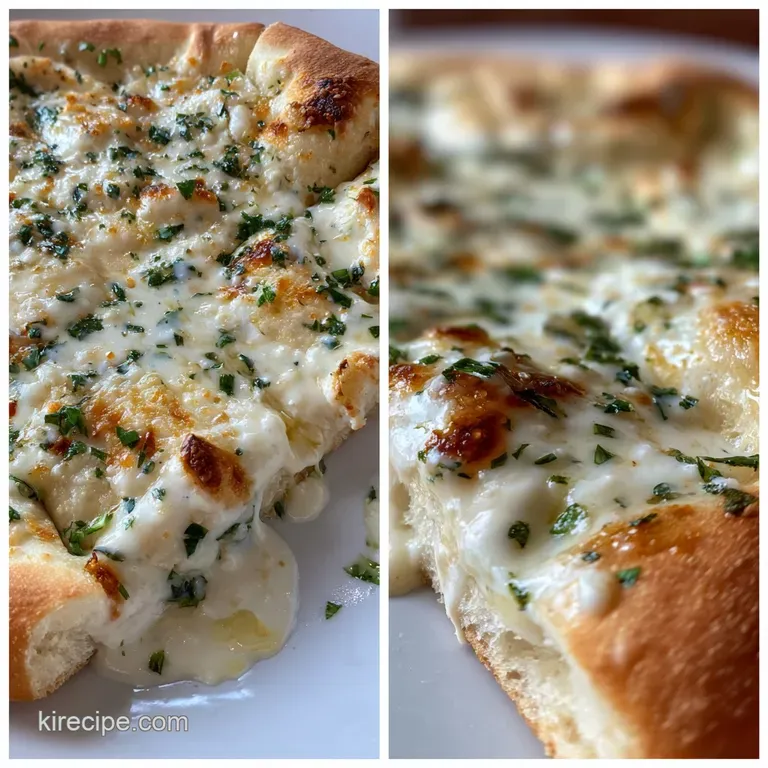
When the pizza came out of the oven, the sauce hadn't soaked into the crust or turned into a greasy mess; it was a velvety blanket that made every topping pop.
Honestly, once you taste how the fat from the heavy cream carries the heat of the garlic, you'll find it hard to go back to the jarred stuff. This isn't just a topping; it's a foundation.
It’s about that moment when the cheese bubbles into the cream, creating a unified layer of decadence that shatters the myth that pizza needs tomato to be authentic.
We are going for a sauce that is thick enough to hold its own but fluid enough to swirl with the back of a spoon. You don't need a culinary degree for this, just a little patience with a whisk and a heavy bottomed pan. Trust me on this, your Friday nights are about to get a serious upgrade.
Why This White Sauce Works
- Fat to Flour Ratio: The equal parts butter and flour create a "blonde roux" that provides a structural backbone, preventing the heavy cream from breaking when exposed to the 500°F heat of a pizza stone.
- Garlic Infusion: Sautéing the minced garlic in butter before adding liquids allows the fat soluble flavor compounds to distribute evenly throughout the entire batch.
- Starch Gelatinization: The flour particles swell and trap moisture as they heat, ensuring the sauce remains creamy rather than turning into oil on your dough.
- Parmesan Emulsification: Adding the cheese at the very end creates a stable emulsion that adds saltiness and a slight "pull" to the texture.
| Method | Prep Time | Resulting Texture | Best Use Case |
|---|---|---|---|
| Fast (This Recipe) | 15 minutes | Silky, thick, and pourable | Weeknight dinner |
| Classic Roasted | 1 hours 10 mins | Deep, sweet, and earthy | Special occasions |
| Cold Mix | 2 minutes | Thin and slightly grainy | Last resort only |
There is a massive difference between a sauce that sits on top of a pizza and one that becomes part of it. This fast method uses the roux technique to ensure the sauce doesn't just disappear into the dough while it bakes.
Component Analysis and Pro Secrets
| Ingredient | Science Role | Pro Secret |
|---|---|---|
| Unsalted Butter | Fat Medium | Use European style butter for higher fat and less water content. |
| Heavy Cream | Liquid Base | Ensure it is at room temperature to prevent the roux from seizing. |
| All Purpose Flour | Thickening Agent | Toast it for exactly 60 seconds to remove the "raw" flour taste. |
| Fresh Garlic | Aromatic Base | Mince it finely so it "melts" into the butter without leaving chunks. |
Why Does This Sauce Not Break?
Most cream sauces break because the proteins in the dairy curdle when they hit high heat. By using a roux (the butter and flour mixture), we create a physical barrier that keeps the fat and water in the cream bonded together. This is why you can blast this sauce in a roaring hot oven and it stays perfectly smooth.
Why Use Freshly Grated Parmesan?
Pre shredded cheese is coated in potato starch or cellulose to prevent clumping in the bag. While great for convenience, that coating prevents the cheese from melting smoothly into your garlic cream sauce for pizza. If you use the stuff from the green shaker can, your sauce will end up gritty.
Stick to a block of Parmigiano Reggiano and a microplane for a velvety finish.
Sourcing the Best Sauce Elements
- 3 tbsp Unsalted Butter (42g): Provides the rich, nutty base. Why this? Allows you to control the total salt content of the sauce.
- 4 cloves Fresh Garlic, minced (approx. 2 tbsp): The star of the show. Why this? Fresh garlic provides a spicy bite that jarred garlic completely lacks.
- 2 tbsp All Purpose Flour (16g): The structural glue. Why this? It has the right protein content to thicken without becoming gummy.
- 1 cup Heavy Cream (240ml): For ultimate luxury. Why this? The high fat content prevents curdling during the over high heat bake.
- 0.5 cup Freshly Grated Parmesan Cheese (45g): Adds umami and salt. Why this? It melts seamlessly into the cream for a professional consistency.
- 0.5 tsp Dried Oregano: A classic Italian herbal note. Why this? Dried herbs stand up better to the long bake time than fresh ones.
- 0.25 tsp Sea Salt: Enhances all other flavors.
- 0.25 tsp Freshly Cracked Black Pepper: Adds a subtle heat.
If you find yourself running low on dairy, you might consider a Substitute for Cream recipe as a creative workaround, though for this specific pizza base, real heavy cream is the undisputed king of texture.
Gear for the Perfect Texture
You don't need a kitchen full of gadgets to make a killer garlic cream sauce for pizza, but a few specific tools make the process much smoother. A heavy bottomed saucepan is non negotiable; thin pans have hot spots that will scorch your flour or burn your garlic in seconds.
I personally swear by a silicone coated whisk. It allows you to get into the corners of the pan where flour likes to hide, ensuring no lumps are left behind. If you have a microplane, use it for both the garlic and the cheese.
The finer the particles, the faster they integrate into the sauce, which is the secret to that "15 minute" timeline.
Executing the Flavorful Flow
- Melt the butter. Place 3 tbsp Unsalted Butter in a small saucepan over medium low heat. Note: Don't let it brown; we want a clean, milky flavor.
- Sauté the garlic. Add the 4 cloves of minced garlic. Cook for 1 to 2 minutes until fragrant and softened but not browned.
- Create the roux. Sprinkle in 2 tbsp All Purpose Flour. Whisk constantly for 60 seconds until the mixture looks like wet sand.
- Temper the cream. Slowly pour in a splash of the 1 cup Heavy Cream, whisking vigorously to create a thick paste.
- Incorporate the rest. Gradually add the remaining cream while whisking until the mixture is completely smooth.
- Thicken the base. Simmer gently for 3 to 5 minutes until the sauce coats the back of a metal spoon.
- Season the sauce. Stir in 0.5 tsp Dried Oregano, 0.25 tsp Sea Salt, and 0.25 tsp Freshly Cracked Black Pepper.
- Add the cheese. Remove the pan from the heat and stir in 0.5 cup Freshly Grated Parmesan. Note: The residual heat will melt the cheese without breaking the sauce.
- Cool slightly. Let the sauce sit for 5 minutes before spreading on your dough. Note: It will continue to thicken as it cools.
Solving Sticky Sauce Situations
Why Your Sauce Is Clumpy
Clumping usually happens when you add cold liquid too quickly to a hot roux. The flour molecules seize up before they can disperse. To fix this, you can use an immersion blender to smooth it out, or simply pass the sauce through a fine mesh sieve. Next time, try adding the cream in very small increments at the start.
Why Your Garlic Turned Blue
Don't panic! This is a natural reaction between the sulfur compounds in garlic and the trace minerals in the butter or the acidity of other ingredients. It is perfectly safe to eat. It usually happens with older garlic or if the garlic is exposed to an acidic environment too early.
It won't affect the taste of your garlic cream sauce for pizza.
| Problem | Root Cause | Solution |
|---|---|---|
| Grainy Texture | Cheese added while boiling | Remove from heat before adding Parmesan. |
| Sauce Too Thick | Over reduction | Whisk in a tablespoon of milk or water. |
| Bland Flavor | Lack of salt/acid | Add a tiny squeeze of lemon or more salt. |
Common Mistakes Checklist
- ✓ Never leave the garlic unattended; it goes from perfect to bitter in 10 seconds.
- ✓ Whisk the flour for at least a minute to cook out the "raw" starch taste.
- ✓ Don't use "light" cream; the lower fat content increases the risk of the sauce breaking in the oven.
- ✓ Ensure the Parmesan is finely grated so it melts instantly without clumping.
- ✓ Let the sauce cool before putting it on raw dough to prevent a soggy crust.
Adjusting the Batch Size
If you are cooking for a crowd, doubling this recipe is easy, but remember the rule of thumb for spices: don't just double them. Use 1.5x the oregano and pepper first, then taste. Liquids can be doubled exactly, but you may need to increase the simmering time by 2 to 3 minutes to achieve the same thickness.
For a smaller personal pizza, you can halve the recipe. Use a very small butter melter or milk pan to prevent the sauce from evaporating too quickly. If a recipe calls for half an egg (not in this one, but for doughs), beat it first and then measure.
For this sauce, halving is straightforward just use 1.5 tbsp of butter and 1 tbsp of flour.
| Servings | Heavy Cream | Garlic | Pan Size | Cook Time |
|---|---|---|---|---|
| 8 Servings | 0.5 cup | 2 cloves | Small saucepan | 8 minutes |
| 16 Servings | 1 cup | 4 cloves | Medium saucepan | 10 minutes |
| 32 Servings | 2 cups | 8 cloves | Large saucepan | 14 minutes |
Since this sauce is so rich, a little goes a long way. This recipe yields enough for two large 14 inch pizzas if you like a moderate layer of sauce.
Mixing Up the Garlic Base
Can I Make This Vegan?
Yes, though the texture will change slightly. Swap the butter for a high-quality vegan butter stick and use a full fat oat milk or cashew cream. For the parmesan, nutritional yeast or a vegan parm alternative works, but you may need an extra pinch of salt to mimic the brine of the real cheese.
Coconut milk can work, but it adds a tropical note that might clash with traditional pizza toppings.
Adding Roasted Garlic Depth
If you have an hour to spare, roast a whole head of garlic in the oven with olive oil until it's soft as jam. Mash the roasted cloves and whisk them into the cream along with the sautéed fresh garlic. This creates a "double garlic" experience that is incredibly sweet and complex.
It's the ultimate "best white pizza sauce recipe" move.
Decision Shortcut: Choosing Your Flavor
- If you want Classic Italian, add a pinch of red pepper flakes and extra oregano.
- If you want Ultra Rich, stir in a tablespoon of mascarpone cheese at the very end.
- If you want Fresh and Zesty, whisk in a teaspoon of lemon zest after the sauce has cooled.
Managing Leftovers and Scraps
Storage: You can keep this garlic cream sauce for pizza in an airtight jar in the fridge for up to 4 days. Because of the butter and cream, it will solidify into a thick paste when cold. This is actually a good thing! It makes it easier to portion out.
Freezing: I don't recommend freezing this sauce. The emulsion between the heavy cream and the roux often breaks during the thawing process, leaving you with a watery, grainy mess. Since it only takes 15 minutes to make fresh, it's worth doing it from scratch.
Reheating: If you must reheat it, do so very gently on the stovetop over low heat. Add a splash of milk and whisk constantly to bring the emulsion back together. Do not microwave it on high power, or the butter will separate and pool at the top.
Zero Waste Tip: If you have leftover sauce but no dough, it makes an incredible base for a quick pasta dish. Toss it with some fettuccine and a little pasta water for an instant Alfredo. You can also use it as a dipping sauce for breadsticks or even as a decadent topping for roasted broccoli.
Topping Ideas for White Pizza
A white base opens up a whole new world of flavor profiles that red sauce usually overpowers. My absolute favorite pairing is thinly sliced Yukon Gold potatoes, rosemary, and a drizzle of truffle oil. The garlic cream sauce for pizza acts as a rich cushion for the earthy potatoes.
If you are a meat lover, try topping this with crispy bacon and sautéed spinach. The saltiness of the bacon cuts through the cream perfectly. For something a bit more adventurous, try a "Chicken Jalapeno" pie. Use the base sauce and top with grilled chicken and fresh slices of pepper. If you want to kick it up even further, a few drops of a Jalapeno Hot Sauce recipe over the finished pizza creates a beautiful contrast between the cooling cream and the sharp heat.
Dismantling Lies About Your Base
"You must use raw garlic for the best flavor." Actually, raw garlic on a white pizza can often stay undercooked and harsh. By sautéing the garlic in butter first, we mellow the "bite" and develop those sweet, toasted notes that make a sauce craveable.
The heat of the oven is often not enough to fully cook raw garlic submerged in cream.
"Heavy cream makes the pizza soggy." This is only true if you don't use a roux. A simple mixture of cream and cheese will release its water content into the dough as it bakes. The flour in this recipe binds that water, keeping the moisture in the sauce and out of your crust.
The result is a crispy bottom and a velvety top.
"Milk is a fine substitute for heavy cream." While you can use milk, the sauce will be significantly thinner and more prone to breaking. Heavy cream has the fat content necessary to create a stable, luscious mouthfeel that mimics the high end pizzas from wood fired ovens. If you use milk, you'll need to double the flour, which can lead to a "pasty" flavor. For another great use of crescent rolls and savory fillings, check out this Pillsbury Crescent Roll recipe for a quick weeknight win.

Recipe FAQs
How to make creamy garlic sauce for pizza?
Melt butter over medium low heat, then sauté minced garlic until fragrant. Whisk in the flour to create a roux, then slowly incorporate the heavy cream while whisking vigorously until smooth. Simmer until thickened, then remove from heat and stir in the Parmesan cheese, salt, and pepper.
What ingredients are in a standard pizza creamy garlic sauce?
Typically, the essential ingredients are butter, fresh garlic, all-purpose flour, heavy cream, and grated Parmesan cheese. Some variations include dried oregano or nutmeg for warmth, but the richness comes entirely from the high fat dairy components stabilized by the roux.
What is a creamy garlic sauce called on a pizza menu?
It is most commonly called a White Sauce or Alfredo Sauce base. Sometimes, if it's very thin, it might be listed simply as "Garlic and Oil," but a thick, emulsified sauce like this is generally recognized as an Alfredo style base for pizza.
How do I ensure my homemade creamy garlic sauce does not break under the high heat of the oven?
You must create a stable roux by cooking the flour and butter together before adding the liquid. This structural base traps the fat and water molecules in the cream, preventing them from separating (breaking) when exposed to high baking temperatures. If you enjoyed mastering that initial binding technique here, see how the same principle of stable emulsion works in our Creamy Potato and Hamburger Soup - Crock Pot Cheddar.
Can I substitute milk for heavy cream in this pizza sauce recipe?
No, using milk is not recommended for a high heat application like pizza baking. Milk has a much lower fat content, meaning the sauce will be thin and highly likely to curdle or soak directly into the dough without the stabilizing fats provided by heavy cream.
How long can I safely store leftover garlic cream sauce?
Store the sauce in an airtight container in the refrigerator for up to 4 days. Be aware that it will solidify due to the butter content when chilled, but it reheats well on the stovetop with a little extra liquid added.
What is the secret to getting a velvety, non-grainy texture when adding the Parmesan cheese?
Always remove the sauce from the heat entirely before stirring in the Parmesan cheese. Adding cheese to boiling dairy causes the proteins to seize up, resulting in a grainy texture; using residual heat ensures a smooth, professional melt.
Garlic Cream Sauce For Pizza
Ingredients:
Instructions:
Nutrition Facts:
| Calories | 86 kcal |
|---|---|
| Protein | 1.5 g |
| Fat | 8.3 g |
| Carbs | 1.6 g |
| Fiber | 0.1 g |
| Sugar | 0.4 g |
| Sodium | 79 mg |
