Chicken and Shrimp Recipe with Garlic and Herbs
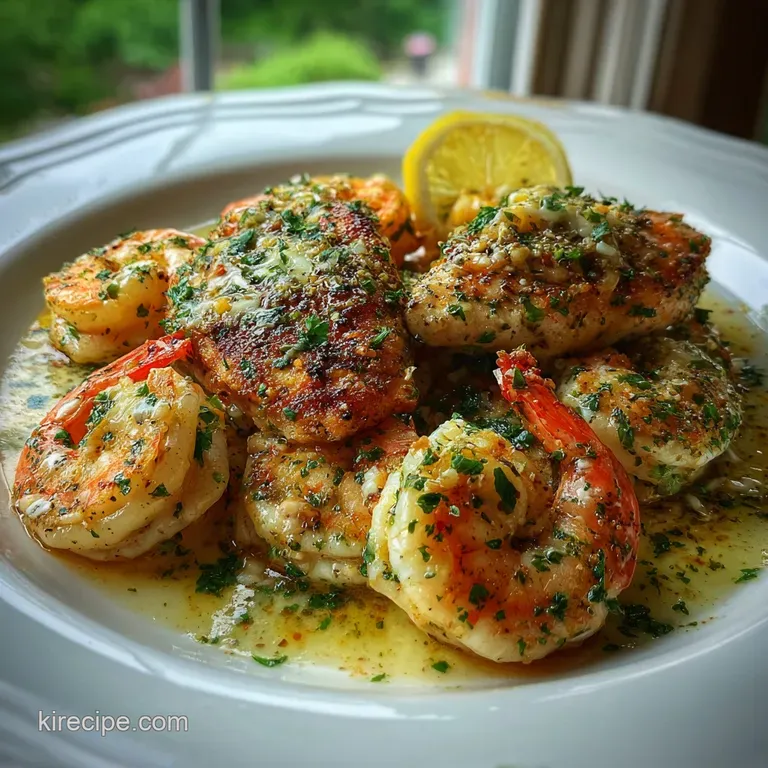
- Time: Active 15 minutes, Passive 15 minutes, Total 30 minutes
- Flavor/Texture Hook: Velvety garlic butter with a spicy kick
- Perfect for: Busy weeknights when you need high protein fast
- Flavor Packed Chicken and Shrimp Recipe with Garlic
- Why This Fast Skillet Meal Works
- Breaking Down the Garlic Herb Ingredients
- Essential Tools for Quick Searing
- Ingredients for the Perfect Skillet
- Master the Perfect Sizzle
- Fix Common Cooking Mistakes Fast
- Simple Swaps and Ingredient Variations
- Keeping Your Leftovers Fresh Longer
- Best Sides for Garlic Seafood
- Kitchen Myths Debunked
- Recipe FAQs
- 📝 Recipe Card
Flavor Packed Chicken and Shrimp Recipe with Garlic
The kitchen is quiet until that first strip of chicken hits the hot oil, creating a violent sizzle that tells you dinner is officially happening. There is nothing quite like the smell of minced garlic hitting a warm pan it is that sharp, punchy aroma that makes everyone wander into the kitchen asking, "When are we eating?" I remember the first time I tried to cook both chicken and shrimp in the same pan.
I ended up with dry, woody chicken and shrimp that felt like rubber erasers because I threw them in at the same time. It was a disaster, but it taught me that timing is everything.
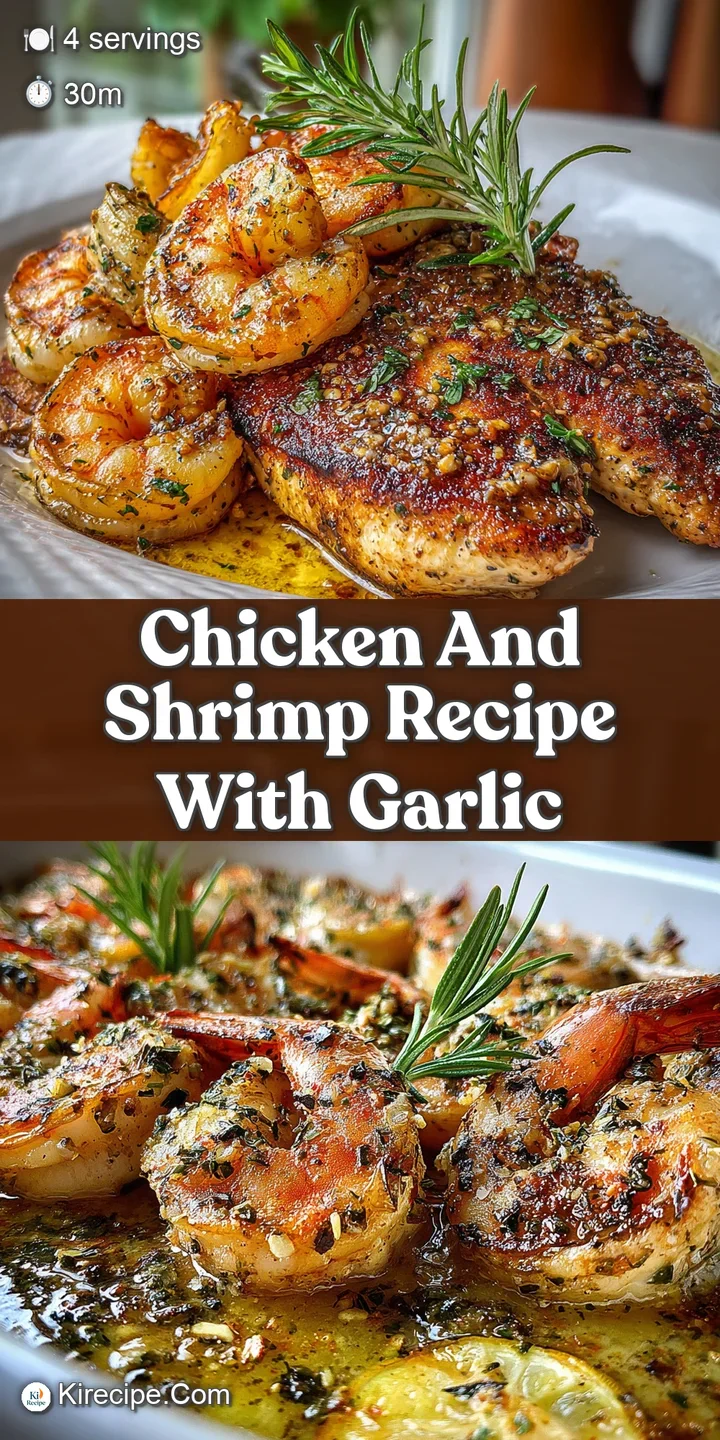
This Chicken and Shrimp Recipe with Garlic and Herbs will quickly become your new favorite weeknight dinner. We are talking about juicy, golden chicken strips and plump, snappy shrimp swimming in a sauce that is bright from lemon and rich from unsalted butter.
It is the kind of meal that feels fancy enough for a "date night in" but takes less time than ordering a pizza.
The beauty of this dish lies in its simplicity. We aren't using twenty different pots and pans here. We are using one good skillet to build layers of flavor, starting with the spices and ending with a glossy emulsion that coats the back of a spoon.
If you have been looking for a way to break out of your chicken breast rut, this is the answer you have been waiting for.
Why This Fast Skillet Meal Works
Protein Timing: Searing the chicken first and removing it before adding the shrimp prevents overcooking. This ensures the chicken stays tender while the shrimp reaches that snappy, opaque stage without becoming tough.
Acid Activation: The fresh lemon juice does more than add flavor; it cuts through the fat of the butter and olive oil. This brightens the entire flavor profile and balances the heat from the red pepper flakes.
Surface Area Science: Cutting the chicken into 1 inch strips increases the surface area for the Maillard reaction. This means more golden brown crust and more savory flavor in every single forkful.
Cold Fat Emulsification: Adding cold, cubed butter at the very end creates a stable emulsion with the chicken broth. The cold temperature prevents the butter from "breaking" into a greasy puddle, keeping the sauce silky.
| Thickness | Internal Temp | Rest Time | Visual Cue |
|---|---|---|---|
| 1 inch strips | 165°F | 3 mins | No pink in the center |
| Jumbo Shrimp | 145°F | 2 mins | Opaque and C shaped |
| Sauce Base | N/A | 1 min | Slightly reduced and bubbly |
Choosing the right size of shrimp makes a massive difference in the final texture of this dish. I always reach for the jumbo 16/20 size because they are large enough to get a proper sear without turning into tiny, curled up knots in the heat.
Breaking Down the Garlic Herb Ingredients
The chemistry of this dish relies on the interaction between the aromatics and the fats. When we bloom the smoked paprika and dried oregano in the olive oil, the fat soluble flavor compounds are released, coating the entire pan in a spicy, earthy base.
This creates a foundation for the Garlic Herb Chicken and Shrimp Dinner that tastes like it has been simmering for hours rather than minutes.
| Ingredient | Science Role | Pro Secret |
|---|---|---|
| Smoked Paprika | Color and Depth | Toast it in oil for 30 seconds to wake up the oils. |
| Cold Butter | Emulsifier | Keep it in the fridge until the very second you need it. |
| Lemon Juice | Protein Relaxer | Adds a "bright" note that signals freshness to the palate. |
| Kosher Salt | Moisture Retention | Its coarse grains dissolve evenly into the meat. |
Using low sodium chicken broth is a non negotiable step for me. It gives you total control over the seasoning. If you use full sodium broth and then add the kosher salt, you risk a salt bomb that ruins the delicate sweetness of the jumbo shrimp.
Essential Tools for Quick Searing
You don't need a kitchen full of gadgets, but a heavy bottomed skillet is your best friend here. A cast iron pan or a heavy stainless steel skillet holds heat much better than thin aluminum. This heat retention is what gives the chicken that gorgeous crust.
If the pan temperature drops too much when you add the meat, the chicken will steam in its own juices instead of searing.
For the prep, a sharp chef's knife makes quick work of those chicken strips. Try to keep them uniform in size so they all finish cooking at the same time. If some are thick and others are thin, you'll end up with a mix of dry and undercooked pieces.
A simple microplane or a sturdy garlic press is also a life saver for those six cloves of garlic. Trust me, nobody wants to spend twenty minutes hand chopping garlic on a Tuesday.
Ingredients for the Perfect Skillet
- 1 lb chicken breast: Cut into 1 inch strips. Why this? Lean protein that absorbs the garlic butter beautifully. (Sub: Chicken thighs for more moisture)
- 1 lb jumbo shrimp: Peeled and deveined (size 16/20). Why this? They stay juicy and snappy under high heat. (Sub: Scallops for a luxury twist)
- 1 tsp smoked paprika: For that deep, sunset color. (Sub: Sweet paprika)
- 6 cloves garlic: Minced finely. Why this? The backbone of the entire flavor profile. (Sub: Garlic paste in a pinch)
- 2 tbsp fresh parsley: Finely chopped. (Sub: Fresh cilantro or basil)
- 1 tsp dried oregano: Earthy balance. (Sub: Dried marjoram)
- 1/2 tsp red pepper flakes: For a gentle hum of heat. (Sub: Cayenne pepper)
- 2 tbsp extra virgin olive oil: High smoke point for searing. (Sub: Avocado oil)
- 3 tbsp unsalted butter: Cold and cubed. Why this? Creates the velvety sauce texture. (Sub: Ghee)
- 1/4 cup low sodium chicken broth: To deglaze the pan. (Sub: Dry white wine)
- 1/2 fresh lemon: Juiced at the end. (Sub: White wine vinegar)
- 1/2 tsp kosher salt: Essential seasoning. (Sub: Sea salt)
- 1/4 tsp black pepper: Freshly cracked is best.
Master the Perfect Sizzle
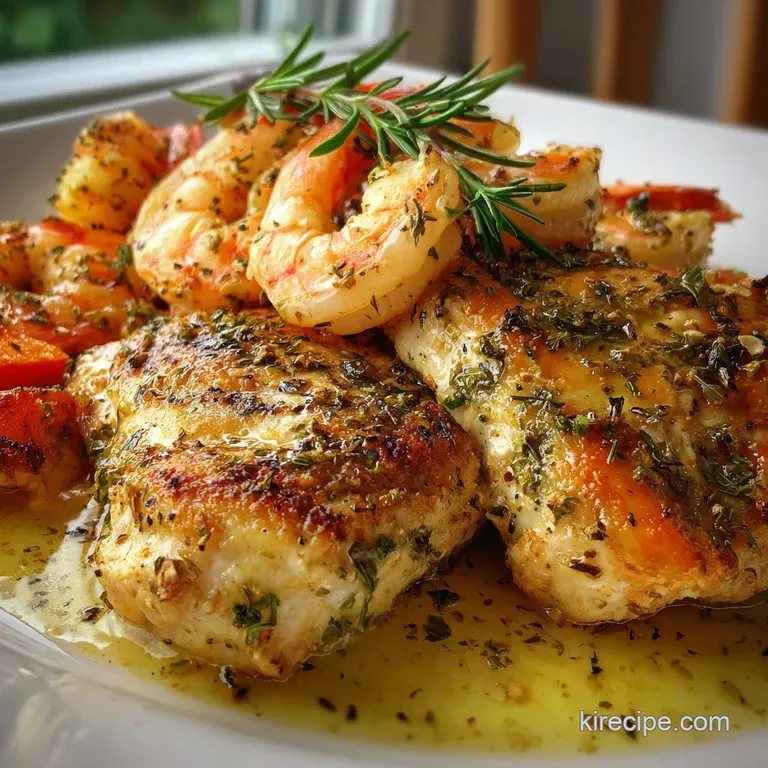
- Prep the proteins. Pat the chicken strips and shrimp completely dry with paper towels. Note: Moisture is the enemy of a good sear.
- Season the meat. Toss the chicken and shrimp in a bowl with salt, pepper, smoked paprika, and dried oregano until evenly coated.
- Heat the oil. Add the olive oil to your skillet over medium high heat until it shimmers and just starts to smoke.
- Sear the chicken. Place chicken strips in the pan in a single layer. Cook for 3-4 minutes per side until golden brown and cooked through.
- Remove and rest. Transfer the chicken to a plate and cover it loosely with foil. Note: This prevents it from drying out while you cook the rest.
- Cook the shrimp. In the same pan, add the shrimp. Sauté for 2 minutes until they turn opaque and pinkish orange. Remove and set aside with the chicken.
- Sauté the aromatics. Lower the heat to medium. Add the minced garlic and red pepper flakes. Stir for 1 minute until fragrant but not browned.
- Deglaze the pan. Pour in the chicken broth. Use a wooden spoon to scrape up the browned bits (the fond) from the bottom.
- Build the emulsion. Whisk in the cold, cubed butter one piece at a time. Add the lemon juice and parsley.
- Combine and serve. Return the chicken and shrimp to the pan. Toss for 30 seconds until everything is glossy and coated in sauce.
Fix Common Cooking Mistakes Fast
The most common issue I see with any Shrimp Recipe with Garlic and Herbs is the "rubbery shrimp" syndrome. This happens when the shrimp sits in the bubbling sauce for too long. If you're worried about timing, it's better to undercook the shrimp by 30 seconds initially, as they will finish perfectly when you toss them back into the warm sauce at the very end.
Why Your Shrimp Is Tough
Shrimp cooks incredibly fast. If they form a tight "O" shape, they are overcooked. You are looking for a gentle "C" shape. If this happens, remove the pan from the heat immediately and add a splash of extra broth to cool the sauce down.
Why Your Sauce Is Watery
If the sauce doesn't cling to the meat, the emulsion didn't form properly. This usually happens if the broth was boiling too hard when you added the butter, or if the butter was too warm. You need the temperature difference between the hot broth and cold butter to create that velvety finish.
| Problem | Root Cause | Solution |
|---|---|---|
| Bitter Garlic | Heat too high/burned | Sauté garlic on medium low for only 60 seconds. |
| Gray Meat | Overcrowded pan | Cook in two batches to allow steam to escape. |
| Thin Sauce | Butter was too soft | Use butter straight from the fridge and whisk vigorously. |
Common Mistakes Checklist
- ✓ Pat the chicken and shrimp bone dry before seasoning (prevents steaming).
- ✓ Don't move the chicken for the first 3 minutes to allow a crust to form.
- ✓ Use a cold butter whisking technique to ensure a glossy, thick sauce.
- ✓ Add the lemon juice only at the very end to keep the flavor bright.
- ✓ Avoid using bottled garlic; the pre chopped stuff in jars has a metallic aftertaste.
Simple Swaps and Ingredient Variations
If you want to change things up, this recipe is very forgiving. If you prefer a bit more heat, you can double the red pepper flakes. For a Mediterranean vibe, adding some halved cherry tomatoes during the garlic sauté step adds a nice burst of acidity. If you want something heartier than seafood tonight, you might love this Ground Beef Pasta recipe.
Scaling for a Crowd
If you are doubling this recipe, do not try to cook all the meat at once. Your pan will get cold, and the meat will just boil in its own liquid. Work in batches, keeping the first round of chicken warm in a low oven (about 200°F) while you finish the rest.
For spices, you only need to increase them by about 1.5 times rather than doubling, as the flavor carries well in the fat.
| Change | Adjustment | Result |
|---|---|---|
| Half Batch | Use a smaller skillet | Keeps the sauce from evaporating too fast. |
| Double Batch | Cook meat in 3 batches | Ensures a crispy sear on every piece. |
| Low Carb | Swap broth for dry wine | Adds depth with fewer sugars. |
Keeping Your Leftovers Fresh Longer
Storage for seafood is always a bit tricky. You can keep leftovers in an airtight container in the fridge for up to 2 days. When you go to reheat it, avoid the microwave if possible it will turn the shrimp into little pebbles.
Instead, put it back in a skillet over low heat with a tiny splash of broth or water to loosen the sauce.
For zero waste, don't throw away those shrimp shells! If you have the time, you can toss them in a small pot with some water, onion scraps, and celery to make a quick seafood stock. It freezes beautifully and makes an incredible base for future soups or risottos.
Best Sides for Garlic Seafood
This dish is naturally low carb, but it begs for something to soak up that incredible garlic butter sauce. I usually serve it over a bed of zucchini noodles or a simple cauliflower mash to keep it light. However, if you're not counting carbs, a crusty baguette is mandatory for swiping through the pan at the end.
For a crunchy side that kids will actually eat, check out this Pillsbury Crescent Roll recipe. It's the perfect textural contrast to the silky sauce of the with Garlic and Herbs chicken. Trust me, once you taste that lemon garlic butter combo, you won't want to leave a single drop behind.
Kitchen Myths Debunked
Many people believe that searing meat "seals in the juices." Honestly, that is not true. Searing is all about the Maillard reaction, which is a chemical reaction between amino acids and reducing sugars that gives browned food its distinctive flavor.
Moisture loss happens regardless of how hard you sear, so the key to "juiciness" is actually not overcooking the internal temperature.
Another common myth is that you can't use butter for searing because it burns too easily. While true on its own, when you combine butter with olive oil, the oil helps stabilize the butter.
However, in this Simple Chicken and Shrimp Recipe Garlic Herbs, we use oil for the sear and butter for the sauce finish, which gives you the best of both worlds: over high heat browning and a rich, creamy finish. Let's be real, low-fat butter substitutes just won't give you that shatter crisp edge we are looking for.
Right then, you are ready to hit the kitchen. Just remember: keep that pan hot, that butter cold, and don't walk away from the garlic! This Healthy Chicken and Shrimp Garlic Herb Recipe is proof that you don't need hours to make something that tastes absolutely legendary.
Enjoy your Garlic Herb Chicken and Shrimp Dinner!
Recipe FAQs
Is it okay to cook chicken and shrimp together?
No, not without careful timing. Chicken requires a longer cooking time than shrimp, so you must sear the chicken first, remove it, and then add the shrimp separately to prevent the shrimp from turning rubbery.
What herbs go best with shrimp?
Parsley, dill, and tarragon are excellent choices. For this specific recipe, dried oregano works well because it holds up to the high heat searing process alongside the garlic.
What herbs go well with garlic chicken?
Rosemary, thyme, and dried oregano are classic companions to garlic chicken. Since this recipe uses a simple garlic butter finish, oregano adds an earthy depth that complements the paprika beautifully.
What's the best way to season chicken and shrimp?
Pat the proteins very dry, then season generously with salt, pepper, and smoked paprika before cooking. Keeping the seasoning simple allows the fresh garlic and final lemon butter sauce to truly shine through.
How do I prevent my sauce from becoming thin and watery?
Finish the sauce by whisking in cold, cubed butter off the heat. This creates a quick, stable emulsion that thickens the pan liquids, similar to how you would stabilize a reduction sauce.
Why does my chicken taste steamed instead of seared?
Your pan temperature was too low when you added the chicken. The oil must be shimmering hot so the meat immediately seizes up and browns; if the pan is not hot enough, the chicken releases moisture and boils in its own juices.
Can I use cream instead of butter to make the sauce richer?
Yes, but you sacrifice the silky emulsion texture for a heavier sauce. If you prefer a very rich, heavy sauce, consider adapting the flavor profile toward one used in a Garlic Cream Sauce for Pizza in 20 Minutes: Silky, though it requires a lower cooking temperature.
Garlic Chicken Shrimp Skillet
Ingredients:
Instructions:
Nutrition Facts:
| Calories | 376 kcal |
|---|---|
| Protein | 46.8 g |
| Fat | 19.2 g |
| Carbs | 3.1 g |
| Fiber | 0.6 g |
| Sugar | 0.4 g |
| Sodium | 745 mg |
