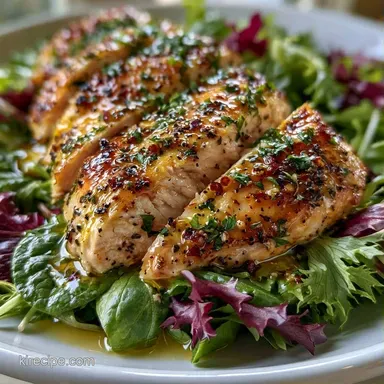
Pan-Seared Garden Chicken Salad
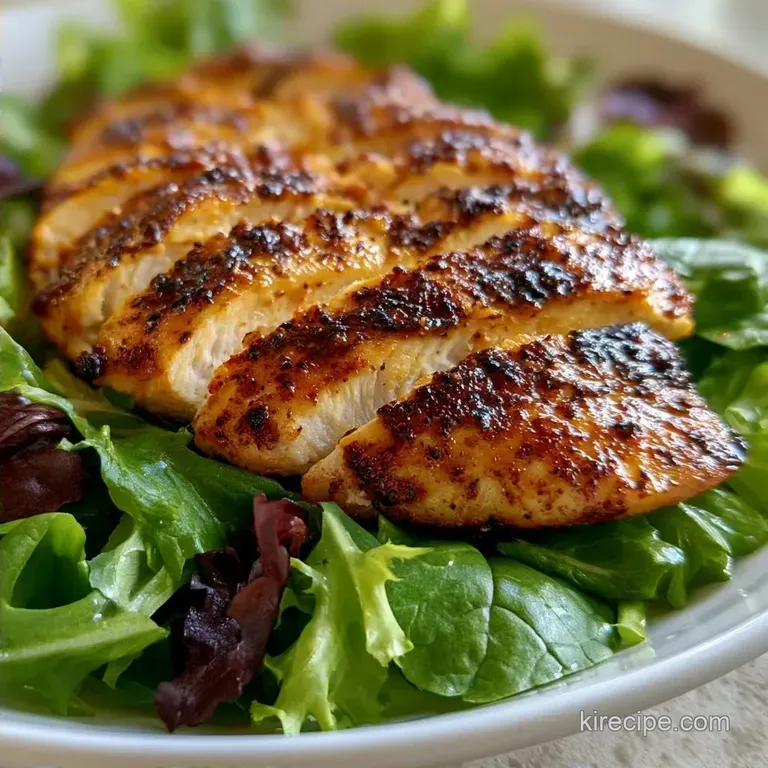
- Time: 15 minutes active, 10 minutes cooking
- Key Appeal: Tangy dressing with a satisfying crunch
- Ideal for: Nutritious weekday lunches or batch prepping
The sharp, aggressive hiss of a chicken breast hitting a hot skillet is the only wake-up call I need. That sound promises a meal that tastes like real effort, even when you're in a rush.
I used to dismiss salads as mere "filler" food, the kind of meal you eat to be healthy but find yourself raiding the pantry for crackers an hour later.
Then I began experimenting with contrast. I realized the difference between a bland bowl of leaves and a proper Garden Chicken Salad comes down to temperature and texture. Pairing a hot, savory piece of meat with a cold, snapping cucumber keeps the palate interested.
It stops being a dietary chore and becomes genuine fuel.
This recipe provides the protein needed to power through a long afternoon. This Garden Chicken Salad doesn't rely on fancy garnishes or expensive oils; it's about using basic garden staples and nailing the sear so the chicken remains tender rather than rubbery.
Garden Chicken Salad
The logic here is simple. Most people make the mistake of poaching their chicken, which leaves it bland and wet. By searing the meat in a pan, we create brown, savory bits on the surface that add a deep flavor without needing heavy sauces.
The Meat Rest: Letting the chicken sit for 5 minutes keeps the juices inside the meat. If you slice it immediately, the liquid runs out and the chicken turns dry.
The Vinaigrette Shake: Shaking the dressing in a jar forces the honey and mustard to bind the oil and vinegar. This prevents the dressing from separating and sliding off the leaves.
Recipe Specs
When deciding how to cook your protein, you have two main routes. Most of us prefer the skillet for speed, but the oven is better for bulk.
| Method | Heat Style | Effort Level | Result |
|---|---|---|---|
| Stovetop | Direct, High | Active | Deep brown crust, faster |
| Oven | Indirect, Steady | Passive | Even cook, better for 4+ breasts |
The stovetop is my go to for this Garden Chicken Salad because I love that charred edge. Just keep an eye on the heat so the garlic powder doesn't burn.
What Each Ingredient Does
I've found that picking the right greens changes everything. I use spring mix because it's tender, but if you want something that stands up to the warm chicken, baby spinach or romaine works too.
| Ingredient | Role | If You Don't Have It |
|---|---|---|
| Chicken Breast | Lean protein base | Turkey breast or Tofu |
| Apple Cider Vinegar | Bright, tangy acid | Red wine vinegar or Lemon juice |
| Dijon Mustard | Emulsifier & tang | Whole grain mustard |
| Avocado | Creamy healthy fat | Toasted pumpkin seeds |
Adding a bit of honey to the dressing cuts through the sharp vinegar. It doesn't make the salad sweet, but it rounds out the edges of the flavor.
Tools You'll Need
While you can use basic kitchenware, certain tools help speed things up. I prefer a heavy-bottomed skillet, such as cast iron or stainless steel, because they hold heat better than thin non-stick pans, ensuring the chicken gets that beautiful golden color.
A small mason jar is essential for the dressing; shaking it is far easier than whisking in a bowl, and you can store any leftovers right inside. I also suggest using a sharp chef's knife to ensure the cucumbers and peppers are sliced cleanly without bruising.
Finally, a digital meat thermometer removes the guesswork. I always pull the chicken at 165°F (74°C) to ensure it's safe to eat but still juicy.
Putting the Meal Together
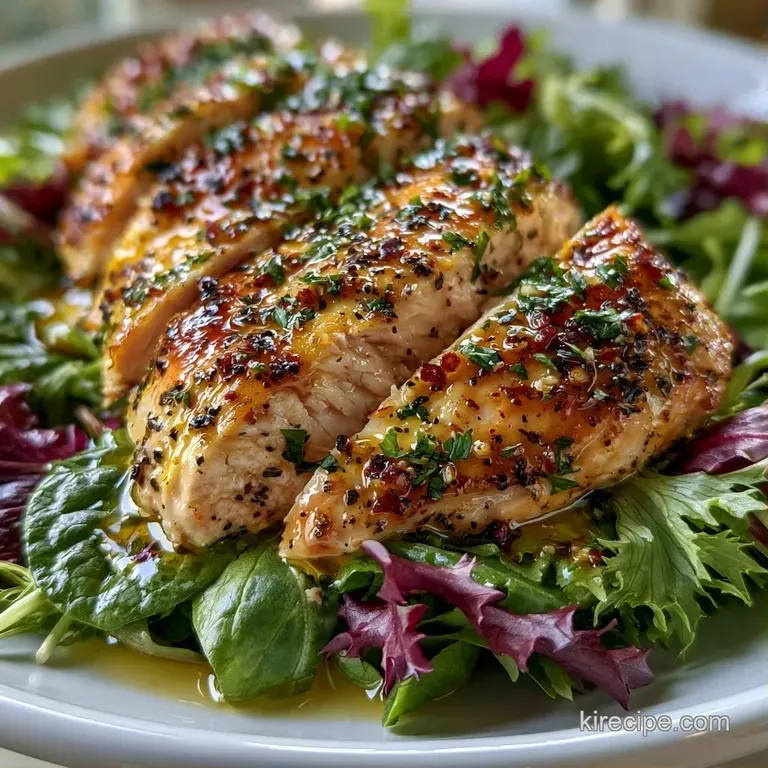
Let's dive into the preparation. Follow these instructions to ensure your meat stays juicy and your vegetables remain crisp.
Rubbing the Chicken
Use paper towels to pat the chicken breasts until they are completely dry. Because moisture prevents a proper sear, this is a vital step. Rub both sides with 1 tbsp olive oil, 1/2 tsp salt, 1/2 tsp pepper, and 1/2 tsp garlic powder.
Note: Applying the oil directly to the meat instead of the pan helps prevent the oil from smoking too quickly.
Searing the Meat
Heat a skillet over medium-high heat until a drop of water sizzles and evaporates instantly. Add the chicken to the pan. Cook for 5–7 minutes per side until the exterior is golden brown and the internal temp hits 165°F.
The Resting Phase
Move the chicken to a plate and let it rest for 5 minutes. This allows the muscle fibers to relax and reabsorb the juices. Cutting into the meat too soon will cause the flavor to leak onto the cutting board.
Prepping the Greens
While the meat rests, use a large mixing bowl. Combine 6 cups mixed spring greens, 1 cup halved cherry tomatoes, 1 cup sliced English cucumber, 1 cup shredded carrots, 1 cup diced red bell pepper, and 1/2 cup thinly sliced red onion. Toss lightly to ensure the colors are evenly distributed.
Mixing the Dressing
Combine 1/3 cup extra virgin olive oil, 3 tbsp apple cider vinegar, 1 tbsp honey, 1 tsp Dijon mustard, 1 minced garlic clove, 1/4 tsp salt, and 1/4 tsp pepper in a mason jar. Tighten the lid and shake vigorously until the emulsion is smooth and glossy.
Final Assembly
Drizzle the dressing over the salad base and toss gently using tongs. Top the dish with your sliced seared chicken and cubed avocado. This prevents the avocado from being smashed into the greens.
Chef Tip: To stop the avocado from browning if you aren't serving it right away, toss the cubes in a splash of lime juice or a bit of the dressing before adding them to the bowl.
How to Fix Common Problems
Even a straightforward Garden Chicken Salad can have its mishaps, often stemming from poor timing or incorrect temperatures.
Rubbery Chicken Fix
If the meat has a rubbery, eraser-like texture, it's probably overdone. To prevent this next time, rely on a meat thermometer. For already overcooked pieces, slice them very thinly across the grain; this disrupts the tough fibers and makes them much easier to chew.
Soggy Lettuce Fix
Greens turn soggy when dressed too soon because the acid in the vinegar degrades the cell walls. Apply the dressing only right before serving. For weekly prep, keep the dressing in a separate container and store the greens in a dry jar. For a different approach, try a pasta salad meal prep, which holds up much better to dressing over time.
Too Much Acid
If the flavor is overly sharp or "stings" your tongue, there is too much vinegar. Avoid adding more oil immediately, as this can make the salad greasy. Instead, stir in another teaspoon of honey or a pinch of salt. Salt helps mute the perception of acidity, balancing the taste without adding extra sweetness.
Changing Up the Flavors
Garden Chicken Salad is incredibly versatile. You can easily customize the ingredients using whatever is in your refrigerator without upsetting the dish's balance.
For a different flavor profile, try swapping my homemade vinaigrette for a quick Italian dressing to get that classic deli taste. If you enjoy a bit of heat, stirring some crushed red pepper into the chicken seasoning works great.
Decision Shortcut: Extra tang? → fold in 1 tsp lemon zest More crunch? → add 2 tbsp toasted sunflower seeds Creamier feel? → swap honey for 1 tbsp Greek yogurt
To make this plant-based, replace the chicken with grilled halloumi or thick slices of roasted cauliflower. Getting a good sear is the most critical part, so ensure your substitute develops a similar golden crust in the pan.
Saving Your Leftovers
While this Garden Chicken Salad is wonderful fresh, it also makes an excellent meal-prep option if stored correctly. To keep everything crisp, store the seared chicken and chopped vegetables in separate containers and keep the dressing in its own jar.
This prevents the greens from wilting and the meat from becoming soggy.
Refrigerated chicken remains fresh for 3–4 days, while the chopped vegetables (excluding the avocado) stay crunchy for about 2 days. When you're ready to serve, simply combine the ingredients and top with a fresh slice of avocado.
Sustainable Hack: Save your red onion ends and bell pepper stems instead of discarding them. Collect these and other vegetable trimmings in a freezer bag. When you have enough, simmer them in water for an hour to create a homemade vegetable broth for your next soup.
How to Serve It
While this recipe is filling enough as a standalone meal, I enjoy adding a bit more substance. Serving it with warm pita bread or a slice of toasted sourdough is a perfect way to catch every drop of the avocado and dressing.
For beverages, something crisp and effervescent is the way to go. An iced green tea or seltzer with a splash of lime provides a refreshing contrast to the savory chicken and creamy avocado.
If you're feeding a group, try a "buffet style" arrangement so guests can customize their bowls with more tomatoes or fewer onions.
Believe me, once you experience that high-heat sear, you'll never go back to boiling your chicken. It elevates a simple Garden Chicken Salad into a truly satisfying experience. Now, get that pan searing hot and start cooking.
Recipe FAQs
How to enhance the flavor of the chicken?
Rub the meat with olive oil, salt, pepper, and garlic powder before searing. This creates a savory crust that adds depth without needing heavy sauces.
Is it true that chicken must be poached for salads?
No, this is a common misconception. Searing the chicken in a skillet over medium-high heat provides a golden-brown exterior and superior taste.
What can I serve alongside this salad for dinner?
Pair this meal with a side of crusty sourdough or a light soup. If you enjoy the zesty balance of this vinaigrette, see how we use similar acid techniques in our tartar sauce.
Why should the chicken rest before slicing?
Resting the meat for 5 minutes keeps the natural juices inside. Slicing it immediately causes the liquid to run out, which leaves the chicken dry.
Does the dressing need to be made immediately before serving?
This one's false: you can prepare it in a mason jar ahead of time. Just shake it vigorously to emulsify the olive oil and apple cider vinegar before drizzling.
Garden Chicken Salad in 25 Minutes