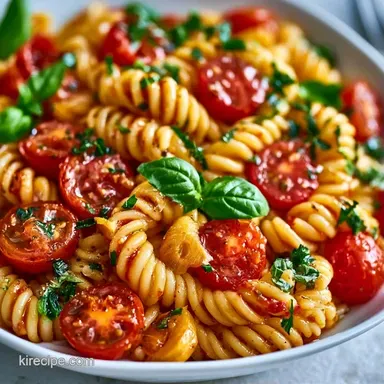
Fresh Tomato Basil Pasta in 25 Minutes
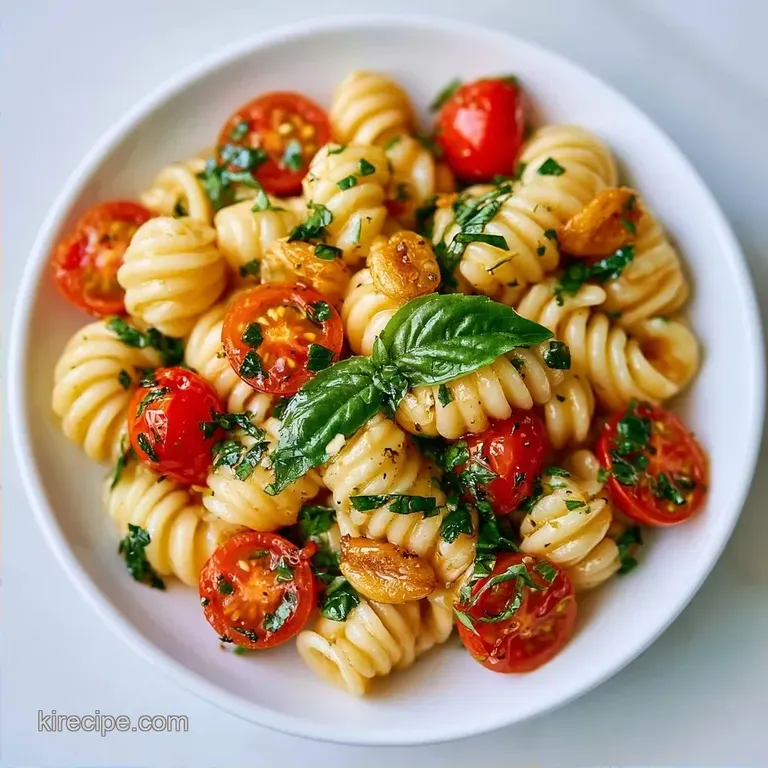
- Time: 10 min active + 15 min cook
- Flavor/Texture Hook: Jammy, bursting tomatoes with a glossy finish
- Perfect for: Busy weeknights or a quick date night dinner
- Making Fresh Tomato Basil Pasta Easy
- Why the Method Works
- Ingredient Deep Dive
- Essential Kitchen Gear
- How to Make It
- Common Mistakes & Troubleshooting
- Creative Twists and Swaps
- Adjusting the Portion Size
- Debunking Pasta Myths
- Storage Guidelines
- Serving and Enjoying
- Very High in Sodium
- Recipe FAQs
- 📝 Recipe Card
Making Fresh Tomato Basil Pasta Easy
That loud, aggressive sizzle when cherry tomatoes hit hot olive oil is the best part of this meal. I used to think a real Italian sauce had to bubble on the stove for four hours to taste "authentic," but that's a total myth. Long simmering actually kills the bright, zippy flavor of summer tomatoes.
You don't need a slow cooker or a whole afternoon to get a deep flavor. By blistering the tomatoes quickly, you keep the freshness while getting that concentrated sweetness. This Fresh Tomato Basil Pasta is all about speed and high-quality basics.
Expect a dish that feels light but hits hard with garlic and basil. It's a fuss free way to get a meal on the table that feels like it belongs in a bistro, even if you're just eating it in your pajamas.
Why the Method Works
- over High heat Blistering: Cooking tomatoes undisturbed for a few minutes makes the skins pop and the sugars caramelize, which thickens the sauce naturally.
- Pasta Water Emulsion: The starch in the reserved water acts as a bridge between the oil and the tomato juice, creating a glossy coating that sticks to the noodles.
- Late Basil Addition: Adding the herbs after the heat is off prevents them from turning brown or losing their peppery punch.
| Method | Time | Texture | Best For |
|---|---|---|---|
| Fast Blistered | 25 mins | Jammy & Bright | Weeknights |
| Classic Simmer | 2+ hours | Thick & Sweet | Sunday Dinner |
Ingredient Deep Dive
Understanding how these parts interact helps you adjust the recipe on the fly. For example, using a higher quality olive oil makes a noticeable difference here since it's a primary flavor.
| Ingredient | What It Does | Best Swap |
|---|---|---|
| Cherry Tomatoes | Provides the bulk and acidity | Grape tomatoes |
| Pasta Water | Binds oil and juice | A pinch of cornstarch in water |
| Balsamic Vinegar | Adds a sweet, tangy depth | Lemon juice |
| Fresh Basil | Gives a peppery, herbal finish | Fresh parsley |
Essential Kitchen Gear
You only need a couple of things for this. A large pot for the pasta and a wide skillet are the main players. I prefer a stainless steel or cast iron skillet because they hold heat better, which helps those tomatoes blister faster.
A microplane or a fine grater for the parmesan is helpful, but a box grater works fine too.
Avoid using a non stick pan if you can. You want some of those tomato sugars to stick to the bottom slightly and then deglaze with the pasta water. That's where the flavor lives.
How to Make It
For the Pasta & Garnish
- Boil a large pot of heavily salted water. Note: Salt the water like the sea so the pasta itself is seasoned.
- Cook 450g spaghetti or linguine until al dente.
- Reserve 120ml of the starchy pasta water before draining the noodles.
For the Homemade Tomato Basil Pasta Sauce
- Heat 60ml olive oil in a skillet over medium heat.
- Sauté 20g sliced garlic and 1g red pepper flakes for 1-2 minutes until fragrant and translucent.
- Turn heat to medium high and add 500g halved cherry tomatoes.
- Cook undisturbed for 3-4 minutes until skins pucker, then stir and cook 5 more minutes until jammy.
- Stir in 5ml balsamic vinegar, 6g sea salt, and 1g black pepper.
Finishing the Dish
- Toss the drained pasta into the skillet.
- Pour in the reserved pasta water and 25g of parmesan cheese, tossing vigorously. Note: This creates a velvety emulsion that clings to the pasta.
- Remove from heat and stir in 30g torn basil leaves and the remaining 25g parmesan.
Common Mistakes & Troubleshooting
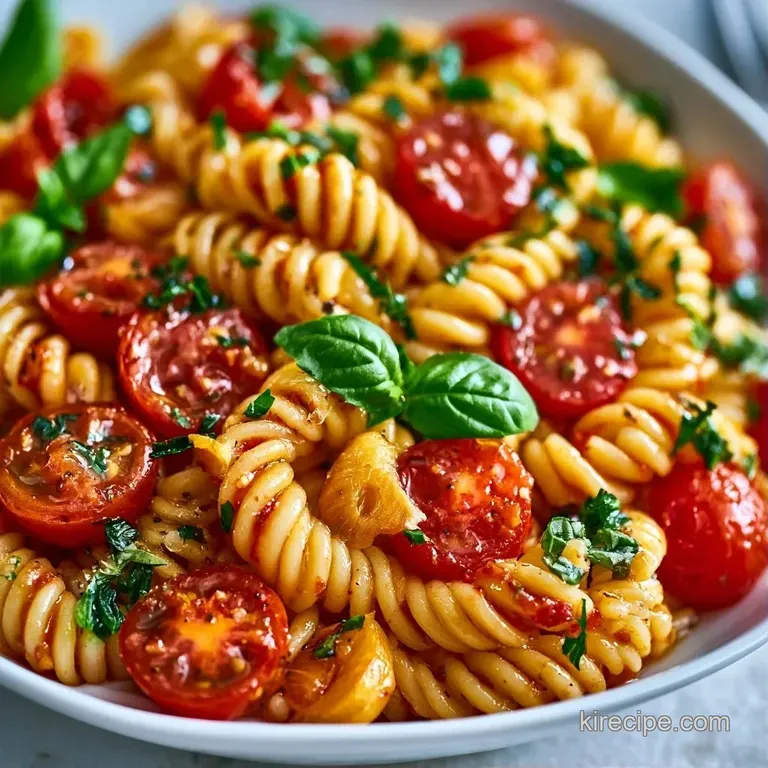
The most frequent issue is a sauce that feels "broken" or watery. This usually happens if you skip the pasta water or don't toss the noodles vigorously enough. According to Serious Eats, the starch in the water is what stabilizes the fat in the oil.
Why Your Sauce Is Watery
If the liquid is pooling at the bottom of the plate, you likely didn't emulsify the fats. The solution is to add a bit more cheese or a splash more pasta water and toss the pasta over medium heat for another 60 seconds.
Preventing Burnt Garlic
Garlic burns in seconds at high heat, becoming bitter. Always start the garlic in medium heat oil before cranking it up for the tomatoes.
Fixing Muted Flavors
If the dish tastes flat, it's almost always a lack of acid or salt. A tiny squeeze of lemon or an extra drop of balsamic vinegar wakes everything up instantly.
| Problem | Root Cause | Solution |
|---|---|---|
| Watery sauce | Lack of starch/emulsion | Toss vigorously with more parmesan |
| Bitter taste | Burnt garlic | Sauté garlic on medium heat only |
| Bland flavor | Under salted pasta water | Add a pinch of salt at the end |
Creative Twists and Swaps
I love this as a base, but you can easily shift the vibe. If you want something completely plant based, my vegan basil sauce is a great alternative. For those who want more protein, adding sautéed shrimp or grilled chicken works well. Just sear the protein first, remove it from the pan, and add it back at the very end.
For a deeper, richer flavor, you could swap the fresh tomatoes for a San Marzano sauce. This changes the dish from a "fresh" summer vibe to a more comforting, wintery meal. If you have ricotta in the fridge, dolloping a few spoonfuls on top before serving adds a creamy contrast to the acidity.
| Original Ingredient | Substitute | Why It Works |
|---|---|---|
| Spaghetti | Penne or Fusilli | Better for catching chunks of tomato |
| Parmesan | Pecorino Romano | Saltier, sharper flavor profile |
| Balsamic Vinegar | Red Wine Vinegar | More acidic, less sweet |
| Cherry Tomatoes | Canned Diced Tomatoes | Constant availability; denser sauce |
Adjusting the Portion Size
When you're cooking for just yourself, cutting this in half is easy. Use a smaller skillet so the tomatoes don't spread out too much and lose heat. Reduce the cooking time for the tomatoes by about 20% since there's less mass in the pan.
If you're feeding a crowd (8+ people), don't try to do it all in one pan. Overcrowding the skillet means the tomatoes will steam instead of blister, and you'll lose that jammy texture. Work in two batches.
Also, only increase the red pepper flakes and salt to about 1.5x rather than doubling them, as these flavors can become overpowering in large volumes.
Debunking Pasta Myths
You might hear that you need to rinse your pasta after draining. Don't do it. Rinsing removes the surface starch that helps the Fresh Tomato Basil Pasta sauce stick to the noodles. You'll end up with a pile of plain noodles and a puddle of sauce.
Another common myth is that adding oil to the boiling water prevents sticking. It doesn't. All it does is create a slick film on the pasta that actually prevents the sauce from adhering. Just use a large pot and stir the pasta occasionally during the first two minutes of cooking.
Storage Guidelines
This dish is best eaten immediately, but it keeps in the fridge for up to 3 days in an airtight container. The basil will darken, which is normal, but the flavor stays solid.
To reheat, avoid the microwave if possible. Put the pasta back in a skillet over medium heat with a tablespoon of water or olive oil. This loosens the sauce and brings back the glossy texture.
For zero waste, save your tomato stems and the ends of the basil stalks. Toss them into a freezer bag with onion scraps and carrot peels to make a quick vegetable broth later. If you have leftover parmesan rinds, throw them into a simmering pot of soup for a massive hit of umami.
Serving and Enjoying
I like to serve this in shallow bowls to keep the heat in. To make it feel a bit more special, finish the plate with a drizzle of high-quality extra virgin olive oil and a few whole, tiny basil leaves on top.
Pair it with a crisp arugula salad or some toasted sourdough bread to soak up the leftover jammy tomato bits. If you're feeling fancy, a glass of chilled Pinot Grigio cuts through the richness of the parmesan perfectly.
This Fresh Tomato Basil Pasta is simple, but when the ingredients are fresh and the heat is high, it's hard to beat.
Very High in Sodium
1150 mg 1,150 mg of sodium per serving (50% 50% of daily value)
The American Heart Association recommends a daily sodium limit of no more than 2,300 mg, with an ideal limit of 1,500 mg for most adults to reduce cardiovascular risk.
Tips to Reduce Sodium
-
Reduce Added Salt-25%
Cut the sea salt amount by half or replace it with a potassium-based salt substitute to significantly lower the sodium content.
-
Limit Parmesan Cheese-15%
Reduce the parmesan cheese to 20g or substitute with a smaller amount of a stronger, aged cheese to maintain flavor with less salt.
-
Unsalt the Pasta Water-10%
Avoid adding salt to the water used to boil the spaghetti; the reserved pasta water will then contribute zero additional sodium.
-
Enhance with Fresh Aromatics
Double the amount of fresh basil or add a squeeze of fresh lemon juice to provide a bright, acidic pop that mimics the taste of salt.
Recipe FAQs
How to cook pasta with fresh tomatoes and fresh basil leaves?
Sauté garlic and red pepper flakes in olive oil, then cook halved cherry tomatoes until jammy. Toss in al dente pasta with 120ml of reserved pasta water and parmesan to emulsify, stirring in fresh basil at the very end.
What are some good ways to use fresh basil when cooking?
Stir it in after removing the pan from the heat. Adding torn or chiffonade basil as a final step prevents the leaves from wilting and preserves their aromatic oils.
What's your go-to basil recipe?
This fresh tomato basil pasta is a top recommendation. It balances the sweetness of blistered cherry tomatoes with the acidity of balsamic vinegar and fresh greens.
What are some good tomato basil recipes?
Stick to a light, skillet-tossed version. Using fresh cherry tomatoes instead of canned ones creates a vibrant, jammy sauce that highlights the natural produce.
Can I turn this into a Caprese Pasta Salad?
Yes, simply serve the dish cold. Let the cooked pasta and tomato mixture cool completely before tossing with fresh basil and parmesan for a refreshing result.
What's the secret to a velvety sauce in fresh tomato basil pasta?
Vigorously toss the pasta with reserved starchy water. This stabilizes the olive oil and parmesan into a smooth emulsion. If you enjoyed mastering this technique here, see how the same principle works in our pepper sauce.
Is it true that I should add basil while the tomatoes are simmering?
No, this is a common misconception. Cooking basil for too long destroys its delicate flavor and turns the leaves brown; always stir it in after the heat is off.
Fresh Tomato Basil Pasta in 25 Minutes