Fresh Figs with Goat Cheese with Honey
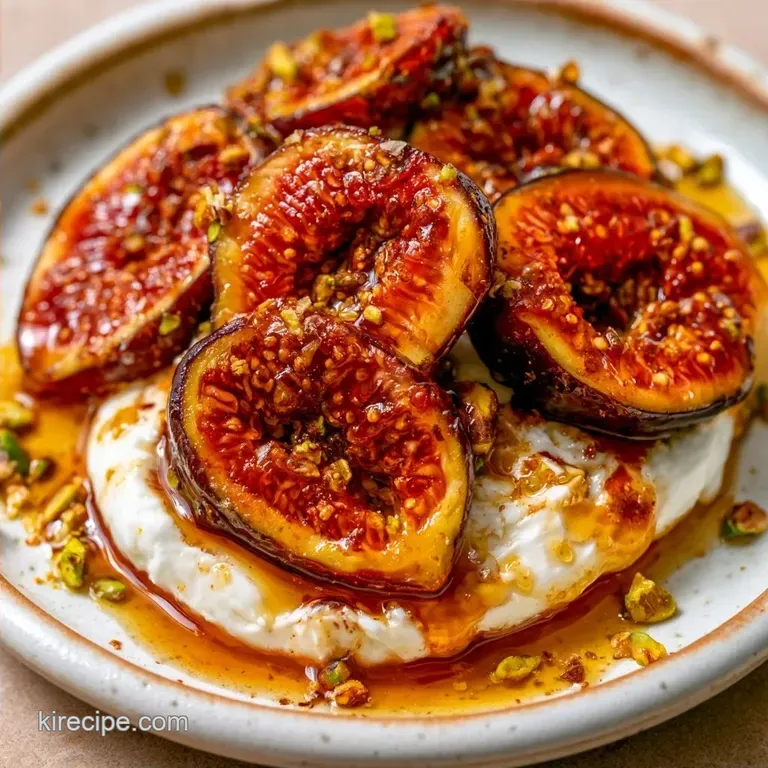
- Time: 12 min active
- Flavor/Texture Hook: Jammy, tangy, and crunchy
- Perfect for: Healthy dinner parties
Fresh Figs with Goat Cheese
Imagine walking through a grove in Greece or Turkey during late summer. The air smells of warm earth and ripening fruit. In these regions, figs aren't just a snack, they're a staple of the Mediterranean diet. They represent the simple, sun drenched luxury of eating food exactly as nature intended.
This dish takes those traditional roots and adds a bit of a modern, balanced twist. By pairing the fruit with a lean protein like goat cheese, you get a snack that feels fancy but stays light. It's about using fresh, raw ingredients to create something that feels curated.
You can expect a high contrast experience. The fruit is soft and honey like, the cheese is bright and acidic, and the nuts provide a necessary snap. It's a fast way to get a lot of flavor on the table without any heavy cooking.
Why the Flavors Balance
- Acid vs Sugar: The lactic acid in the goat cheese neutralizes the intense natural sugars of the fig. This keeps the dish from tasting like a dessert.
- Textural Triad: You get a "soft creamy crunchy" sequence in every bite. This variety keeps your palate engaged and prevents the flavor from becoming one dimensional.
- Enzymatic Freshness: Keeping the figs raw preserves their natural enzymes and vitamins. This maintains a clean, bright taste that baking sometimes masks.
| Method | Time | Texture | Best For |
|---|---|---|---|
| Raw (This Recipe) | 12 mins | Crisp & Fresh | Healthy snacks |
| Baked/Roasted | 25 mins | Jammy & Warm | Winter gatherings |
Ingredient Roles and Swaps
The balance here depends on the quality of the produce. Since there's no cooking to hide behind, the freshness of the fig is everything.
| Ingredient | What It Does | Best Swap |
|---|---|---|
| Fresh Figs | Sweet, jammy base | Dried figs (rehydrated) |
| Goat Cheese | Tangy, creamy contrast | Feta (crumbled) |
| Raw Honey | Floral sweetness | Maple syrup |
| Balsamic Glaze | Sharp acidity | Pomegranate molasses |
The Ingredient List
Gather these items before you start. Using room temperature cheese makes the filling process much smoother.
- 8 fresh figs (approx. 1 lb / 450g) Why this? Provides the natural sweetness and structure
- 4 oz (115g) soft goat cheese Why this? Adds a necessary tangy, probiotic element
- 1 tbsp (21g) raw honey Why this? Adds a floral, natural sugar layer
- 1 tbsp (15ml) balsamic glaze Why this? Concentrated acidity to cut the fat
- 2 tbsp (15g) crushed pistachios or slivered almonds Why this? Essential for textural contrast
- 1 sprig fresh thyme or mint Why this? Adds a fresh, earthy aromatic finish
Essential Kitchen Tools
No fancy equipment is required for this recipe. Simple kitchen staples will work perfectly.
- Paring knife: For carefully slicing the skin of the figs.
- Small spoon or piping bag: To fill the centers.
- Paper towels: To make sure the figs are thoroughly dry.
- Serving platter: To present the completed appetizers.
Putting It Together
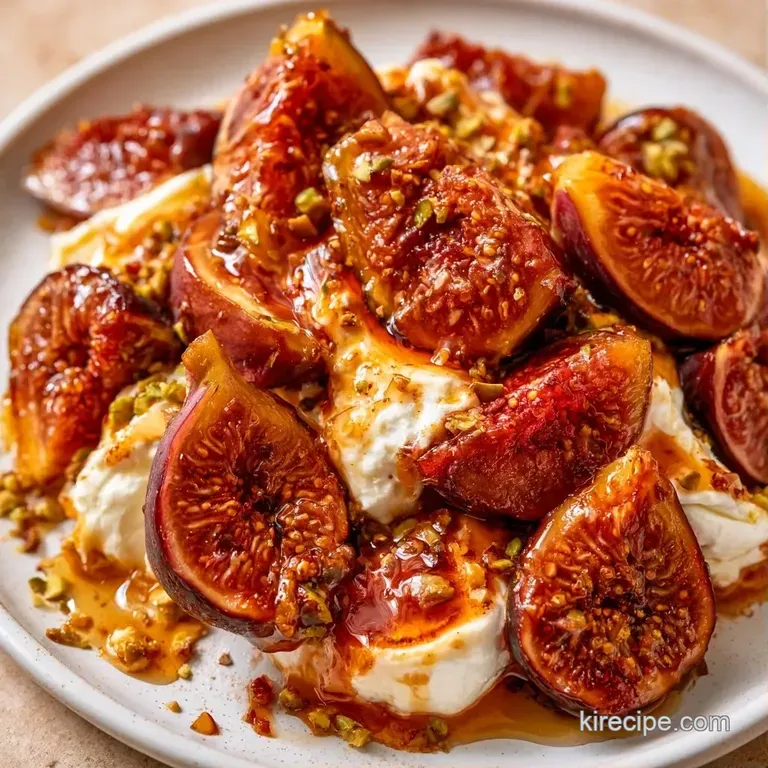
Follow these steps to ensure your appetizers stay structural and don't turn into a puddle on the plate.
Preparing the Figs
- Wash the figs under cold water.
- Pat them completely dry with a paper towel. Note: Moisture on the skin makes the glaze slide off.
- Slice each fig lengthwise from the stem to the base.
- Cut about three quarters of the way through to create a pocket.
- Press the center gently to widen the opening until it looks like a small canoe.
Stuffing the Cheese
- Scoop room temperature goat cheese.
- Fill the center of each fig.
- Create a velvety mound that sits slightly above the rim of the fruit. Note: Using a piping bag here makes the presentation cleaner.
The Finishing Touches
- Arrange the stuffed figs on your platter.
- Drizzle honey and balsamic glaze in thin streams.
- Sprinkle crushed pistachios evenly over the cheese.
- Garnish with tiny thyme leaves until the platter looks vibrant and green.
Avoiding Common Pitfalls
The biggest risk with this recipe is structural failure. If your figs are too ripe, they'll collapse under the weight of the cheese. I once tried this with overripe figs from a farmers market, and they basically turned into jam the moment I touched them.
Another issue is the "glaze slide." If the figs are damp, the honey and balsamic won't stick. They'll just pool at the bottom of the plate, leaving the fruit bland.
Managing Mushy Fruit
If the figs feel too soft when you squeeze them, don't stuff them. Instead, slice them into thick rounds and place a dollop of cheese on top. This saves the flavor without the mess.
Fixing Stiff Cheese
Cold goat cheese is hard to spoon and often tears the fig skin. Let it sit on the counter for 20 minutes. If you're in a rush, microwave it for 5-10 seconds just to soften the edges.
Handling Glaze Runoff
Too much glaze makes the dish overly sweet. Use a spoon to drizzle in thin lines rather than pouring.
| Problem | Fix |
|---|---|
| Figs collapse | Slice into rounds instead of stuffing |
| Cheese is lumpy | Let it reach room temperature first |
| Glaze pools | Pat fruit dry and drizzle sparingly |
Customizing the Flavors
After mastering the basic recipe, feel free to customize the flavors using whatever you have on hand. I prefer keeping these tweaks light and wholesome.
For a Savory Edge
Wrap a narrow sliver of prosciutto around each stuffed fig. The salt from the cure pairs perfectly with the sweetness of the honey.
For an Earthy Profile
Swap out the thyme for fresh rosemary. For a bit of heat, stir a small drop of Jalapeno Hot Sauce into the goat cheese before filling. This provides a subtle warmth that brightens the overall flavor.
For a Vegan Version
Swap the goat cheese for a cashew based alternative and use maple syrup instead of honey. Cashews provide a creamy richness similar to the original cheese.
| Goal | Exact Change |
|---|---|
| More zest? | Mix in 1 tsp lemon zest to the cheese |
| More crunch? | Use toasted walnuts rather than pistachios |
| Less sugar? | Omit honey and increase the balsamic glaze |
Freshness and Storage
These are best served immediately. The sugars in the fig start to draw moisture out of the cheese over time, which can make the bottom of the fruit soggy.
Storage Guidelines If you must store them, place the stuffed figs in a single layer on a tray and cover with plastic wrap. Keep them in the fridge for up to 24 hours. I wouldn't recommend going beyond that, as the texture of the fig degrades.
Freezing Do not freeze this dish. The water content in the fresh figs will create ice crystals, destroying the cell walls. When thawed, they'll be mushy and unappealing.
Zero Waste Tips Don't toss the fig stems. If you have a compost bin, they're great for it. If you're making a large batch, you can simmer any bruised fig scraps with a bit of water and cinnamon to make a quick, healthy syrup for oatmeal.
Great Pairing Suggestions
Because this is a light, fresh appetizer, you want to pair it with things that don't overwhelm the fruit. Avoid heavy, creamy dips.
I suggest serving these alongside a platter of sliced cucumbers and radishes. If you want something more substantial, they pair well with whole grain sourdough crisps. For a more complex flavor profile, you could serve a side of Sun Dried Tomato Cream Sauce as a dip for accompanying veggie sticks, providing a savory contrast to the sweet figs.
A crisp white wine or a sparkling water with a squeeze of lime keeps the palate refreshed between bites.
Nutritious Additions
To turn this into a light meal, place the stuffed figs over a bed of wild arugula. Toss the greens in a simple lemon and olive oil vinaigrette. This adds a peppery note that complements the goat cheese perfectly.
Fig Facts and Myths
A few common misunderstandings about preparing figs often discourage people from trying this recipe.
Myth: Figs must be oven baked to work as appetizers. In reality, raw figs are frequently better. Baking intensifies the sugars, which can lead to an overly sweet taste. Fresh figs offer a bright acidity that balances the richness of the cheese more effectively.
Myth: Goat cheese is always too pungent. It depends on the variety. Soft chèvre is typically mild and velvety. If you are concerned about the intensity, stir in a tablespoon of Greek yogurt; this tones down the tang while preserving the nutritional value.
Myth: You need special tools to pit figs. You don't. A standard paring knife is perfectly adequate. The "pocket" technique is much more efficient than attempting to scoop out the seeds.
Recipe FAQs
Do figs go with goat cheese?
Yes, they are a classic pairing. The sharp tang of the cheese balances the jammy sweetness of the fruit.
Which cheese pairs best with fresh figs?
Soft goat cheese is the ideal choice. Its bright acidity cuts through the sugars of the fig to keep the appetizer light.
How do you prepare fresh figs to eat?
Wash and pat the figs completely dry. Slice them lengthwise three quarters of the way through to create a pocket for filling.
Is it true that figs must be cooked to remove the skin?
Actually, no. The skin is entirely edible and provides a necessary structural contrast when eaten raw.
Can I use slivered almonds as a substitute?
Yes, slivered almonds work perfectly. If you enjoyed the crunch of nuts here, see how a similar textural contrast works in our healthy graham crackers.
Why use room temperature goat cheese?
Room temperature cheese is much easier to spoon or pipe into the fruit. This prevents the figs from tearing or bruising during assembly.
Should I add more honey for sweetness?
Stick to a light drizzle of honey. Too much sugar can overwhelm the delicate flavor of the fresh figs.
Must the fruit be peeled first?
That's a myth. Fresh fig skins are tender and contain nutrients, so there is no need to remove them.
Fresh Figs with Goat Cheese in 12 Minutes