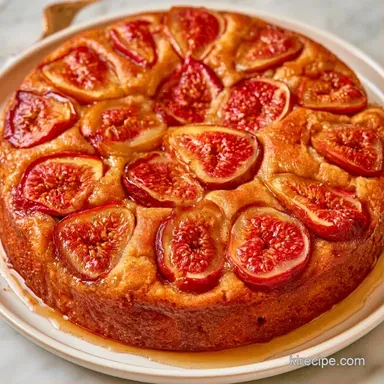
Moist Fig Cake Recipe with Fresh Figs
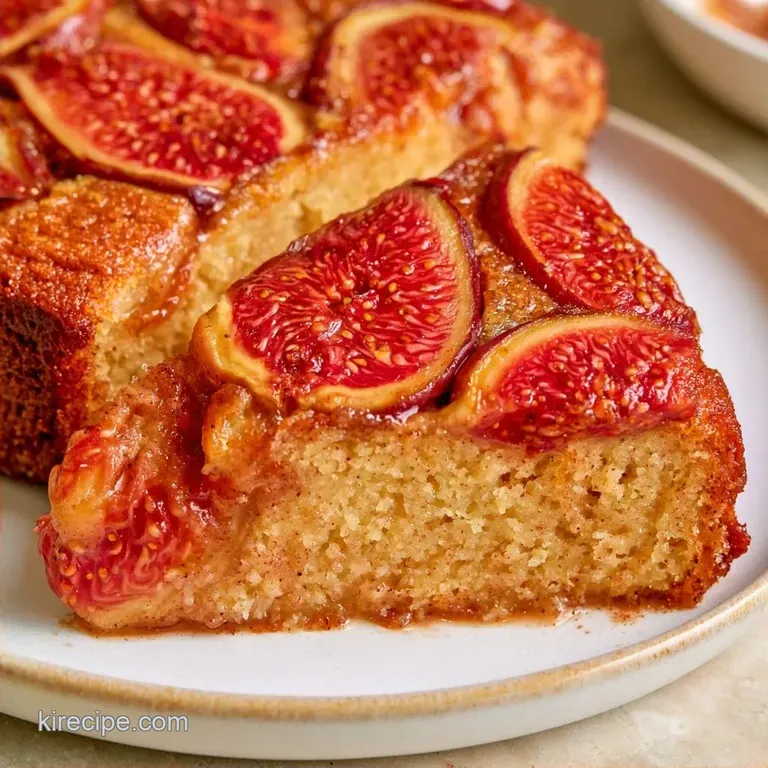
- Time: 15 min prep + 45 min in oven
- Flavor/Texture Hook: Bursts of jammy fruit nestled in a spiced, buttery sponge
- Perfect for: A cozy weekend treat or afternoon tea
There is nothing quite like the aroma of roasting figs and cinnamon filling the house on a Sunday. For a long time, I battled with fruit based cakes where everything would plummet to the bottom, leaving the top half bland and dry.
It is always disappointing to find a layer of soggy fruit concentrated at the base of your slice.
Everything improved once I adjusted how I handled the fruit. This Fresh Fig Cake Recipe focuses on structural integrity, providing a tender, buttery base that holds the weight of the figs without collapsing.
It’s an effortless victory; the preparation is fast, but the final product looks professional. You'll get a deep mahogany cake with a sophisticated flavor profile that is easy enough for any novice to master on their first attempt.
Easy Fig Cake Recipe with Fresh Figs
The core of this Fig Cake Recipe with Fresh Figs is about managing moisture and weight. Figs are heavy and leak water, which can ruin a sponge if you aren't careful.
Flour Coating: Tossing the fruit in flour creates a rough surface that grips the batter. Serious Eats' testing shows that this friction prevents the fruit from sliding to the bottom during the rise.
Acidic Balance: Using sour cream adds fat for moisture and acid to activate the baking soda. This ensures the cake stays tender and doesn't become tough or rubbery.
Why This Cake Actually Works
Accuracy is key in baking; a few minor adjustments can be the difference between a failed bake and a gourmet treat.
Precision Checkpoints:
- Cream butter and sugar for precisely 3 minutes to ensure proper aeration.
- Maintain a consistent oven temperature of 350°F (175°C) so the center cooks through without scorching the edges.
- Stick to a 45-minute bake time to prevent the fruit pockets from becoming too dry.
Decision Shortcut:
- For extra tang: substitute sour cream with full fat Greek yogurt.
- For a richer hue: replace granulated sugar with dark brown sugar.
- For a cleaner cut: leave the cake in its pan for 20 minutes before transferring it.
The Ingredient Breakdown
The balance here is between the sweetness of the figs and the tang of the dairy.
| Component | Purpose | Substitute Notes |
|---|---|---|
| All purpose Flour | Structure | Almond flour makes it denser and grainier |
| Sour Cream | Moisture/Tenderizer | Greek yogurt works well but is slightly tangier |
| Fresh Figs | Primary Flavor | Dried figs require soaking and alter the texture |
| Cinnamon | Warmth | Nutmeg or Allspice provide a different aromatic profile |
When you're gathering your supplies for this Fig Cake Recipe with Fresh Figs, make sure your butter is truly softened. If it's too cold, it won't trap air, and your cake will be flat. If it's melted, the emulsion will break.
| Original Ingredient | Substitute | Why It Works |
|---|---|---|
| Sour Cream (1/2 cup) | Full fat Greek Yogurt (1/2 cup) | Similar acidity and fat. Note: Slightly thicker consistency |
| Granulated Sugar (1 cup) | Light Brown Sugar (1 cup) | Adds molasses notes. Note: Makes the cake moister and darker |
| Unsalted Butter (1/2 cup) | Neutral Oil (1/3 cup) | Provides moisture. Note: Lacks the creamy flavor of butter |
The Full List:
- 2 ¼ cups (280g) all purpose flourWhy this? Standard protein for a sturdy but tender crumb
- 1 tsp (5g) baking powder
- ½ tsp (3g) baking soda
- ½ tsp (1g) salt
- 1 tsp (2g) ground cinnamon
- ½ cup (113g) unsalted butter, softenedWhy this? Essential for the creaming method
- 1 cup (200g) granulated sugar
- 2 large eggs (100g)
- 1 tsp (5ml) vanilla extract
- ½ cup (120g) sour cream or Greek yogurtWhy this? Adds richness and prevents dryness
- 2 cups (300g) fresh figs, stemmed and quartered
- 1 tbsp (8g) all purpose flour (for coating)
- 1 tbsp (15ml) lemon juice
- 2 tbsp (25g) melted butter
- 1 tbsp (12g) coarse turbinado sugar
Equipment For The Job
While you can use basic equipment, these specific tools will make the preparation easier.
- 9 inch round cake pan or Bundt pan
- Parchment paper (essential to prevent the cake from sticking)
- Hand mixer or stand mixer, such as a KitchenAid
- Medium mixing bowl for the fruit
- Large mixing bowl for the batter
- Silicone spatula for folding
Bringing the Cake Together
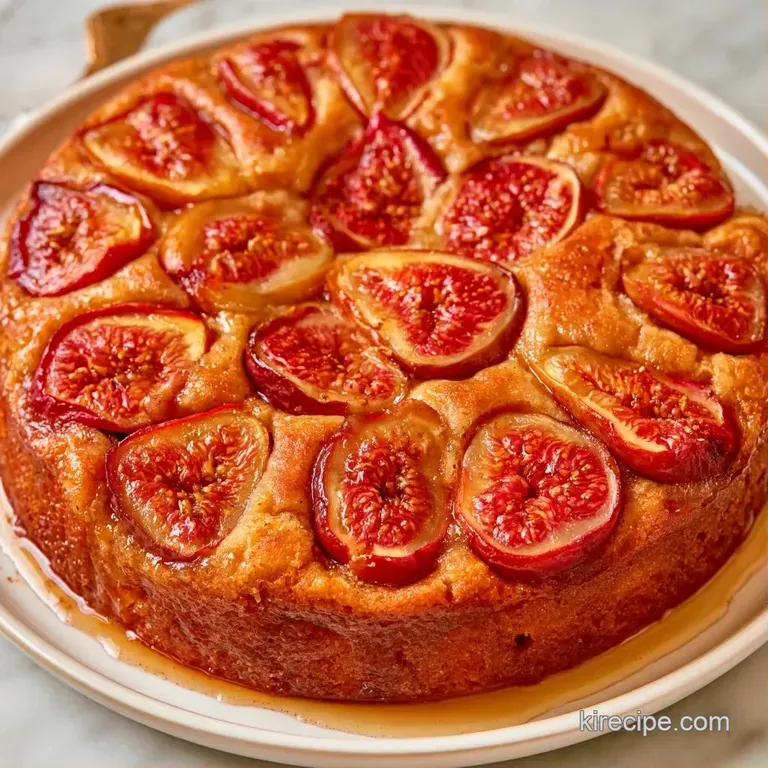
Let's start baking. Follow these instructions to get the best results from your fresh fig cake.
Preparing the Components
Preheat the oven to 350°F (175°C). Butter a 9 inch pan and place parchment paper on the bottom. In a mid-sized bowl, combine the quartered figs with lemon juice and 1 tablespoon of flour, letting them sit until coated.
Creaming the Base
Using medium high speed, beat the softened butter and granulated sugar for roughly 3 minutes until the mixture is pale and airy. Mix in the eggs individually, beating well after each, then stir in the sour cream and vanilla until smooth.
Folding in the Dry Ingredients
In another bowl, whisk the cinnamon, salt, baking soda, baking powder, and flour. Slowly incorporate this into the wet ingredients on low speed. Cease mixing once the flour is just combined; overworking the batter can make the cake too dense.
Incorporating the Figs
Carefully fold the floured figs into the batter using a spatula. Be gentle to avoid crushing the fruit or losing the air incorporated during creaming.
Baking and Finishing
Transfer the batter to the pan and level the top. Bake for 45 minutes until the center is set and a tester comes out clean. While still warm, brush the surface with melted butter and a dusting of turbinado sugar.
Fixing Common Baking Issues
Even with a plan, things happen in the kitchen. Here is how to handle them when making this Fig Cake Recipe with Fresh Figs.
Stopping Fruit Sink
If the figs end up at the bottom, it's usually because the batter was too thin or the flour coating was skipped. Ensure your butter and sugar are creamed properly. The air bubbles in the butter provide the "lift" needed to hold the fruit in place.
Preventing a Sunken Center
A dip in the middle often happens if you open the oven door too early. The rush of cold air causes the cake to collapse before the structure is set. Keep the door shut until at least 35 minutes have passed.
Avoiding a Rubbery Texture
If the cake feels chewy or rubbery, you likely over mixed the batter after adding the flour. This develops too much gluten. Next time, switch to a spatula and fold by hand for the final stage.
Twists and Flavor Swaps
After mastering this basic fresh fig cake, feel free to experiment with the flavors.
To add a nuttier dimension, stir in ½ cup of toasted pecans or walnuts; the crisp texture balances the jammy figs perfectly. For a more aromatic twist, try substituting the cinnamon with ground cardamom.
If you love fruit forward desserts, you might enjoy my blueberry sourdough scones for breakfast. You can also stir a teaspoon of orange zest into the cake batter to brighten the flavor profile.
Fresh vs. Dried Comparison:
| Feature | Fresh Figs | Dried Figs |
|---|---|---|
| Texture | Jammy, moist pockets | Chewy, concentrated bits |
| Flavor | Bright, honey like | Deep, caramel like |
| Prep | Requires flour coating | Requires soaking in water/juice |
Storage and Waste Tips
Due to the moisture found in figs, these fruit cakes have a shorter lifespan than traditional sponges.
Place the cake in an airtight container and chill it for no more than 3 days. Leaving the cake at room temperature may cause it to spoil more quickly because of the moisture from the fresh fruit.
For longer preservation, wrap individual slices in foil and parchment paper; these can be frozen for up to 2 months. To reheat, warm a slice in the oven at 300°F for 10 minutes to revive that buttery aroma.
Instead of discarding the fig stems, consider other uses for them. While they don't belong in the cake, they are perfect for the compost bin or for infusing a simple syrup for other treats.
Serving and Plating
This cake is rich, so it doesn't need much to make it look great. A simple dust of powdered sugar or a dollop of whipped cream is plenty.
For a "bistro" style look, slice the cake into thin wedges and serve with a side of crème fraîche. The tartness of the cream cuts through the sweetness of the figs. It's a match made in heaven.
If you're serving this as part of a larger dessert spread, it pairs well with other fruit forward dishes. For example, a classic peach crisp offers a different texture that complements the density of the fig cake.
I've found that a cup of strong black tea or a glass of cold milk is the best way to enjoy a slice of this Fig Cake Recipe with Fresh Figs. The bitterness of the tea balances the sugar perfectly. Trust me, the combination is a win.
Recipe FAQs
Do you peel figs for baking?
Not true. The skin is edible and helps the fruit hold its shape during the baking process.
Tip: Simply wash and stem the figs before quartering them.
How to prepare fresh figs for the batter?
Toss quartered figs with lemon juice and one tablespoon of flour until coated.
Tip: This simple coating prevents the heavy fruit from sinking to the bottom of the pan.
Why is this cake so moist?
The addition of sour cream or Greek yogurt ensures a tender, moist crumb.
Tip: Avoid overmixing the batter after adding the flour to prevent the cake from becoming tough.
Should fresh figs be kept in the refrigerator?
Yes, refrigeration extends the shelf life of fresh figs for several days.
Tip: Store them in a single layer to avoid bruising the delicate skins.
Is it true that flouring the figs is optional?
That's a myth. Flouring creates a necessary barrier that keeps the figs suspended throughout the cake.
Tip: Use the exact 1 tablespoon of all-purpose flour specified in the recipe for best results.
What can I do with a lot of fresh figs?
Bake them into this cake or preserve them as a homemade jam.
Tip: If you enjoy this balance of sweetness, see how we balance rich flavors in our tomato cream sauce.
Fig Cake Recipe with Fresh Figs in 60 Min