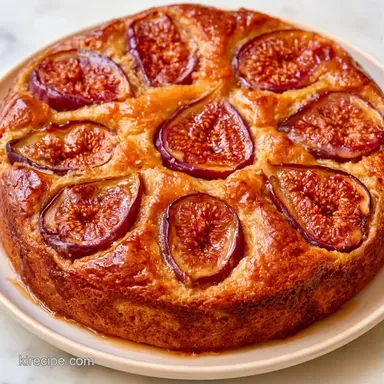
Fresh Fig and Ricotta Cake with Lemon
- Duration: 15 min active + 45 min bake
- Taste & Feel: A moist, dense crumb paired with jammy fruit
- Ideal for: Late summer tea time or brunch
The scent of figs caramelizing in the oven creates such a wonderful atmosphere. I once believed that hours of creaming butter were necessary for a moist result, but that isn't the case for this kind of cake.
You don't need a high end stand mixer to achieve professional results. A simple hand whisk and a little patience work just as well.
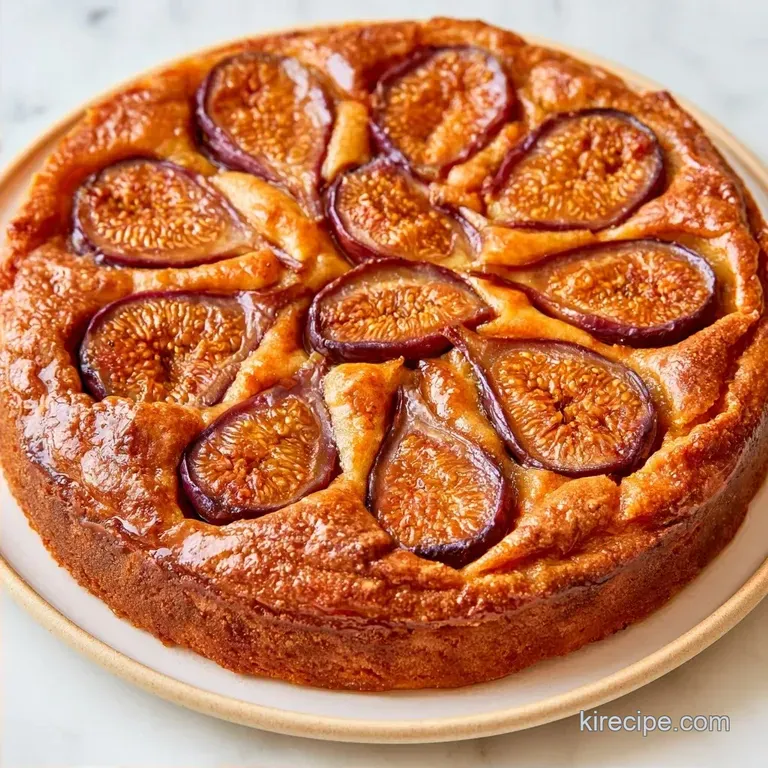
The secret to a Fresh Fig and Ricotta Cake is balancing the creamy richness of the cheese with zesty citrus. The result is a rustic dessert that looks like it's from a bakery but feels like a warm, home cooked hug.
Fresh Fig and Ricotta Cake
This bake depends on the weight of the ingredients rather than just volume. For the best result, use a digital scale to hit the 190g flour mark and 245g ricotta mark exactly.
The texture is a middle ground between a sponge cake and a cheesecake. It doesn't rise like a birthday cake, which is why the figs stay perched on top instead of diving to the bottom.
Precision is the name of the game here. A few minutes too long in the oven can dry out the ricotta, so keep a close eye on the edges.
Shopping List Breakdown
| Ingredient | Role | If You Don't Have It |
|---|---|---|
| Whole Milk Ricotta | Body and hydration | Mascarpone (richer, more dense) |
| Extra Virgin Olive Oil | Softness | Melted coconut oil (introduces coconut flavor) |
| Fresh Figs | Natural sweetness and bite | Fresh pears (thinly sliced) |
| Lemon Zest | Zestiness and brightness | Orange zest (floral, sweeter) |
For the Cake Batter
- 1.5 cups (190g) all purpose flour Why this? Reliable protein for a soft, stable crumb
- Substitute: Spelt flour (denser, nuttier taste)
- 1 tsp (5g) baking powder Why this? Ensures a light rise
- Substitute: 0.25 tsp baking soda + 0.5 tsp cream of tartar
- 0.25 tsp (1.5g) salt Why this? Offsets the sweetness
- Substitute: Fine sea salt
- 0.75 cup (150g) granulated sugar Why this? Standard sweetener for caramelization
- Substitute: Cane sugar
- 1 cup (245g) whole milk ricotta cheese Why this? Essential for the cake's damp, tender feel
- Substitute: Cottage cheese (processed until smooth)
- 2 large eggs Why this? Emulsifies the liquids and fats
- Substitute: 2 flax eggs (vegan option, alters texture)
- 1 tsp (5ml) vanilla extract Why this? Enhances the overall aroma
- Substitute: Almond extract
- 1 tbsp (6g) lemon zest Why this? Brightens the rich ricotta
- Substitute: Lime zest
- 0.25 cup (60ml) extra virgin olive oil Why this? Ensures long term moisture
- Substitute: Neutral grape seed oil
For the Topping
- 8-10 fresh figs, stemmed and halved lengthwise Why this? Creates the iconic jammy layer
- Substitute: Dried figs rehydrated in warm water
- 1 tbsp (15g) granulated sugar Why this? Helps the fruit caramelize
- Substitute: Turbinado sugar for a crispier finish
- 1 tbsp (15g) melted butter Why this? Keeps the cake from sticking to the pan
- Substitute: Vegetable oil
Equipment Needed
While you don't need specialized equipment, a few key tools are highly recommended. A 9 inch springform pan is essential; using a standard cake pan makes it nearly impossible to remove this dense cake without it breaking.
A medium sifter or fine mesh strainer is also important for the flour. Because ricotta is so thick, any flour clumps will remain as dry pockets in the final cake.
Lastly, keep a silicone spatula handy. It is the most effective way to scrape every last bit of that creamy batter from the bowl and into your pan.
Bringing It Together
Phase 1: Prepping the Base
Preheat your oven to 175°C (350°F). Grease a 9 inch springform pan with 15g of melted butter and place a circle of parchment paper in the bottom.
In a medium bowl, sift together 190g flour, 5g baking powder, and 1.5g salt. Keep this dry mixture handy for later.
Phase 2: Mixing the Creamy Core
Using a large bowl, whisk 245g ricotta and 150g sugar until the consistency is smooth and the color is pale. This process should take about 2 minutes.
Add the 2 eggs one by one, beating thoroughly after each addition to ensure the batter remains emulsified.
Stir in 60ml olive oil, 5ml vanilla, and 6g lemon zest until the mixture is creamy and uniform.
Phase 3: Combining and Baking
Gradually fold the dry ingredients into the wet batter. Mix on a low speed or whisk gently just until combined; stop as soon as the flour is incorporated to prevent the cake from becoming tough.
Pour the batter into the prepared pan and level the top with a spatula.
Gently press the fig halves into the surface, cut side up, then sprinkle the remaining 15g of sugar over the fruit.
Bake for 40–45 minutes. The cake is finished when the edges are a deep mahogany gold and a toothpick inserted into the center comes out clean.
Avoiding Kitchen Disasters
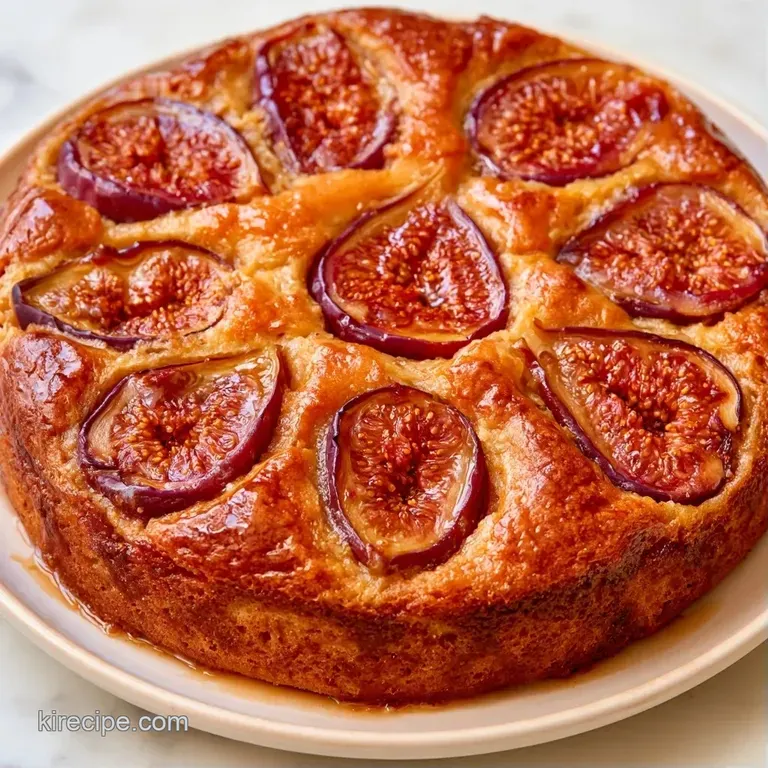
The most common issue with a Fresh Fig and Ricotta Cake is the fruit movement. If you don't press the figs in firmly, they can shift during the bake.
Another problem is the center remaining wet. This usually happens if the ricotta had too much whey. Draining your cheese in a sieve for 30 minutes before starting can prevent this.
Fixing Sunk Figs
Figs sink when the batter is too thin or the fruit is too heavy. Ensure your flour is measured by weight (190g) to maintain the correct thickness.
Handling Gooey Centers
If the center is too soft, bake for another 5 minutes. The edges should be pulling away from the pan slightly when it's truly done.
Preventing Dense Crumbs
Overmixing the flour develops too much gluten. Mix only until the white streaks disappear to keep the texture light.
| Problem | Fix |
|---|---|
| Figs sank to bottom | Press figs firmly into batter; use weighed flour |
| Gooey center | Bake 5 more mins; drain ricotta before using |
| Dense or tough texture | Do not overmix after adding flour |
Creative Twists and Swaps
To put a different twist on your Fresh Fig and Ricotta Cake, try stirring in a handful of toasted pine nuts. They add a savory crunch that complements the figs perfectly.
If you prefer a different fruit, substitute the figs for sliced plums or apricots. These follow the same guidelines and offer a similarly jammy result.
You can also sprinkle 50g of finely chopped walnuts into the bottom of the pan before adding the batter. This creates a nutty crust that balances the creamy texture of the cake.
| For [goal]: | Exact Change |
|---|---|
| For a firmer set: | Drain ricotta in a sieve for 1 hour first |
| For more zing: | Double the lemon zest to 12g |
| For a sweeter top: | Use brown sugar instead of granulated for the figs |
How to Store and Keep Fresh
The olive oil and ricotta help this cake stay moist longer than most. Store it at room temperature under a glass dome for 2 days.
For extended storage, keep it chilled for 3 days. I suggest letting a slice sit out for 20 minutes before eating so the fats soften.
You can freeze the cake for 2 months. Wrap it tightly in plastic wrap and then foil. Thaw it in the refrigerator overnight before serving.
To minimize waste, any leftover fig stems can be composted. If there is a bit of extra ricotta, stir it into pasta or use it as a spread for toast.
Perfect Complements
A dollop of cold mascarpone or a swirl of honey on the side brings out the fruitiness of the cake. For those who love a bit of contrast, a sharp espresso or a glass of chilled Vin Santo is the way to go.
If you're serving this as part of a larger dessert spread, it pairs well with a fruit based treat like a Classic Peach Crisp recipe.
For a more decadent twist, drizzle a bit of Black Label Chocolate Sauce over the edges. The bitterness of the cocoa balances the honeyed figs in this Fresh Fig and Ricotta Cake beautifully.
The Core Baking Logic
The ricotta acts as a moisture barrier and a structural support. It creates a velvety crumb that prevents the heavy figs from sinking.
Because there is no butter creaming, the cake relies on the ricotta's fat and eggs for its lift. This results in a denser, more custard like interior than a standard sponge.
Precision Checkpoints
- Flour Weight: Exactly 190g to ensure the batter can support the fruit.
- Oven Temp: Exactly 175°C to caramelize the sugar without burning the edges.
- Bake Time: Exactly 45 minutes for a set center.
Fast vs Classic Comparison
| Feature | Fast (Ricotta Method) | Classic (Butter Method) |
|---|---|---|
| Texture | Moist and Dense | Airy and Fluffy |
| Mix Method | Stir/Beat | Cream Butter/Sugar |
| Total Time | 60 minutes | 90+ minutes |
For more detailed data on the ingredients used here, you can check the USDA FoodData Central database.
Debunking Baking Myths
Sifting flour is useless. Actually, for ricotta cakes, sifting is a must. Since the batter is thick, flour clumps don't break down as easily as they do in thin batters.
Olive oil is only for salads. Using a mild extra virgin oil in cakes keeps them softer for longer than butter. It adds a subtle fruitiness that complements the figs.
You need a stand mixer. You don't. A hand whisk works perfectly for beating ricotta and sugar, as you aren't trying to incorporate the massive amounts of air required for a chiffon cake.
Recipe FAQs
Would ricotta and figs work together?
They create a classic pairing where the creamy cheese balances the honeyed sweetness of the fruit.
Tip: add a pinch of extra lemon zest to brighten the pairing further.
What effect does ricotta have on the cake's texture?
The cheese creates a sturdy, moist base that prevents the figs from sinking during baking.
Tip: use a digital scale to hit 245g of ricotta for the most consistent crumb.
How to prepare fresh figs for this cake?
Stem the fruit and slice each one in half lengthwise.
Tip: place them cut-side up to allow the sugars to caramelize under the heat.
Is it true you need a stand mixer for professional results?
No, this is a common misconception. A simple hand whisk and patience achieve the same creamy batter.
Tip: beat the ricotta and sugar until the mixture looks pale and smooth.
Do I have to cream butter for hours to get a moist cake?
That's a myth. This recipe uses olive oil and ricotta to provide moisture without the need for long creaming.
Tip: if you enjoyed this oil-based moisture technique, see how a similar fat balance works in our tomato cream sauce.
Can I use mascarpone instead of ricotta?
Mascarpone works as a substitute but will result in a denser, richer cake.
Tip: drain any excess liquid from the cheese before measuring to avoid a soggy batter.
Fresh Fig and Ricotta Cake with Lemon