Spaghetti Sauce Recipe for Canning: Silky Italian Base
- Time: Active 1 hours, Passive 5 hours, Total 6 hours
- Flavor/Texture Hook: Silky, concentrated tomato flavor with a bright, herbaceous finish
- Perfect for: Bulk meal prep and filling the pantry with garden fresh goodness
- Your Best Spaghetti Sauce Recipe For Canning
- Reasons This Rich Sauce Works
- Deep Dive into Ingredient Science
- Smart Ingredient Substitutes
- Reliable Gear and Equipment
- Precise Cooking and Processing Steps
- Solving Your Common Processing Errors
- Correctly Scaling Your Batch Size
- Tasty Ways to Customize Flavor
- Secrets for Long Term Preservation
- Smart Storage and Zero Waste
- Pro Tips for Better Presentation
- Recipe FAQs
- 📝 Recipe Card
Your Best Spaghetti Sauce Recipe For Canning
I remember the first time I tackled 30 pounds of Roma tomatoes. My kitchen looked like a crime scene, and my feet were absolutely barking, but the aroma filling the house was pure magic.
There is something deeply satisfying about hearing that "ping" of a jar sealing, knowing you've captured the peak of harvest season in a glass jar.
This specific method is the result of years of trial and error, moving away from watery, bland sauces to something rich and velvety. We are skipping the thickeners and relying on the natural pectin and a long, patient simmer.
It's the difference between a sauce that just sits on top of noodles and one that clings to every ridge of your rigatoni.
We are focusing on a no meat base here because it's the safest and most versatile way to can. You'll get a clean, vibrant flavor that acts as a canvas for your future dinners. Trust me, once you crack open a jar of this in the middle of January, you'll forget all about the hours spent hovering over a steaming pot.
Reasons This Rich Sauce Works
Pectin Concentration: Boiling down the tomatoes for several hours breaks down cellular walls, releasing natural pectin which provides a thick, velvety body without starch.
Maillard Reaction: The long simmer allows the natural sugars in the tomatoes and onions to caramelize slightly, creating a deep, complex sweetness.
Acid Stabilization: Using bottled lemon juice ensures the pH level remains below 4.6, which is critical for preventing spoilage in water bath canning.
Volatile Oil Retention: Adding dried herbs during the final stage of simmering prevents their aromatic oils from evaporating, keeping the flavor profile sharp.
| Servings | Ingredient Adjustments | Pan Size | Cook Time |
|---|---|---|---|
| 8 people | 7.5 lbs tomatoes, 0.5 cup onion | 8 qt stockpot | 3 hours |
| 16 people | 15 lbs tomatoes, 1 cup onion | 12 qt stockpot | 4 hours |
| 32 people | 30 lbs tomatoes, 2 cups onion | 20 qt stockpot | 5 hours |
The yield can vary slightly depending on how much you choose to reduce the liquid, but the 30 pound batch is the sweet spot for a standard canning session. If you are looking for a quicker meal today, you might enjoy this Ground Beef Pasta recipe which uses a similar flavor profile but hits the table much faster.
Deep Dive into Ingredient Science
| Ingredient | Science Role | Pro Secret |
|---|---|---|
| Roma Tomatoes | High pulp to seed ratio | Roast them briefly to loosen skins effortlessly |
| Bottled Lemon Juice | Standardized pH acidity | Never use fresh; acidity levels vary too much |
| Granulated Sugar | Acid bitterness balancer | Add slowly to counteract tomato metallic notes |
| Dried Oregano | Microbial inhibition | Rub between palms to "wake up" the oils |
While fresh herbs are stellar for finishing, dried herbs are actually more reliable for this spaghetti sauce recipe for canning. They have a lower moisture content and a more concentrated flavor that survives the intense heat of the water bath process without turning bitter or "muddy" over months of storage.
Smart Ingredient Substitutes
- 30 lbs Roma Tomatoes: San Marzano or Amish Paste tomatoes. Why this? They have thick walls and very few watery seed pockets.
- 2 cups Yellow Onions: White onions or shallots. Why this? They provide necessary aromatic sulfur compounds and natural sweetness.
- 5 cloves Garlic: 1 tbsp garlic powder. Why this? Fresh garlic provides a sharper, more punchy flavor profile.
- 1 cup Green Bell Pepper: Red or orange bell peppers. Why this? Adds a subtle earthiness and rounds out the vegetal notes.
- 8 tbsp Bottled Lemon Juice: 2 tsp Citric Acid. Why this? Both ensure the sauce is acidic enough for safe water bath canning.
Chef's Note: If you choose to use heirloom tomatoes, be prepared for a much longer simmer time. Heirlooms are notoriously juicy, meaning you'll have more water to evaporate before the sauce reaches that signature velvety thickness.
Reliable Gear and Equipment
To make this spaghetti sauce recipe for canning successful, you need a heavy bottomed stockpot. I prefer a 20 quart stainless steel pot because it prevents the sauce from scorching during the five hour simmer.
A thin bottomed pot will almost certainly result in burnt bits at the bottom, which will ruin the entire batch with a smoky, bitter flavor.
You will also need a reliable water bath canner, a jar lifter, and a wide mouth funnel. For the smoothest texture, a food mill is a total lifter. It separates the skins and seeds from the pulp in one motion, saving you the tedious task of blanching and peeling 30 pounds of tomatoes by hand.
Precise Cooking and Processing Steps
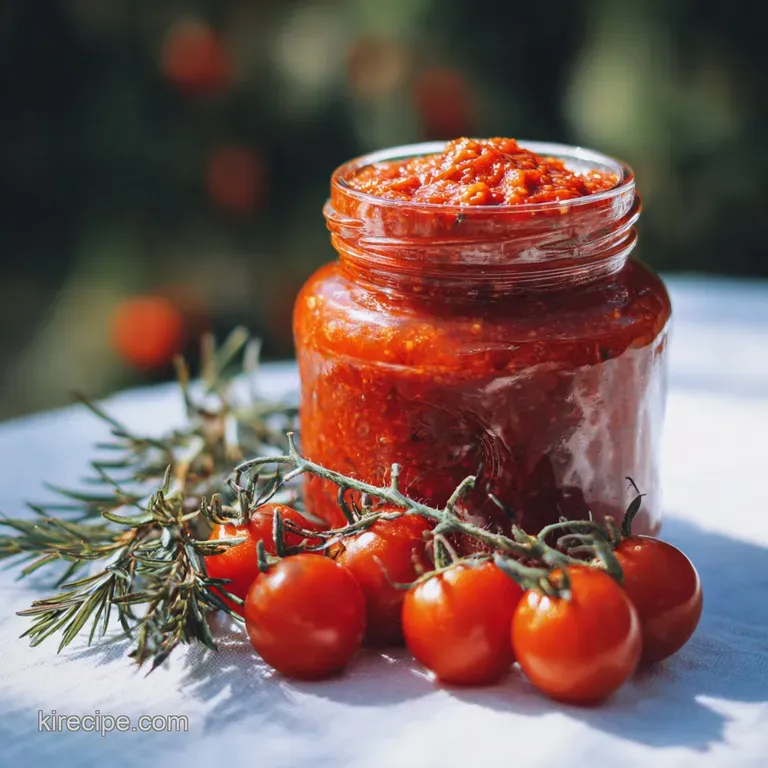
Preparing the Tomato Foundation
Wash your 30 lbs of Roma tomatoes thoroughly and remove the stems. Rough chop them into quarters, ensuring you remove any bruised or soft spots that could introduce unwanted bacteria into your jars.
Extracting the Deep Pulp
Place the tomatoes in your large stockpot and heat them slowly. Use a potato masher to crush the first few layers to release enough juice to prevent scorching. Once softened, run the mixture through a food mill to remove all seeds and skins, resulting in a vibrant, smooth puree.
Simmering for Structural Integrity
Return the puree to the stockpot and add 2 cups chopped yellow onions, 5 cloves minced garlic, and 1 cup diced green bell pepper. Bring to a boil, then reduce heat to a simmer. Cook uncovered for about 5 hours until the volume is reduced by half.
Balancing the Flavor Profile
Stir in 2 tbsp sea salt, 1 tsp black pepper, 2 tbsp dried oregano, 1 tbsp dried basil, and 0.25 cup granulated sugar. Continue simmering for another 15 minutes to allow the flavors to meld and the sugar to dissolve completely.
Mastering the Water Bath
Prepare your jars by washing them in hot, soapy water. Into each clean pint jar, add 1 tbsp bottled lemon juice (or 2 tbsp for quart jars). This is a critical safety step for this spaghetti sauce recipe for canning to ensure the acidity is high enough.
Final Jar Processing
Ladle the hot sauce into the jars, leaving 0.5 inch of headspace. Wipe the rims with a clean, damp cloth to ensure a tight seal. Apply the lids and bands, then process in a boiling water bath for 35 minutes until the jars are heated through.
Testing the Vacuum Seal
Remove the jars from the canner and place them on a towel lined counter. Let them sit undisturbed for 24 hours. You should hear a distinct "pop" as they cool. Check the lids; they should not flex up and down when pressed.
If you find yourself with extra vegetables from the garden, you might want to try this Homesteader Canning Vegetable recipe for a hearty, shelf stable soup base.
Solving Your Common Processing Errors
Fixing Watery Jar Separation
It is completely normal for a little liquid to separate at the bottom of the jar over time. This happens because the solids settle. Just give the jar a good shake before opening, or simmer it for a few minutes on the stove to re incorporate everything.
Handling a Failed Seal
If a jar doesn't "pop" within 24 hours, the seal has failed. This usually happens because of a dirty rim or a chipped jar edge. You can either replace the lid and re process it immediately or just put that jar in the fridge and use it within a week.
| Problem | Root Cause | Solution |
|---|---|---|
| Bitter Aftertaste | Scorched bottom or seeds | Stir frequently; use a food mill to remove seeds |
| Sauce is too thin | Insufficient reduction time | Simmer longer or add a small amount of tomato paste |
| Jar seal failure | Food residue on the rim | Always wipe rims with vinegar or water before capping |
Common Mistakes Checklist
- ✓ Never use fresh lemon juice; the acidity is too unpredictable for safe canning.
- ✓ Don't skip the 0.5 inch headspace; the sauce needs room to expand during processing.
- ✓ Avoid over tightening the bands; "finger tip tight" allows air to escape.
- ✓ Preheat your jars before filling to prevent thermal shock and cracking.
- ✓ Keep the water level at least 1-2 inches above the jar lids in the canner.
Correctly Scaling Your Batch Size
When scaling this spaghetti sauce recipe for canning down, you can simply halve the ingredients. For a small 7.5 lb batch, you can use a standard Dutch oven and the cook time will drop significantly, usually around 2 hours to reach the desired thickness.
Scaling up requires caution. If you double the recipe to 60 lbs, do not simply double the spices. Start with 1.5x the salt and herbs, then taste and adjust. Large volumes of sauce retain heat differently, so you must stir more frequently to prevent the bottom from burning.
Always work in batches that fit comfortably in your largest pot; overcrowding will prevent the steam from escaping, and your sauce will never thicken.
Tasty Ways to Customize Flavor
Creating an Herb Powerhouse
If you want a more "Italian restaurant" vibe, you can increase the oregano and add a pinch of red pepper flakes. The heat intensifies slightly during storage, so don't go overboard. A dash of fennel seed can also give it a subtle sausage like flavor without adding actual meat.
Meatless Sauce Canning Techniques
Canning spaghetti sauce without meat is the safest way to go for water bath processing. If you want a meat sauce later, simply brown some ground beef or Italian sausage in a pan and pour the canned sauce over it. It tastes much fresher this way than if the meat had been processed in the jar for months.
| Method | Time | Texture | Best For |
|---|---|---|---|
| Stovetop | 5 hours | Velvety/Smooth | Large canning batches |
| Oven Roast | 3 hours | Chunky/Rustic | Smaller, intense flavor batches |
Secrets for Long Term Preservation
The biggest secret to a long shelf life is the storage environment. Keep your jars in a cool, dark, and dry place. Light is the enemy of tomato color; it will turn your beautiful vibrant red sauce into a dull brownish orange over time.
While the sauce is still safe to eat, the flavor and texture will degrade faster in a warm or bright pantry.
Another trick is to remove the metal bands after the jars have sealed and been wiped clean. If moisture gets trapped under the band, it can cause rust, which might eventually compromise the lid's seal. Plus, without the band, you'll know immediately if a seal fails because the lid will just come loose.
Smart Storage and Zero Waste
Your canned sauce is best used within 12 to 18 months. Beyond that, the quality starts to dip, though it remains safe as long as the seal is intact. Once you open a jar, treat it like any other fresh sauce and keep it in the fridge for no more than 7 days.
Don't toss those tomato skins and seeds if you used a food mill! Spread them thin on a dehydrator tray and dry them until they are brittle. Grind them into a fine powder to create a homemade tomato "bouillon" that adds an incredible punch of flavor to soups, stews, or even sprinkled over popcorn.
Pro Tips for Better Presentation
When you finally open your jar, don't just dump it on cold noodles. Heat the sauce in a wide skillet until it's bubbling. Toss the pasta directly into the sauce with a splash of pasta water. This creates an emulsion that makes the sauce look glossy and professional.
For a beautiful finish, top your dish with a drizzle of high-quality olive oil and a few cracks of fresh black pepper. The bright red of the sauce against the pale pasta is always a winner. If you're feeling fancy, a sprig of fresh basil makes it look like it came straight from a bistro. If you need a quick sauce for a different protein, check out this Lemon Beurre Blanc recipe for a completely different but equally impressive presentation.
Recipe FAQs
Does homemade spaghetti sauce need to be pressure canned?
No, water bath canning is sufficient for plain tomato sauce. Since this recipe relies on added acidity from bottled lemon juice, the pH level is safely low enough for the boiling water bath method.
What are the 4 ingredients in pasta sauce?
Tomatoes, aromatics, herbs, and an acidifier are the four essentials. While meat is optional, you must have tomatoes for the body, aromatics like onion/garlic for flavor base, herbs for complexity, and lemon juice or citric acid for safe preservation.
What is the secret to really good spaghetti sauce?
Patience during the long, uncovered simmer is the true secret. Reducing the volume by half concentrates the natural sugars and pectin, creating a velvety texture that clings to pasta without needing starches.
How long do you boil jars of spaghetti sauce for canning?
Process pint jars for 35 minutes in a rolling boil. Ensure the water level stays 1-2 inches above the jar lids throughout the entire processing time for a safe, reliable seal.
Can I skip adding bottled lemon juice if my tomatoes taste acidic enough?
No, never skip the measured acidifier when canning. Tomato acidity varies widely by variety and ripeness, and bottled lemon juice provides the standardized pH required to inhibit botulism spores during water bath preservation.
What is the best way to thicken tomato sauce without using tomato paste?
Simmer the sauce uncovered for several hours until the volume reduces significantly. This process concentrates the naturally occurring pectin in the tomato pulp, resulting in a silky texture superior to starch based thickeners.
If I decide to add ground beef later, what technique should I use for the best flavor integration?
Sear the beef separately first, then simmer it briefly in the finished sauce. Searing creates complex browned flavors that boiling the meat directly in the sauce would miss; if you master this searing technique, you can apply the same flavor building principle to our Chicken and Shrimp recipe.
Canning Spaghetti Sauce Recipe
Ingredients:
Instructions:
Nutrition Facts:
| Calories | 88 kcal |
|---|---|
| Protein | 5.3 g |
| Fat | 0.9 g |
| Carbs | 19.5 g |
| Fiber | 5.1 g |
| Sugar | 12.8 g |
| Sodium | 366 mg |
