Barefoot Contessa Pasta Fagioli Recipe
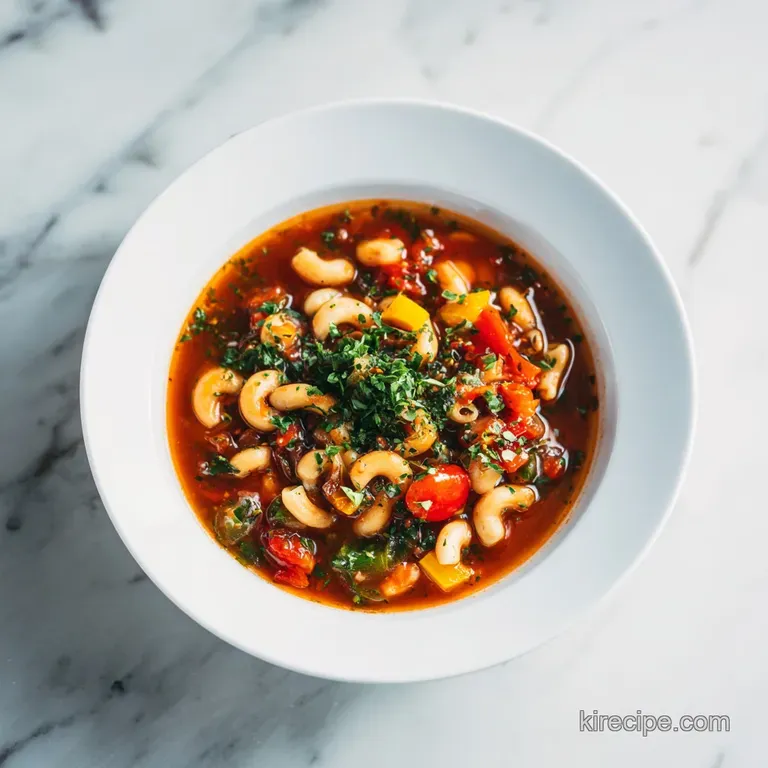
- Time: Active 20 minutes, Passive 45 minutes, Total 1 hours 5 mins
- Flavor/Texture Hook: Savory, herbaceous, and incredibly velvety
- Perfect for: A cozy Sunday family dinner or easy weeknight meal prep
- The Science of Starch and Fat in Savory Soup
- Vital Recipe Specs and Timing for Your Weeknight Success
- Gathering the Essential Elements for a Rich Italian Base
- Necessary Kitchen Equipment for a Professional Quality Simmer
- Executing Every Step for the Ultimate Velvety Soup Texture
- Troubleshooting Common Texture and Seasoning Issues for Home Cooks
- Clever Recipe Variations to Suit Every Palate and Pantry
- Adjusting the Yield for Any Crowd
- Debunking Soup Traditionalist Ideas
- Preservation Secrets to Keep Your Leftovers Fresh and Flavorful
- Plating and Pairing Your Masterpiece for a Complete Meal
- High in Sodium
- Recipe FAQs
- 📝 Recipe Card
The first time I tried to recreate a version of this dish, I made a massive error. I thought I could just throw everything into a pot and hit "boil." What I got was a thin, watery broth with mushy beans.
It lacked that specific, heart warming aroma that greets you when you walk into a kitchen where someone actually knows what they’re doing. Then I watched Ina work her magic, and I realized the secret isn't just the ingredients it’s the sizzle of the pancetta and the way the rosemary infuses the oil.
When you drop that diced pancetta into the hot olive oil, the kitchen fills with a salty, cured scent that instantly makes everyone hungry. It's a foundational smell, like woodsmoke or baking bread.
You aren't just making a soup; you're building a flavor profile that relies on patience and the right order of operations. This Barefoot Contessa pasta fagioli recipe taught me that even the most humble ingredients, like canned beans and dried oregano, can turn into something luxurious if you treat them with a bit of respect.
We've all been there staring at a shelf of cans wondering how to make it taste like "real" food. This recipe is the answer. It’s hearty enough to be a full meal, especially when paired with a hunk of crusty bread to swipe through the last of the broth.
I've tweaked the techniques over the years to make sure the pasta doesn't turn into a sponge and the broth stays silky. Let’s get into the "how" and "why" so you can nail this on the first try.
The Science of Starch and Fat in Savory Soup
Starch Gelatinization: As the ditalini pasta cooks directly in the broth, it releases amylose molecules that naturally thicken the liquid without needing a roux.
Maillard Reaction Synergy: Searing the pancetta at a moderate heat creates complex flavor compounds that bond with the sugars in the carrots and onions during the "sweating" phase.
Fat Soluble Infusion: The rosemary and red pepper flakes are added to the fat first because their flavor compounds are hydrophobic; they need the oil to carry their essence throughout the entire pot.
Quick Decision Guide for Pasta Texture
| Pasta Status | Internal State | Texture | Best For |
|---|---|---|---|
| Underdone | Chalky center | Firm/Chewy | Freezing/Reheating later |
| Al Dente | Slight resistance | Tender firm | Immediate serving |
| Overcooked | Swollen/Soft | Mushy | Not recommended for this dish |
Getting the pasta right is the biggest hurdle in any fagioli recipe. If you’re cooking this for a crowd and expect people to have second helpings an hour later, I actually suggest cooking the pasta 2 minutes less than the box instructions.
The carryover heat in a heavy Dutch oven is intense, and the pasta will continue to hydrate long after you turn off the burner. This ensures that the last bowl served is just as good as the first one.
Vital Recipe Specs and Timing for Your Weeknight Success
Before we start chopping, let's look at the numbers. This recipe isn't just about throwing things in a pot; it's about timing. The carrots need enough time to soften before the pasta goes in, otherwise, you're left with crunchy orange bits in a sea of soft noodles.
I usually aim for a 20 minute simmer of the vegetable base before I even think about the ditalini.
| Component | Standard Method | Fast Track Version | Result Difference |
|---|---|---|---|
| Bean Base | Dry beans soaked 12 hrs | Canned (rinsed/drained) | Canned is silkier and faster |
| Liquid | Water + Bouillon | high-quality chicken stock | Stock provides immediate body |
| Aromatics | Slow sweated 10 mins | over High heat sauté 4 mins | Sweating gives a sweeter base |
Using canned cannellini beans is a smart budget move that doesn't sacrifice quality. In fact, for a pasta fagioli recipe, canned beans often provide a more consistent texture than dried beans, which can sometimes remain stubborn and grainy.
The key is the rinse you want the beans, not the metallic tasting liquid they’ve been sitting in.
Gathering the Essential Elements for a Rich Italian Base
For this Barefoot Contessa pasta fagioli recipe, the quality of your ingredients dictates the final result. Since we are using relatively few components, each one has to pull its weight.
- 2 tbsp Good Olive Oil: Use something you'd be happy to dip bread into.
- 4 oz Pancetta, diced: This provides the salt and the smoky fat base. Why this? Salt pork or bacon works but pancetta is more authentic and less smoky.
- 1 cup Yellow onion, chopped: The sweetness provides balance to the tomatoes.
- 1 cup Carrots, diced small: Aim for uniform sizes so they cook evenly.
- 1 cup Celery, diced small: Adds an essential herbal backbone.
- 4 cloves Garlic, minced: Fresh is non negotiable here; jarred garlic is too bitter.
- 1/2 cup Dry Red Wine (Chianti or Cabernet): This acidity cuts through the fat of the pancetta.
- 2 cans (15 oz each) Cannellini beans: Rinsed and drained thoroughly.
- 1 can (28 oz) Crushed tomatoes: Look for San Marzano style for less acidity.
- 6 cups high-quality chicken stock: This is the literal soul of the soup.
- 1 tsp Dried oregano: Provides that classic "pizza shop" aroma.
- 1/2 tsp Red pepper flakes: Just enough to provide a back of-the throat warmth.
- 1 Fresh Rosemary sprig: Woodsy and fragrant. Why this? Rosemary pairs perfectly with white beans and handles long simmers well.
- 1.5 cups Ditalini pasta (uncooked): The traditional "little thimbles" for this soup.
- 1/2 cup Freshly grated Parmesan cheese: Don't use the stuff in the green can!
- 1/4 cup Fresh parsley, chopped: Adds a burst of color and freshness at the end.
Ingredient Deep Dive
| Ingredient | Science Role | Pro Secret |
|---|---|---|
| Dry Red Wine | Solvent | Use it to scrape up the brown bits (fond) from the pancetta. |
| Cannellini Beans | Texture Agent | Mash a handful of them against the side of the pot to thicken the broth. |
| Parmesan Cheese | Umami Bomb | Save the rind and toss it into the simmering broth for extra depth. |
If you find yourself missing an ingredient, don't panic. You can swap the pancetta for thick cut bacon, though it will add a smokier profile. If you're out of ditalini, any small shape like elbows or orecchiette will do. The goal is a pasta that fits on a spoon along with a bean and some broth. For a different vibe, you might enjoy the flavor profile of an Ina Garten Italian recipe if you have leftover wine and pasta.
Necessary Kitchen Equipment for a Professional Quality Simmer
You don't need a pantry full of gadgets, but a heavy bottomed pot is your best friend here. I prefer a 6 quart Dutch oven (like a Le Creuset or Lodge). The thick walls distribute heat evenly, which is crucial when you have beans and pasta that might want to stick to the bottom.
You'll also want a sharp chef's knife for all that dicing. Since the carrots, celery, and onion (the mirepoix) are the stars of the texture, taking the time to get them into even, small cubes makes the soup look and feel much more professional.
A sturdy wooden spoon is also essential for deglazing the pot once the wine hits the hot surface.
Chef's Tip: Freeze your parmesan rind! Whenever you finish a wedge of cheese, throw the hard end into a freezer bag. Adding a rind to this soup while it simmers adds a layer of savory richness that you simply cannot get from a shaker. Just remember to fish it out before serving.
Executing Every Step for the Ultimate Velvety Soup Texture
1. Searing the Savory Foundation
Heat the 2 tbsp of olive oil in your Dutch oven over medium heat. Add the 4 oz of diced pancetta and cook for 5-7 minutes. You are looking for the fat to render out and the bits to become slightly crispy but not burnt. This fat is where all the flavor lives.
2. Sweating the Aromatics
Add the 1 cup onion, 1 cup carrots, and 1 cup celery to the pot. Stir well to coat them in the pancetta fat. Cook for about 8-10 minutes until the onions are translucent and the carrots have softened slightly.
Add the 4 cloves of minced garlic and cook for just 1 minute more garlic burns quickly!
3. Deglazing for Depth
Pour in the 1/2 cup of dry red wine. As it bubbles, use your wooden spoon to scrape the bottom of the pot. Those brown bits (the fond) are concentrated flavor. Let the wine reduce by half, which should take about 2-3 minutes.
4. Simmering the Flavor Profile
Stir in the 2 cans of cannellini beans, the 28 oz can of crushed tomatoes, 6 cups of chicken stock, 1 tsp oregano, 1/2 tsp red pepper flakes, and the fresh rosemary sprig. Bring the mixture to a boil, then turn the heat down to low.
5. Mastering the Creamy Texture
Cover the pot and let it simmer for 20 minutes. This allows the vegetables to fully tenderize and the flavors to marry. At this point, I like to take my spoon and crush a few of the beans against the side of the pot to naturally thicken the liquid.
6. Finishing with Al Dente Perfection
Add the 1.5 cups of ditalini pasta directly into the pot. Increase the heat slightly to maintain a gentle simmer. Cook for 8-10 minutes until the pasta is tender but still has a bite. If the soup gets too thick, add a splash more stock or water.
7. The Final Flourishes
Remove the rosemary sprig and discard it. Turn off the heat and stir in the 1/2 cup of grated Parmesan and 1/4 cup of fresh parsley. Taste it first before adding salt and pepper the pancetta and stock are often salty enough.
Troubleshooting Common Texture and Seasoning Issues for Home Cooks
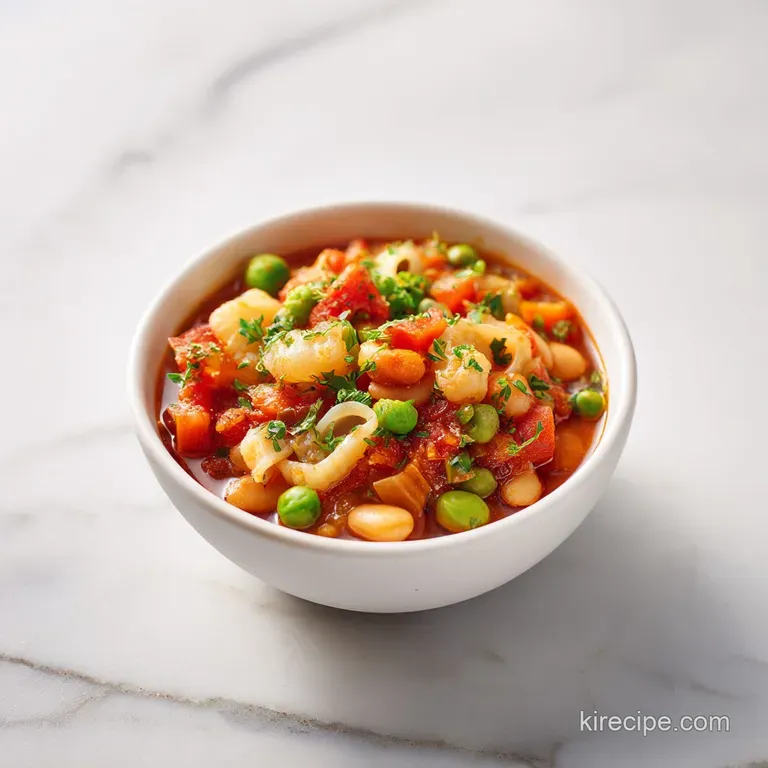
Fixing a Thin Broth
If your soup looks more like water than a hearty stew, it's usually because the beans haven't released enough starch. You don't need flour to fix this. Simply take a ladle of the beans and a bit of broth, blend them in a small cup or mash them with a fork, and stir them back in.
It’s an instant fix that keeps the flavor pure.
Rescuing Over Salted Soup
Between the pancetta and the parmesan, it’s easy to cross the line into "too salty." If this happens, don't toss the batch. Add a peeled, halved potato to the pot and simmer for 10 minutes; the potato acts like a sponge for salt. Remove the potato before serving.
Alternatively, a squeeze of lemon juice or a teaspoon of sugar can help balance the palate.
| Problem | Root Cause | Solution |
|---|---|---|
| Mushy Pasta | Cooked too long or sat in hot broth | Cook pasta separately if making for meal prep. |
| Bitter Aftertaste | Burned garlic or cheap wine | Sauté garlic briefly; use wine you'd actually drink. |
| Lacks Depth | Not enough browning at the start | Ensure pancetta is rendered and wine is reduced. |
Common Mistakes Checklist
- ✓ Pat the pancetta dry before adding to the oil to ensure it crisps rather than steams.
- ✓ Rinse the beans thoroughly to remove the "canned" flavor and excess sodium.
- ✓ Don't skip the deglazing step; the wine is essential for balancing the richness.
- ✓ Remove the rosemary before adding pasta so you don't accidentally bite into a woody stem.
- ✓ Add pasta last and only when you are ready to eat within the next 20 minutes.
Clever Recipe Variations to Suit Every Palate and Pantry
If you're looking for a heartier version, a Slow Cooker Pasta recipe is a great way to use ground beef instead of pancetta. For this specific Barefoot Contessa pasta fagioli recipe, adding 1/2 lb of browned Italian sausage is a game changer if you want more protein.
The Hearty Beef Variation
For those who want a meatier soup, brown 1/2 lb of lean ground beef with the onions. This turns the soup into something closer to a chili pasta hybrid. You might need to add an extra cup of stock, as the beef will soak up some of the liquid.
The Vegan Friendly Swap
To make this plant based, omit the pancetta and use 2 tbsp of smoked paprika to mimic that savory, smoky depth. Use vegetable stock instead of chicken stock and replace the Parmesan with nutritional yeast or a vegan parm alternative. It’s surprisingly close to the original!
Budget Choice Table
| Premium Ingredient | Budget Alternative | Flavor Impact | Savings |
|---|---|---|---|
| Pancetta | Smoked Bacon | Saltier/Smokier | $4.00 |
| Fresh Rosemary | Dried Rosemary | More muted/earthy | $2.50 |
| San Marzano Tomatoes | Store Brand Crushed | Slightly more acidic | $3.00 |
Adjusting the Yield for Any Crowd
Scaling Down (Feeding 2): This recipe halves perfectly. Use a smaller pot and reduce the simmering time by about 5 minutes since there is less volume to heat. I still recommend using at least 1/4 cup of wine to ensure you can properly deglaze the pan.
Scaling Up (Feeding 12): If you're doubling the recipe for a party, do not double the red pepper flakes or the rosemary. Spices and herbs don't always scale linearly and can easily overwhelm the dish. Stick to 1.5x the spices first, then taste.
Use a very large stockpot to ensure the pasta has enough room to move and cook evenly.
Debunking Soup Traditionalist Ideas
One common myth is that you must cook the pasta separately in a different pot of water. While this keeps the broth clearer, you lose the starch that thickens the soup. In an authentic pasta fagioli recipe, the pasta is meant to be part of the liquid's structure.
If you're eating it immediately, cook it in the soup!
Another myth is that you can't use canned beans for a "real" Italian soup. This is simply not true. Many Italian home cooks use high-quality canned beans for convenience. The trick is to treat them right rinsing them and simmering them long enough to absorb the aromatics of the base.
Preservation Secrets to Keep Your Leftovers Fresh and Flavorful
Storage: This soup stays good in the fridge for up to 3 days. However, be warned: the pasta will continue to absorb the broth as it sits. When you go to reheat it, you will likely have a thick stew. Just add a splash of water or stock to bring it back to a soup consistency.
Freezing: If you plan on freezing this, do not add the pasta. Freeze the bean and tomato base once it has cooled completely. It will last for 3 months. When you're ready to eat, thaw the base, bring it to a simmer on the stove, and drop in fresh ditalini to cook then.
Zero Waste Tip: Don't throw away the parsley stems! Finely mince them and add them in with the carrots and celery. They contain a ton of flavor that is usually wasted. Also, if you have stale crusts of bread, toast them with a bit of garlic oil to make "fagioli croutons."
Plating and Pairing Your Masterpiece for a Complete Meal
When you're ready to serve, don't just ladle it into a bowl and call it a day. A drizzle of your best extra virgin olive oil over the top adds a peppery finish that cuts through the starch. I also like to add an extra dusting of Parmesan and a few cracks of fresh black pepper.
For a complete meal, a simple side salad with a lemon vinaigrette is the perfect foil to the rich, heavy soup. If you're feeling adventurous with your soup rotation, you might find the Barefoot Contessa Black recipe to be a wonderful contrast for next week’s meal plan. This pasta fagioli is a "stay at the table" kind of meal, meant for long conversations and second helpings. Enjoy the process, and don't be afraid to make it your own!
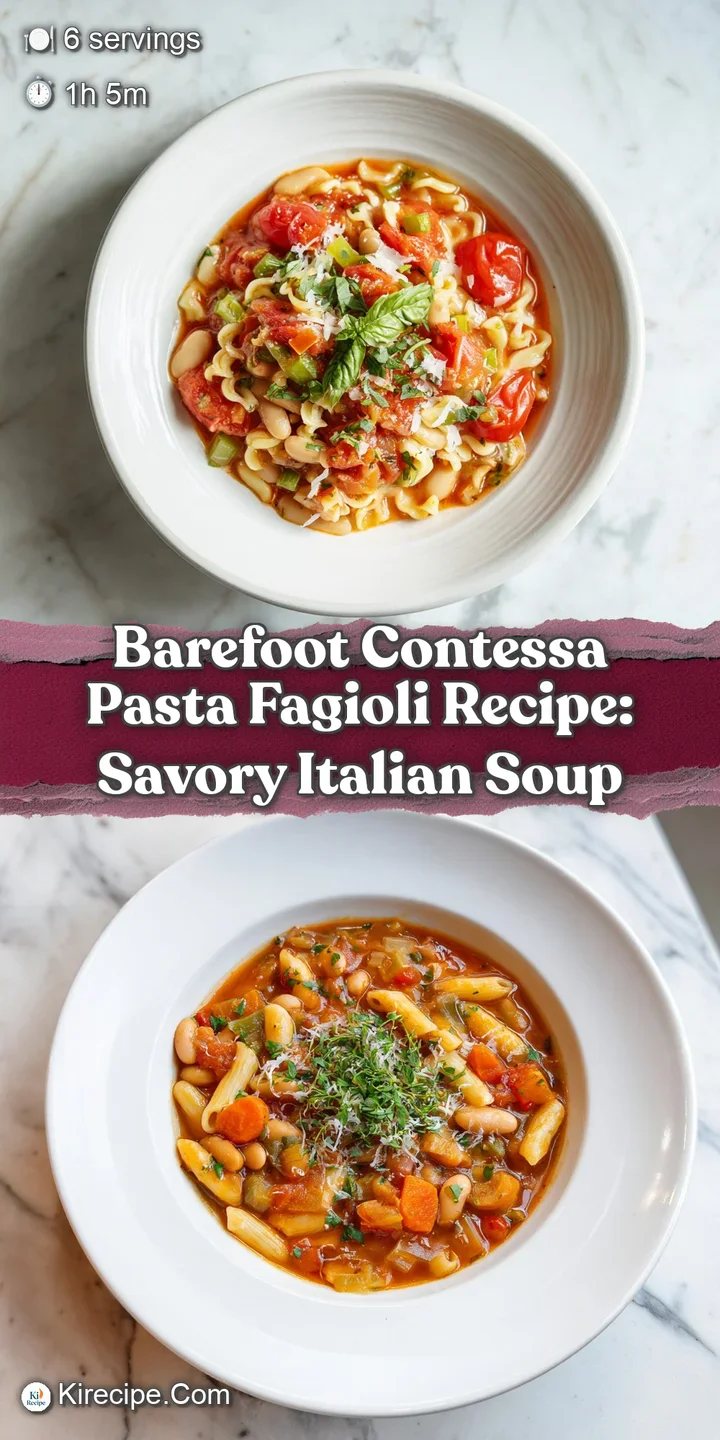
High in Sodium
1040 mg mg of sodium per serving (45% of daily value)
The American Heart Association recommends limiting sodium intake to about 2,300mg per day for most adults.
Tips to Reduce Sodium in Your Pasta e Fagioli
-
Low-Sodium Broth-30%
Use low-sodium or no-salt added chicken broth. This will significantly reduce the overall sodium content without sacrificing flavor. This ingredient contributes a large portion of the sodium.
-
Reduce Pancetta-20%
Pancetta is high in sodium. Use half the amount of pancetta or substitute with a lower sodium alternative like lean ground pork or turkey, seasoned with Italian herbs.
-
Low-Sodium Beans-15%
Opt for low-sodium or no-salt added canned cannellini beans, or cook dried beans from scratch. If using canned, rinse them thoroughly to remove excess sodium.
-
Less Parmesan-15%
Parmesan cheese is a concentrated source of sodium. Reduce the amount of Parmesan cheese used as a topping, or consider a lower sodium cheese option.
-
Omit Added Salt-25%
Do not add any salt to the recipe. Taste the soup after cooking and adjust seasonings with pepper, red pepper flakes, and herbs if needed. The other ingredients likely provide enough sodium.
-
No-Salt Added Tomatoes-10%
Choose no-salt added crushed tomatoes to decrease the overall sodium in the recipe. Many canned tomato products contain added salt.
-
Flavor Boost
Enhance the flavor of the soup with fresh and dried herbs and spices like oregano, rosemary, garlic, red pepper flakes, and black pepper. These add depth without sodium.
Recipe FAQs
What makes Stanley Tucci's pasta fagioli unique?
His version often emphasizes simplicity and technique over heavy ingredients. Tucci’s style typically features a minimal, very rustic base, often relying heavily on good olive oil and the starch from the beans themselves for thickness, contrasting with some richer, creamier versions.
What is Ina Garten's favorite pasta brand?
She frequently endorses De Cecco for dried pasta in her recipes. She values its consistent texture and ability to hold up well during cooking, which is vital when cooking pasta directly in the soup base.
Are pasta fagioli and pasta fazool the same thing?
Yes, they refer to the same dish, just pronounced differently. "Pasta e fagioli" is the proper Italian, meaning "pasta and beans," while "pasta fazool" is the Anglicized, phonetic pronunciation common in Italian American communities.
What's in pasta fagioli soup at Olive Garden?
Olive Garden’s version is a hearty broth featuring ditalini pasta, cannellini beans, and ground beef or pancetta. It is traditionally finished with a swirl of pesto, distinguishing it from many purely rustic, homemade recipes.
How do I ensure my cannellini beans break down enough to thicken the broth?
Mash a handful of the beans against the side of the pot after the main simmer. This action ruptures the starch filled interiors, immediately creating a creamy, velvety texture without adding flour or cornstarch.
Can I substitute the pancetta if I want a leaner soup?
Yes, you can substitute the pancetta with high-quality smoked bacon, though it changes the flavor profile slightly. If you are looking for a similar technique of rendering fat to build a flavor base for later, see how that principle applies when searing meat for our Thin Steak Recipe.
What is the secret to avoiding a watery final consistency?
The secret lies in cooking the pasta directly in the soup base. As the ditalini cooks, it releases starch that naturally thickens the broth, creating body. If you cook the pasta separately, you miss this crucial thickening step.
Barefoot Contessa Pasta Fagioli
Ingredients:
Instructions:
Nutrition Facts:
| Calories | 492 kcal |
|---|---|
| Protein | 22.6 g |
| Fat | 16.2 g |
| Carbs | 58.5 g |
| Fiber | 11.2 g |
| Sugar | 8.8 g |
| Sodium | 1040 mg |
