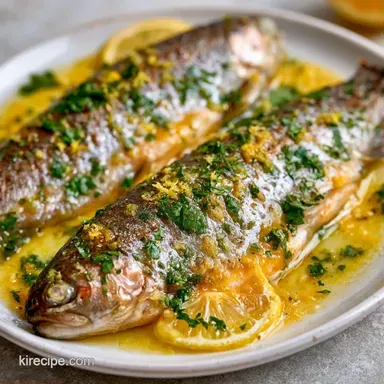
Baked Lemon Trout: Velvety and Zesty
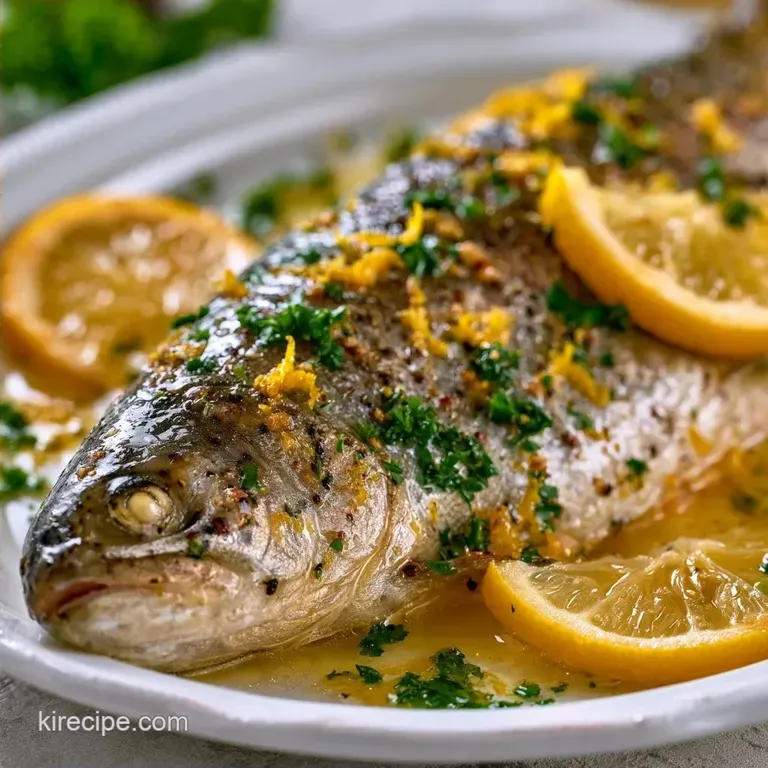
- Time:15 minutes active + 22 minutes baking = Total 37 minutes
- Flavor/Texture Hook: Velvety texture with a zesty, buttery finish
- Perfect for: Healthy weeknight dinners or an impressive, low effort date night
- Easy and Fresh Baked Lemon Trout
- The Secret to Moist Fish
- The Component Breakdown
- Essential Kitchen Tools
- Step by Step Instructions
- Fixing Common Cooking Errors
- Troubleshooting Common Issues
- Swaps and Flavor Tweaks
- Adjusting the Portion Size
- Truths About Trout
- Storage and Waste Tips
- Best Sides for Trout
- Recipe FAQs
- 📝 Recipe Card
Imagine that first hit of aroma when you pull the tray out of the oven - the sharp, bright scent of lemon zest mingling with toasted garlic and the savory smell of roasting fish. I remember the first time I tried this.
I was convinced that trout needed a slow poach to stay moist, and I spent an hour hovering over a pan, worrying it would turn into rubber.
Then I tried the over high heat roast. The result was a total shift in texture. Instead of just being "cooked," the edges of the lemon slices started to caramelize and the butter infused deep into the fillets. This Baked Lemon Trout isn't just about the flavor, it's about that specific balance where the fish is just barely opaque and practically melts on your tongue.
You can expect a meal that feels fancy but takes almost no effort. We're using a simple combination of melted butter and olive oil to create a protective coating. This ensures that even if you leave it in for an extra minute or two, you've got a safety net against that dreaded "chalky" fish texture.
Easy and Fresh Baked Lemon Trout
The most important thing to understand about this Baked Lemon Trout is that trout is leaner than salmon. Because it has less natural fat, it can go from "perfect" to "overdone" in about 120 seconds.
Trust me on this, the key is the "flake test." You aren't looking for a specific color as much as you are looking for the meat to separate easily along the muscle lines when nudged with a fork.
Right then, let's talk about the prep. Most people skip the step of patting the fish dry, but that's a mistake I made early on. If the fillets are damp, the butter mixture just slides off, and you end up steaming the fish instead of roasting it.
By drying the skin and flesh, the lemon garlic butter clings to the fish, creating a velvety layer that bastes the protein as it cooks.
This recipe focuses on a high temperature roast at 400°F (200°C). This temperature is the sweet spot. It's hot enough to brown the garlic and crisp the edges of the lemon slices, but not so hot that it sears the outside while leaving the middle raw. It's all about that consistent, enveloping heat.
The Secret to Moist Fish
I've spent a lot of time wondering why some oven fish stays juicy while others turn into cardboard. It comes down to a few basic mechanisms.
- Fat Barrier: The blend of butter and olive oil creates a hydrophobic layer, which slows down the evaporation of moisture from the fillets.
- Acid Timing: Adding lemon juice to the butter rather than soaking the fish in it beforehand prevents the acid from "cooking" the protein (denaturing) before it even hits the oven.
- Heat Shielding: Placing the fillets skin side down protects the delicate flesh from the direct heat of the metal pan, allowing the meat to cook more evenly.
- Aromatic Infusion: Garlic and zest are fat soluble, meaning the melted butter carries those flavors deep into the fish during the 22 minutes of baking.
| Method | Time | Texture | Best For |
|---|---|---|---|
| over High heat Roast | 22 mins | Velvety & Browned | Quick weeknight meals |
| Low Temp Poach | 40 mins | Soft & Uniform | Delicate dietary needs |
| Pan Sear | 10 mins | Crispy Skin/Tender | Restaurant style plating |
| Foil Packet | 25 mins | Steamed & Moist | Meal prep/Camping |
The Component Breakdown
Understanding what each ingredient does helps you adjust the recipe on the fly. According to USDA FoodData, rainbow trout is rich in omega-3 fatty acids, which makes it naturally nutritious, but the additions here are what make it a meal.
| Ingredient | Science Role | Pro Secret |
|---|---|---|
| Rainbow Trout | Main Protein | Keep skin on to prevent curling |
| Unsalted Butter | Moisture Lock | Use grass fed for a nuttier taste |
| Fresh Lemon | pH Balance | Zest contains the oils; juice adds the tang |
| Minced Garlic | Aromatic Base | Mince finely to avoid burnt "bitter" chunks |
Essential Kitchen Tools
You don't need a professional kitchen for this, but a few specific tools make the process smoother. A rimmed baking sheet is non negotiable - you don't want that garlic butter dripping all over the bottom of your oven.
I highly recommend using parchment paper. Not only does it stop the fish from sticking, but it also makes cleanup a breeze. If you have a meat thermometer, that's your best friend here.
You're aiming for an internal temperature of about 145°F (63°C), though many people prefer it slightly lower, around 135°F (57°C), for a more moist result.
Step by step Instructions
Preparing the Aromatics
- Preheat your oven to 400°F (200°C). Note: Make sure the oven is fully preheated so the fish starts searing immediately.
- In a small bowl, whisk together the melted butter, olive oil, lemon juice, lemon zest, and minced garlic until the mixture is smooth and velvety.
Preparing the Fillets
- Line your baking sheet with parchment paper.
- Pat the trout fillets dry with a paper towel and season both sides with salt and pepper. Note: Moisture is the enemy of a good roast.
- Place the fillets skin side down on the baking sheet.
Sealing the Flavor
- Spoon the lemon garlic butter evenly over the top, ensuring the edges are fully coated.
- Arrange the thin lemon slices on top of the fillets. Note: This protects the top of the fish from drying out.
Mastering the Oven Time
- Bake for 12-15 minutes until the fish is opaque and flakes easily with a fork.
- For a deeper, mahogany colored finish, turn on the broiler for the final 2 minutes, watching closely to prevent burning.
Fixing Common Cooking Errors
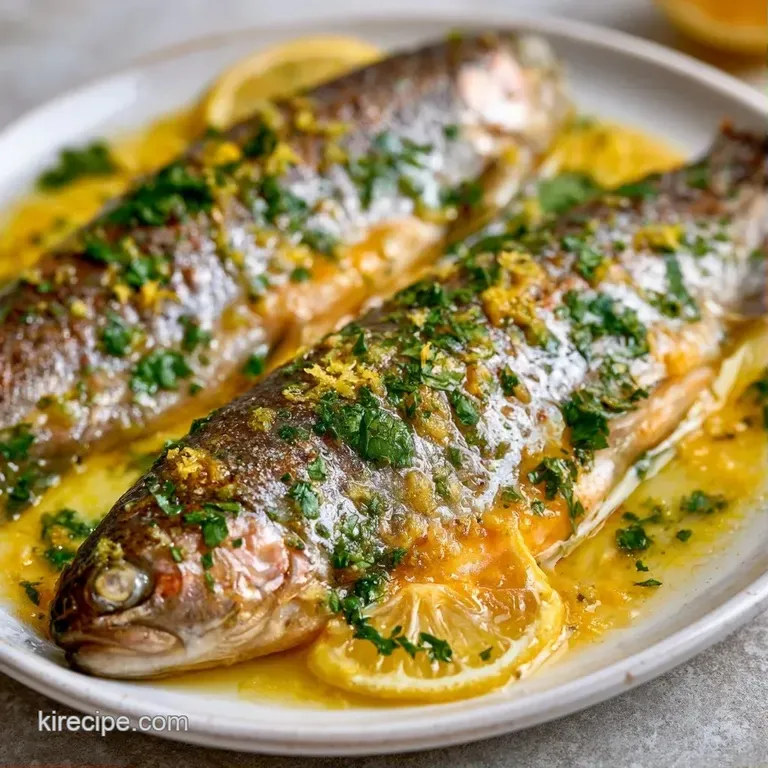
The most frequent mistake I see is overcooking. When fish is overdone, the protein fibers tighten and squeeze out all the moisture, leaving you with a dry, chalky texture. To avoid this, refer to the internal temperature guidelines on Serious Eats to find your preferred doneness.
Troubleshooting Common Issues
| Issue | Solution |
|---|---|
| Why Your Fish Is Dry | This usually happens because the fillets were too thin or the oven was too hot. If your fillets are under a half inch thick, reduce the bake time by 2-3 minutes. |
| Why the Butter Separated | If the butter looks curdled, it's likely because the lemon juice was added to butter that was too hot, or the mixture sat too long. |
| Why the Skin Stuck | This happens when the pan isn't oiled or the parchment paper is missing. Always use a barrier between the skin and the metal. |
Common Mistakes Checklist
- ✓ Did you pat the trout dry with paper towels?
- ✓ Is the oven fully preheated to 400°F?
- ✓ Are the lemon slices thin enough to lay flat?
- ✓ Did you check for flaking at the 12 minute mark?
- ✓ Did you keep a close eye on the broiler?
Swaps and Flavor Tweaks
If you don't have rainbow trout, this method works beautifully with steelhead or even salmon, though salmon may need an extra 2-4 minutes due to its thickness. If you're looking for a different kind of silky sauce, you might appreciate the emulsion techniques used in a Butter Chicken recipe, where fat and acid are balanced for a creamy finish.
For a Mediterranean twist, add a pinch of dried oregano or a few capers to the butter mixture. If you want more heat, a pinch of red pepper flakes in the garlic butter adds a lovely contrast to the citrus.
| Original Ingredient | Substitute | Why It Works |
|---|---|---|
| Unsalted Butter | Ghee (3 tbsp) | Higher smoke point. Note: Slightly nuttier flavor |
| Lemon Juice | Lime Juice (1 tbsp) | Similar acidity. Note: Gives a more tropical vibe |
| Fresh Parsley | Fresh Dill (1 tbsp) | Classic pairing with fish. Note: More aromatic/herbal |
| Rainbow Trout | Steelhead Trout | Very similar fat content. Note: Almost identical result |
If you're cooking for a crowd, don't try to cram ten fillets onto one small tray. This crowds the pan and creates steam, which prevents that beautiful browning. Work in batches or use two separate trays.
Adjusting the Portion Size
When scaling this Baked Lemon Trout, you can't just multiply everything linearly. For example, if you're doubling the recipe to 4 fillets, you only need to increase the salt and pepper by about 1.5x, not 2x, to avoid over salting.
If you are halving the recipe for a single serving, keep the oven temperature the same, but start checking for doneness 2 minutes earlier. Smaller loads of food often cook slightly faster because there is more air circulation in the oven.
For very large batches (4x or more), lower the oven temperature to 375°F (190°C) and extend the time by 5-7 minutes to ensure the middle fillets cook through without the outer ones burning.
Truths About Trout
There's a common belief that you should remove the skin before baking to make the fish "healthier" or easier to eat. In reality, the skin is where a lot of the omega-3s are concentrated, and as we discussed, it acts as a heat shield during the roasting process. Keep it on.
Another myth is that frozen trout is inferior to fresh. While truly fresh is great, flash frozen fillets are often frozen at sea, locking in the nutrients. Just make sure you thaw them completely in the fridge overnight and pat them extremely dry before starting this recipe.
Storage and Waste Tips
Fridge Storage: Store leftovers in an airtight container for up to 2 days. To reheat, avoid the microwave, which will make the fish rubbery. Instead, put it in a 300°F (150°C) oven for 5 minutes just to warm it through.
Freezing: I don't recommend freezing this after it's been baked, as the texture changes significantly. However, you can freeze the raw fillets in vacuum sealed bags for up to 3 months.
Zero Waste: Don't throw away the lemon ends! Squeeze them into your water or use the remaining zest in a salad dressing. If you're using whole trout with bones, simmer them with a carrot and an onion for a quick fish stock that's brilliant for risotto.
Best Sides for Trout
Since this Baked Lemon Trout is rich and buttery, you need sides that provide a crisp, fresh contrast. I love serving this with steamed asparagus or a wild rice pilaf. For those who want a cold, creamy accompaniment, a Red Lobster Tartar Sauce recipe is a fantastic dip for the fish.
If you're keeping it strictly healthy, a simple arugula salad with a light vinaigrette cuts through the richness of the butter perfectly. You could also try roasted Brussels sprouts, as the charred edges of the sprouts complement the broiled finish of the trout.
This Baked Lemon Trout is a reminder that you don't need a long list of ingredients to make something that tastes like it came from a bistro. Just a bit of butter, some fresh lemon, and a respect for the cooking time is all it takes to get that velvety, melt in-your mouth result.
Trust the flake test, keep the heat high, and enjoy the sizzle.
Recipe FAQs
What temperature should I bake trout in the oven?
400°F (200°C). This temperature ensures the fish cooks through quickly while maintaining a moist interior.
How long does trout need to cook at 350 degrees?
Bake at 400°F for 12 15 minutes instead. Using 350°F may overcook the fish before it reaches the proper temperature, whereas 400°F provides a better texture.
Is trout good in the oven?
Yes, it is excellent. Oven baking allows the lemon garlic butter to baste the fillets evenly, reducing the risk of burning or sticking.
Is it better to bake or pan fry trout?
Baking is generally better for consistency. It requires less active monitoring than pan-frying and produces a more uniform cook across the entire fillet.
What are some healthy recipes that are still hearty and filling?
Baked trout is a nutrient dense choice. It provides lean protein and omega-3s, and you can elevate the richness by pairing it with a lemon beurre blanc sauce.
What are healthy dinner recipes at home?
Fresh fish fillets are a great staple. Dishes like this lemon trout are fast to prepare, low in processed ingredients, and naturally filling.
How to prevent trout skin from sticking to the pan?
Line your baking sheet with parchment paper. This creates a necessary barrier between the skin and the metal to ensure the fillets lift off easily.
Baked Lemon Trout