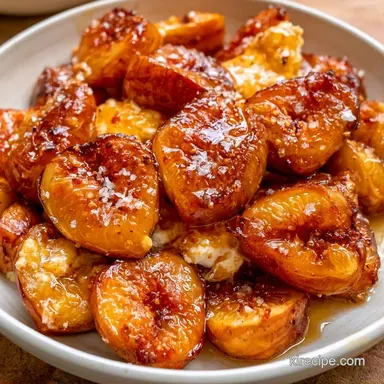
Baked Figs with Goat Cheese and Honey
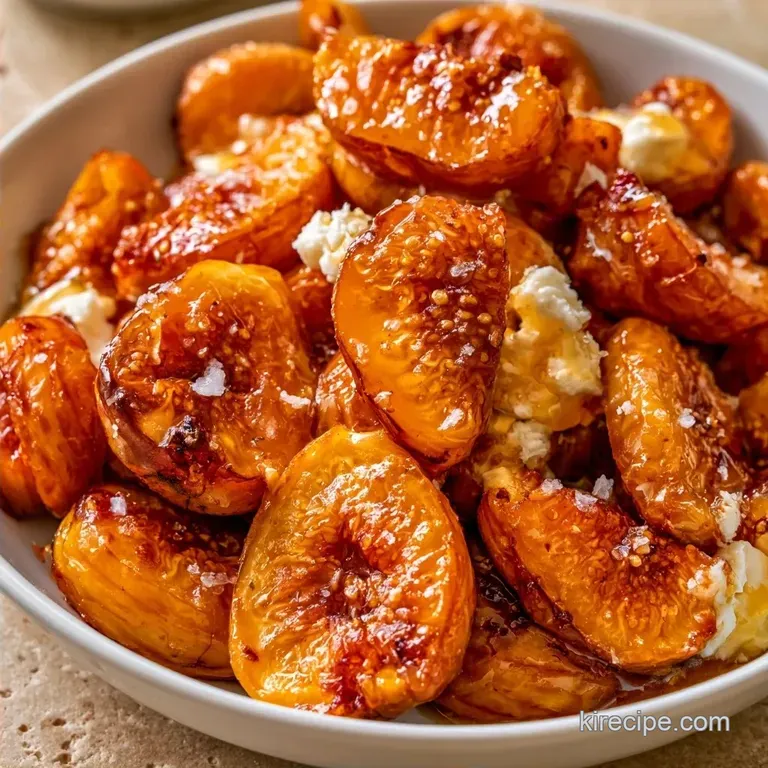
- Time: 10 min active + 10 min baking
- Flavor/Texture Hook: Tangy, gooey, and mahogany crisp
- Perfect for: Elegant party starters or wine night
Baked Figs with Goat Cheese
That smell when honey hits a 400 degree oven is just different. It’s a deep, toasted scent that fills the kitchen in seconds, turning a simple piece of fruit into something that smells like a high end bistro.
I used to think fresh figs were just for salads, but roasting them changes everything. The heat transforms the grainy texture of a raw fig into something jammy and concentrated. It's the real hero here, providing a natural sweetness that only works when it's been scorched just right.
This Baked Figs with Goat Cheese recipe balances that deep sugar with a sharp, citrusy tang. It's a precision game of temperature and timing. If you get it right, you get a molten center and a crisp edge. If you don't, you get a soggy mess. Let's make sure we get it right.
Quick Recipe Specs
This dish relies on a fast, over high heat blast. We aren't slow roasting here. We want the exterior to seize and brown quickly while the goat cheese just barely begins to soften.
The contrast is what makes it work. You have the warmth of the fig, the cold ish tang of the cheese, and the crunch of the walnuts. It's a balanced bite that doesn't need a lot of ingredients to feel expensive.
For the best results, ensure your figs are ripe but still firm to the touch. If they are too mushy, they won't hold the cheese pocket and will leak all over your parchment paper.
The Science Bits
The way these flavors interact is actually pretty logical. We are playing with a balance of lactic acid and natural fructose.
High Heat: Roasting at 400°F sears the fruit skin quickly. This traps the internal juices and prevents the fig from collapsing, a tip often highlighted in Serious Eats' testing on roasted fruits.
Acid Balance: The lemon zest and balsamic glaze act as a bridge. They cut through the heavy sweetness of the honey, keeping the dish from feeling like a dessert.
| Method | Time | Texture | Best For |
|---|---|---|---|
| Oven Bake | 10 min | Mahogany crust, structural | Elegant platters |
| Stovetop | 6 min | Softer, jammy, looser | Quick snacks |
This is why I always suggest the oven. You get that consistent heat wrap that a pan just can't replicate.
What You'll Need
I've found that the quality of the goat cheese makes or breaks this. Don't bother with the pre flavored logs. Get a plain, soft goat cheese and add your own zest. It gives you much more control over the precision of the flavor.
The Component List
- 12 fresh figs (approx. 1 lb / 450g)Why this? Fresh figs hold the stuffing better than dried.
- 2 tbsp honeyWhy this? Creates the caramelized mahogany glaze.
- 1 tbsp melted unsalted butterWhy this? Adds richness and helps the honey stick.
- 4 oz soft goat cheeseWhy this? Tangy contrast to the sweet fruit.
- 1/2 tsp lemon zestWhy this? Brightens the heavy cheese profile.
- 1 pinch flaky sea saltWhy this? Enhances the honey and cheese flavors.
- 1/4 cup chopped walnutsWhy this? Essential textural crunch.
- 1 tbsp balsamic glazeWhy this? Adds a sharp, acidic finish.
- 1 sprig fresh thyme, mincedWhy this? Earthy note to balance the sugar.
| Component | Purpose | Substitute Notes |
|---|---|---|
| Fresh Figs | Sweet Base | Dried figs (soaked in warm water), but they're less structural |
| Goat Cheese | Tangy Filling | Feta (crumbled), but it's saltier and doesn't melt as smoothly |
| Honey | Glaze | Maple syrup, adds a woodier flavor |
| Walnuts | Texture | Pistachios, adds a nuttier, greener profile |
If you're planning a larger spread, these go great alongside some homemade graham crackers for a sweet and salty board.
Essential Tool List
While basic equipment works, using these specific tools keeps the process tidy.
- Paring Knife: A small, sharp blade is essential for creating a precise 'X' cut without slicing the fig in half.
- Baking Sheet: A standard rimmed sheet is ideal.
- Parchment Paper: This is a must; honey and melted cheese are incredibly difficult to scrub off a pan.
- Small Mixing Bowl: For mixing the cheese and zest.
Simple Step Process
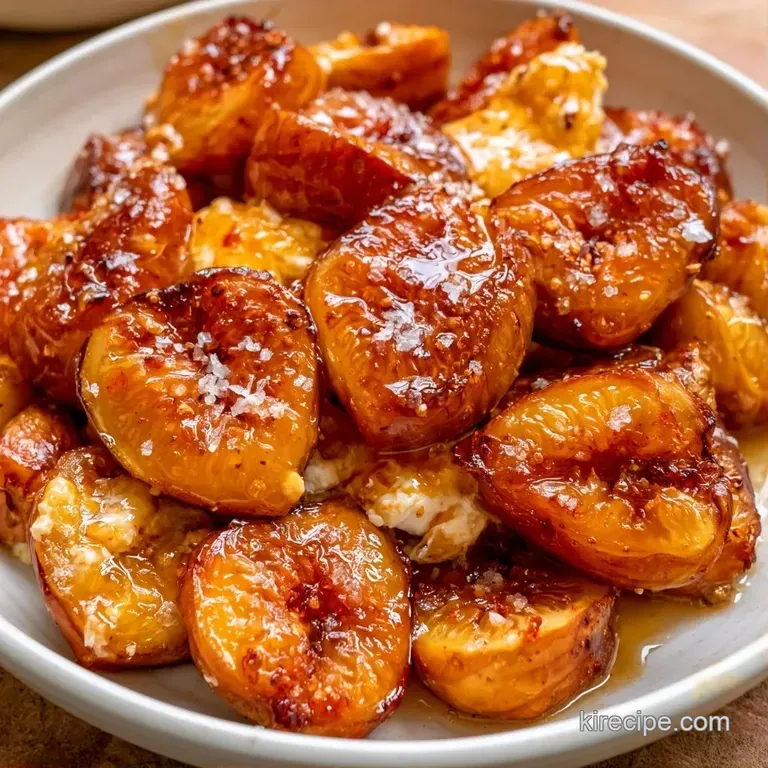
Attention to detail is key. Stick to these instructions to prevent the figs from leaking.
- Set the oven to 400°F (200°C) and prepare a baking sheet by lining it with parchment paper.
- Rinse the figs, then pat them thoroughly dry. Note: Residual moisture on the skin can cause the figs to steam rather than roast.
- Cut a cross shaped 'X' into the top of every fig with a small paring knife, slicing roughly halfway toward the bottom.
- Carefully push the sides of the 'X' inward to form a little cavity for the filling.
- Combine the goat cheese, lemon zest, and sea salt in a small bowl, whipping until the mixture is smooth.
- Place approximately 1 heaping teaspoon of the cheese blend into the middle of each fig.
- Evenly drizzle the honey and melted butter across the top of the fruit.
- Roast for 8–12 minutes until the cheese bubbles and the edges of the figs turn a rich mahogany hue.
- Take them out of the oven and immediately garnish with minced thyme and chopped walnuts.
- Complete the dish with a final drizzle of balsamic glaze over the platter and serve while warm.
Fixing Common Errors
Most people fail this recipe by underheating the oven or overstuffing the fruit. If the oven isn't at 400°F, the figs will release their juices before the skin can sear.
Fixing Leaky Figs
This usually happens when the oven temperature is too low or the figs are overripe. Ensure the oven is fully preheated. If you see liquid pooling, you can carefully drain it with a spoon, but the texture won't be as firm.
Fixing Cold Centers
If the cheese is still cold in the middle, you likely used a cheese that was too cold from the fridge or you overstuffed the pocket. Use a heaping teaspoon, not a tablespoon.
Fixing Burnt Honey
Honey can burn if the oven is too hot or the figs are too small. Start checking them at 8 minutes. Once the edges look like dark mahogany, pull them out immediately.
| Problem | Fix |
|---|---|
| Figs are too mushy | Use firmer fruit and increase heat to 400°F |
| Cheese didn't melt | Use room temp goat cheese and avoid overstuffing |
| Glaze is too thin | Reduce balsamic glaze on the stove before drizzling |
Trust me, the 400°F mark is non negotiable. It's the difference between a gourmet appetizer and a fruit soup.
Custom Flavor Ideas
Once you have the basic method down, you can tweak the profile. I love experimenting with different nuts or herbs depending on the season.
For a saltier kick: Swap the goat cheese for a whipped feta. It's punchier and pairs well with a bit of extra black pepper.
For more crunch: Double the walnut amount or use toasted almonds. The contrast against the velvety cheese is the best part.
For deeper sweetness: Increase the honey by 1 tbsp or add a tiny pinch of cinnamon to the cheese mixture.
For a savory "Bistro Style": Skip the honey and balsamic. Instead, top the cheese with a small piece of prosciutto and a drop of olive oil before baking.
- - For a firmer set
- Bake at 400°F for exactly 10 minutes.
- - For a sweeter finish
- Drizzle honey both before and after baking.
- - For a sharper tang
- Increase lemon zest to 1 full teaspoon.
Storage and Leftovers
While best served warm, these can be saved for later. Place leftovers in a sealed jar and keep them refrigerated for a maximum of 2 days.
Avoid using the microwave to reheat, as it can make the figs rubbery and the cheese oily. Instead, pop them back in a 350°F oven for about 5 minutes until they are warmed through.
In the interest of zero waste, don't discard the fig stems. While they aren't edible, you can steep them in a small pot with water and sugar to produce a light, fruity syrup for pancakes.
Serving Your Figs
Presentation is a big part of this dish. I recommend serving them on a wooden board or a slate platter to lean into that appetizer aesthetic.
For a more filling meal, I usually pair these with a creamy mac and cheese recipe for a cozy winter dinner. The richness of the pasta balances the acidity of the balsamic glaze.
If you're serving them as a starter, a crisp white wine like Sauvignon Blanc or a light Prosecco works best. The bubbles and acidity cut right through the creamy goat cheese.
The One Thing That Changes Everything
The most important factor is the temperature. High heat is essential for achieving that mahogany crust without overcooking the cheese.
The lemon zest is another vital element. Without it, the goat cheese can seem a bit flat or "earthy," which conflicts with the honey. That small touch of citrus brightness elevates the entire dish.
It is a straightforward process, but the precision is what makes these Baked Figs with Goat Cheese feel like a gourmet restaurant appetizer. Just watch your timer, keep your figs dry, and avoid overfilling the centers. Enjoy!
Recipe FAQs
What is the ideal baking time for figs?
Bake them for 8 12 minutes at 400°F. The figs are ready when the edges are a deep mahogany color and the cheese is bubbling.
Is it true that goat cheese melts away completely in the oven?
Surprisingly, no. It softens and becomes creamy but retains enough structure to stay inside the fig pocket.
How do I prepare fresh figs for stuffing?
Slice a cross shaped 'X' into the top of each fig halfway toward the base. Gently press the sides inward to create a pocket for the cheese mixture.
Which cheese pairs best with fresh figs?
Soft goat cheese offers the perfect tart contrast to the honeyed fruit. If you enjoy balancing rich and tangy flavors as seen in our creamy beef pasta, this pairing is ideal.
Baked Figs with Goat Cheese in 20 Minutes