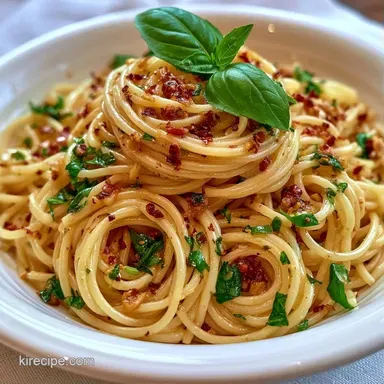
15 Minute Basil Pasta with Garlic: Fresh and Glossy
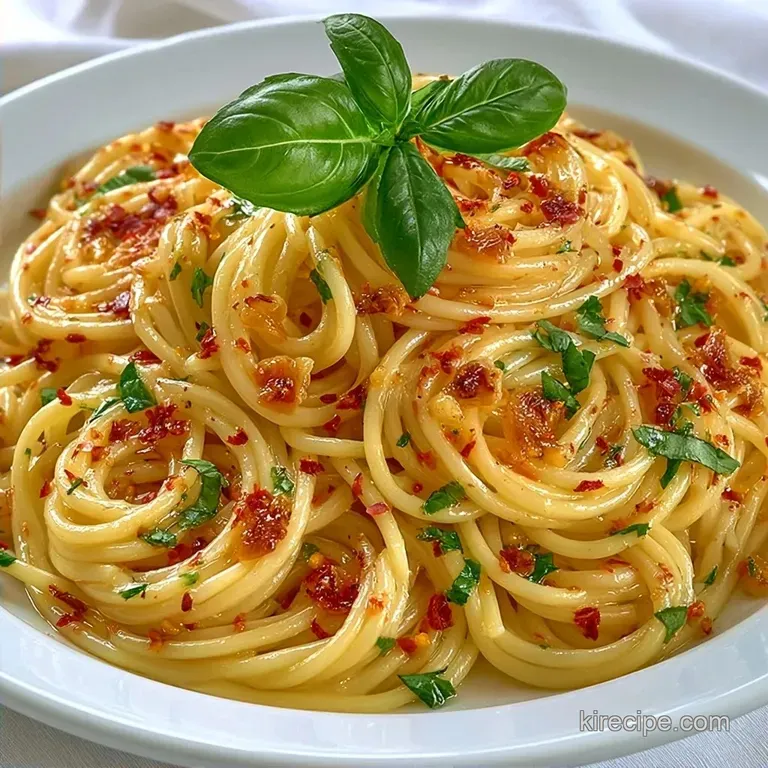
- Time: 5 min active + 10 min cooking
- Flavor/Texture Hook: Fresh, garlicky, and glossy
- Perfect for: Busy weeknights or a fast date night
- 15 Minute Basil Pasta with Garlic
- How to get the flavor
- Ingredient Deep Dive
- Ingredients you'll need
- Basic kitchen tools
- Step by step guide
- Fixing common pasta issues
- Troubleshooting Common Issues
- Swaps and extra twists
- Pasta myths debunked
- Storage and waste tips
- What to serve alongside
- Recipe FAQs
- 📝 Recipe Card
15 Minute Basil Pasta with Garlic
The sound of sliced garlic hitting hot butter is the best part of this whole process. It's that immediate, savory aroma that fills the kitchen and tells you dinner is actually happening.
I used to overcook my garlic until it turned brown and bitter, which ruined the whole dish, but I've learned that keeping it translucent is where the magic happens.
This 15 Minute Basil Pasta with Garlic is the perfect quick and flavorful dinner. It doesn't rely on heavy creams or long simmer times. Instead, it uses a few high-quality pantry staples to create a sauce that feels rich without being heavy.
You can expect a meal that tastes like a bistro dish but takes less time than ordering takeout. The fresh basil and lemon juice cut through the butter and cheese, making every bite feel bright.
How to get the flavor
- Low Heat Garlic: Sautéing garlic slowly prevents it from burning, which keeps the flavor mellow and sweet rather than acrid.
- Starchy Water: The reserved pasta water contains starch that acts as a bridge between the oil and the cheese.
- Off Heat Basil: Adding basil at the very end stops the leaves from wilting or turning black from the heat.
| Method | Time | Texture | Best For |
|---|---|---|---|
| Stovetop | 15 mins | Glossy & Light | Quick weeknight meals |
| Oven Baked | 45 mins | Cheesy & Dense | Meal prep/Crowds |
Ingredient Deep Dive
| Ingredient | What It Does | Best Swap |
|---|---|---|
| Fresh Basil | Provides a peppery, anise like freshness | Baby spinach (milder flavor) |
| Parmesan | Adds salty depth and helps thicken the sauce | Pecorino Romano (saltier) |
| Garlic | Creates the aromatic base | Garlic powder (less punch) |
| Pasta Water | Emulsifies the oil and cheese | A splash of white wine (more acidic) |
Ingredients you'll need
- 12 oz (340g) Spaghetti or Linguine Why this? Long noodles hold the glossy sauce better.
- 1 tbsp (15ml) Salt Why this? Essential for seasoning the pasta from inside out.
- 3 tbsp (45ml) Extra virgin olive oil
- 2 tbsp (28g) Unsalted butter
- 4 cloves (20g) Garlic, thinly sliced
- 1/2 tsp (3g) Red pepper flakes Why this? Adds a subtle warmth without being spicy.
- 1/2 cup (50g) Freshly grated Parmesan cheese
- 1 cup (30g) Fresh basil leaves, torn or chiffonade
- 1 tbsp (15ml) Fresh lemon juice Why this? Brightens the heavy butter and cheese.
- Salt to taste
- Black pepper to taste
Basic kitchen tools
You don't need a fancy setup for this. A large pot for the pasta and a wide skillet are the main requirements. Tongs are highly recommended because they allow you to toss the noodles vigorously, which is the only way to get that emulsion to form.
A microplane or fine grater for the Parmesan makes a big difference, as pre shredded cheese often has coatings that prevent it from melting smoothly.
Step by step guide
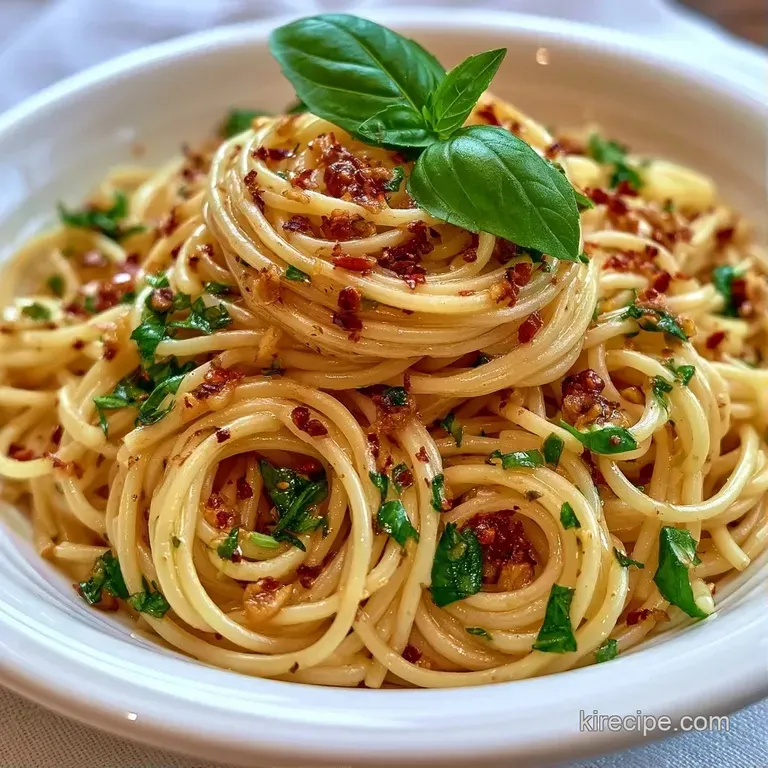
- Bring a large pot of salted water to a rolling boil. Add the pasta and cook according to package directions until al dente.
- Reserve 1 cup (240ml) of the starchy pasta water before draining the noodles. Note: This is your sauce base.
- Heat the olive oil and butter in a large skillet over medium low heat.
- Add the sliced garlic and red pepper flakes. Sauté for 2-3 mins until fragrant and translucent.
- Ensure the garlic does not brown, as this will make the sauce bitter.
- Increase heat to medium. Add the cooked pasta directly into the skillet.
- Pour in 1/4 cup (60ml) of the reserved pasta water and the Parmesan cheese.
- Toss vigorously with tongs for 1-2 mins until a glossy emulsion forms.
- Remove the skillet from the heat.
- Stir in the fresh basil and lemon juice. Season with salt and black pepper.
Chef's Note: If the pasta looks too dry after tossing, add more pasta water one tablespoon at a time. It should look slippery, not sticky.
Fixing common pasta issues
Getting the emulsion right can be tricky the first few times. If your sauce separates, it usually means the heat was too high or you didn't toss the pasta enough. The movement of the noodles helps the fat and water bond together.
Troubleshooting Common Issues
| Issue | Solution |
|---|---|
| Sauce too oily | This happens when the oil and butter don't bond with the pasta water. You might have skipped the reserved water or the heat was too low to activate the starch. |
| Why did my basil turn brown | Basil is very sensitive to heat. If you stir it in while the pan is still on the burner, the leaves will oxidize and lose their bright green color. |
| My garlic tastes bitter | Bitter garlic means it browned. Even a few dark brown bits can ruin the mild flavor of the basil. |
Swaps and extra twists
If you want to move away from the classic version, there are plenty of ways to tweak this. For a dairy-free option, my vegan basil sauce works great as a replacement for the butter and cheese. You can also swap the spaghetti for angel hair if you want it even faster, though you'll need to reduce the cook time to about 2-3 minutes.
For those who like more protein, grilled shrimp or seared scallops fit this flavor profile perfectly. If you're feeling fancy, a handful of toasted pine nuts added at the end gives a nice crunch. Just be careful not to over salt if you add more cheese or salty proteins.
Adjusting the portion size
Scaling Down (1/2 batch): Use a smaller skillet to prevent the butter from spreading too thin and burning the garlic. Reduce the pasta boiling time slightly and use about 2 cloves of garlic.
Scaling Up (2x batch): Don't double the salt or red pepper flakes; start with 1.5x and taste first. Work in batches if your skillet isn't wide enough, otherwise, the pasta won't toss properly and you'll get clumps of cheese.
Pasta myths debunked
Rinsing pasta under cold water is a common habit, but it's a mistake for this recipe. Rinsing removes the surface starch that helps the sauce stick to the noodles. You'll end up with a pool of oil at the bottom of the bowl.
Another myth is that adding oil to the boiling water stops the pasta from sticking. It doesn't. It actually creates a slick surface on the noodle that prevents the sauce from adhering. Just stir the pasta during the first two minutes of boiling instead.
Storage and waste tips
This dish is best eaten immediately because fresh basil doesn't hold up well to reheating. However, you can store leftovers in an airtight container in the fridge for 3-4 days. When reheating, add a splash of water or olive oil and heat it gently on the stove rather than in the microwave to keep it from drying out.
To avoid waste, don't throw away the basil stems. You can blend them into a pesto or toss them into a veggie stock. If you have leftover Parmesan rinds, throw them into a simmering soup for a deep, salty boost of flavor.
What to serve alongside
Since this is a light, buttery dish, it pairs well with something acidic or earthy. A simple arugula salad with a lemon vinaigrette balances the richness of the butter. If you want something more filling, a piece of crusty sourdough bread is a must for mopping up the remaining sauce.
For another garlic forward option, you could try a garlic cream sauce on some toasted ciabatta. A side of roasted asparagus or sautéed spinach also complements the 15 Minute Basil Pasta with Garlic without overpowering the fresh herbs.
Recipe FAQs
How to prevent the sauce from being too oily?
Toss vigorously with reserved pasta water and Parmesan. The starch in the water acts as an emulsifier to bond the olive oil and butter into a cohesive, glossy sauce.
Why did my basil turn brown?
You likely added it while the pan was still on the burner. Basil oxidizes and loses its bright green color when exposed to high heat, so always stir it in after removing the skillet from the heat.
How to prepare fresh basil for this pasta?
Tear the leaves by hand or cut them into thin strips (chiffonade). This method prevents the leaves from bruising and ensures the flavor is distributed evenly.
Can I make this a creamy garlic basil pasta?
Yes, by leveraging the emulsion of pasta water and cheese. If you enjoyed creating a creamy texture without cream here, see how the same principle of fat and starch works in our cajun alfredo sauce.
Is it true that browning the garlic improves the flavor?
No, this is a common misconception. Browned garlic becomes bitter; sauté it over medium-low heat for 2-3 minutes until translucent to keep the flavor mild.
How to store and reheat leftovers?
Keep in an airtight container for 3-4 days and reheat gently on the stove. Add a splash of water or olive oil during reheating to prevent the pasta from drying out.
How to keep the garlic from tasting bitter?
Sauté over medium-low heat until fragrant and translucent. Ensure the sliced garlic does not turn dark brown, as even a few scorched bits can ruin the delicate basil flavor.
15 Minute Basil Pasta with Garlic for 4