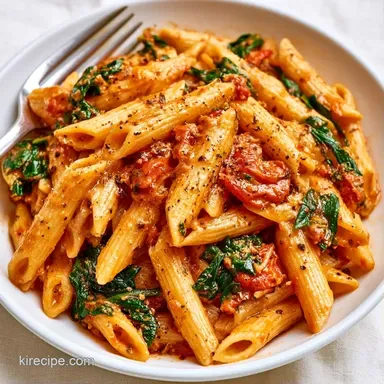
One-Pot Creamy Spinach and Sundried Tomato Pasta
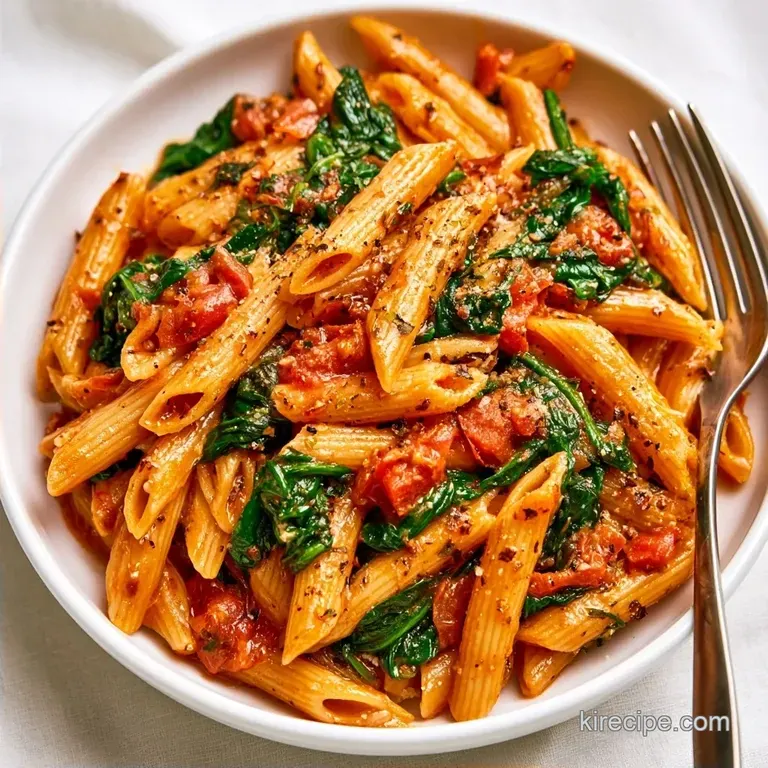
- Time: 5 min active + 20 min cook
- Flavor/Texture Hook: Bright, tangy, and creamy with a silky-smooth finish
- Perfect for: Quick weeknight meals or a meatless Monday
Easy Spinach and SunDried Tomato Pasta
I once attempted a quick pasta for a date but skipped the step to reserve the pasta water. It was a complete catastrophe. The cream separated into an oily slick, and the spinach turned into a grey, slimy heap that resembled swamp water more than a meal. It was such a failure that we gave up and ordered pizza.
The secret to success is all in the emulsion. You need that starchy, salted water to bind the fat from the cream and the oil from the tomatoes together. When done correctly, the sauce clings to the noodles instead of sliding off.
This Spinach and SunDried Tomato Pasta is my favorite option for those evenings when I want something sophisticated that only takes about 25 minutes. It's rapid, uses a single pan for the sauce, and has enough flavor to be truly impressive.
Recipe Specs
Right then, let's look at the basics before we get our hands dirty. This recipe is built for speed. You aren't spending an hour reducing a sauce here. Everything happens quickly, so stay close to the stove.
The flavor profile is a balance of acid and richness. The sun dried tomatoes bring a concentrated tang, while the lemon juice at the end cuts through the heavy cream. It's a bright, heavy dish that feels comforting.
For the best results, use a wide skillet. A larger surface area helps the cream reduce faster and ensures the spinach wilts evenly without overcooking.
Ingredient Deep Dive
Ingredients play different roles; some provide volume, while others modify the sauce's chemical composition.
- Pasta Water
- The starch serves as a stabilizer, preventing the cream from separating and creating a cohesive, smooth texture.
- Tomato Oil
- This is more than a simple fat; it is rich with tomato solids that impart flavor to the garlic as it sautés.
- Lemon Juice
- Added at the final stage to cut through the richness and brighten the dish.
| Ingredient | Role | If You Don't Have It |
|---|---|---|
| Sun Dried Tomato Oil | Flavor Base | Olive oil + 1 tsp tomato paste |
| Heavy Cream | Body/Richness | Full fat coconut milk (will be nuttier) |
| Parmesan Cheese | Salt/Thickener | Pecorino Romano (saltier) |
| Fresh Baby Spinach | Color/Nutrients | Chopped kale (needs 3 mins more cook time) |
Because we are building a creamy base, the quality of your cheese is vital. I always grate my own Parmesan from a block. store-bought shredded varieties often contain anti-clumping additives, which can leave the sauce feeling gritty.
Essential Kitchen Gear
Standard kitchen equipment is all you need here. Just ensure you use a non-stick or stainless steel skillet to prevent the cream from scorching on the bottom.
I find a whisk works better than a spoon for stirring the Parmesan into the cream, as it breaks up lumps and speeds up the emulsion. To achieve a fine texture, use a microplane for the cheese and garlic.
Make sure to use a large pot for the pasta. Giving the noodles plenty of space to move prevents them from sticking together or turning gummy.
From Prep to Plate
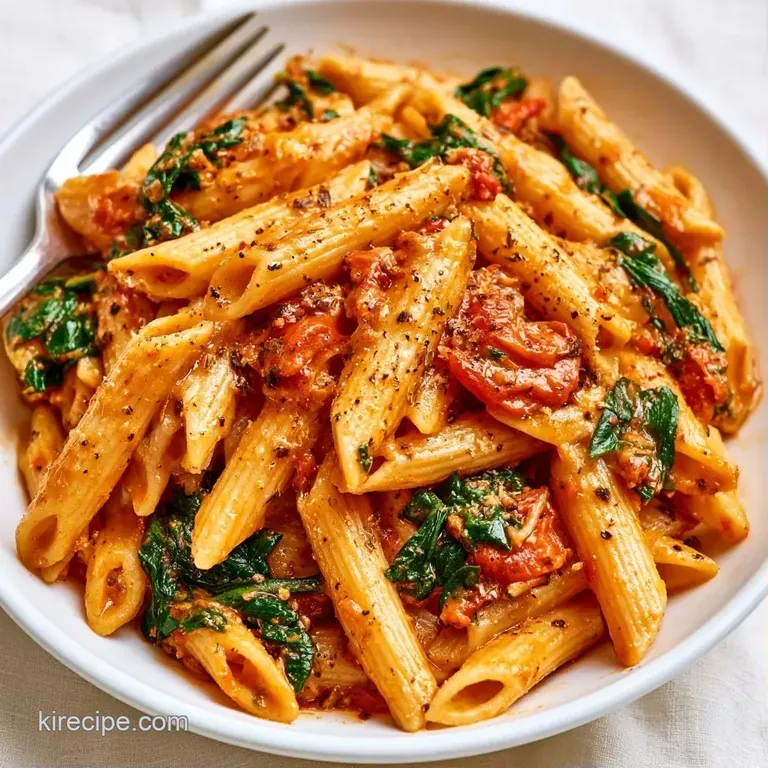
Let's crack on with the cooking. Keep your ingredients prepped and ready by the stove. This happens fast once the heat is on.
Phase 1: The Pasta Foundation
- Bring a large pot of water with 1 tbsp salt to a rolling boil.
- Add the 8 oz penne or fettuccine and cook until al dente (usually 1-2 minutes less than the box says).
- Scoop out 1 cup of the starchy pasta water using a measuring cup. Note: Do this before draining, or you'll lose your stabilizer.
- Drain the pasta in a colander and set it aside.
Phase 2: Building the Flavor Base
- Set a skillet over medium heat and add 2 tbsp of oil from the sun dried tomato jar.
- Toss in 3 minced garlic cloves and 1/2 tsp red pepper flakes. Sauté for 1 minute until fragrant and translucent.
- Stir in 1/3 cup of sliced sun dried tomatoes. Cook for 2 minutes to soften them.
Phase 3: Creating the Creamy Emulsion
- Pour in 1 cup of heavy cream and bring to a gentle simmer.
- Whisk in 1/2 cup Parmesan cheese, 1/2 tsp black pepper, and 1/4 tsp salt until the sauce is smooth.
- Pour in small splashes of the reserved pasta water if the sauce looks too thick.
Phase 4: The Final Fold
- Add the cooked pasta and 5 oz of fresh baby spinach to the skillet.
- Toss gently over low heat for 1-2 minutes until the spinach is just wilted.
- Remove from heat and stir in 1 tsp of lemon juice.
The Sauce Logic
The trick here is the interaction between the fats and the starches.
Starch Binding: The reserved pasta water contains amylose, which helps the oil and cream merge. Without it, the sauce often separates into a greasy layer. Acid Balance: The lemon juice is added last because cooking acid for too long can sometimes curdle heavy cream.
Since we are using a shortcut with jarred tomatoes, the difference comes down to the oil.
| Method | Time | Texture | Best For |
|---|---|---|---|
| Jarred Oil | 25 min | Glossy/Rich | Weeknight Meals |
| Fresh Tomatoes | 50 min | Chunkier/Fresh | Slow Sundays |
| Tomato Paste | 20 min | Dense/Deep | Budget Cooking |
Fixing Common Glitches
It's easy to mess up a cream sauce if the heat gets too high. If your Spinach and SunDried Tomato Pasta looks a bit off, here is how to handle it.
Fixing a Broken Sauce
If the sauce looks oily or separated, the emulsion has broken. Lower the heat immediately. Whisk in a tablespoon of the reserved pasta water and stir vigorously. The starch will pull the fats back together. If it's still separating, a tiny pinch of mustard powder can act as an additional emulsifier. For a different approach to bases, you can try my SunDried Tomato Pasta Sauce recipe which uses a different reduction method.
Preventing Soggy Pasta
Overcooking the noodles in the water and then simmering them in the sauce leads to mush. Always pull the pasta out 2 minutes early. It finishes cooking in the cream sauce, absorbing the flavor without losing its bite.
Balancing Overpowering Garlic
If you accidentally burnt the garlic, don't keep the sauce. Burnt garlic tastes bitter and will ruin the whole pan. Start over, but this time, keep the heat at medium low. The garlic should be soft and fragrant, not brown or crisp.
Preservation Tips
Creamy pasta isn't meant to last forever. As it sits, the noodles keep absorbing the liquid, which eventually transforms the sauce into a dense paste.
Keep your leftovers in a sealed container in the refrigerator for up to 3 days. When reheating, use a gentle heat. Stir in a bit of water or milk to restore the sauce's consistency.
To avoid waste, don't throw away the oil remaining in the tomato jar; use it to sauté vegetables or roast potatoes for a side. You can also finely chop any leftover spinach stems to add to a smoothie or a soup base.
Switching Up Flavors
You can easily tweak this recipe to fit your diet or what's in your fridge.
For a protein boost, add grilled chicken. USDA guidance puts the safe internal temperature for chicken at 165°F. Sauté the chicken first, remove it from the pan, and then build your sauce. Toss the chicken back in at the end.
If you want a lighter version, swap the heavy cream for a mixture of Greek yogurt and a bit of pasta water. Just remember to remove the pan from the heat before adding the yogurt to prevent curdling. For more sauce ideas, my creamy sun dried tomato sauce is a great alternative.
For a vegan swap, use coconut cream and nutritional yeast instead of Parmesan. The coconut adds a slight sweetness that pairs well with the tangy tomatoes.
- For a spicier kick
- increase red pepper flakes to 1 full tsp.
- For a tangier finish
- add 1 tsp of capers along with the tomatoes.
- For a thicker sauce
- simmer the cream for 3 minutes longer before adding cheese.
Side Dish Ideas
Because this dish is quite rich, you'll want sides that provide a contrast. A crisp, acidic salad is an ideal choice; a simple arugula salad with shaved parmesan and lemon vinaigrette cuts right through the creaminess.
For something warm, sautéed zucchini or garlic-roasted broccoli are great options. Avoid adding other heavy starches, such as garlic bread, unless you have a hearty appetite, as the pasta is already quite filling.
To create a full bistro-style meal, pair it with a chilled glass of Pinot Grigio. The wine's high acidity helps balance the richness of the heavy cream.
Pasta Myths Debunked
Searing pasta in butter before boiling doesn't actually "seal in flavor," since pasta is a starch rather than a protein. While you gain a nutty flavor, the texture can become uneven.
Rinsing pasta after draining is a mistake, as it washes away the surface starch that helps the sauce cling to the noodles. Only do this if you are preparing a cold pasta salad.
Using plenty of salt in the water won't make the final dish too salty. Most of the salt remains in the water, but it seasons the noodle from the inside out, which you cannot achieve by salting the sauce alone.
Final Substitutions
| Original Ingredient | Substitute | Why It Works |
|---|---|---|
| Penne (8 oz) | Fettuccine | Holds creamy sauces well. Note: Slightly softer mouthfeel |
| Heavy Cream (1 cup) | Half and Half | Fewer calories. Note: Sauce will be thinner and less rich |
| Parmesan (1/2 cup) | Asiago | Similar salty profile. Note: Adds a sharper tang |
| Lemon Juice (1 tsp) | White Wine | Provides acidity. Note: Simmer for 1 min to cook off alcohol |
This dish is a wonderful way to serve a great dinner without spending your entire night in the kitchen. Once you master the pasta water technique, you can use it for almost any creamy pasta you make. Your date and dinner guests will definitely thank you.
Recipe FAQs
How do I rehydrate sun-dried tomatoes?
Soak them in warm water or the jar oil for 15 to 30 minutes.
Tip: Use the soaking liquid in your sauce for extra depth.
What can I use instead of sun-dried tomatoes?
Fresh cherry tomatoes sautéed until burst offer a similar tang.
Tip: If you enjoy a concentrated vegetable base, you might like the technique used in this red pepper sauce.
Is tomato pesto actually just sun-dried tomatoes?
Actually, no. Pesto is a blended sauce containing oil, cheese, and herbs, whereas sun-dried tomatoes are simply dehydrated fruit.
Tip: Always check if a recipe calls for the whole fruit or a blended paste.
How can I make sun-dried tomatoes without an oven?
Slice tomatoes thin and let them dry in the sun for several days on a mesh screen.
Tip: Sprinkle with a bit of salt to help draw out moisture faster.
Should I soak jarred sun-dried tomatoes before adding them?
No, since they are already preserved in oil.
Tip: Use the flavorful oil from the jar to sauté your garlic.
Is it true that sun-drying tomatoes destroys all their nutrients?
No, this is a common misconception. While some vitamins decrease, others like lycopene become more concentrated.
Tip: Store them in a cool, dark place to preserve those nutrients.
How to incorporate sun-dried tomatoes into a creamy sauce?
Sauté them in oil first to release their flavor before adding the heavy cream.
Tip: Thin the final sauce with reserved pasta water to ensure it clings to the noodles.
Does using only dried tomatoes make a sauce too salty?
This one's false: the saltiness depends on the brand and how much additional salt you add to the pasta water.
Tip: Taste your sauce before adding the final 1/4 tsp of salt.
Creamy Spinach and SunDried Tomato Pasta