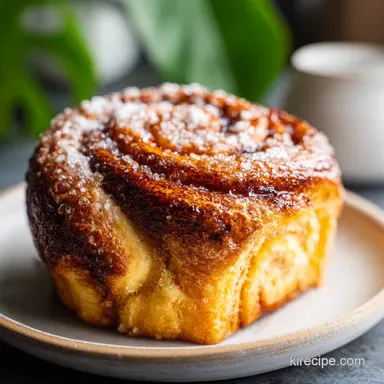
The Ultimate Rolled Babka: Different Look
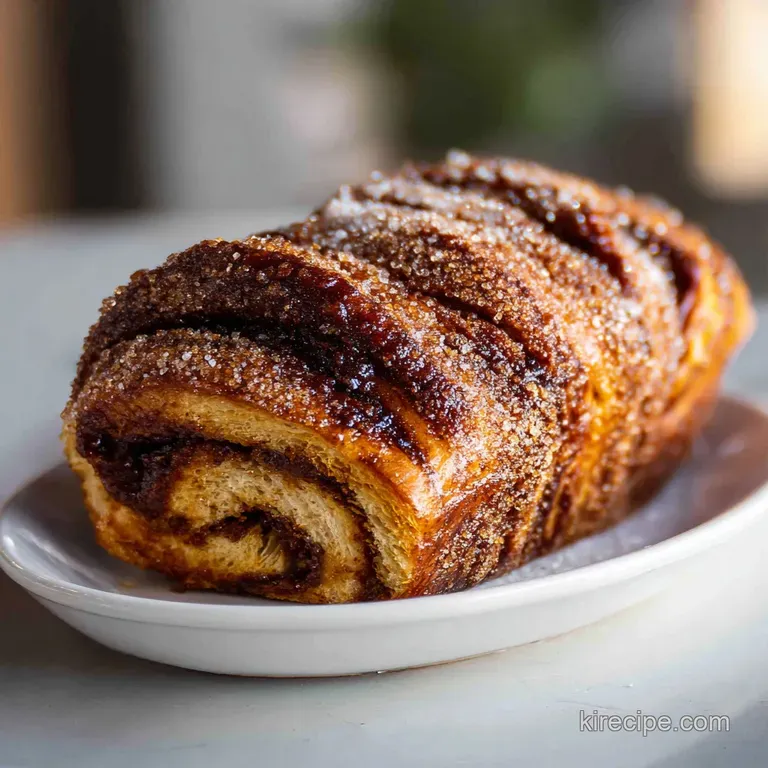
- Time:180 minutes active + 4 hours chilling = Total 7 hours 40 mins
- Flavor/Texture Hook: Velvety chocolate swirls with a citrusy, buttery crumb
- Perfect for: Holiday brunches, impressive dinner party desserts, or a cozy weekend project
Rolled Babka for a Different Look
That first scent hits you the second the oven door opens: a heavy, warm cloud of melted dark chocolate and bright orange zest. It is the kind of smell that fills every corner of the house and makes everyone wander into the kitchen.
I remember the first time I tried this, I was convinced that those intricate, swirling patterns were only possible in high end Jewish bakeries with industrial equipment and twenty years of experience.
I thought you needed some secret, inherited technique to stop the chocolate from just melting into a brown puddle at the bottom of the pan.
But here is the truth: you don't need a professional bakery or a degree in pastry arts to get those gorgeous layers. Forget the idea that babka has to be a stressful, multi day ordeal that requires a specialized oven. The real secret isn't in the equipment, it is in the temperature of your dough.
Once you stop fighting the dough and start using the fridge to your advantage, the whole process becomes a breeze.
This recipe is all about control. We are going to focus on a Rolled Babka for a Different Look by using a chilled, high protein dough that holds its shape during the twist. You can expect a loaf that has a tender, brioche like interior but a sturdy enough structure to show off those dramatic chocolate swirls.
It is a bit of a project, but the result is a bread that looks like it cost 30 dollars at a boutique bakery.
The Secret to Success
If you have ever made a sweet bread that turned out like a dense brick, you probably skipped the cold rest. I used to think the refrigeration step was just a "suggestion" to make the recipe easier, but it is actually the most important part of the whole process.
- Cold Dough Stability
- Chilling the dough firms up the butter, which prevents the chocolate filling from leaking out during the bake.
- Yeast Control
- A slow, cold rise allows the yeast to produce more complex organic acids, giving the bread a deeper, more nuanced flavor.
- Gluten Relaxation
- Cold dough is less "springy," meaning you can roll it into a perfect rectangle without it snapping back like a rubber band.
- Filling Integration
- The chilled surface of the dough keeps the chocolate paste thick, ensuring the layers stay distinct rather than blending together.
To help you decide how to style your loaf, I've put together a quick guide on the different shaping methods you can use for this recipe.
| Method | Time to Shape | Visual Result | Best For |
|---|---|---|---|
| Classic Braided | 10 minutes | Intricate twists | Traditional look |
| Babka Ring | 5 minutes | Circular spiral | Bundt pan lovers |
| Babka Knot | 8 minutes | Tightly coiled | Individual portions |
When choosing your method, remember that the more you manipulate the dough, the more the gluten is stressed. If you are a beginner, the Babka Ring is the safest bet to ensure you don't accidentally tear the dough.
Component Analysis
Before we dive into the mixing, let's look at why these specific ingredients are non negotiable. Baking is a game of precision, and substituting a key component without understanding its role is a fast track to a flat loaf.
| Ingredient | Science Role | Pro Secret |
|---|---|---|
| Bread Flour | Provides high protein/gluten | Use a scale for 440g; volume is too inaccurate |
| Active Dry Yeast | Leavening agent | Warm milk must be 105-115°F or it kills the yeast |
| Unsalted Butter | Tenderizes the crumb | Add it one tablespoon at a time during kneading |
| Orange Zest | Aromatic contrast | Rub the zest into the sugar to release oils |
If you are used to using all purpose flour, you will notice a huge difference here. Bread flour creates a stronger network, which is what allows the bread to lift the heavy chocolate filling without collapsing.
What You'll Need
For the dough, we are using a rich, buttery base. Make sure your eggs and butter are truly at room temperature so they incorporate without creating lumps.
- 440g bread flour Why this? Higher protein for a better lift
- 50g granulated sugar Why this? Feeds yeast and browns the crust
- 7g active dry yeast Why this? Reliable, steady rise
- 3g salt Why this? Tightens gluten and balances sweetness
- 120ml whole milk, lukewarm Why this? Fat creates a softer crumb
- 2 large eggs, room temperature Why this? Structure and richness
- 85g unsalted butter, softened Why this? Classic brioche flavor
- 5ml vanilla extract Why this? Rounds out the citrus notes
- 6g orange zest, finely grated Why this? Cuts through the heavy chocolate
For the chocolate filling, we want a paste that is spreadable but not runny.
- 115g unsalted butter, softened Why this? Base for the cocoa
- 60g cocoa powder, sifted Why this? Prevents lumps in the filling
- 150g powdered sugar Why this? Dissolves faster than granulated
- 60g dark chocolate, finely chopped Why this? Adds "shatter" and depth
For the simple syrup, this is the final touch for that professional shine.
- 60ml water
- 50g granulated sugar
Equipment Needed
You can get by with basic tools, but a stand mixer is a lifesaver here. Kneading this much butter by hand is a workout I don't wish on anyone.
- Stand mixer with a dough hook (a KitchenAid is great for this)
- Digital kitchen scale (essential for the 440g flour)
- Rolling pin
- Plastic wrap
- Loaf pans or a Bundt pan
- Pastry brush
The Cooking Process
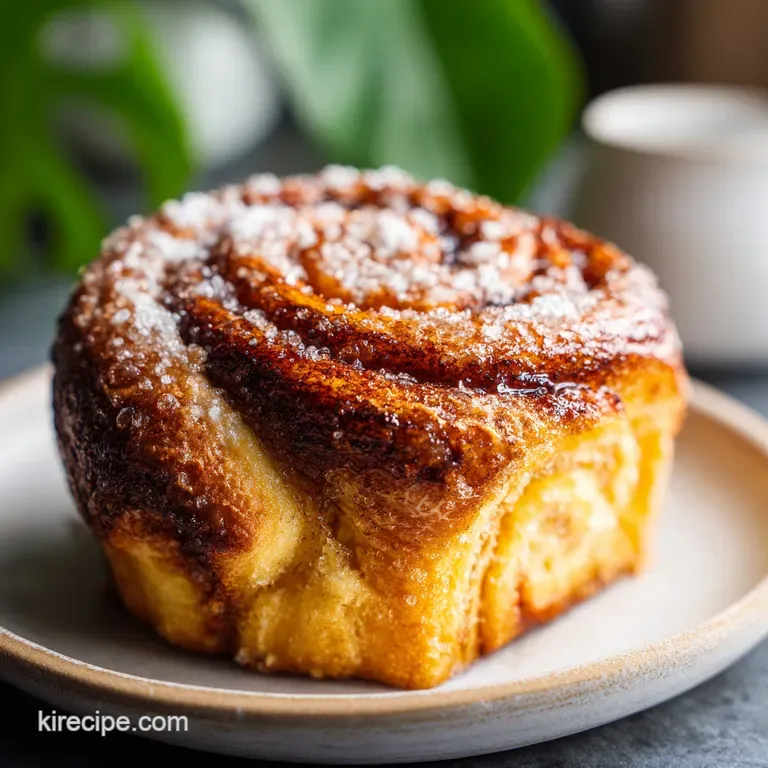
Let's get into it. The key to a Rolled Babka for a Different Look is patience. Do not rush the chilling phase, or you will end up with a chocolate cake instead of a braided bread.
Phase 1: Building the Foundation
- Combine lukewarm milk, a pinch of sugar, and yeast in a small bowl. Let sit for 5-10 minutes until it becomes foamy and smells like fresh beer. Note: If it doesn't foam, your yeast is dead; start over.
- In your mixer bowl, combine 440g bread flour, the remaining sugar, and salt. Add the foamy yeast mixture, eggs, vanilla, and orange zest.
- Knead on medium low for 5 minutes. Gradually add 85g softened butter one tablespoon at a time. Note: Wait for each bit of butter to disappear before adding the next.
- Knead until the dough is smooth and pulls away from the sides of the bowl. Place in a greased bowl, cover with a damp cloth, and let rise in a warm spot for 1.5 to 2 hours until the dough has doubled in size.
- Punch down the dough to release air, wrap tightly in plastic, and refrigerate for at least 4 hours. Note: This is where the magic happens for the Rolled Babka for a Different Look.
Phase 2: Filling and Rolling
- Cream together 115g softened butter, 60g sifted cocoa powder, and 150g powdered sugar until smooth and velvety. Stir in the 60g finely chopped dark chocolate.
- Divide the chilled dough into two equal portions. On a floured surface, roll each piece into a 12x15 inch rectangle. Note: Keep the dough cool; if it gets too soft, pop it back in the fridge for 10 minutes.
- Evenly spread half the chocolate filling across each rectangle, leaving a 1/2 inch border.
Phase 3: Mastering the Babka Shapes
- Now for the fun part. Choose your shape for the Rolled Babka for a Different Look.
- Classic Braided: Roll the dough into a tight log. Slice the log lengthwise down the center, exposing the layers. Twist the two strands over each other, then tuck the ends under.
- Babka Ring: Roll the dough into a log and coil it into a spiral inside a greased round pan.
- Babka Knot: Roll into a log, twist the log tightly, and then tie it into a loose knot.
Phase 4: Final Rise and Bake
- Bake at 350°F (180°C) for 40 minutes until the loaf sounds hollow when tapped on top and is deep golden brown.
- While the loaf is hot, combine 60ml water and 50g sugar in a pan, simmer until dissolved. Brush the syrup over the hot bread for a glossy finish.
Common Mistakes & Troubleshooting
The most common issue I see with this recipe is the "Chocolate Leak." This happens when the butter in the filling melts faster than the dough can set. To avoid this, ensure your dough is ice cold when you spread the filling. If you love working with doughs, you might also enjoy my Baking Powder Biscuits recipe for a faster project.
Why Your Filling Leaked Out
If you see a pool of chocolate at the bottom of your pan, your dough was likely too warm. When the dough is warm, it doesn't provide enough structural resistance to hold the filling during the first 15 minutes of baking.
| Problem | Root Cause | Solution |
|---|---|---|
| Filling leakage | Dough was too warm | Chill dough for 4+ hours |
| Flat loaf | Under kneaded gluten | Knead until dough pulls from bowl |
| Burnt bottom | Oven rack too low | Move rack to center position |
Why Is My Babka Dense?
A dense babka usually comes from two things: too much flour or under proofing. If the dough felt stiff and resisted rolling, you might have added too much flour. On the other hand, if it didn't double in size during the first rise, the yeast didn't have enough time to create the necessary air pockets.
Why Is the Crust Dull?
If your babka looks matte instead of glossy, you probably missed the syrup window. The syrup must be applied while the bread is steaming hot. This allows the sugar to soak into the outer crust, creating that professional, tacky finish.
Failure Prevention Checklist
- ✓ Yeast foamed before adding to flour
- ✓ Dough felt cool to the touch during rolling
- ✓ Butter added gradually during kneading
- ✓ Loaf reached internal temp of 190°F (if using a thermometer)
- ✓ Syrup applied immediately after baking
Creative Twists and Swaps
While the chocolate orange combo is a classic, you can use the same base dough for almost any filling. If you want to branch out from chocolate, you can try a cinnamon sugar paste with toasted pecans. For those who love a fruitier vibe, try a small amount of apricot jam layered with the chocolate.
If you are planning a larger dessert spread, these pair beautifully with some Apple Dumplings for a variety of textures.
| Original Ingredient | Substitute | Why It Works |
|---|---|---|
| Bread Flour | All Purpose Flour | Same base, but Note: result will be softer and less "lofty" |
| Whole Milk | Almond Milk | Similar liquid ratio. Note: slightly less richness in the crumb |
| Dark Chocolate | Milk Chocolate | Sweeter profile. Note: filling may be softer/leakier |
Decision Shortcut for Fillings
- If you want a deep, bitter flavor, use 85% cocoa dark chocolate.
- If you want a "candy" style babka, swap cocoa powder for Nutella.
- If you want a lighter look, use a lemon poppyseed filling instead of chocolate.
Scaling the Recipe
If you are making this for a small gathering, you can easily half the recipe. When scaling down, I recommend beating one egg in a small bowl and using exactly half of it by weight to keep the hydration correct. Use a smaller 8 inch loaf pan and reduce the bake time by about 20%.
For those scaling up to 2x or 4x the recipe, do not simply multiply the yeast by four. Yeast grows exponentially, so I recommend using 1.5x the yeast for a double batch. Work in batches when rolling the dough, as the dough will warm up if it sits on the counter too long while you are shaping multiple loaves.
If you are baking multiple loaves at once, lower the oven temp to 325°F (160°C) and extend the bake time by 10-15 minutes to ensure even heat distribution.
Truths About Babka
There are a few things people tell you about this bread that just aren't true. First, some say you have to use a sourdough starter for "authentic" babka. While sourdough is great, a standard active dry yeast provides a more consistent, foolproof rise for a Rolled Babka for a Different Look.
Another myth is that you must use a specific "Babka Pan." In reality, any deep loaf pan or even a springform pan will work. The shape is created by the rolling and twisting, not the container. As long as the dough is supported, it will rise beautifully.
Storage Guidelines
Because of the high butter and egg content, this bread stays moist longer than a standard baguette.
Fridge Storage: Keep it in an airtight container for up to 5 days. To bring back that fresh baked feel, pop a slice in the toaster or a 300°F (150°C) oven for 5 minutes. Freezer Storage: Wrap individual slices in parchment paper and then foil.
Freeze for up to 3 months. Thaw at room temperature for 2 hours before reheating.
Zero Waste Tips: If you have leftover dough that didn't make it into the loaf, don't throw it away. Roll it into small balls, fill with a pinch of chocolate, and bake them as "mini babkas" for a quick snack.
If you have leftover simple syrup, it makes a great glaze for pancakes or a drizzle for fresh berries.
What to Serve This With
This bread is incredibly rich, so you need something to cut through the fat. A sharp, bitter espresso is the gold standard pairing. The acidity of the coffee balances the sweetness of the powdered sugar and the depth of the cocoa.
For a brunch setting, serve slices of the Rolled Babka for a Different Look alongside some fresh raspberries or sliced pears. The tartness of the fruit cleanses the palate between bites of the velvety chocolate.
If you're hosting a larger meal, a simple arugula salad with a lemon vinaigrette provides a peppery contrast that prevents the dessert from feeling too heavy.
Trust me on this: don't overcomplicate the sides. The babka is the star of the show, and it doesn't need much help to shine. Just a hot drink and some fresh fruit, and you've got a world class breakfast.
Recipe FAQs
How to shape babka buns?
Roll the chilled dough into a log. Slice it into small rounds or twist into spirals before baking for 40 minutes.
What are the most common mistakes when baking babka bread?
Using warm dough during assembly. This leads to "Chocolate Leak" because the butter in the filling melts before the dough can set.
Why do Jews eat babka?
It is a traditional Eastern European Jewish pastry. This sweet treat pairs wonderfully after a savory meal like Palestinian couscous.
What are the different types of babka?
Chocolate and cinnamon are the standard varieties. While this recipe uses cocoa powder and dark chocolate, other versions utilize different sweet fillings.
Can I skip the refrigeration step for the dough?
No, the 4-hour chill is critical. Cold dough maintains its structure and prevents the butter based filling from running during the bake.
Why is my chocolate filling leaking out?
The dough was not cold enough. Ensure the dough is ice cold when spreading the chocolate mixture to lock it in place.
How do I store leftover babka?
Store in an airtight container in the fridge for up to 5 days. For longer preservation, freeze wrapped slices for up to 3 months.
Rolled Babka Different Look