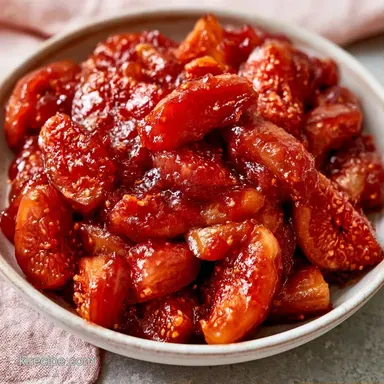
Refrigerator Fig Jam: Smooth and Glossy
- Time: 5 min active + 30 min cooking
- Flavor/Texture Hook: Deep honey notes with a smooth and glossy finish
- Perfect for: Quick breakfast upgrades or a cheese board
Making a Simple Refrigerator Fig Jam
That smell of simmering figs is something else. It fills the kitchen with a heavy, honey like aroma that makes you want to eat the jam right out of the pot. I once tried to rush a batch by boiling it on high, and I ended up with a burnt, gummy paste that tasted more like candy than fruit.
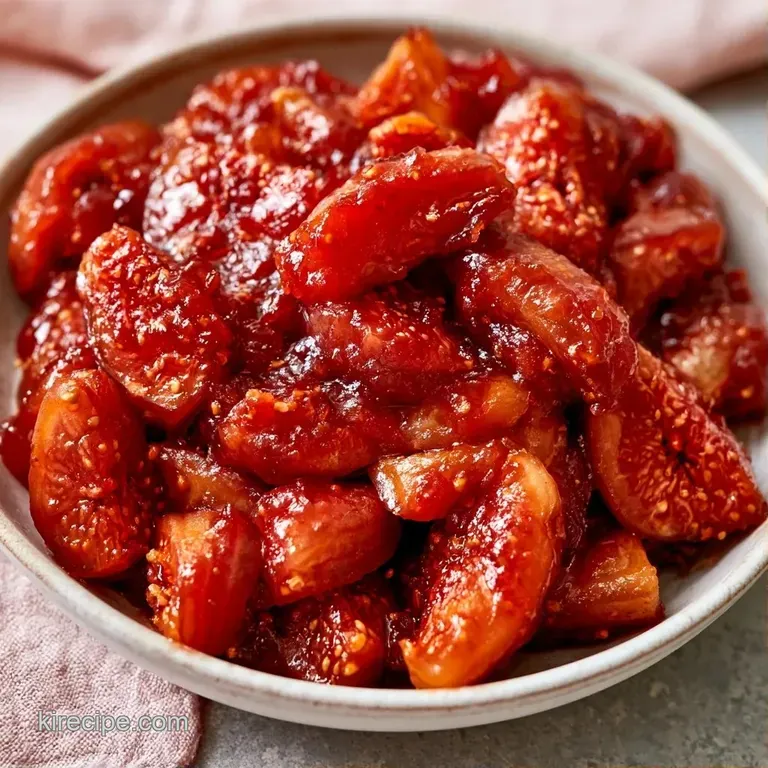
The trick is staying patient with the heat. Once you get that slow bubble going, the fruit breaks down into a rich, mahogany spread. You don't need any fancy equipment, just a heavy pot that can handle the heat.
This Refrigerator Fig Jam is all about the fruit. Fresh figs are the star here, providing both the flavor and the structure. Since we aren't canning these for the pantry, we can keep the fruit flavor bright and fresh.
Why This Jam Works
- Natural Pectin: Figs have a high amount of pectin, which is the natural glue that makes jam thicken.
- Citrus Acid: The lemon juice reacts with that pectin and sugar to create a stable gel.
- Low Heat: Simmering slowly prevents the sugar from crystallizing or scorching.
Between this and a traditional canned preserve, the biggest difference is the set and the shelf life.
| Method | Time | Texture | Best For |
|---|---|---|---|
| Fridge Jam | 30 mins | Soft and jammy | Fresh use within weeks |
| Canned Jam | 2+ hours | Firm and gelled | Long term pantry storage |
This approach is way less intimidating for anyone who hates the idea of boiling water baths.
Recipe Specs
This recipe yields about three half pint jars. It's a small batch approach that ensures you don't end up with gallons of jam if you only have a few jars on hand.
Because we're using a heavy bottomed pot, the heat distributes evenly. This prevents those annoying hot spots that lead to burnt sugar on the bottom.
The Essential Ingredients
| Ingredient | What It Does | Best Swap |
|---|---|---|
| Fresh Figs | Provides pectin and flavor | Dried figs (soak in water first) |
| Sugar | Preserves fruit and thickens | Honey (reduce by 1/4 cup) |
| Lemon Juice | Sets the pectin and cuts sweetness | Lime juice |
| Vanilla Extract | Adds a warm, floral depth | Almond extract |
The Shopping List
- 2 lbs fresh figs, stems removed and quartered Why this? Provides the natural pectin needed for the set
- 1.5 cups granulated sugar Why this? Essential for the jam structure
- 3 tbsp fresh lemon juice Why this? Balances the honey notes
- 1 tsp vanilla extract Why this? Adds a subtle aromatic layer
- 0.25 tsp fine sea salt Why this? Makes the fruit flavor pop
Tools for the Job
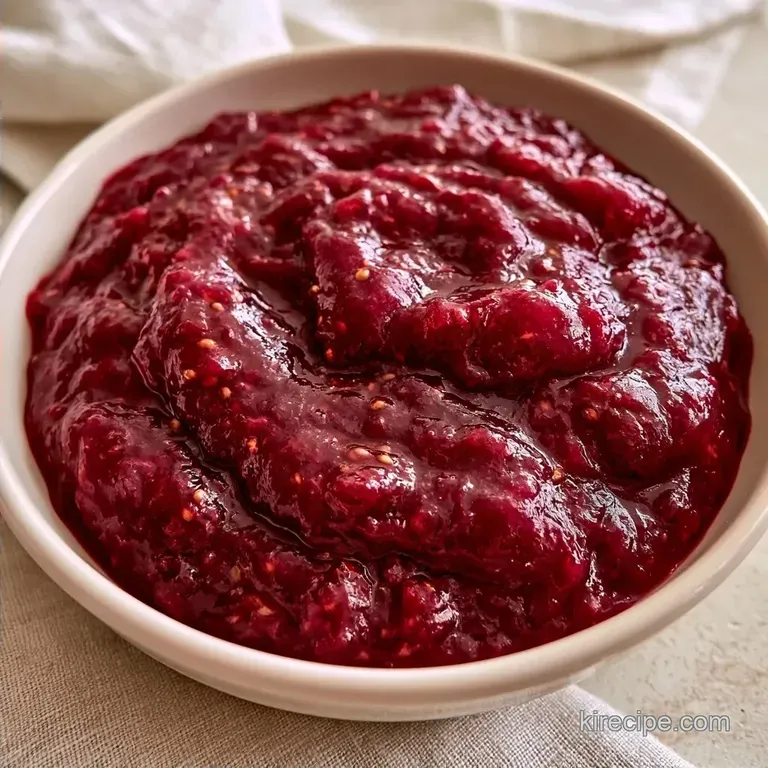
While any basic kitchen will do, a few specific items make the process smoother. A thick walled pot is essential to keep the contents from scorching.
You will also need a potato masher. This is the ideal tool for achieving a chunky yet creamy consistency without over processing it into a puree. Lastly, set a small ceramic plate in the freezer for 10 minutes to get it ready for the upcoming plate test.
Step-by-step Jam Method
- Combine the quartered figs, sugar, lemon juice, and salt in your pot.
- Stir well and let the mixture sit for 10-15 minutes. Note: This lets the sugar dissolve into a natural syrup.
- Place the pot over medium heat until the mixture begins to bubble.
- Immediately reduce the heat to medium low.
- Simmer for 20-30 minutes, stirring occasionally.
- Use a potato masher to gently crush some figs until you have a mix of chunks and syrup.
- Continue simmering until the jam reduces by a third and looks like a thick glaze.
- Remove from heat and stir in the vanilla extract.
- Perform the plate test: drop a spoonful of jam onto the chilled plate. Push it with your finger; if it wrinkles, it's done.
- Funnel the jam into sterilized jars, leaving 1/2 inch of headspace, and seal.
Fixing Common Jam Issues
If your jam isn't setting, don't panic. It usually just needs a few more minutes of heat. The most common issue is pulling the pot off the stove too early because the jam looks thick, but remember that it firms up a lot more once it hits the cold fridge.
Another issue is the texture. If you mashed everything too much, it becomes a paste. If you didn't mash enough, it's just fruit in syrup. Finding that middle ground is what makes this Refrigerator Fig Jam feel high end.
Jam Is Too Runny
This usually means the pectin hasn't fully bonded. Simmer for another 5-10 minutes.
Sugar Is Grainy
This happens if the sugar didn't dissolve during the maceration phase. Stir more frequently over low heat.
Fruit Is Scorching
If you see dark brown bits at the bottom, your heat is too high. Lower the flame and stir from the center outward.
| Problem | Fix |
|---|---|
| Too runny | Simmer 5-10 mins more |
| Grainy sugar | Stir more on low heat |
| Scorched bottom | Lower heat immediately |
Best Ways to Serve
This jam is a powerhouse on a cheese board. I love pairing it with a sharp cheddar or a creamy goat cheese. For a quicker snack, try it on Brie Fig Crostini for a mix of salty and sweet.
It also works surprisingly well as a glaze for roasted pork or chicken. Just thin it out with a splash of apple cider vinegar. For breakfast, skip the store-bought stuff and swirl this into Greek yogurt with some toasted walnuts.
Storage and Waste Tips
Keep your jars refrigerated for up to 3 weeks. Since no canning process was used, these are not shelf stable. If you've made a large amount, the jam can be frozen for up to 6 months. Be sure to leave a bit of headspace in the jar to prevent the glass from cracking during expansion.
To thaw, transfer the jar to the refrigerator overnight.
If you're preparing a large batch of fruit infused syrup, you can repurpose the fig stems rather than throwing them away. Simmer the stems with sugar and water to create a light syrup perfect for cocktails.
Simple Flavor Twists
Feel free to customize the flavor with these simple adjustments. I take a similar approach with my make-ahead fruit preserve to keep things fresh.
- Spiced: Stir in 1/4 tsp cinnamon and a pinch of cloves during the simmer.
- Boozy: Add 1 tbsp of port wine or brandy at the very end along with the vanilla.
- Low Sugar: Use monk fruit sweetener to replace half the sugar, though the set will be slightly softer.
Chef Note: Very ripe figs tend to be more watery. You may need to simmer the jam for an additional 5 minutes to achieve a velvety consistency.
Quick Decision Guide Need more tang? → add 1 tsp lemon zest Want a deeper color? → add 1 tsp balsamic vinegar Prefer floral notes? → swap vanilla for orange blossom water
Recipe FAQs
Should you refrigerate fig jam?
Yes, this jam must be kept cold since it is not processed for shelf stability.
Tip: Keep it chilled for up to 3 weeks.
Is it true I must peel figs for jam?
No, and here's why. The skins are thin and contain natural pectin that helps the jam thicken.
Tip: Simply wash the fruit and remove the stems before quartering.
How to set jam without pectin?
Simmer the mixture until the liquid has reduced by a third and reaches a thick, glaze like consistency.
Tip: If you found this reduction method helpful, try applying the same approach to our grape jelly BBQ sauce.
Can I freeze fresh figs for later?
Yes, you can freeze them to use in jam during the off-season.
Tip: Freeze figs on a parchment lined tray first to prevent them from clumping.
Does fig jam require vinegar to set?
Not true. Lemon juice provides the acid needed to activate the fruit's natural pectin.
Tip: Always use fresh lemon juice for the brightest flavor.
What is the best way to prepare fresh figs?
Remove the stems and cut each fig into quarters.
Tip: Use a sharp knife to avoid crushing the soft flesh of the fruit.
Refrigerator Fig Jam in 50 Minutes