One Pot Taco Spaghetti
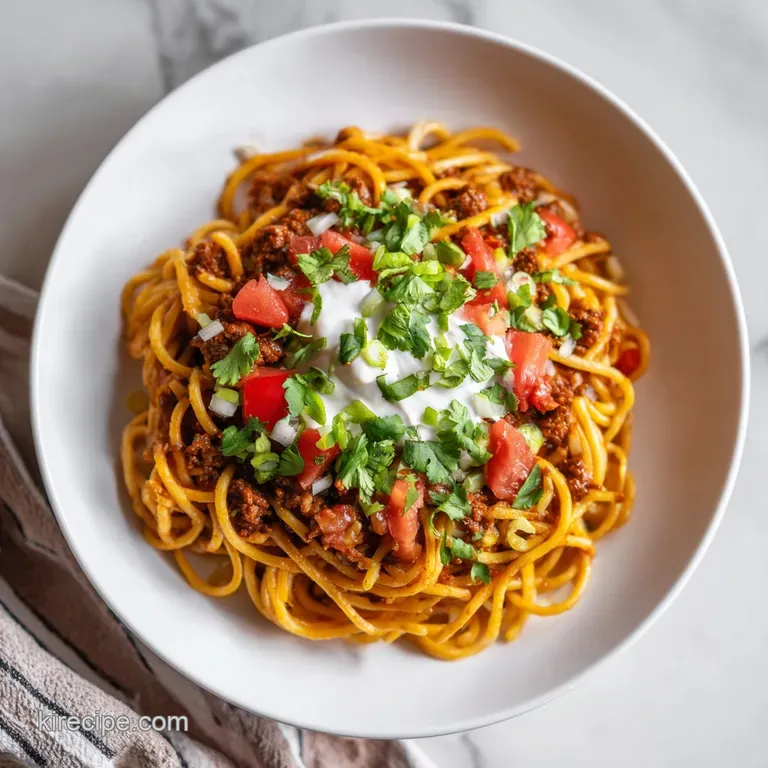
- Time: Active 10 minutes, Passive 20 minutes, Total 30 minutes
- Flavor/Texture Hook: Zesty, velvet smooth cheese melt with snappy pasta
- Perfect for: Chaotic weeknights and budget conscious family meal prep
- Why This One Pot Taco Spaghetti Works
- Recipe Specs and Precision Points
- Ingredient Deep Dive and Science
- Essential Kitchen Equipment
- Step by Step Cooking Guide
- Fixing Common Cooking Problems
- Troubleshooting Common Issues
- Customizing Your Taco Pasta
- Storage and Freshness Guide
- Perfect Complements
- Kitchen Myths Debunked
- Recipe FAQs
- 📝 Recipe Card
Why This One Pot Taco Spaghetti Works
There is nothing more heartbreaking than lifting a lid to find a gummy, starchy mess of noodles swimming in a pool of greasy water. You wanted a quick win after a long day at the office, but you got a bowl of regret.
I used to think the only way to get "real" pasta was the two pot method boiling the water, draining it, then mixing. But that always left the sauce feeling separate, like the meat and the noodles were just casual acquaintances rather than a team.
This recipe fixes that disconnect by treating the pasta like a sponge rather than an afterthought.
The magic happens when you stop thinking of the beef broth and tomato juice as "boiling liquid" and start seeing them as the flavor foundation. By cooking everything in one vessel, you aren't just hydrating the spaghetti; you are seasoning it from the inside out.
The result is a texture that is far more velvety than traditional spaghetti, thanks to the starches that usually end up down your kitchen drain. It is a total transformation of humble ingredients that feels much more expensive than it actually is.
- Starch Suspension: Simmering pasta in the sauce keeps the starch in the pan, creating a natural thickener that binds the beef and cheese to the noodles.
- Internal Hydration: Instead of absorbing plain water, the spaghetti strands soak up the savory beef broth and taco spices, seasoning the dish deeply.
- Fond Incorporation: Searing the beef first creates a layer of browned bits (fond) that dissolves into the simmering liquid, adding complex savory notes.
- Fat Balance: Using lean 90/10 beef ensures there is just enough fat to carry the spice flavors without leaving a greasy slick on the surface.
| Method | Time | Texture | Clean up |
|---|---|---|---|
| One Pot Fast | 30 minutes | Velvety, cohesive sauce | One pan, one spoon |
| Traditional Classic | 45 minutes | Separate sauce and noodles | Two pots, colander, bowls |
This one pot method is a strategic victory for anyone who hates washing dishes but refuses to eat a bland meal. If you are looking for another high flavor, low effort sauce, you might also like this Chipotle Sauce copycat which brings a similar smoky heat to your table.
Recipe Specs and Precision Points
When we talk about "easy" meals, people often get sloppy with the details. But in a one pot dish, the ratios are everything. If you have too much liquid, you get soup; too little, and you’re eating crunchy, half raw noodles. These precision checkpoints are the guardrails that keep your dinner on track.
I’ve measured these down to the milliliter so you don't have to guess while you're staring at a bubbling pot.
The beauty of this dish is its predictability. Once you nail the heat level a gentle, rhythmic simmer rather than a violent boil the physics of the pasta takes over.
You are looking for that specific moment when the liquid has reduced by about 80 percent, leaving just enough to create a glossy coating when the cheese hits the pan. It’s a sensory experience: the sound shifts from a splashy bubble to a thicker, more muted "glug" as the sauce tightens up.
| Thickness | Internal Temp | Rest Time | Visual Cue |
|---|---|---|---|
| Sauce Base | 100°C (Boiling) | N/A | Vigorous, large bubbles |
| Beef / Peppers | N/A | N/A | Onions turn translucent |
| Finished Dish | 74°C (Safe) | 3 minutes | Liquid looks like heavy cream |
Getting these numbers right is the difference between a "good" dinner and the one your family asks for every Tuesday. Use a 5 quart Dutch oven if you have one; the heavy bottom helps distribute heat so you don't end up with burnt bits at the center while the edges are still watery.
If you're planning on a larger batch for a crowd, keep reading I've got the scaling details coming up shortly.
Ingredient Deep Dive and Science
Let's talk about what is actually going into the pot. We aren't using fancy artisanal ingredients here because the whole point of a budget smart meal is using what's in the pantry. However, how those ingredients interact is fascinating.
The Rotel, for instance, isn't just for flavor; the acidity in the tomatoes helps balance the richness of the beef and cheese, keeping the dish from feeling "heavy."
Even the choice of beef matters. I specify 90/10 lean ground beef because we aren't draining the fat in this method. If you use a fattier 80/20 blend, that grease has nowhere to go but into your pasta, which can make the texture feel slick and unappealing.
By starting with lean meat, we control the lipids from the start, ensuring every calorie is working toward a better flavor profile.
| Component | Science Role | Pro Secret |
|---|---|---|
| Beef Broth | Hydration agent | Use low sodium to control the final "salt snap" of the dish. |
| Rotel Tomatoes | Acidic balance | Don't drain the liquid; the canning juices contain essential salts and spice. |
| Spaghetti | Starch provider | Break the strands in half to ensure even submersion and easier stirring. |
| Cheddar Cheese | Fat emulsifier | Grate it yourself for a smoother melt; pre shredded has starchy coatings. |
The interaction between the beef broth and the cumin is another secret layer of flavor. Cumin is fat soluble, so when you stir it into the browned beef, the spices "bloom," releasing oils that would otherwise stay trapped in the dried spice.
This creates a much more fragrant and "taco like" aroma that fills your entire kitchen before the pasta even hits the water.
Essential Kitchen Equipment
You don't need a professional kitchen to pull this off, but the right vessel makes a world of difference. A deep skillet or a 5 quart Dutch oven is my go to. Why? Because you need surface area to brown the beef properly, but you also need depth to submerge those spaghetti strands.
If your pan is too shallow, the noodles will poke out like a porcupine and cook unevenly.
- Heavy Bottomed Pot: A Dutch oven (like a Lodge) is ideal because it holds heat consistently, preventing "hot spots" that can scorch the pasta.
- Wooden Spoon: You need something sturdy to scrape the "fond" (the brown bits) off the bottom after you add the broth. That's where the flavor lives!
- A Tight Fitting Lid: This is non negotiable. Without a lid, the liquid evaporates too fast, leaving your pasta dry and undercooked.
- Box Grater: If you have the extra 2 minutes, grating your own sharp cheddar will give you a significantly silkier finish than the bagged stuff.
If you don't have a Dutch oven, a large, deep stainless steel sauté pan will work, but you'll need to keep a closer eye on the heat. Stainless steel reacts faster to flame changes, so if things start looking too dry, don't be afraid to add a splash more broth or water.
step-by-step Cooking Guide
Now, let's get into the actual rhythm of the cook. This is where the magic happens. Remember, we are aiming for a total time of 30 minutes, so keep your ingredients prepped and ready to go.
- Sauté the aromatics. Place your large skillet or Dutch oven over medium high heat. Add the 1 lb of lean ground beef, breaking it into small crumbles. As it starts to sizzle, toss in the diced yellow onion and green bell pepper. Note: Browning the vegetables with the meat allows the onion sugars to caramelize in the beef fat.
- Wait for the sear. Cook for 5 minutes until the beef is fully browned and the peppers are softened. Don't rush this; that brown color on the meat is pure flavor.
- Bloom the spices. Stir in the 3 cloves of minced garlic, 2 tbsp of taco seasoning, and 1 tsp of cumin. Note: Cooking spices in fat for 60 seconds unlocks their aromatic oils.
- Deglaze the pan. Pour in the 3 cups of beef broth and the 10 oz can of Rotel (liquid and all). Use your spoon to scrape the bottom of the pot. You should see the liquid turn dark and rich as the browned bits dissolve.
- Achieve a boil. Bring the mixture to a vigorous boil. This ensures the pasta starts cooking the moment it hits the liquid.
- Submerge the pasta. Add the 8 oz of broken spaghetti strands. Push them down with your spoon to make sure every single piece is underwater.
- Simmer and cover. Reduce the heat to medium low and pop the lid on. Simmer for about 10-12 minutes until the pasta is tender and the liquid has thickened into a glossy sauce.
- The cheesy finish. Remove the pot from the heat. Sprinkle in the 1.5 cups of shredded cheddar. Stir gently until the cheese is completely melted and the sauce looks velvety.
- The final touch. Garnish with 1/4 cup of chopped fresh cilantro. The brightness of the herbs cuts through the richness of the beef and cheese.
Chef's Tip: If the pasta is done but there’s still too much liquid, take the lid off for the last 2 minutes of cooking. This allows for rapid evaporation and "tightens" the sauce perfectly.
Fixing Common Cooking Problems
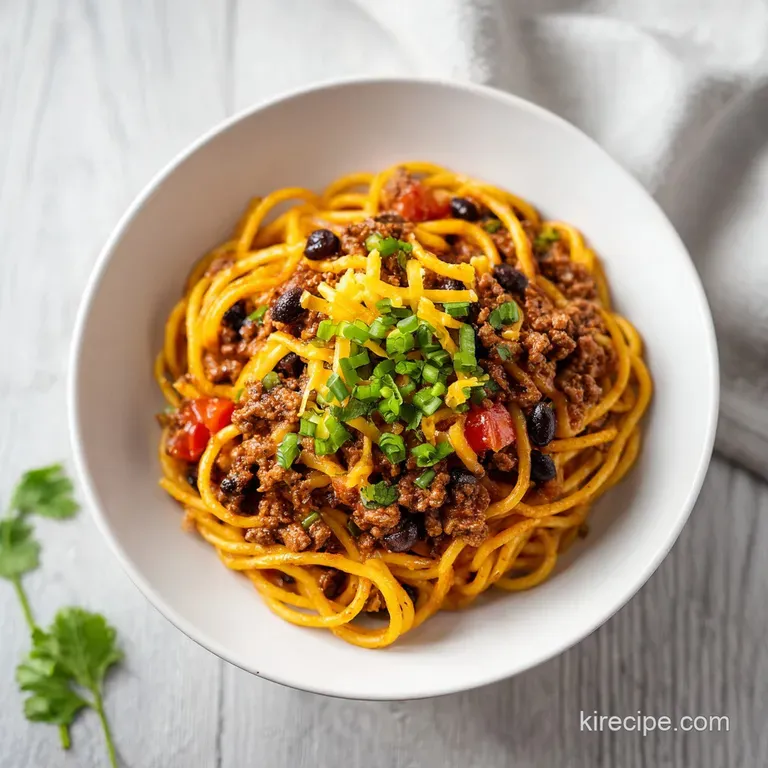
Even with a "fail proof" recipe, things can go wonky. Maybe your stove runs hot, or maybe you used a different brand of pasta. Don't panic. Most one pot issues are easily fixed with a little bit of kitchen intuition.
The most common complaint I hear is about "gummy" noodles, which usually happens if the pasta sits in warm liquid for too long without enough heat to actually cook it.
Troubleshooting Common Issues
| Issue | Solution |
|---|---|
| Why Your Spaghetti Turned Gummy | If the texture feels more like paste than pasta, it's usually because the liquid wasn't hot enough when the noodles were added, or the heat was too low during the simmer. Pasta needs that initial blas |
| What To Do With Excess Liquid | Sometimes you lift the lid and it looks like soup. This happens if your lid is too good at its job and traps every drop of moisture. Just turn the heat up to medium high and stir constantly for 2 to |
| Why Your Beef Feels Dry | If the beef feels "crumbly" or tough, it might be overcooked from the initial sauté. You want to brown it until it's just cooked through, not until it's crispy. Once the liquid goes in, the beef will |
Customizing Your Taco Pasta
This is a "base" recipe, meaning it’s a canvas for your own kitchen creativity. If you have half a can of black beans or some frozen corn lurking in the back of your freezer, throw them in! The beauty of one pot meals is their adaptability.
You aren't just making a recipe; you're solving the "what's in the fridge" puzzle.
If you are looking for a more intense project, you could pair this with a home preserved sauce using a Canning Spaghetti Sauce recipe as a base instead of the Rotel and beef broth, though you’d need to adjust the liquid ratios. For now, let’s stick to these quick variations:
- If you want a Spicy Tex Mex version: Swap the diced green pepper for a de seeded jalapeño and add a dash of cayenne pepper or hot sauce.
- If you want it Creamier: Stir in 2 tablespoons of cream cheese or sour cream at the very end when you add the cheddar. It makes the sauce feel incredibly luxurious.
- If you want a Vegetarian option: Swap the beef for two cans of drained black beans and use vegetable broth. It won't have the same "beefy" depth, but it's still a fantastic high protein meal.
Decision Shortcut: Want it "Hidden Veggie"? Finely grate a zucchini into the beef as it browns. Want it Smokier? Add 1 teaspoon of smoked paprika or a chopped chipotle in adobo. Want it Lighter? Use ground turkey instead of beef and low-fat Monterey Jack cheese.
Storage and Freshness Guide
One of the best things about this one pot taco spaghetti is that it tastes even better the next day. As it sits in the fridge, the pasta continues to absorb the residual spices, making the flavors more cohesive. However, pasta is a notorious liquid thief. When you reheat it, it might look a little dry.
- Fridge
- Keep in an airtight container for up to 4 days.
- Freezer
- I don't recommend freezing cooked spaghetti. The noodles tend to break down and become mushy upon thawing. If you must freeze it, undercook the pasta by 3 minutes.
- Reheating
- Add a splash of water or broth (about 1 tablespoon per serving) before microwaving. This creates steam that loosens the cheese and re hydrates the noodles.
Zero Waste Tip: Don't throw away those cilantro stems! They actually have more flavor than the leaves. Finely mince them and sauté them right along with the onions and garlic at the beginning of the recipe.
Also, if you have leftover "taco meat" from a previous night, you can skip the first step and just start with the liquid and pasta, adjusting the simmer time as needed.
Perfect Complements
While this dish is a complete meal on its own, a few simple sides can take it from a "Tuesday night fix" to a proper family feast. Since the spaghetti is quite rich and cheesy, you want something bright, crunchy, or acidic to provide a contrast.
Think about textures. A crisp green salad with a lime vinaigrette is the perfect foil for the creamy pasta. Or, if you're feeling adventurous, some quick pickled red onions provide a beautiful pop of color and a sharp tang that cuts right through the beef fat.
- Garlic Bread: But make it "taco style" by rubbing the bread with a cut clove of garlic and sprinkling it with a bit of cumin and chili powder before toasting.
- Corn Salad: A simple mix of grilled corn, lime juice, and red onion.
- Avocado Slices: The cool, creamy texture of fresh avocado is the ultimate topping for anything with taco spices.
For those who love a bit of "fusion" in their meals, serving this alongside a bowl of Pasta Fagioli might seem strange, but both dishes share that "hearty comfort" DNA. If you have a big family, having two distinct one pot pasta options on the table is a great way to handle different cravings without extra stress.
Kitchen Myths Debunked
There is a lot of "old wives' tale" advice surrounding pasta that actually hurts your final result, especially in one pot cooking. Let's clear the air so you can cook with confidence.
Myth: You must rinse pasta to stop it from sticking. Truth: Never rinse your pasta, especially in this recipe! That surface starch is exactly what makes the sauce creamy. If you rinse it, the sauce will just slide off the noodles and pool at the bottom of your bowl.
Myth: Adding oil to the boiling water prevents sticking. Truth: All oil does is float on top of the water. When you drain the pasta, the oil coats the noodles, which then prevents the sauce from sticking to them. In a one pot dish, the oil would just make the final sauce greasy.
Frequent stirring is the only real way to prevent sticking.
Myth: "Al dente" means the pasta should be crunchy. Truth: Al dente literally means "to the tooth." It should have a firm bite and a bit of resistance in the center, but it should never be chalky or hard.
Because this pasta continues to cook in its own residual heat after you turn off the stove, you should pull it off the burner just before it reaches your perfect texture.
This one pot taco spaghetti is a testament to the fact that you don't need a massive budget or a sink full of dishes to eat well. It’s about understanding how your ingredients work together how the starch from the spaghetti creates a bridge between the savory beef and the sharp cheddar.
Once you master this method, you'll find yourself looking at all your favorite pasta recipes and wondering: "Can I do this in one pot?" The answer is almost always a resounding yes.
Recipe FAQs
How to fix gummy spaghetti?
Maintain a vigorous boil before adding the pasta. If the liquid is not hot enough when the noodles go in, the starch releases too quickly, creating a pasty texture instead of a firm bite.
Is it possible to freeze the leftovers?
No, I do not recommend it. The cooked pasta tends to break down and become mushy upon thawing, which ruins the final texture of the dish.
How to handle excess liquid at the end of cooking?
Increase the heat to medium high and stir constantly. This allows the remaining moisture to evaporate quickly without overcooking the noodles, similar to how we manage sauce reduction in our chicken enchilada casserole.
How long does this stay fresh in the refrigerator?
Store for up to 4 days in an airtight container. Note that the pasta will continue to absorb liquid as it sits, so you may need to add a splash of broth when reheating.
Is it necessary to brown the vegetables with the beef?
Yes, this is essential for flavor. Cooking the onions and peppers in the rendered beef fat allows the sugars in the vegetables to caramelize, adding a depth of flavor that wouldn't exist otherwise.
How to ensure the beef stays moist?
Use lean 90/10 ground beef and avoid over browning. Sauté the meat only until it is fully browned and no longer pink to ensure it retains its texture once combined with the liquid.
How to prevent the pasta from sticking to the bottom of the pot?
Scrape the bottom of the pot thoroughly after adding the broth and Rotel. Releasing the browned bits, or fond, from the pan surface not only prevents sticking but also incorporates savory flavor into the cooking liquid.
One Pot Taco Spaghetti
Ingredients:
Instructions:
Nutrition Facts:
| Calories | 391 kcal |
|---|---|
| Protein | 29.2 g |
| Fat | 10.4 g |
| Carbs | 37.8 g |
| Fiber | 2.6 g |
| Sugar | 3.8 g |
| Sodium | 585 mg |
