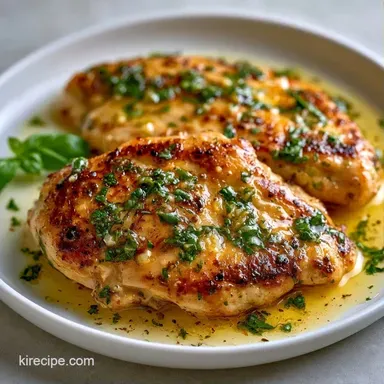
One Pan Basil Chicken: Creamy and Savory
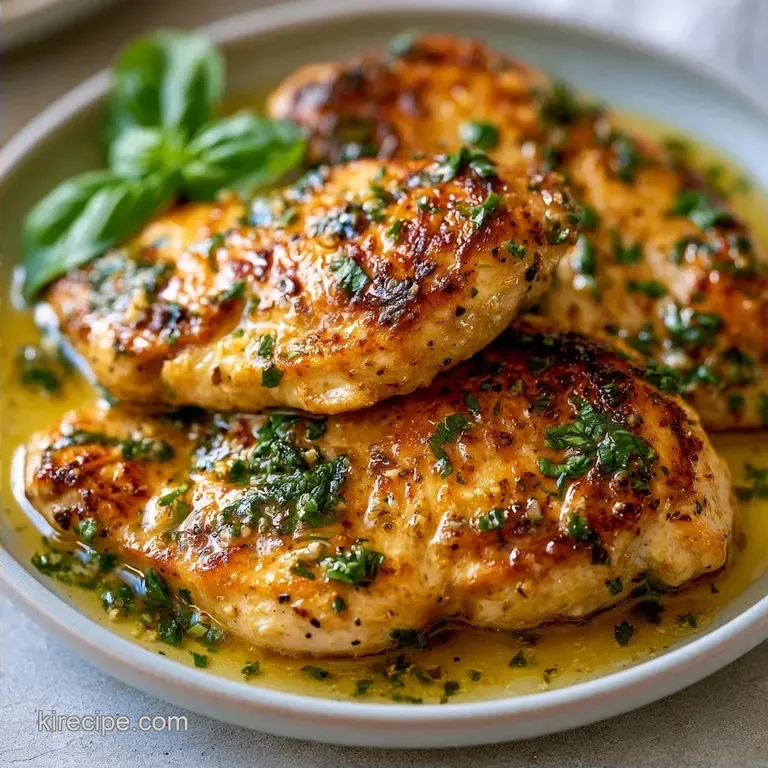
- Time: 10 min active + 20 min cook
- Flavor/Texture Hook: Creamy, bright, and savory with a fresh herbal finish
- Perfect for: Busy weeknight dinners or a fast date night meal
The sound of chicken hitting a hot skillet with a loud sizzle is the best part of my evening. For a long time, I thought you needed heavy reductions or expensive imports to make a creamy pasta style protein taste like it came from a bistro.
I used to spend way too much time simmering sauces for hours, thinking that was the only way to get depth.
Actually, that's a total myth. You don't need a complex process or a professional kitchen to get those bold flavors. This Basil Chicken recipe proves that a few fresh ingredients and the right heat can do the job in half the time.
You can expect a dish that hits every note. It has the saltiness of Parmesan, the brightness of lemon, and the punch of fresh basil. It's a fast, budget-friendly meal that doesn't feel like a compromise.
Making Easy Basil Chicken at Home
The trick to making Basil Chicken work is all in the pan management. If you crowd the pan, the chicken steams instead of browning, and you lose that golden crust. I once tried to cook six breasts at once, and I ended up with grey, rubbery meat and a sauce that tasted flat.
Now, I always sear in batches or use a wide 12 inch skillet. Getting that deep brown color on the meat creates a foundation of flavor that the cream then picks up. It's the difference between a meal that tastes "okay" and one that feels like a treat.
Why This Recipe Works
- High Heat Searing: Cooking the meat quickly at a high temp creates a crust that adds savory depth to the sauce.
- Lemon Brightness: Adding acid at the very end cuts through the fat of the cream and butter, making the flavors pop.
- Deglazing: Using broth to scrape up the brown bits from the pan incorporates all the concentrated flavor back into the liquid.
Similar to the richness found in an Authentic Butter Chicken recipe, the key here is the balance of fat and acidity.
| Basil Type | Prep Time | Flavor Profile | Best For |
|---|---|---|---|
| Fresh Leaves | 2 mins | Bright, peppery, aromatic | Final stir in |
| Dried Basil | 0 mins | Muted, earthy, woody | Long simmers |
| Pesto | 0 mins | Nutty, salty, concentrated | Quick shortcuts |
The difference between fresh and dried is massive here. Fresh leaves wilt into the sauce, while dried leaves can feel gritty and lose the "green" freshness this dish needs.
Ingredient Deep Dive
| Ingredient | What It Does | Best Swap |
|---|---|---|
| Light Cream | Adds body and creaminess | Half and half (richer) |
| Parmesan | Adds salt and umami | Pecorino Romano (saltier) |
| Chicken Broth | Deglazes the pan | Dry white wine (more acidic) |
| Fresh Basil | Primary aromatic flavor | Spinach (mild, color only) |
Tools You'll Need
You don't need a fancy arsenal for this. A heavy 12 inch skillet is the most important tool because it handles the heat well and gives you enough room to sear without crowding. A whisk or a sturdy spoon helps you get the Parmesan fully integrated into the sauce so it doesn't clump.
I also suggest using paper towels to pat the chicken dry. According to Serious Eats, moisture on the surface of the meat creates steam, which prevents the browning you need for a great sear.
The Cooking Process
Phase 1: The Golden Sear
- Pat the chicken breasts completely dry with paper towels and season both sides with salt and pepper. Note: Dry meat browns faster.
- Heat olive oil in a 12 inch skillet over medium high heat until it shimmers.
- Add the chicken and sear for 5-7 minutes per side until deep golden brown.
- Remove chicken to a plate and set aside. Note: This prevents overcooking while the sauce simmers.
Phase 2: Building the Flavor Base
- Reduce heat to medium and add butter to the same pan.
- Sauté shallots and garlic for 1-2 minutes until translucent and fragrant.
- Pour in the chicken broth, scraping the bottom of the pan to deglaze.
- Simmer for 3 minutes until the liquid is reduced by half.
Phase 3: The Silky Finish
- Stir in the light cream and Parmesan cheese. Whisk constantly on low heat until the sauce becomes and thickens slightly.
- Stir in the lemon juice to brighten the flavors.
- Return the chicken and any juices to the pan. Simmer for 2-3 minutes until the chicken is cooked through.
- Stir in fresh basil just before serving to ensure a velvety finish.
Fixing Common Issues
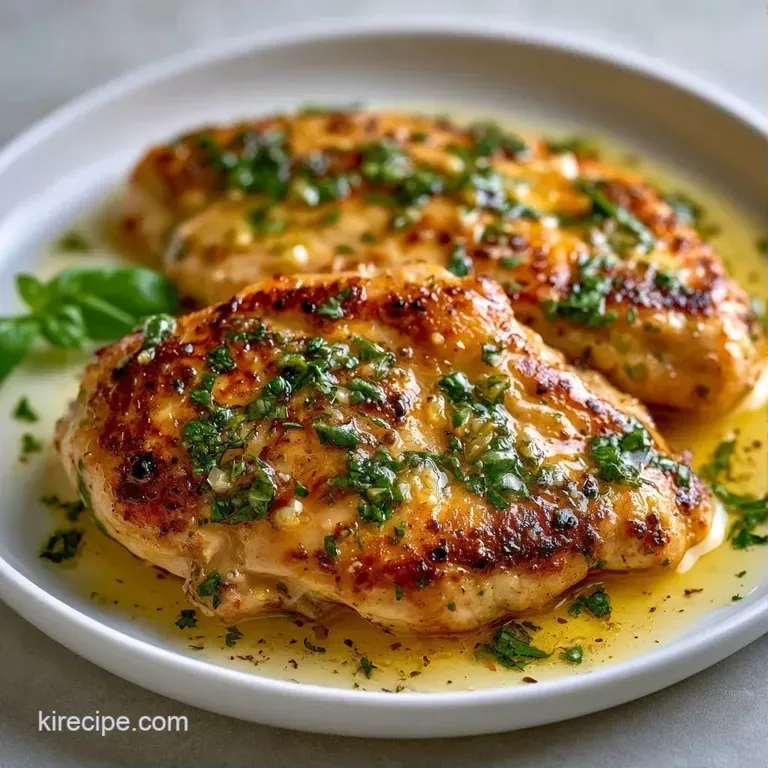
Sometimes the sauce doesn't behave. If it's too thin, you likely didn't reduce the broth enough in step 8. You can fix this by simmering the sauce for another 2 minutes before adding the chicken back in.
If your garlic burns, it happens fast. Garlic turns bitter if it hits the pan too hot. If you see it turning dark brown too quickly, immediately add your broth to drop the temperature.
Rubbery Basil Chicken
When chicken breasts are cooked too long, they lose their moisture and get a bounce like texture. Use a meat thermometer to hit 165°F (74°C) and pull them off the heat immediately.
| Problem | Root Cause | Solution |
|---|---|---|
| Sauce is too thin | Under reduced broth | Simmer 2-3 mins longer |
| Sauce is clumpy | Parmesan added too fast | Whisk over low heat |
| Chicken is dry | Overcooked in pan | Use a meat thermometer |
Tasty Flavor Variations
If you want to change things up, try a One Pan Basil Chicken Breast version with a splash of white wine instead of broth. It adds a sophisticated tang that works great for dinner parties.
For those who prefer a darker meat, One Pan Basil Chicken Thighs are a great choice because the extra fat makes the sauce even richer.
You can also try a One Pan Tomato Basil Chicken by adding a tablespoon of tomato paste during the sauté step. If you need a full meal in one pot, a One Pan Basil Chicken and Rice version works well if you toast the rice in the butter before adding the broth.
For a different vibe, a One Pan Lemon Basil Chicken uses double the lemon zest for a zesty punch. If you're avoiding carbs, this is already a great low carb alternative. If you have pasta on hand, a One Pan Basil Chicken Pasta is easy, just boil the noodles separately and toss them in the sauce at the end. If you're in the mood for something totally different, my Ground Beef Sweet Chili Sauce is a great contrast to this creamy dish.
Scaling Guidelines
When scaling this Basil Chicken, don't just double everything.
Going Down (Half Batch): Use a smaller 8 inch or 10 inch skillet. Reduce the simmering time for the broth by about 20% because less liquid evaporates faster.
Going Up (Double Batch): Do not double the garlic and salt, use about 1.5x instead to avoid overpowering the dish. Work in batches for the searing process. If you try to sear 8 breasts at once, you'll end up with a soggy mess.
Common Kitchen Myths
Myth: Searing seals in the juices. This is a common belief, but it's not true. Searing doesn't create a waterproof barrier. It creates flavor through browning. The moisture loss happens regardless of how you sear it.
Myth: You need expensive butter for the sauce. While European style butter has more fat, standard unsalted butter works just fine here. The Parmesan and cream provide most of the richness.
Storage and Waste Tips
Store any leftovers in an airtight container in the fridge for up to 3 days. When reheating, do it slowly on the stovetop over low heat. Add a splash of water or milk to loosen the sauce, as the Parmesan tends to thicken the liquid in the fridge.
For zero waste, don't throw away the basil stems. They hold a ton of flavor. Toss them into your next pot of chicken stock or vegetable soup. You can also freeze any extra basil leaves in olive oil using an ice cube tray for future use.
Plating and Presentation
To make the Basil Chicken look like a restaurant dish, serve it over a bed of al dente linguine or mashed potatoes. Spoon extra sauce over the top of the breast. Garnish with a few whole, small basil leaves and a crack of fresh black pepper.
Adding a wedge of lemon on the side of the plate allows guests to add more acidity if they prefer. A sprinkle of extra Parmesan through a fine grater creates a light "snow" effect that looks great against the green basil.
Recipe FAQs
How to prepare the chicken for a golden sear?
Pat the breasts completely dry with paper towels. Removing surface moisture ensures the chicken sears to a deep golden-brown rather than steaming in the pan.
Is it true that basil should be simmered for a long time to develop flavor?
No, this is a common misconception. Stir in fresh basil just before serving to keep the color vibrant and the aroma fresh.
How to fix a sauce that has thickened too much during reheating?
Add a splash of water or milk. Heat the leftovers slowly on the stovetop over low heat to loosen the Parmesan cheese.
What is the best way to cut fresh basil for this recipe?
Use a chiffonade cut. Stack the leaves, roll them tightly, and slice them into thin ribbons for the best distribution of flavor.
Can I use dried basil as an alternative for fresh?
Yes, but use a smaller quantity. Dried herbs are more concentrated, though they lack the bright, peppery finish of fresh leaves. If you enjoy balancing aromatic herbs, you can use a similar approach in our beef pasta.
How to prevent the garlic and shallots from burning in the pan?
Reduce the heat to medium. Sauté the aromatics for only 1–2 minutes until translucent before deglazing with chicken broth.
What can I do with the remaining basil stems to avoid waste?
Toss them into a pot of chicken stock or vegetable soup. The stems contain a high concentration of flavor and are perfect for simmering in liquids.
One Pan Basil Chicken in 30 Minutes