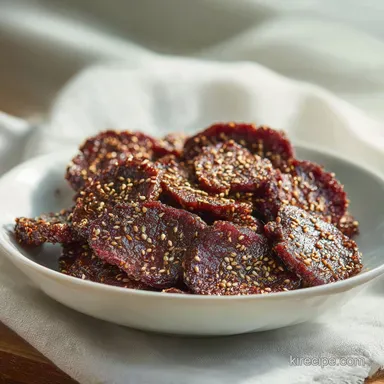
Leftover Steak Stir Fry: Velvety and Bold
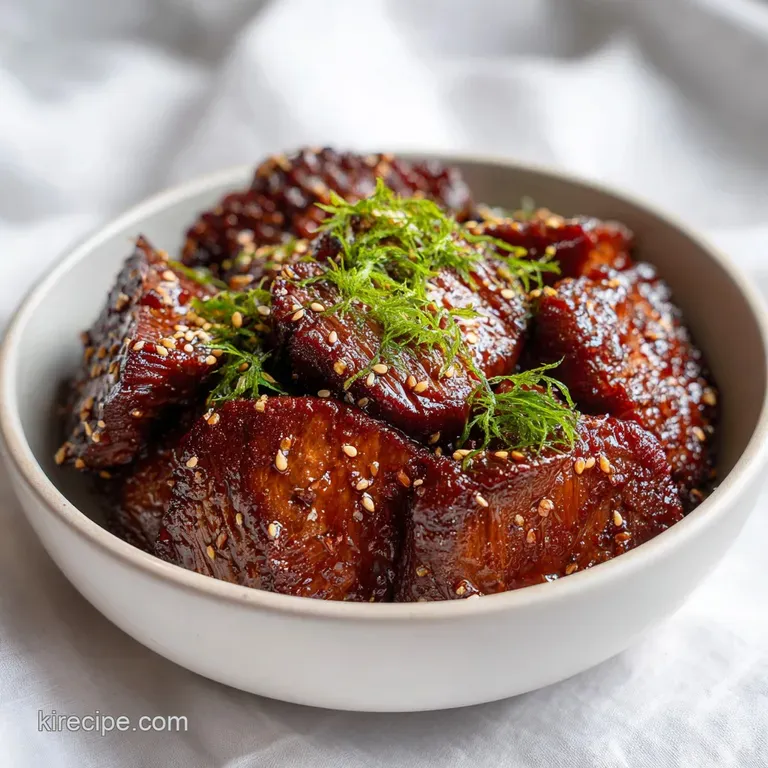
- Time: 15 min active + 15 min cook = Total 30 mins
- Flavor/Texture Hook: Mahogany seared edges with a glossy, velvety glaze
- Perfect for: Fast weeknight dinners or clearing the fridge
- Turning Leftover Steak Into Dinner
- How This Stir Fry Works
- The Component Breakdown
- Everything You'll Need
- Necessary Kitchen Tools
- Step By Step Cooking
- Fixing Common Mistakes
- Making It Your Own
- Adjusting the Portion Size
- Debunking Steak Myths
- Keeping It Fresh
- Ways To Serve This
- Recipe FAQs
- 📝 Recipe Card
Turning Leftover Steak Into Dinner
That sharp, salty sizzle when the meat hits a ripping hot pan is the only way to wake up a cold piece of beef. I remember a Sunday night where I overbought a massive ribeye, and by Tuesday, it was just sitting there in the fridge, looking sad and gray.
I tried the microwave once, and it turned into a piece of leather that could have doubled as a shoe sole. It was a disaster.
I realized the secret isn't about "reheating" it, but treating it like a brand new ingredient. By dicing it into tiny, uniform bits and hitting it with a over high heat sear, you bypass the "gray zone" of overcooked meat. This is the leftover steak hack that actually works without ruining the texture.
You can expect a meal that feels like high end takeout but takes less time than ordering it. We're talking about a sauce that clings to every nook and cranny and vegetables that still have a snap to them.
It's the best way to handle Leftover Steak because it hides the "fridge taste" and replaces it with a punchy, ginger garlic glow.
How This Stir Fry Works
Instead of trying to warm the whole steak through, we use specific mechanics to keep it tender.
Tiny Surface Area: By cutting the Leftover Steak into 1/4 inch cubes, the heat only has to penetrate a tiny distance to warm the center. This happens so fast that the outside sears before the inside overcooks.
Cold Start Heat: Using a wok or cast iron skillet allows the pan to hold massive amounts of heat. This creates a quick crust on the meat, which locks in what's left of the moisture.
Starch Suspension: The cornstarch in the sauce doesn't just thicken it; it creates a velvety coating. This layer protects the meat from drying out during the final glaze phase.
Rapid Veggie Blast: Cooking vegetables in stages ensures the broccoli doesn't turn to mush while the carrots get soft. It's all about timing the moisture release.
| Fresh Steak | Leftover Steak | Impact | Savings |
|---|---|---|---|
| Long sear time | 60-90 second flash | Faster cook time | 20 mins |
| Higher moisture | Lower moisture | Needs sauce for velvet | $0 |
| Higher cost/lb | Already paid for | Zero waste | Full cost |
Right then, let's look at what's actually happening inside your pan. This isn't about fancy chemistry; it's just about how heat and fat interact with beef that's already been cooked once.
The Component Breakdown
| Ingredient | Science Role | Pro Secret |
|---|---|---|
| Soy Sauce | Salt & Umami | Use low sodium to control the salt |
| Cornstarch | Thickening Agent | Mix it cold first to avoid lumps |
| Fresh Ginger | Aromatic Punch | Grate it fine for a smoother sauce |
| Sesame Oil | Nutty Finish | Add at the end to keep the flavor |
When you're working with Leftover Steak, the sauce is your best friend. It provides the lubrication that the meat lost during its first cook and its time in the fridge. According to the USDA Food Safety guidelines, reheating meat safely means getting it to an internal temperature of 165°F, but since we're using tiny cubes and a glaze, we hit that mark in seconds.
Everything You'll Need
For the stir fry sauce, grab these: - 1/2 cup soy sauce Why this? Provides the salty, savory base - 2 tbsp brown sugar Why this? Balances the salt with sweetness - 1 tbsp rice vinegar Why this? Cuts through the richness of the beef - 1 tbsp freshly grated ginger Why this? Adds a spicy, fresh zing - 2 cloves garlic, minced Why this? Essential aromatic depth - 1 tsp cornstarch Why this? Gives the sauce a glossy shine - 1 tsp toasted sesame oil Why this? Adds a roasted, nutty aroma
For the pan: - 1 lb Leftover Steak (ribeye or sirloin), diced into 1/4 inch cubes Why this? Uniform size means uniform heating - 2 tbsp vegetable oil Why this? High smoke point for searing - 1 medium red bell pepper, thinly sliced Why this? Adds color and sweetness - 1 cup broccoli florets, bite-sized Why this? Great for catching the sauce - 1 medium carrot, julienned Why this? Adds a necessary crunch - 3 stalks green onions, chopped into 1 inch pieces Why this? Fresh, oniony finish - 1 tbsp sesame seeds Why this? For a professional looking garnish
| Original Ingredient | Substitute | Why It Works |
|---|---|---|
| Brown Sugar | Honey | Similar sweetness. Note: Makes the sauce stickier |
| Rice Vinegar | Apple Cider Vinegar | Similar acidity. Note: Slightly fruitier taste |
| Broccoli | Snap Peas | Similar crunch. Note: Cook for less time |
| Ribeye/Sirloin | Flank Steak | Works well. Note: Might be tougher, cut smaller |
If you're starting from scratch and don't have leftovers yet, you might want to try my thin steak recipe to get that perfect sear first. Trust me, the quality of the initial cook makes the leftover version even better.
Necessary Kitchen Tools
You don't need a professional kitchen for this. A simple setup works best.
- The Pan: A wok is the gold standard here, but a large cast iron skillet is just as good. You need something that can handle high heat without warping.
- The Bowl: A small mixing bowl for the sauce. Don't try to mix it in the pan, or you'll get cornstarch clumps.
- The Knife: A sharp chef's knife. Since the Leftover Steak is cold, it's actually easier to dice into those precise 1/4 inch cubes.
- The Spatula: A metal spatula or a wok turner. You'll be moving things fast, so you need something that can scrape the bottom of the pan.
Step by step Cooking
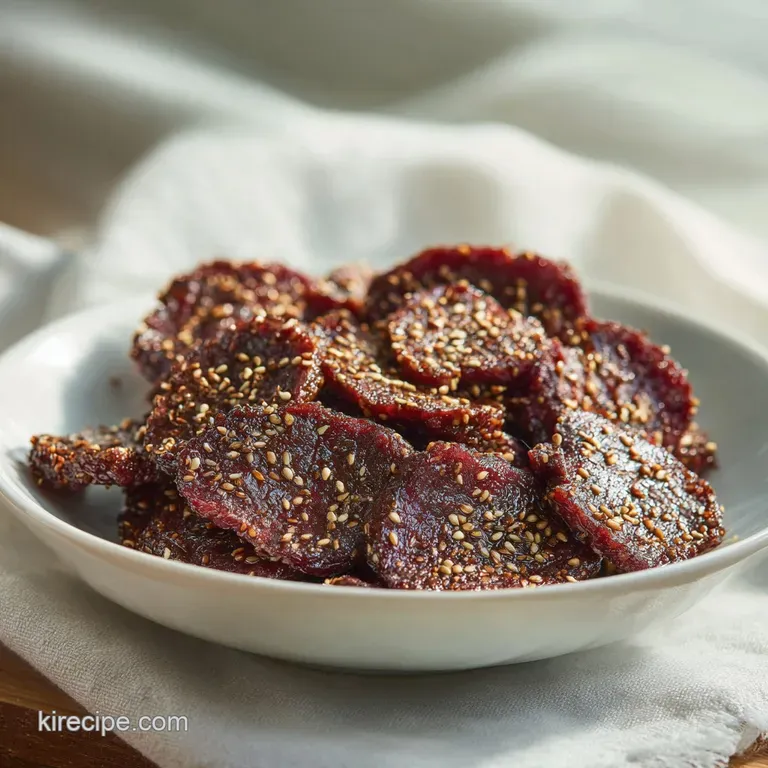
Let's crack on with the actual cooking. Keep your ingredients prepped and ready (this is called mise en place) because once the pan is hot, things move fast.
- Whisk together the soy sauce, brown sugar, rice vinegar, ginger, garlic, cornstarch, and sesame oil in a small bowl until the sugar and cornstarch are fully dissolved. Note: This prevents the sauce from having gritty sugar pockets.
- Dice the Leftover Steak into very small, uniform 1/4 inch cubes to ensure quick heating without overcooking.
- Heat 1 tbsp of vegetable oil in a wok or cast iron skillet over high heat until shimmering. Add steak cubes in a single layer and toss for 60–90 seconds until edges are mahogany colored. Immediately remove steak to a plate. Note: If you leave it in, it will turn into rubber.
- Add the remaining 1 tbsp of oil to the pan. Stir fry carrots and broccoli for 3 minutes, then add the red bell pepper and cook for another 2 minutes until tender crisp.
- Return the seared Leftover Steak to the pan with the vegetables. Pour in the sauce and stir fry for 1–2 minutes until the sauce bubbles and thickens into a glossy glaze.
- Stir in the green onions during the last 30 seconds of cooking. Garnish with sesame seeds before serving.
Chef's Tip: To get that restaurant style char, don't overcrowd the pan. If you have a small skillet, sear the Leftover Steak in two batches. If the meat piles up, it will steam instead of sear, and you'll lose that mahogany crust.
Fixing Common Mistakes
When dealing with Leftover Steak, the biggest enemy is the microwave. If you've already made the mistake of overcooking your beef, there's a way to save it, but you have to be aggressive with the sauce.
Why Your Beef Is Rubbery
This usually happens because the meat spent too long in the pan or was reheated too slowly. When the proteins tighten up, they squeeze out all the moisture.
Why Your Sauce Is Watery
If your vegetables release too much water or the pan wasn't hot enough, the cornstarch won't activate. You need a bubbling simmer to "set" the glaze.
| Problem | Root Cause | Solution |
|---|---|---|
| Rubbery Meat | Overcooked during reheat | Cut into smaller cubes; sear for < 90 secs |
| Watery Sauce | Not enough heat/cornstarch | Simmer for 1 extra minute until glossy |
| Bland Flavor | Not enough reduction | Simmer sauce longer to concentrate salts |
Mistakes Checklist:
- ✓ Did you dice the meat while it was cold? (Easier precision)
- ✓ Did you remove the meat before adding veggies? (Prevents overcooking)
- ✓ Is the pan shimmering before adding oil? (Ensures a sear)
- ✓ Did you whisk the cornstarch fully? (No lumps)
- ✓ Are the veggies still slightly crisp? (Avoids mushiness)
Making It Your Own
Depending on what you have in the pantry, you can tweak this. Leftover Steak is very forgiving once it's in a sauce.
Making it Low Carb
For a keto friendly version, swap the brown sugar for a monk fruit sweetener or a touch of stevia. You can also replace the cornstarch with a pinch of xanthan gum, though the glaze will be slightly less glossy.
Adding More Heat
If you love a kick, add a teaspoon of Sriracha or red pepper flakes to the sauce mixture. You can also toss in some sliced jalapeños along with the bell peppers.
Creating a Vegan Alternative
While this recipe is built for Leftover Steak, you can use extra firm tofu or seitan. Just make sure to press the tofu well so it sears instead of steaming. For a different protein vibe, you could try my crispy ground beef technique for a different kind of texture.
Decision Shortcut:
- If you want it spicy → Add Sriracha to the sauce.
- If you want it healthier → Double the broccoli, halve the rice.
- If you want it richer → Add a knob of butter at the very end.
Adjusting the Portion Size
Cooking for one or a crowd? You can scale this easily, but don't just multiply everything blindly.
Scaling Down (½ batch): Use a smaller skillet to keep the heat concentrated. Since you're using less liquid, the sauce will reduce faster, so keep a close eye on the glaze. If you're using a single egg for a side dish, beat it first and use half.
Scaling Up (2x-4x): This is where people mess up. Do NOT quadruple the salt or soy sauce; start with 1.5x and taste as you go. Most importantly, sear the Leftover Steak in batches. If you dump 4 lbs of meat in one pan, the temperature will drop, and you'll end up with gray, boiled beef.
Baking Adjustments: If you decide to turn this into a casserole (though I don't recommend it for stir fry), lower your oven temp by 25°F and extend the time. But really, stick to the pan for the best results.
Debunking Steak Myths
There are a lot of old wives' tales about reheating meat. Let's set some straight.
Myth: You can't reheat steak without it getting tough. Truth: You can, provided you don't use a microwave. By using the flash sear method with Leftover Steak, you maintain the integrity of the meat.
Myth: Searing "seals in" the juices. Truth: Searing creates flavor through a chemical change on the surface. It doesn't actually create a waterproof seal. However, the crust adds a depth of flavor that makes the meat feel juicier.
Myth: You should let leftover steak come to room temperature first. Truth: For a stir fry, keep it cold! Cold meat is easier to dice into those tiny 1/4 inch cubes, and the temperature contrast helps you get a sear without overcooking the center.
Keeping It Fresh
Since this is a meal made from leftovers, you're already practicing zero waste. But you can take it further.
Storage Guidelines: Put your finished stir fry in an airtight container. It stays great in the fridge for 3-4 days. If you're freezing it, I'd suggest freezing the meat and veg separately from the sauce, but if you're in a rush, the whole dish lasts about 2 months in the freezer.
Reheating the Dish: To reheat this a second time, use a skillet with a splash of water or broth. Cover it with a lid for 2 minutes to steam everything back to life without drying out the Leftover Steak.
Zero Waste Tips: Don't throw away the stems of the green onions! Chop them finely and add them to the stir fry at the same time as the carrots. They have a stronger, more oniony flavor that's great in a savory sauce. Any leftover bell pepper scraps can be frozen for a future soup base.
Ways To Serve This
This is a versatile dish, but the right base makes a huge difference in how it feels.
The Classic Route: Serve it over a bed of steamed jasmine rice or brown rice. The rice absorbs the extra glossy sauce, making every bite flavor packed.
The Low Carb Route: Use cauliflower rice or simply serve it as is in a big bowl. The broccoli and carrots provide enough bulk that you don't really need a grain.
The Noodle Route: Toss the whole mixture with cooked udon or rice noodles. If you do this, add an extra tablespoon of soy sauce and a splash of water to ensure there's enough sauce to coat the noodles.
For more ideas on how to use different cuts of beef, you can check out the Longhorn lamb chops recipe for a similar pan searing technique that works wonders for high end proteins.
Right then, you're all set. The next time you see some Leftover Steak in your fridge, don't dread the reheat. Just dice it small, get that pan screaming hot, and let the glaze do the work. It's a fuss free way to turn a boring leftover into a weeknight win.
Trust me, your taste buds will thank you for skipping the microwave.
Recipe FAQs
What can I use my leftover steak for?
Stir-fry it with vegetables. Slicing the meat thin and tossing it with a savory glaze makes a fast meal. For another hearty beef option, try our cowboy stew.
What is the 3 3 3 3 rule for steaks?
It is a grilling technique for fresh steaks. It involves specific timing for searing and resting, which does not apply to reheating leftovers.
Can a pregnant woman eat well done steak?
Yes, well-done steak is generally considered safe. Cooking meat to 160°F eliminates most harmful bacteria. Always consult a doctor for specific dietary guidelines.
What's a good way to cook leftover steak to get it nice and tender?
Dice into uniform 1/4-inch cubes. Heat them in a shimmering pan for only 60–90 seconds to avoid overcooking the interior.
How to store leftover steak to keep it from drying out?
Wrap tightly in plastic wrap. Place the steak in an airtight container and store it in the coldest part of the fridge.
Is it true that reheating steak in the microwave always makes it rubbery?
No, this is a common misconception. Using a low power setting and adding a bit of the sauce helps maintain moisture.
Can I freeze leftover steak for later use?
Yes, you can freeze it. Use an airtight seal to prevent freezer burn and consume within two months for optimal quality.
Leftover Steak in 30 Minutes