Jalapeno Hot Sauce Recipe
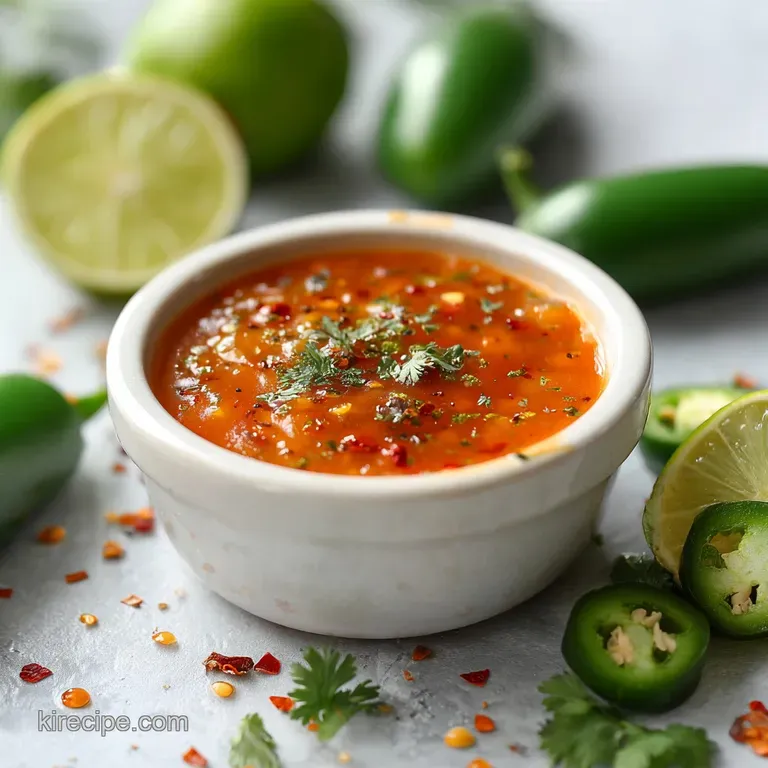
- Time: Active 10 minutes, Passive 12 minutes, Total 22 minutes
- Flavor/Texture Hook: Zesty, sharp, and silky smooth
- Perfect for: Weeknight tacos, morning eggs, or meal prep enthusiasts
- Create Your Own Vibrant Jalapeno Hot Sauce Recipe
- The Science Of Capsaicin Stability
- Essential Quick Recipe Specifications
- Sourcing The Brightest Ingredients
- Necessary Gear For Success
- Easy Step By Step Directions
- Fixing Common Sauce Textures
- Flavor Variations To Try
- Storing And Using Leftovers
- Perfect Pairings For Heat
- Debunking Hot Sauce Misconceptions
- Jalapeno Hot Sauce Recipe FAQs
- 📝 Recipe Card
Create Your Own Vibrant Jalapeno Hot Sauce Recipe
The second those sliced peppers hit the simmering vinegar, your kitchen transforms. There is this sharp, electric aroma that clears your sinuses and promises a serious wake up call for your taste buds.
I remember the first time I tried making this; I didn't wear gloves and spent the rest of the evening with "hot pepper hands." Lesson learned: the oils in these peppers are no joke, but the payoff is a sauce so much brighter than anything you will find on a grocery shelf.
We are skipping the weeks of waiting required for fermentation and going straight for a punchy, fresh version. It is efficient, flavorful, and honestly, a total game changer for someone who puts hot sauce on everything from pizza to popcorn.
You get that immediate gratification of a homemade condiment without the fuss free complexity of traditional aging.
This version hits the perfect balance between the grassy heat of the 1 lb fresh jalapeno peppers and the tangy zip of white distilled vinegar. Because we are using a flash simmer technique, the sauce stays a brilliant, leafy green rather than turning that muddy olive color you see in older bottles.
It is punchy, it is fast, and it is about to become your new fridge staple.
The Science Of Capsaicin Stability
Capsaicin Solubility: Capsaicin, the compound responsible for heat, dissolves better in fats and alcohol, but vinegar acts as a powerful preservative that stabilizes the spicy molecules while lowering the pH to prevent spoilage.
The addition of a small amount of granulated sugar doesn't make it sweet; it actually suppresses the bitter notes often found in raw green pepper skins.
| Method | Time | Texture | Best For |
|---|---|---|---|
| Quick Simmer | 22 minutes | Thin and smooth | Daily table sauce |
| Raw Blend | 10 minutes | Chunky and pulpy | Fresh salsas/marinades |
| Roasted | 35 minutes | Thick and smoky | BBQ and rich meats |
Essential Quick Recipe Specifications
Managing your kitchen workflow is all about the timing. To keep things efficient, I always recommend chopping the 0.5 cup white onion and smashing the 4 cloves fresh garlic while the 0.5 cup filtered water and 1 cup white distilled vinegar are coming to a simmer.
It keeps the momentum going and ensures your 12 minutes of cook time is spent purely on flavor development.
| Thickness | Consistency | Visual Cue |
|---|---|---|
| Liquid | Like water | Transparent droplets |
| Table Sauce | Like maple syrup | Coats the back of a spoon |
| Puree | Like applesauce | Holds its shape on a plate |
Sourcing The Brightest Ingredients
Component Analysis
| Ingredient | Science Role | Pro Secret |
|---|---|---|
| Jalapenos | Heat source | Use peppers with white "stretch marks" for more heat. |
| White Vinegar | pH regulator | Provides a sharp, clean acidic profile. |
| Sea Salt | Flavor enhancer | Tightens the cellular structure of the peppers. |
The Pepper Base
The foundation is 1 lb fresh jalapeno peppers. Look for firm, shiny skins. If you want a milder version, you can scrape out the white membranes and seeds, but I usually leave them in for that authentic kick.
The Liquid & Seasoning
Using 1 cup white distilled vinegar (5% acidity) ensures the sauce stays shelf stable in the fridge. The 0.5 cup white onion and 4 cloves fresh garlic add depth so it doesn't just taste like spicy water.
- Jalapeno Peppers: Substitute with Serrano peppers for a much higher heat level. Why this? Serranos have a similar grassy flavor but pack three times the punch.
- White Distilled Vinegar: Substitute with Apple Cider Vinegar. Why this? Adds a fruity, slightly sweeter undertone to the final sauce.
- White Onion: Substitute with Shallots. Why this? Provides a more delicate, garlic adjacent sweetness.
- Fine Sea Salt: Substitute with Kosher salt. Why this? Dissolves easily and provides a clean salty finish without additives.
- Granulated Sugar: Substitute with Honey. Why this? Adds a floral note and helps emulsify the sauce.
Necessary Gear For Success
You do not need a laboratory, but a high speed blender is your best friend here. It creates that velvety, commercial style texture that pours perfectly. I also highly recommend wearing disposable gloves when handling 1 lb fresh jalapeno peppers.
One accidental eye rub after slicing peppers is a mistake you only make once. A non reactive saucepan (stainless steel or ceramic) is also a must because the 1 cup white distilled vinegar can react with aluminum, giving your sauce a metallic twang.
Chef's Tip: If you prefer a crystal clear sauce, run the final blend through a fine mesh sieve or cheesecloth to remove any remaining pulp.
Easy step-by-step Directions
Phase 1: The Aromatic Infusion
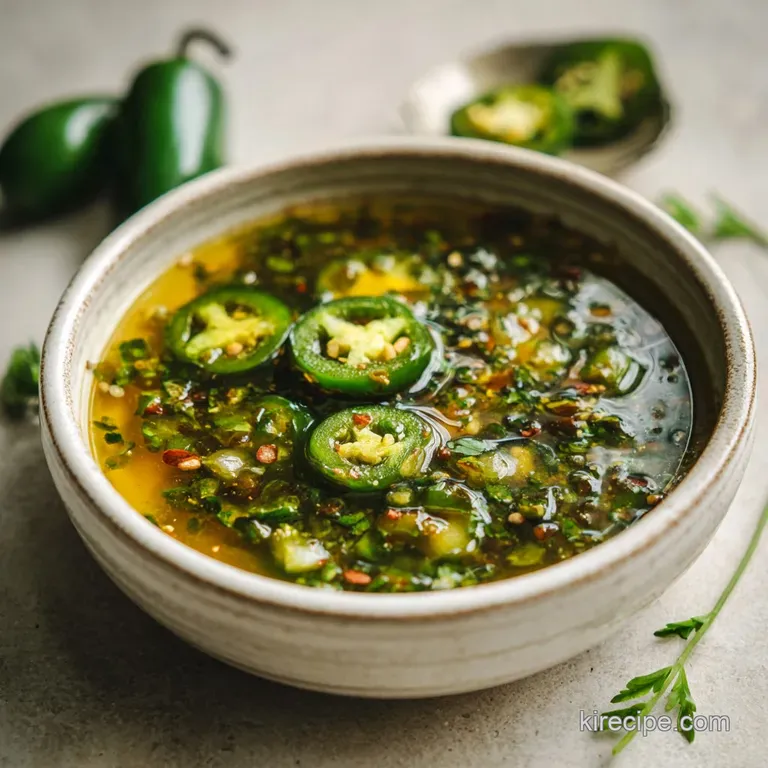
Place the 1 cup white distilled vinegar, 0.5 cup filtered water, 0.5 cup white onion, 4 cloves fresh garlic, 1 tsp fine sea salt, and 0.5 tsp granulated sugar in a medium saucepan. Bring the mixture to a boil over medium high heat until the sugar and salt have completely dissolved.
Phase 2: The Soft Simmer
Add the sliced 1 lb fresh jalapeno peppers to the boiling liquid. Reduce the heat to low and let it simmer for 10 minutes until the peppers are tender and the onions are translucent.
Phase 3: The Emulsification
Carefully pour the mixture into a blender. Add the 1 tbsp fresh lime juice. Secure the lid tightly (place a towel over the top for safety) and blend on high for 1 to 2 minutes until the sauce is completely smooth and silky.
Phase 4: The Finishing Touch
Taste the sauce carefully with a clean spoon. If it is too thick, add a splash more filtered water. Pour the hot liquid into sterilized glass bottles or jars. Let it cool to room temperature before sealing.
Fixing Common Sauce Textures
Excessive Heat Solutions
If the spice level is overwhelming, don't panic. You can dilute the heat by adding more 0.5 cup white onion (sautéed first) or increasing the 0.5 tsp granulated sugar slightly. The sugar doesn't "kill" the heat, but it distracts your receptors.
Fixing Thin Consistency
Sometimes the peppers have more water content than expected, leaving you with a watery sauce. You can simmer the blended sauce for another 5 minutes to reduce the liquid, or add a tiny pinch of xanthan gum while blending to give it more body.
Mellowing Sharp Vinegar Notes
If the 1 cup white distilled vinegar feels too aggressive, a small touch of fat can help. Whisking in a teaspoon of neutral oil after blending can round out the sharp edges and give the sauce a richer mouthfeel.
| Problem | Root Cause | Solution |
|---|---|---|
| Bitter Aftertaste | Overcooked garlic | Simmer for exactly 10-12 mins, no longer. |
| Separation | Lack of emulsifier | Add 1/4 tsp xanthan gum or more sugar. |
| Dull Color | Oxidized peppers | Add lime juice only at the very end. |
Common Mistakes Checklist
- ✓ Always wear gloves when slicing a large quantity of peppers to avoid skin burns.
- ✓ Use a non reactive saucepan to prevent a metallic taste from the vinegar.
- ✓ Ensure your blender lid is vented or held down with a heavy towel to avoid "steam explosions."
- ✓ Let the sauce sit in the fridge for at least 24 hours to allow the garlic and onion flavors to develop.
Flavor Variations To Try
If you find yourself craving something more complex, try a fermented jalapeno hot sauce recipe. This involves submerging the peppers in a salt brine for 1 to 2 weeks before blending. The result is a funky, tangy depth that a quick simmer can't quite replicate.
It is a bit more work, but the probiotic benefits are a nice bonus.
For those who love a backyard BBQ vibe, a smoked jalapeno hot sauce recipe is the way to go. You can smoke the 1 lb fresh jalapeno peppers over hickory or applewood for about an hour before following the rest of the steps. This adds a deep, woodsy aroma that pairs brilliantly with grilled meats or even a Kung Pao Sauce recipe for an unexpected fusion twist.
If you prefer a sweet jalapeno hot sauce recipe, double the granulated sugar or swap it for 2 tablespoons of honey or agave nectar. This creates a "sweet heat" profile that is incredible on fried chicken or drizzled over creamy goat cheese.
To keep the color bright, stick with the green jalapeno hot sauce recipe method by ensuring you don't overcook the peppers.
Storing And Using Leftovers
This homemade jalapeno hot sauce stays fresh in the refrigerator for up to 3 months. Because of the 1 cup white distilled vinegar and 1 tsp fine sea salt, it is naturally preserved, though the color may fade slightly over time.
I don't recommend freezing the finished sauce as the emulsion can break, leading to a watery texture once thawed.
Don't throw away the leftover pulp if you decide to strain your sauce! That "pepper mash" is a goldmine of flavor. I spread it thin on a parchment lined tray and dehydrate it in a low oven to make homemade spicy seasoning flakes. You can also stir it into a Pillsbury Chicken Pot recipe filling for a hidden kick that surprises everyone at the table.
Perfect Pairings For Heat
This sauce is surprisingly versatile. While it is a natural fit for street tacos or burritos, it also adds a much needed acidic lift to heavy, fatty dishes. I love drizzling it over a bowl of Ground Beef Pasta recipe to cut through the richness of the garlic sauce. The lime juice in the recipe helps brighten the savory beef beautifully.
It also works wonders as a marinade. Mix a few tablespoons with olive oil and rub it onto chicken thighs before grilling. The vinegar helps tenderize the meat while the jalapeno flavor bakes right in. Whether you're using it as a dip or a drizzle, this sauce is the ultimate "flavor insurance" for a busy weeknight.
- The Ultimate Taco Topper: Mix with a little sour cream for a quick spicy crema.
- The Breakfast Game Changer: Drizzle over avocado toast with a poached egg.
- The Burger Booster: Stir into mayonnaise for a zesty spread.
Debunking Hot Sauce Misconceptions
Adding more vinegar does not always make the sauce last longer. While a certain amount of 1 cup white distilled vinegar is necessary for safety, adding too much will eventually dilute the capsaicin and drown out the fresh pepper flavor.
You want enough to reach a safe pH (below 4.6), but not so much that you're just eating spicy vinegar.
Another common myth is that the seeds are the only source of heat. In reality, the white pith (the placental tissue) inside the jalapeno contains the highest concentration of capsaicin. If you remove the seeds but leave the pith, your sauce will still be quite fiery.
For a truly mild version, you must remove both the seeds and all the white ribs from the 1 lb fresh jalapeno peppers.
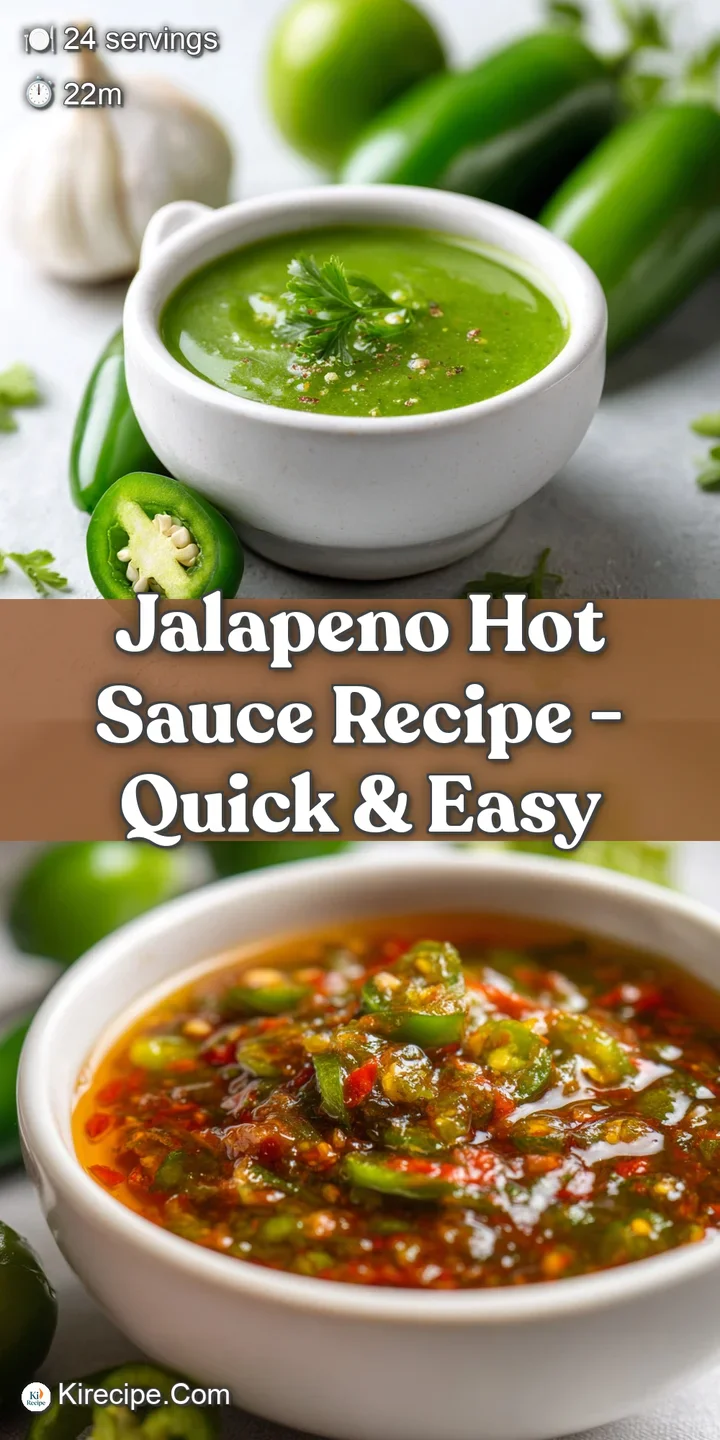
Jalapeno Hot Sauce Recipe FAQs
How to make jalapeño sauce at home?
Simmer jalapeños in vinegar with aromatics. Combine 1 cup white distilled vinegar, 0.5 cup water, 0.5 cup chopped white onion, 4 cloves minced garlic, 1 tsp salt, and 0.5 tsp sugar in a saucepan.
Bring to a boil, add 1 lb sliced jalapeños, simmer for 10 minutes until tender, then blend with 1 tbsp lime juice until smooth.
How many jalapeños do you need to make hot sauce?
About 1 pound of fresh jalapeños is ideal. This quantity provides a good balance of heat and pepper flavor for a standard batch of hot sauce.
How long does homemade jalapeño hot sauce last?
It lasts up to 3 months in the refrigerator. The high acidity from the vinegar and the salt act as natural preservatives, ensuring its stability.
What to do with a surplus of jalapeños?
Make a big batch of hot sauce or dehydrate them. A large quantity of jalapeños is perfect for preserving as hot sauce, or you can dehydrate them to create spicy seasoning flakes.
Can I use frozen jalapeños for hot sauce?
No, stick with fresh for best results. Frozen peppers can release excess water, potentially diluting the flavor and affecting the sauce's texture and vibrant color.
Do I need to remove seeds and membranes from jalapeños?
It's optional, depending on your heat preference. The seeds and white pith (ribs) contain most of the capsaicin, so removing them will make the sauce milder.
Is it true that adding too much vinegar makes the sauce last longer?
False, this is a common misconception. While vinegar is crucial for preservation, adding excessive amounts can dilute the pepper flavor and create a sauce that is overwhelmingly vinegary.
Jalapeno Hot Sauce
Ingredients:
Instructions:
Nutrition Facts:
| Calories | 10 kcal |
|---|---|
| Protein | 0.2 g |
| Fat | 0.1 g |
| Carbs | 1.8 g |
| Fiber | 0.5 g |
| Sugar | 0.8 g |
| Sodium | 97 mg |
