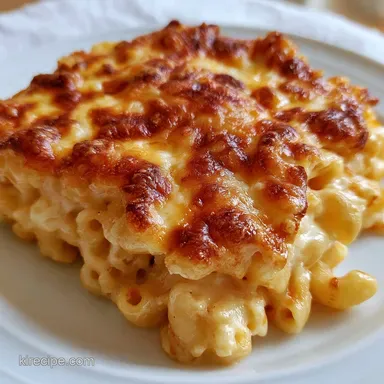
Ina Garten Make Ahead Mac and Cheese: Velvety and Crisp
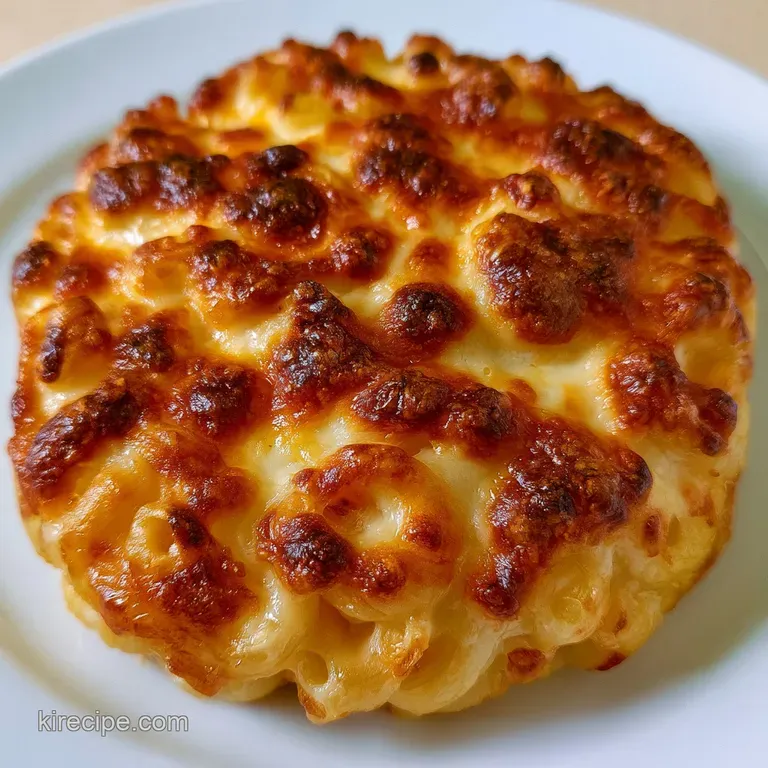
- Time:20 mins active + 8-24 hrs chilling = Total 25 hours
- Flavor/Texture Hook: Nutty Gruyère with a mahogany panko crust
- Perfect for: Holiday hosting, dinner parties, and stress free entertaining
- Ina Garten Make Ahead Mac and Cheese Recipe
- The Secret To Better Texture
- Component Science Breakdown
- Essential Kitchen Gear
- Step-by-Step Baking Guide
- Fixing Common Texture Issues
- Troubleshooting Common Issues
- Adjusting Batch Sizes
- Debunking Kitchen Myths
- Storage and Waste Tips
- Best Ways To Serve
- High in Sodium
- Recipe FAQs
- 📝 Recipe Card
Ina Garten make ahead Mac and Cheese Recipe
Imagine that first sizzle as you pull the dish from the oven and the scent of toasted parmesan and nutty Gruyère hits you. It's that specific, warm aroma that fills a room and makes everyone stop talking. But we've all been there, right?
You try to make a big batch for a crowd, and by the time it hits the table, the pasta is a gummy, overcooked mess or the sauce has separated into an oily puddle.
It's a common heartbreak in the kitchen. I once tried to rush a similar bake by cooking the noodles fully before adding the sauce, and it turned into a thick, gluey paste the second it hit the heat. This is the only Ina Garten make ahead Mac and Cheese Recipe you'll ever need because it solves that exact problem.
It treats the pasta like a sponge, letting it soak up the cheese sauce while it rests in the fridge.
By shifting the timeline, you're not just saving time on the day of the party, you're actually improving the structure of the dish. You get a result where the noodles hold their shape and the sauce stays velvety.
We're talking about a bake that's consistent from the center to the edges, topped with a crust that actually shatters when you scoop into it.
The Secret To Better Texture
Here is why this specific method works so well for home cooks who hate soggy pasta:
- The Starch Soak: By under cooking the macaroni, the pasta stays firm. During the overnight rest, it slowly drinks in the milk and cheese, which means it won't overcook during the final bake.
- The Fat Buffer: Using whole milk and a high fat cheese like Gruyère creates a protective layer around the starch, preventing the noodles from clumping together.
- Temperature Stability: Chilling the dish before it hits the oven prevents the cheese from breaking or "splitting" due to sudden, aggressive heat.
- Nutmeg Bridge: A tiny pinch of nutmeg doesn't make it taste like dessert, it just cuts through the heaviness of the cream and makes the cheese flavor pop.
| Prep Style | Pasta Texture | Sauce Consistency | Best For |
|---|---|---|---|
| Freshly Baked | Soft, slippery | Very liquid | Quick weeknight meal |
| make-ahead | Al dente, integrated | Velvety, cohesive | Large holiday crowds |
| Over baked | Mushy, gluey | Broken/Oily | Avoiding at all costs |
Component Science Breakdown
Understanding how these ingredients behave helps you avoid the "broken sauce" nightmare.
| Ingredient | Science Role | Pro Secret |
|---|---|---|
| Gruyère Cheese | Provides meltability | Grate it yourself; pre shredded has starch that stops a smooth melt |
| Elbow Macaroni | Structural base | Boil for 2-3 mins less than the box says |
| Whole Milk | Emulsion liquid | Steaming is key; boiling the milk can curdle the cheese |
| Panko Crumbs | Textural contrast | Toss in melted butter first for an even, golden brown color |
Essential Kitchen Gear
You don't need a professional kitchen for this, but a few specific tools make it foolproof. A heavy bottomed saucepan is non negotiable because milk burns easily on the bottom. If you use a thin pot, you'll end up with scorched bits in your sauce.
I also highly recommend a 9x13 inch ceramic or glass baking dish. Metal pans tend to heat up too quickly on the edges, which can lead to burnt corners before the middle is bubbly. For the cheese, a box grater or a food processor with a shredding disk is your best friend.
Finally, make sure you have a high-quality plastic wrap or a tight fitting lid. The goal of the overnight rest is to keep the sauce from evaporating and to prevent the fridge from drying out the top layer of the macaroni.
Step-by-step Baking Guide
Let's get into the actual process. Trust the under cooking step, even if the pasta feels too hard when you drain it.
Phase 1: The Base Assembly
- Boil the elbow macaroni in heavily salted water for 2-3 minutes less than the package directions until the noodles are still firm to the bite. Drain and set aside.
- Warm the 3 cups of whole milk and 4 tbsp butter in a saucepan over medium heat until the butter is melted and the milk is steaming. Note: Do not let it reach a rolling boil or the milk may separate.
- Remove the pan from the heat and stir in the 2 cups of Gruyère and 2 cups of sharp cheddar until the sauce is smooth and velvety.
- Stir in 1 tsp kosher salt, 1/2 tsp black pepper, and 1/8 tsp ground nutmeg.
- Pour the cheese sauce over the undercooked macaroni in a large bowl and stir until every noodle is completely coated.
Phase 2: The Overnight Rest
- Transfer the mixture into a greased 9x13 inch baking dish.
- Cover the dish tightly with plastic wrap or foil to seal out the air.
- Refrigerate for 8 to 24 hours. Note: This allows the pasta to hydrate without becoming mushy.
Phase 3: The Final Bake
- Preheat your oven to 375°F (190°C).
- Mix 1 cup panko, 2 tbsp melted butter, and 1/4 cup grated parmesan in a small bowl.
- Sprinkle the breadcrumb mixture evenly over the chilled mac and cheese.
- Bake for 25-30 minutes until the edges bubble and the topping is mahogany colored.
Fixing Common Texture Issues
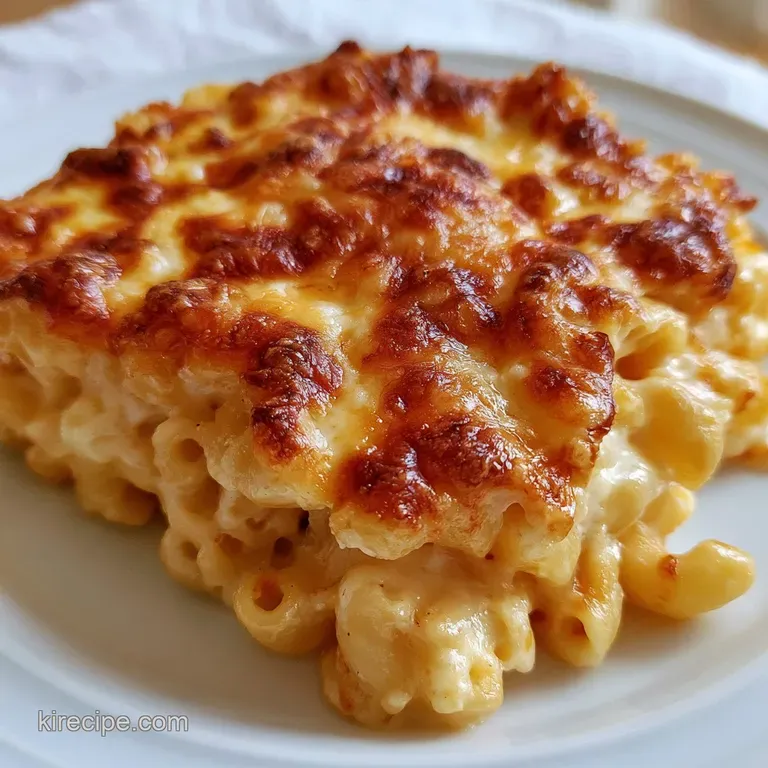
Even with a plan, things happen. The biggest struggle with this Barefoot Contessa Mac and cheese recipe is usually the consistency of the sauce.
Troubleshooting Common Issues
| Issue | Solution |
|---|---|
| Why Your Sauce Looks Oily | If you see small beads of oil floating on top of the cheese sauce, it's usually because the milk was too hot when the cheese was added. High heat breaks the emulsion, causing the fat to separate from |
| Why Your Pasta Is Dry | If the final bake feels a bit dry, it's almost always because the pasta was cooked too long in the initial boil. When the noodles are fully cooked, they absorb the sauce too quickly in the fridge, lea |
| Why The Topping Is Burning | Panko is much finer than traditional breadcrumbs and burns faster. If your topping is turning dark brown before the center is hot, slide a sheet of foil loosely over the top for the last 10 minutes. < |
Common Mistakes Checklist
- ✓ Grating your own cheese instead of using bagged shreds.
- ✓ Using whole milk, not 2% or skim, for the fat content.
- ✓ Ensuring the dish is covered tightly during the chill.
- ✓ Checking the oven temp with a thermometer if the top browns too fast.
- ✓ Avoiding the urge to stir the pasta after it's in the baking dish.
Adjusting Batch Sizes
If you're cooking for a small group or a massive party, you can't just double everything and hope for the best.
For a half batch (4 servings), use a smaller 8x8 inch pan. You'll want to reduce the baking time by about 20% because there's less mass to heat through. When reducing ingredients, if a recipe calls for one egg (not applicable here, but a good rule), beat it first and use half.
When doubling the recipe for 16 people, do not double the salt and nutmeg. I've found that spices can become overwhelming at scale, so start with 1.5x the seasoning and taste. If you're baking two separate pans, lower the oven temp to 350°F (175°C) and extend the time by 10-15 minutes to ensure even heat distribution.
If you're looking for a faster version for a weeknight, my creamy homemade mac and cheese is a great alternative that skips the overnight chill.
Debunking Kitchen Myths
There's a lot of noise about how to make "the best" mac and cheese, but some of it is just wrong.
First, some people say you should rinse the pasta after boiling. Please, don't do this. Rinsing removes the surface starch that helps the cheese sauce cling to the noodle. You want that starch for a velvety finish.
Second, there's a myth that using a mix of cheeses "confuses" the flavor. In reality, mixing a sharp cheddar with a nutty Gruyère creates a more complex profile. The cheddar provides the tang, and the Gruyère provides the melt and depth.
Storage and Waste Tips
Once you've made this Ina Garten homemade mac and cheese recipe, you might have leftovers. Store them in an airtight container in the fridge for up to 3 days. When reheating, add a splash of milk before microwaving or putting it in the oven; this loosens the sauce that has tightened up in the cold.
As for freezing, you can freeze the assembled, unbaked dish for up to 2 months. Wrap it tightly in foil and plastic. Thaw it in the fridge overnight before baking as usual.
To avoid waste, if you have leftover panko and parmesan mixture, toast it in a pan with a bit of butter and sprinkle it over steamed broccoli or a piece of grilled fish. It's an easy way to add a crunch to other meals.
Best Ways To Serve
This dish is incredibly rich, so you need something to cut through that heaviness. I always pair it with a tart side. My favorite is an Ina Garten cranberry sauce because the acidity balances the creamy Gruyère.
If you want to make it a full meal, a simple arugula salad with a lemon vinaigrette works wonders. The peppery greens and citrus act as a palate cleanser between bites of the cheesy pasta.
For those who like a bit of heat, a drizzle of hot honey or a sprinkle of red pepper flakes on top of the mahogany crust adds a surprising kick that keeps the dish from feeling one dimensional. Trust me on the lemon based sides - they're what turn this from a heavy side dish into a balanced feast.
High in Sodium
840 mg 840 mg of sodium per serving (37% 37% of daily value)
The American Heart Association recommends a daily sodium limit of 2,300 mg, with an ideal limit of 1,500 mg for most adults to reduce cardiovascular risk.
Tips to Reduce Sodium
-
Eliminate Added Salt-25%
Omit the 1 tsp kosher salt entirely; the high volume of cheese provides sufficient natural saltiness for the dish.
-
Swap the Cheeses-15%
Replace a portion of the Gruyère and sharp cheddar with a low-sodium Swiss or fresh mozzarella to lower the base sodium content.
-
Reduce Parmesan-10%
Cut the grated parmesan cheese topping by half or substitute it with a small amount of nutritional yeast for a similar nutty flavor.
-
Check Panko Brand-5%
Ensure the panko breadcrumbs are a salt-free variety to avoid hidden sodium in the crust.
-
Enhance with Aromatics
Add smoked paprika, garlic powder, or extra black pepper to create depth and complexity without adding any sodium.
Recipe FAQs
Can I make this mac and cheese ahead of time?
Yes, this recipe is specifically designed for advance prep. Assemble the dish and refrigerate it for 8 to 24 hours before baking for the best results.
How to prevent the cheese sauce from looking oily?
Keep the milk from boiling. If the milk is too hot when you stir in the cheese, the emulsion breaks and causes the fat to separate.
Why is the finished mac and cheese too dry?
The pasta was likely overcooked during the initial boil. Fully cooked noodles absorb the sauce too quickly while sitting in the fridge, leaving the final bake dry.
Can I freeze the dish before baking?
Yes, you can freeze the assembled, unbaked mixture. Wrap the dish tightly in plastic and foil for up to 2 months, then thaw it in the fridge overnight before baking.
How to reheat leftovers?
Add a splash of milk. Stir this in before microwaving or heating in the oven to loosen the sauce that has tightened up in the cold.
Is it true the pasta must be fully cooked before adding the sauce?
No, this is a common misconception. You must boil the elbow macaroni for 2-3 minutes less than the package directions so the noodles stay firm.
What side dish pairs well with this recipe?
A savory beef dish balances the richness perfectly. Try serving this alongside a creamy beef pasta for a hearty, comforting meal.
Ina Garten Mac and Cheese with Gruyere