Nashville Hot Chicken and Mac N Cheese Recipe
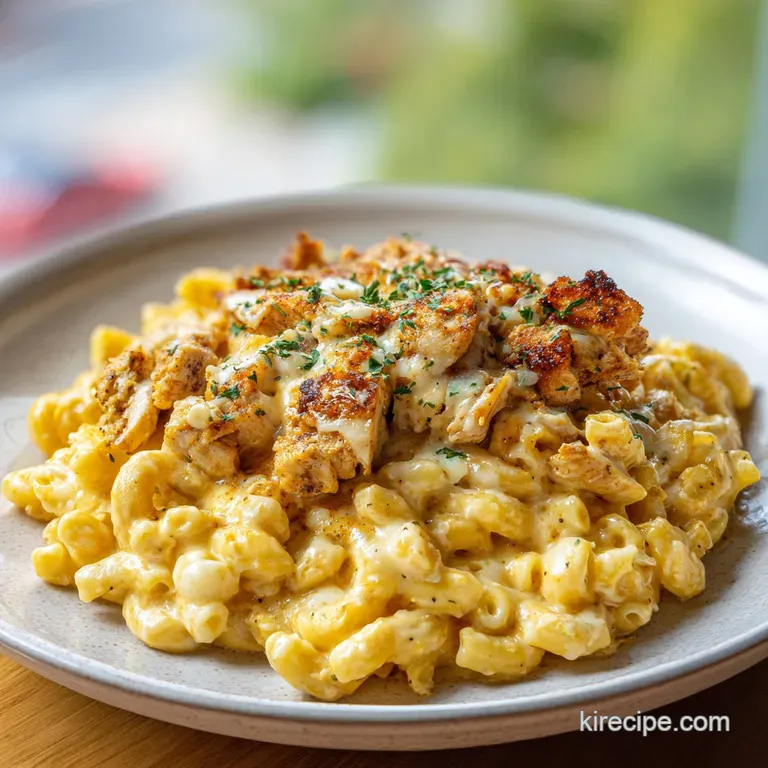
- Time: Active 25 mins, Passive 35 mins, Total 60 mins
- Flavor/Texture Hook: Shatter crisp spicy coating meets silky, molten Gruyère sauce.
- Perfect for: Weekend indulgence or a high impact dinner for friends who love a kick.
- Perfecting This Nashville Hot Chicken and Mac n Cheese Recipe
- The Molecular Magic Behind Crunchy Crusts and Smooth Sauces
- Performance Metrics for Timing Your Spicy and Cheesy Creation
- Sourcing Premium Elements for a Balanced Heat and Creaminess
- Essential Kitchen Gear for Achieving Professional Level Texture
- Executing the Prep Flow for a Seamless Kitchen Experience
- Resolving Texture Issues and Perfecting the Final Presentation
- Adapting Flavors to Suit Your Personal Spice Tolerance
- Maximizing Longevity Through Proper Storage and Reheating Methods
- Curating the Ideal Accompaniments for This Bold Dish
- Very High in Sodium
- Recipe FAQs
- 📝 Recipe Card
Perfecting This Nashville Hot Chicken and Mac n Cheese Recipe
The first time I tried a real Nashville hot chicken, I thought my taste buds were being initiated into a secret society. The aroma of toasted cayenne and garlic hit me before the plate even reached the table.
It was that specific, aggressive sizzle from the fryer followed by the deep, crimson sheen of the spicy oil that changed my perspective on "spicy" food forever. I realized then that the heat shouldn't just hurt; it should have a smoky, sweet complexity that keeps you coming back for just one more bite.
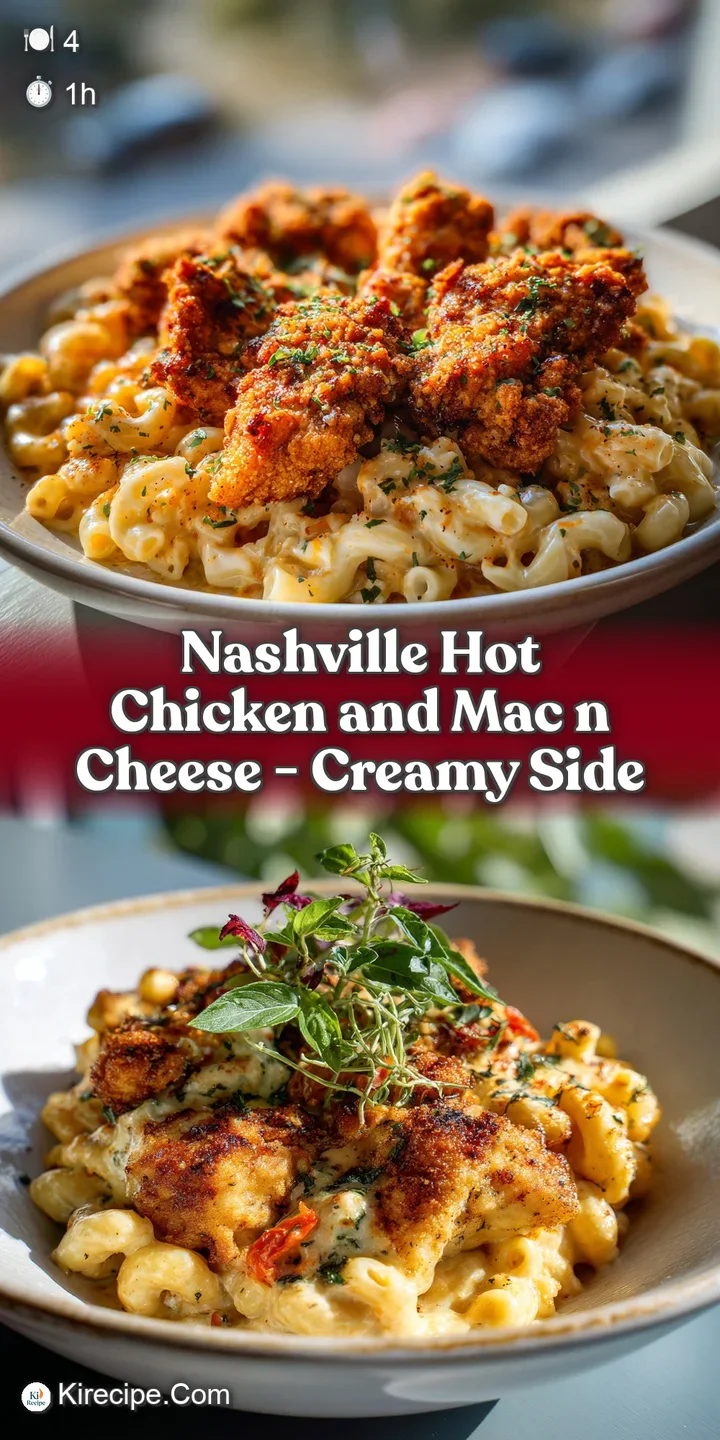
This Nashville Hot Chicken and Mac n Cheese Recipe brings together spicy, crispy chicken and comforting, cheesy pasta for an unforgettable meal. We aren't just tossing fried chicken onto a box of mac; we are building layers of flavor from the buttermilk brine to the nutmeg infused Mornay sauce.
It's a dish I’ve refined after too many "grainy sauce" disasters and "soggy breading" disappointments in my own kitchen. Trust me, once you hear that first crunch against the velvety pasta, you’ll never go back to the basic version.
We are aiming for a restaurant quality experience right at your kitchen counter. You don't need a commercial deep fryer or a culinary degree, just a heavy bottomed skillet and a bit of patience for the cheese to melt properly.
Let's get into how we make this magic happen without making a mess of your stovetop or your afternoon.
The Molecular Magic Behind Crunchy Crusts and Smooth Sauces
The Bloom Effect: Mixing cayenne and paprika into 180°C (350°F) oil "blooms" the spices, releasing fat soluble flavor compounds that stay dormant in dry powder. This creates a deeper, more rounded heat rather than a sharp, one dimensional sting.
Protein Denaturation: The lactic acid in 1 cup of buttermilk and the acetic acid in 1 tsp of pickle juice work together to break down tough muscle fibers in the chicken breast. This ensures that even after a trip to the hot oil, the meat stays incredibly succulent and tender.
Starch Gelatinization: As we whisk 1/4 cup of flour into 4 tbsp of melted butter, we create a roux that traps milk proteins. This prevents the 2 cups of cheddar and 1 cup of Gruyère from separating into a greasy mess when heat is applied.
Quick Decision Done ness Guide
| Chicken Piece Size | Internal Temp | Rest Time | Visual Cue |
|---|---|---|---|
| 1 inch Nuggets | 74°C (165°F) | 3 mins | Coating is dark mahogany and rigid |
| 2 inch Tenders | 74°C (165°F) | 5 mins | Juices run clear when pierced |
| Large Breasts | 74°C (165°F) | 7 mins | Deep golden brown and hollow sound when tapped |
The resting period is non negotiable here. If you cut into that chicken too early, the steam will escape and turn your perfectly crispy breading into a soggy jacket. Just a few minutes on a wire rack makes all the difference in maintaining that "shatter" factor we're after.
Performance Metrics for Timing Your Spicy and Cheesy Creation
Getting this dish to the table while the mac is creamy and the chicken is hot requires a bit of a game plan. I used to struggle with the chicken getting cold while I was still whisking the sauce, but the trick is all in the sequence.
By prepping your glaze ingredients while the chicken brines, you're ready to move the moment the nuggets hit the drying rack.
Speed vs. Traditional Methodology
| Method | Total Time | Texture | Flavor Depth |
|---|---|---|---|
| Our Plan | 60 mins | Shatter crisp chicken, silky sauce | High (thanks to the brine) |
| Quick Version | 35 mins | Softer coating, basic sauce | Medium (no brine time) |
| Classic Slow | 3 hours | Very tender, baked pasta | Very High (long marination) |
While the quick version saves time, the lack of a buttermilk brine means the chicken can dry out. Our 60 minute middle ground is the "sweet spot" for most weeknights. If you’re looking for other ways to use this chicken technique, it’s remarkably similar to the seasoning profile in our Chicken Tenders and recipe.
Sourcing Premium Elements for a Balanced Heat and Creaminess
- 1.5 lbs chicken breast: Cut these into uniform 1 inch nuggets for even cooking. Why this? Lean protein absorbs the buttermilk brine efficiently for a tender interior.
- 1 lb cavatappi pasta: Use this corkscrew shape instead of elbows. Why this? The ridges and hollow center trap maximum amounts of the heavy cheese sauce.
- 2 cups sharp yellow cheddar: Always grate this yourself from a block. Why this? Pre shredded cheese is coated in potato starch which makes sauces feel chalky.
- 1/2 cup hot frying oil: Save a portion of the oil used for frying the chicken. Why this? It carries the "fried" essence into the spicy Nashville glaze.
- 3 tbsp cayenne pepper: This is the heart of the "hot" in Nashville hot. Why this? It provides the signature kick and vibrant red color to the glaze.
- 1 tsp dry mustard: Don't skip this in the cheese sauce. Why this? It acts as an emulsifier and cuts through the heavy fat of the cream.
Component Deep Dive Analysis
| Ingredient | Science Role | Pro Secret |
|---|---|---|
| Buttermilk | Chemical tenderizer | Add 1 tsp pickle juice to boost the acidity and flavor. |
| Gruyère | Flavor/Meltability | Use a cave aged version for a nuttier, more complex sauce base. |
| Smoked Paprika | Color/Aroma | It mimics the "wood fired" taste without needing a smoker. |
Using high-quality butter is also a game changer. I prefer unsalted butter because it allows me to control the seasoning precisely, especially since the cheese and the Nashville glaze already bring a significant amount of sodium to the party.
Essential Kitchen Gear for Achieving Professional Level Texture
You don't need a gadget filled kitchen, but a few specific items will make your life much easier. First, a heavy cast iron skillet (like a Lodge) is king for frying. It holds heat better than stainless steel, meaning your oil temperature won't plummet the second you add the chicken.
If the oil stays hot, the chicken fries instead of soaking up grease.
A reliable instant read thermometer is your best friend here. Aiming for exactly 74°C (165°F) ensures the chicken is safe without becoming rubbery.
For the mac and cheese, a sturdy whisk and a heavy bottomed saucepan are essential to prevent the milk from scorching on the bottom. If you have a stand mixer, you can use the paddle attachment to grate large blocks of cheese in seconds, saving your knuckles from the box grater.
Chef's Tip: Freeze your butter for 10 minutes before making the roux. Grating cold butter into the pan helps it melt evenly and prevents the flour from clumping as it cooks.
Executing the Prep Flow for a Seamless Kitchen Experience
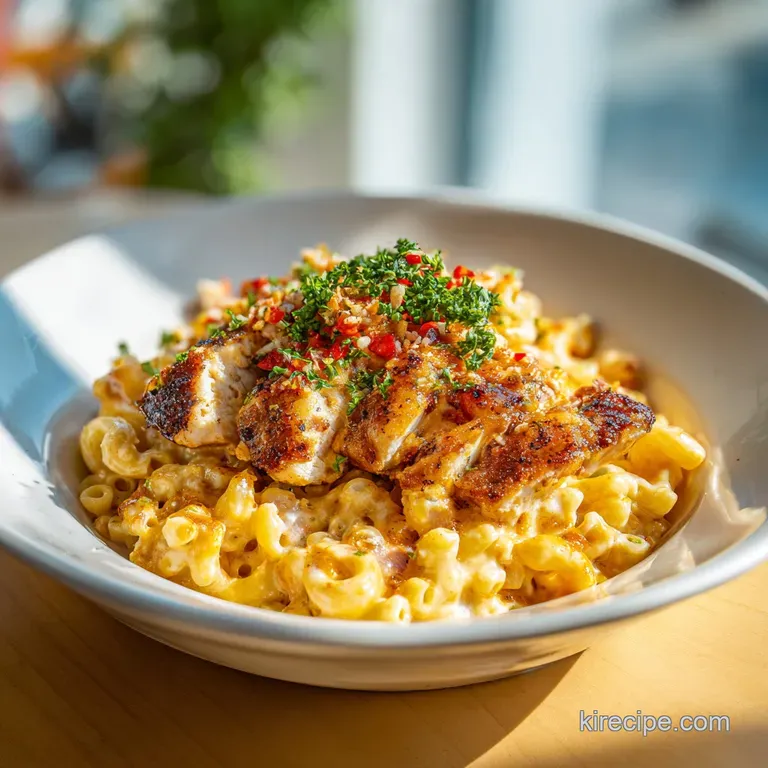
1. The Brine and Prep
Submerge 1.5 lbs of chicken nuggets in a mix of 1 cup buttermilk, 1 tbsp hot sauce, and 1 tsp pickle juice. Note: Let this sit for at least 20 minutes to tenderize the meat.
2. The Shattering Crust
Dredge the brined chicken in a mixture of 2 cups AP flour, 1 tsp salt, and 1 tsp black pepper. Note: Press the flour firmly onto the chicken to create "crags" that become extra crispy.
3. The Fry
Heat oil in a skillet to 180°C (350°F) and fry the chicken in batches for 5-7 minutes. Cook until the coating is a deep golden brown and the internal temp is 74°C (165°F).
4. The Nashville Glaze
Whisk 1/2 cup of the hot frying oil with 3 tbsp cayenne, 1 tbsp brown sugar, 1 tsp smoked paprika, and 1 tsp garlic powder. Note: The sugar balances the heat and helps the glaze stick.
5. The Pasta Boil
Cook 1 lb cavatappi in salted water for 1 minute less than the package directions. Boil until just shy of al dente so they don't turn to mush in the sauce.
6. The Velvety Sauce
Melt 4 tbsp butter, whisk in 1/4 cup flour for 2 minutes, then slowly stream in 3 cups milk and 1/2 cup heavy cream. Whisk until the sauce thickens and coats the back of a spoon.
7. The Cheese Integration
Remove sauce from heat and stir in 2 cups cheddar, 1 cup Gruyère, nutmeg, and dry mustard. Note: Residual heat is enough to melt the cheese without breaking the emulsion.
8. The Assembly
Fold the pasta into the cheese sauce, then top with the fried chicken that has been brushed generously with the hot glaze. Serve immediately while the chicken is still crackling.
3 Step Execution Timeline
- Prep Phase (0-25 min): Brine chicken, grate cheeses, and measure out all spices and flour.
- Cooking Phase (25-50 min): Boil pasta and fry chicken simultaneously; keep chicken warm on a wire rack.
- Finishing Phase (50-60 min): Make the cheese sauce, toss with pasta, and glaze the chicken before plating.
Resolving Texture Issues and Perfecting the Final Presentation
The most common heartbreak with this dish is a sauce that turns grainy. This usually happens if the heat is too high when you add the cheese. If it happens, don't panic! You can sometimes save it by whisking in a splash of warm milk very vigorously. Another issue is the "soggy bottom" chicken.
Always rest your fried chicken on a wire rack, never on paper towels, which trap steam and soften the crust.
Troubleshooting the Crunch and the Cream
| Problem | Root Cause | Solution |
|---|---|---|
| Grainy Sauce | Cheese was added to boiling liquid | Remove from heat and cool for 1 min before adding cheese. |
| Soggy Chicken | Oil temperature was too low | Ensure oil reaches 180°C (350°F) before adding chicken batches. |
| Glaze is Gritty | Spices didn't "bloom" properly | Use hotter oil for the glaze and whisk longer to dissolve the sugar. |
Common Mistakes Checklist
- ✓ Use a thermometer to check oil temp (don't just guess by the bubbles).
- ✓ Don't overcrowd the frying pan; fry in 2-3 batches if necessary.
- ✓ Always use freshly grated cheese to avoid that "clumpy" texture.
- ✓ Salt your pasta water heavily; it’s your only chance to season the noodles themselves.
- ✓ Brush the hot oil glaze on just before serving to maintain the crunch.
Adapting Flavors to Suit Your Personal Spice Tolerance
If you want the Nashville flavor without the "fire alarm" heat, you can easily tweak the cayenne levels. Reducing the cayenne to 1 tablespoon will give you a "mild medium" kick that is much more family friendly.
For an even richer experience, try swapping half of the cheddar for Monterey Jack, which provides a legendary "cheese pull" that looks incredible on the plate.
Flavor and Diet Adaptations
| Original Ingredient | Substitute | Why It Works |
|---|---|---|
| Cayenne (3 tbsp) | Ancho Chili Powder | Provides a smoky, mild heat instead of intense spice. |
| Whole Milk | Unsweetened Cashew Milk | Works well for a lighter sauce, though it will be less velvety. |
| All Purpose Flour | Cup for-Cup GF Flour | Allows for a gluten-free version; the texture remains very similar. |
If you're looking for a completely different flavor profile that still hits that comfort food craving, the sauce base here is very similar to what you'd find in an Authentic Butter Chicken Recipe, minus the tomato and Indian spices. It's all about that fat and flour emulsion!
Maximizing Longevity Through Proper Storage and Reheating Methods
Let's be honest, fried chicken is never quite the same the next day, but you can get pretty close. Store the chicken and the mac and cheese in separate airtight containers in the fridge for up to 3 days.
If you store them together, the moisture from the pasta will migrate into the chicken coating, making it soft and rubbery.
For reheating, skip the microwave for the chicken. Instead, pop the nuggets into an air fryer or a 200°C (400°F) oven for about 5 minutes until the oil starts to sizzle again.
For the mac, reheat it on the stovetop with a tiny splash of milk to loosen the sauce back up.
Zero Waste Tip: If you have leftover Nashville hot oil (the glaze), don't throw it out! It is incredible drizzled over fried eggs the next morning or used as a base for a spicy vinaigrette. You can also freeze the leftover Gruyère rinds and toss them into your next batch of Carrabba's Chicken Soup recipe for a massive umami boost.
Curating the Ideal Accompaniments for This Bold Dish
Because this Hot Chicken and Mac n Cheese Recipe is so rich and spicy, you need something bright and acidic to cut through the fat. A simple vinegar based coleslaw or quick pickled cucumbers are traditional for a reason they cleanse the palate between those heavy, cheesy bites.
If you're serving this as part of a larger spread, it pairs beautifully with something slightly sweet, like honey glazed carrots or a cornbread with jalapeño. For another crowd pleasing option that hits those savory notes, consider serving this alongside a Beef and Cheese recipe if you're hosting a game day party.
3 Flavor Twists to Try
- The Honey Drizzle: Add 2 tbsp of honey to your Nashville glaze for a "Hot Honey" version that is dangerously addictive.
- The Herb Crust: Fold 1 tbsp of fresh chives and parsley into the finished mac for a pop of freshness.
- The Blue Cheese Funk: Replace the Gruyère with 1/2 cup of crumbled blue cheese for a tangier, sharper finish that stands up well to the heat.
Kitchen Myths Debunked
"Searing the chicken first locks in the juices." This isn't true; the moisture loss is purely a function of temperature. The buttermilk brine is what actually keeps the meat juicy by chemically altering the protein structure.
"You need to rinse your pasta after boiling." Please, don't! The starch on the outside of the noodles is exactly what helps that creamy Gruyère sauce cling to the cavatappi. Rinsing it away just makes for a slippery, sad meal.
Very High in Sodium
1450 mg mg of sodium per serving (63% of daily value)
The American Heart Association recommends limiting sodium intake to no more than 2,300mg per day for most adults. This recipe significantly exceeds that limit.
Actionable Tips to Reduce Sodium
-
Reduce Cheese Quantity-20%
Cheese is a significant source of sodium. Try reducing the amount of cheddar and Gruyère by 25%. You can also substitute with a lower sodium cheese like Swiss, or part skim mozzarella.
-
Limit Added Salt-15%
The recipe includes salt in both the chicken breading and the cheese sauce. Reduce the salt called for to 1/4 tsp or eliminate it entirely from either the breading or the sauce. Taste and adjust after cooking.
-
Use Low-Sodium Buttermilk-10%
While buttermilk isn't a huge source of sodium, every little bit helps. Look for low-sodium buttermilk alternatives or make your own by adding lemon juice or vinegar to regular milk. Ensure you don't add salt when making your own buttermilk.
-
Unsalted Butter is Key-5%
The recipe calls for unsalted butter, which is excellent! Ensure you are indeed using unsalted butter and not confusing it with regular butter. Keep using unsalted butter, don't use the salted version.
-
Spice It Up!
Use herbs and spices like smoked paprika, garlic powder, cayenne pepper, black pepper and nutmeg to enhance the flavor of your dish. This helps you to reduce salt without compromising taste. Ensure the spices do not contain added salt.
Recipe FAQs
Can I use store-bought shredded cheese for the Mac n Cheese?
No, avoid it if possible. Pre-shredded cheese is coated in anti caking agents like potato starch, which causes the Mornay sauce to become chalky or grainy.
How to get the Nashville Hot Chicken crust extra crispy?
Press the flour firmly onto the chicken before frying. This creates "crags" in the coating that become rigid and shatteringly crisp when hitting the hot oil.
Is it necessary to use buttermilk for the chicken brine?
Yes, buttermilk is crucial for texture. The lactic acid tenderizes the muscle fibers, ensuring the meat remains succulent even after deep frying.
How to prevent the cheese sauce from becoming oily or separated?
Remove the roux from the heat before adding the grated cheese. Stir gently until the residual heat melts the cheese; high direct heat will cause the fat to break away from the protein.
How can I make the Nashville Hot Chicken less spicy for kids?
Reduce the cayenne pepper in the glaze significantly. Try using only 1 tablespoon of cayenne and substituting the rest with smoked paprika for color and flavor without the intense heat.
How to reheat the leftover chicken without losing all the crunch?
Use a 200°C (400°F) oven or air fryer. Reheat the chicken pieces separately on a wire rack for about 5 minutes; avoid the microwave entirely as it steams the coating.
What temperature should the oil be for frying the chicken nuggets properly?
Maintain oil temperature at exactly 180°C (350°F). Use a thermometer because fluctuating temperatures cause the coating to soak up excess oil instead of frying crisp; this temperature precision is key, much like when balancing flavors in our Moroccan Chicken Couscous recipe.
Hot Chicken Mac And Cheese
Ingredients:
Instructions:
Nutrition Facts:
| Calories | 1524 calories |
|---|---|
| Protein | 94g |
| Fat | 76g |
| Carbs | 118g |
| Fiber | 6g |
| Sugar | 12g |
| Sodium | 1450mg |
