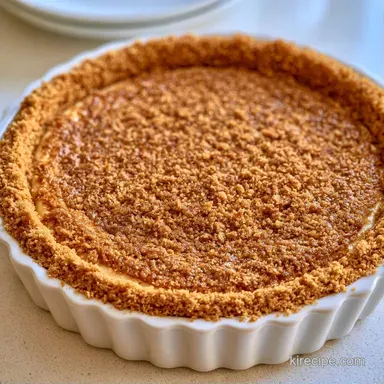
Gluten Free Graham Cracker Crust in 20 Minutes
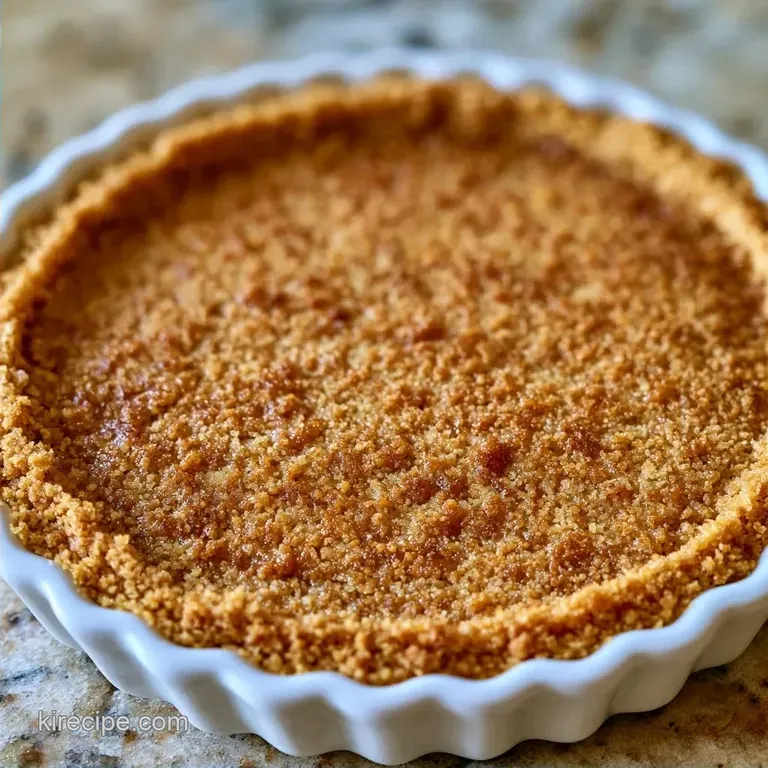
- Time: 10 min active + 10 min baking
- Flavor/Texture Hook: Toasted, buttery, and crisp
- Perfect for: Cheesecakes, fruit tarts, and GF dessert pies
- Gluten Free Graham Cracker Crust
- Why This Version Works
- The Key Ingredients
- Necessary Kitchen Tools
- Ingredients and Substitutions
- How to Make the Crust
- Troubleshooting the Base
- Different Flavor Options
- Storage and Freezer Tips
- What to Pair it With
- Why You'll Love This Recipe
- Recipe FAQs
- 📝 Recipe Card
Gluten free Graham Cracker Crust
Nothing beats the aroma of toasted brown sugar and melted butter drifting through your home. In the past, I struggled with gluten-free crusts that felt gritty like wet sand or crumbled instantly upon the first bite.
The issue is typically the crumbs; because gluten-free crackers don't bind as wheat does, you cannot eyeball the proportions.
The star ingredient is the gluten-free graham cracker. They deliver a nostalgic honey wheat flavor that almond or oat flours simply cannot match. Because they lack gluten, however, they depend entirely on the fat for their structure.
The result is a sturdy, mahogany colored base. Whether you are preparing a dense cheesecake or a delicate lemon tart, this gluten free Graham Cracker Crust ensures a reliable foundation.
Why This Version Works
- Fat Ratio: 85g of butter for 180g of crumbs creates a bond that is moist enough to stick but dry enough to snap.
- Compression: Pressing the crumbs firmly removes air pockets, which prevents the crust from leaking or cracking.
- Pre baking: A quick stint in the oven sets the butter and toasts the sugars for a deeper flavor.
The Key Ingredients
The crumbs provide the bulk and flavor, acting as the skeleton of the crust. Butter is the glue that holds everything together, while sugar helps the edges caramelize during baking. A pinch of salt is there to cut through the richness of the butter.
If you want to make your own crackers first, you can follow a homemade graham crackers guide, then crush them for this recipe.
Necessary Kitchen Tools
- Food processor (or a heavy duty blender)
- 9 inch springform pan or pie plate
- Measuring scale or measuring cups
- A flat bottomed glass or measuring cup for pressing
Ingredients and Substitutions
- 1.5 cups (180g) gluten free Graham Cracker crumbs Why this? Provides the classic honey flavor and structure. - Substitute: GF Digestive biscuits (slightly saltier).
- 1/4 cup (50g) Granulated sugar Why this? Adds sweetness and helps with browning. - Substitute: Brown sugar (adds a molasses note).
- 1/4 tsp (1.5g) Fine sea salt Why this? Balances the sugar and butter. - Substitute: Kosher salt (use a slightly larger pinch).
- 6 tbsp (85g) Unsalted butter, melted and cooled Why this? The primary binder for the crust. - Substitute: Coconut oil (best for dairy-free needs).
How to Make the Crust
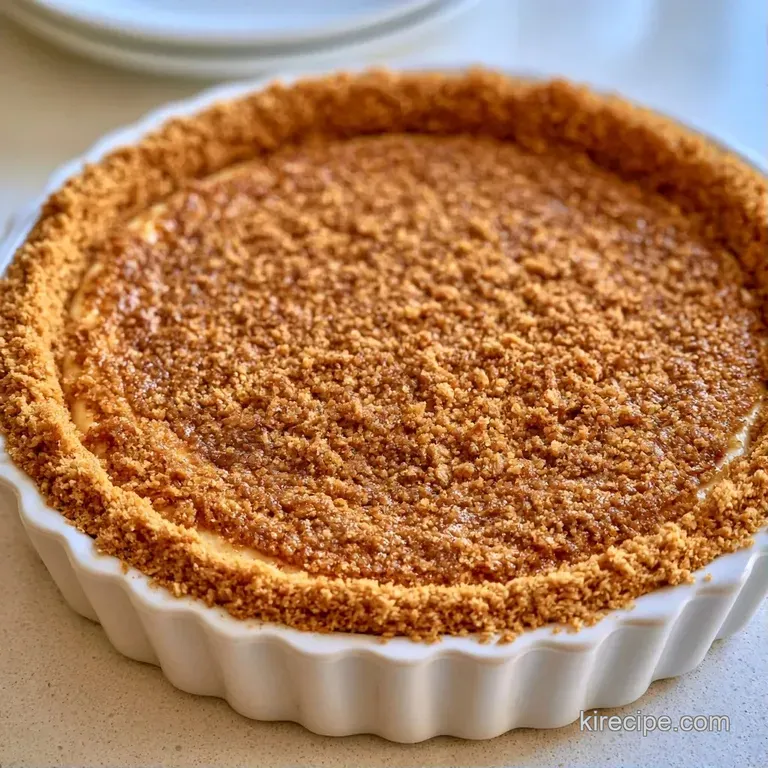
- Pulse the gluten-free graham crackers in a food processor until they reach a fine, sand like consistency.
- Add the sugar and salt to the processor and pulse once to combine.
- Pour in the melted butter while the processor is running on low.
- Process until the mixture looks like wet sand and clumps together when pinched.
- Pour the crumbs into a 9 inch springform pan or pie plate.
- Press the crumbs firmly into the base and up the sides using the flat bottom of a glass. Note: Apply significant pressure to prevent crumbling.
- For a no bake filling, chill the crust in the freezer for 15 minutes.
- For a baked pie, bake at 350°F (175°C) for 8-10 minutes until golden brown.
- Let the crust cool completely before adding your filling.
Troubleshooting the Base
A crumbling crust usually means the fat didn't distribute evenly or the compression was too light. If the crust feels too dry, it will likely shatter. On the other hand, too much butter leads to a greasy, soft bottom.
Fixing a Crumbly Texture
This happens when there isn't enough binder or the crumbs weren't pressed hard enough. If you see gaps in the crust before baking, press harder with your glass.
Stopping a Soggy Bottom
Sogginess occurs when the crust isn't fully set or the filling is too watery. Pre baking is the best defense here.
Fixing Uneven Edges
If the sides are sliding down, use a spoon to push the crumbs firmly into the corners of the pan.
| Problem | Fix |
|---|---|
| Crust falls apart | Add 1 tbsp melted butter and re press |
| Greasy texture | Reduce butter by 1 tbsp next time |
| Pale color | Bake for an extra 2 minutes |
Different Flavor Options
You can easily tweak this Homemade gluten free Graham Cracker Crust to fit different desserts. For a chocolate version, swap 30g of crumbs for cocoa powder. To add a nutty twist, use ground pecans as a partial substitute for the graham crumbs.
Decision Shortcut:
- Extra crunch? → bake 2 mins longer.
- Salty edge? → add pinch of flaky salt.
- dairy-free? → use vegan butter.
Method Comparison
| Feature | No Bake Method | Baked Method |
|---|---|---|
| Set Time | 15 min freezer | 10 min oven |
| Texture | Softer, buttery | Crisp, toasted |
| Best For | No bake cheesecake | Baked custard pies |
Storage and Freezer Tips
Store the unbaked crust in a sealed bin in the cooler for up to 3 days. For long term storage, wrap the baked and cooled crust in foil and freeze for 2 months.
To refresh a frozen crust, pop it in a 300°F (150°C) oven for 5 minutes. This removes the freezer chill and restores the crispness. Since we use butter, any leftover crumbs can be tossed into a batter for muffins or cookies to avoid waste.
What to Pair it With
This Easy gluten free Graham Cracker Crust for Cheesecake is a natural fit for a rich, creamy filling. If you prefer something fruitier, it works well with a zesty lime curd or a peanut butter mousse.
For a different kind of dessert experience, try pairing this with a Classic Apple Pie style filling, though you'll want to bake the crust slightly longer to handle the fruit moisture. A velvety vanilla bean cheesecake is the gold standard here.
Why You'll Love This Recipe
This gluten free Graham Cracker Crust Recipe takes the uncertainty out of GF baking. By using the weight of the components (180g crumbs and 85g butter), you ensure a perfect result every time.
It serves as a reliable gluten free Graham Cracker Crust alternative to commercial shells, which often contain strange stabilizers or preservatives. Once you see how easily a few simple ingredients and a bit of pressure create a sturdy base, you won't want to use pre-made options again.
Recipe FAQs
What can I use as a gluten-free substitute for graham crackers?
Stick with certified gluten-free graham cracker crumbs. These offer the most authentic taste and texture compared to the original. If you enjoyed fine tuning the flavor profile here, check out our Ginger Scallion Sauce for another great example of balance.
How to crush crackers for the finest crumbs?
Pulse in a food processor until they reach a fine, sand like consistency. This ensures the crust binds properly without leaving large chunks.
When baking the crust, what temperature is needed?
Bake at 350°F (175°C) for 8 10 minutes until golden brown. Let the crust cool completely before adding filling to prevent the base from melting.
Is it true that gluten-free crusts always crumble?
False. Pressing the crumbs firmly with the flat bottom of a glass and using the correct amount of melted butter creates a stable, sturdy base.
Which brands of graham crackers are gluten-free?
Look for brands explicitly labeled 'Certified gluten-free'. This ensures there is no cross contamination with wheat flour during the manufacturing process.
gluten free Graham Cracker Crust