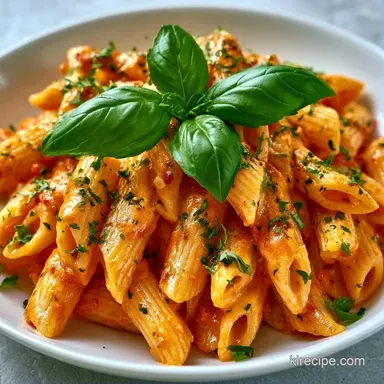
Creamy Tomato Basil Pasta in 25 Minutes
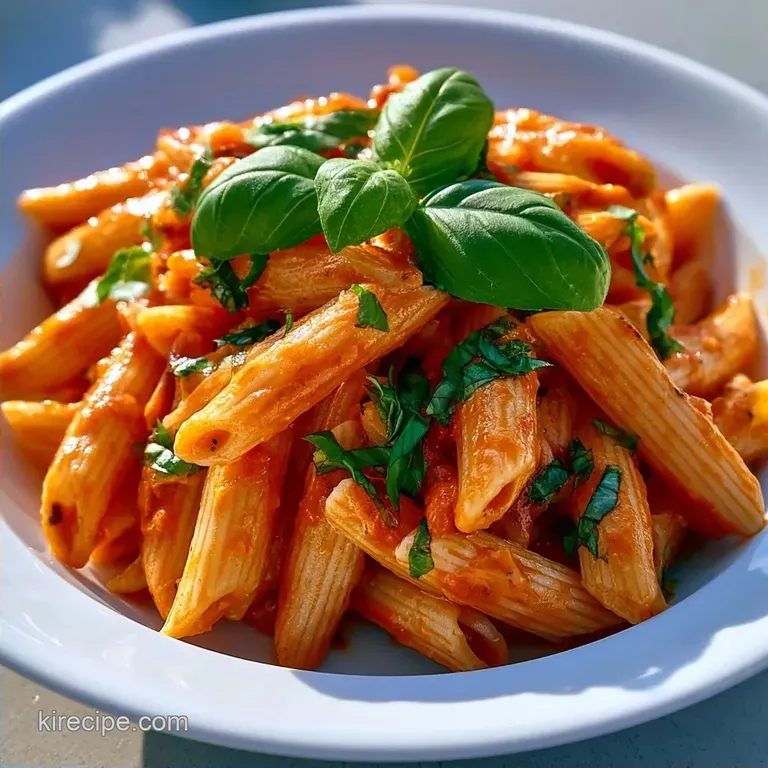
- Time: 10 min active + 15 min cook
- Flavor/Texture Hook: Tangy tomato with a glossy, rich finish
- Perfect for: Busy weeknight dinners or a low effort date night
- Creamy Tomato Basil Pasta
- Ingredient Deep Dive
- Gathering Your Essentials
- Essential Kitchen Tools
- Step-by-Step Instructions
- How to Fix Common Problems
- Troubleshooting Common Issues
- Adjusting the Portion Size
- Common Kitchen Myths
- Storage Guidelines
- Pairing Ideas
- High in Sodium
- Recipe FAQs
- 📝 Recipe Card
That smell of garlic hitting hot butter is enough to make anyone hungry. I remember the first time I tried to make this at home, and I just dumped everything in a pan and hoped for the best. The result was a watery mess that tasted like canned soup, and the basil turned a sad, dark brown because I cooked it too long.
The real hero here is the fresh basil. If you use the dried stuff from a jar, you lose that peppery, bright punch that cuts through the heavy cream. Fresh leaves added at the very end keep the flavor vivid and the color bright green.
This Creamy Tomato Basil Pasta is all about balance. You get the acidity from the tomatoes, the richness from the Parmesan, and the freshness from the herbs. It's a fuss free meal that feels fancy but takes almost no effort.
Creamy Tomato Basil Pasta
The reason this version works so well is the timing. Most people cook their pasta until it's fully done, then toss it in the sauce, which leads to mushy noodles. We're going to pull the pasta out early and let it finish cooking inside the sauce.
Starch Binding: Reserved pasta water contains starch that acts as a bridge between the fat in the cream and the water in the tomatoes.
Temperature Control: Adding cream over low heat prevents the dairy from separating when it hits the acidic tomato base.
| Component | Fresh Ingredients | Shortcut/Canned | Impact |
|---|---|---|---|
| Tomatoes | Fresh blistered tomatoes | Crushed canned tomatoes | Canned is faster and more consistent |
| Basil | Fresh leaves | Dried basil | Fresh is significantly more aromatic |
| Garlic | Fresh cloves | Garlic powder | Fresh provides a nutty, sharp bite |
Ingredient Deep Dive
Knowing what each part does helps when you're missing something in the pantry.
| Ingredient | What It Does | Best Swap |
|---|---|---|
| Heavy Cream | Adds richness and tempers acid | Full fat coconut milk (adds nuttiness) |
| Parmesan | Provides salt and a glossy finish | Pecorino Romano (saltier, sharper) |
| Crushed Tomatoes | The acidic, savory base | Tomato puree (smoother texture) |
Gathering Your Essentials
For the pasta base, we're using shapes that can hold onto a thick sauce. Penne or Rigatoni are the way to go because the sauce gets trapped inside the tubes.
- 1 lb (450g) Penne or Rigatoni Why this? Tubes hold more sauce than flat noodles
- 4 qts (3.8L) Water
- 2 tbsp (30ml) Salt
- 2 tbsp (30ml) Unsalted butter
- 1 tbsp (15ml) Extra virgin olive oil
- 3 cloves (15g) Garlic, minced
- 1 small (110g) Yellow onion, finely diced
- 28 oz (794g) Crushed tomatoes or tomato purée Why this? Consistent texture for a smooth sauce
- ½ tsp (2g) Red pepper flakes
- 1 cup (240ml) Heavy cream
- ½ cup (50g) Freshly grated Parmesan cheese Why this? Melts better than pre shredded
- ¼ cup (15g) Fresh basil leaves, chiffonade
- salt and black pepper to taste
If you want a lighter version, you can check out my Vegan Basil Sauce for a dairy-free alternative that still hits those herbal notes.
Essential Kitchen Tools
You don't need a professional setup for this. A large pot for the pasta and a wide skillet for the sauce are the only must haves. A whisk is helpful for getting the cream incorporated without lumps, and a sharp knife for the basil.
For the best results, use a stainless steel or non stick skillet. A wide pan allows the tomato sauce to simmer and reduce faster, which concentrates the flavor in less time.
Step-by-step Instructions
Let's crack on. The goal is to time the pasta so it's ready exactly when the sauce is finished.
- Bring a large pot of water to a rolling boil. Add salt and cook the pasta for 1-2 minutes less than the package directions to keep it extreme al dente.
- Reserve 1 cup (240ml) of the starchy pasta water before draining the pasta. Set aside.
- In a large skillet over medium heat, melt the butter and olive oil until shimmering.
- Add the diced onion and sauté until translucent (about 3-4 minutes).
- Stir in the minced garlic and red pepper flakes; cook for 60 seconds until fragrant and nutty, but not browned.
- Pour in the crushed tomatoes. Simmer on medium low for 5-7 minutes to concentrate the flavor.
- Lower the heat and stir in the heavy cream, whisking constantly until the sauce turns a smooth, uniform orange.
- Stir in the Parmesan cheese until melted and glossy.
- Toss the undercooked pasta directly into the sauce.
- Add the reserved pasta water 2 tablespoons at a time, stirring vigorously over medium heat until the sauce thickens and clings to the pasta.
- Remove from heat and fold in the fresh basil. Stir once and serve immediately.
Chef's Note: If you're using a very thick tomato puree, you might need an extra splash of pasta water to keep the sauce from becoming too pasty.
How to Fix Common Problems
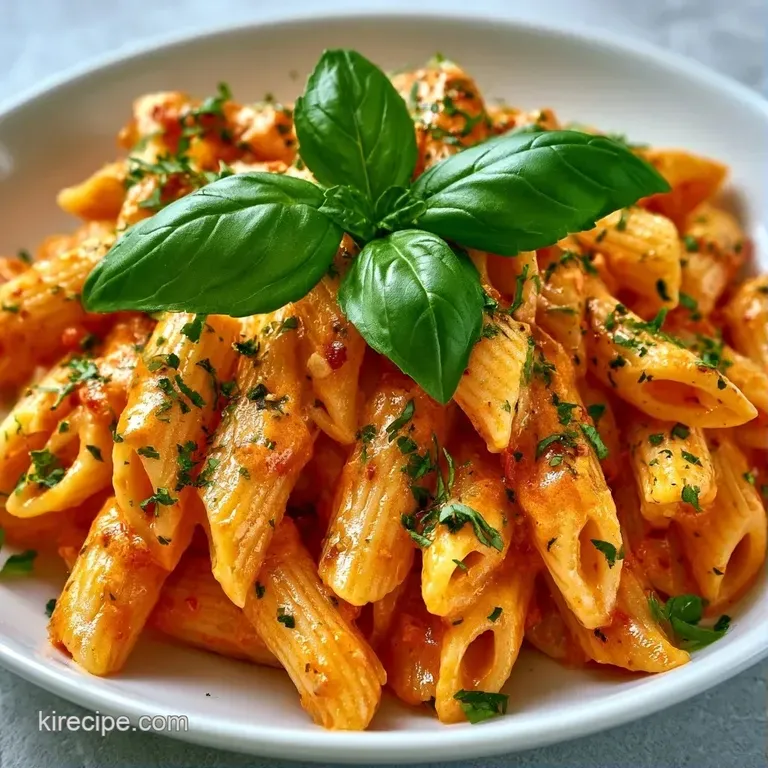
Even with a simple recipe, things can go sideways. Most issues with Creamy Tomato Basil Pasta come down to heat management.
Troubleshooting Common Issues
| Issue | Solution |
|---|---|
| Why Your Sauce Curdled | If the sauce looks grainy or the oil is separating, the heat was likely too high when the cream went in. This happens because the acid in the tomatoes causes the dairy proteins to clump. |
| Why the Pasta is Swimming | This usually happens if you add too much pasta water or didn't simmer the tomatoes long enough. The sauce should coat the noodles, not pool at the bottom of the bowl. |
| Why the Sauce is Too Acidic | Some canned tomatoes are more acidic than others. If it tastes too sharp, a tiny pinch of sugar (about 1/4 teaspoon) can neutralize the bite without making it sweet. |
Adjusting the Portion Size
Scaling a pasta dish is pretty straightforward, but you can't just double everything linearly.
Cutting it in half: Use a smaller skillet so the sauce doesn't evaporate too quickly. Reduce the simmering time by about 2 minutes. If the recipe calls for an odd number of eggs in a variation, beat one and use half.
Doubling the recipe: Don't double the salt or red pepper flakes; start with 1.5x and taste. Liquids like cream and tomatoes can be doubled, but work in batches if your skillet isn't large enough. Overcrowding the pan will steam the onions instead of sautéing them.
If you're making this for a crowd, I recommend using a San Marzano Sauce as your base, which provides a deeper flavor profile for larger batches.
| Scale | Pasta Amount | Liquid Adjustment | Cooking Time |
|---|---|---|---|
| 1/2 Batch | 0.5 lb | Exact half | Reduce simmer by 2 mins |
| 2x Batch | 2 lbs | Reduce liquids by 10% | Extend simmer by 3 mins |
| 4x Batch | 4 lbs | Reduce liquids by 20% | Work in two separate pans |
Common Kitchen Myths
There are a few things people always say about pasta that just aren't true.
One big one is that adding oil to the pasta water stops the noodles from sticking. It doesn't. It just creates a greasy layer on the pasta that prevents the sauce from sticking to the noodle. Skip the oil and just stir the pasta occasionally.
Another myth is that you need to rinse pasta after draining. Never do this for a creamy dish. Rinsing washes away the surface starch, which is exactly what we need to make the sauce cling to the penne.
Storage Guidelines
This dish is best served fresh, but it keeps well for a few days.
Fridge: Store in an airtight container for 3-4 days. The pasta will soak up the sauce as it sits, so it will be thicker when you reheat it.
Freezer: I don't recommend freezing the finished pasta, as the cream can separate and the noodles get mushy. However, you can freeze the tomato base (before adding cream and basil) for up to 3 months.
Reheating: Warm it in a pan over medium low heat. Add a splash of milk or water to loosen the sauce and bring back that silky texture.
Zero Waste: Don't toss the onion skins or the ends of the garlic. Throw them in a freezer bag for making homemade vegetable stock. If you have leftover basil stems, blend them into a pesto or steep them in olive oil for a few days before straining.
Pairing Ideas
Since this is a rich, flavor packed meal, you want sides that provide a crisp contrast.
A simple arugula salad with lemon vinaigrette is the best match. The bitterness of the greens and the zing of the lemon cut through the cream and Parmesan perfectly. If you want something heartier, a piece of toasted sourdough with a rub of raw garlic works wonders.
For those who love a meat addition, this recipe is fantastic with grilled chicken breast or sautéed shrimp. Just sear the protein in the same pan before you start the onions to pick up those brown bits. If you're looking for another pasta option without the tomato, my Ground Beef Pasta is a great alternative for a different night of the week.
Finally, a glass of chilled Pinot Grigio or a light Sangiovese complements the acidity of the tomatoes without overpowering the basil. Keep the wine light and crisp to balance the weight of the heavy cream.
High in Sodium
840 mg 840 mg of sodium per serving (37% 37% of daily value)
The American Heart Association recommends a daily sodium limit of no more than 2,300 mg to reduce the risk of high blood pressure and heart disease.
Tips to Reduce Sodium
-
Reduce Pasta Water Salt-30%
Cut the 2 tbsp of salt in the boiling water down to 1 tsp. Much of the salt used in pasta water is lost during draining, but the pasta still absorbs a significant amount.
-
Use No-Salt-Added Tomatoes-20%
Replace the crushed tomatoes or purée with a 'no salt added' version to eliminate hidden sodium from the canning process.
-
Moderate the Parmesan-15%
Reduce the amount of Parmesan cheese by half or substitute a portion with nutritional yeast for a salty, cheesy flavor with less sodium.
-
Avoid Additional Salt-10%
Omit the 'salt to taste' at the end of the recipe and rely on extra black pepper to provide a flavor punch.
-
Enhance with Aromatics
Double the amount of fresh basil or add a pinch of dried oregano to create a more robust flavor profile without adding sodium.
Recipe FAQs
How to cook this pasta with tomato and basil?
Simmer crushed tomatoes with garlic and onion, then stir in heavy cream and fold in fresh basil at the end. This sequence ensures the sauce is concentrated and the herbs stay vibrant.
What is the best way to prepare fresh basil for this dish?
Cut the leaves into thin ribbons using a chiffonade technique. If you enjoyed mastering this herb prep here, see how the same principle works in our sweet tomato sauce.
How to prevent the creamy sauce from curdling?
Lower the heat before stirring in the heavy cream. High heat causes the acidity in the tomatoes to clump the dairy proteins, which creates a grainy texture.
Why is my pasta swimming in sauce instead of being coated?
Simmer the crushed tomatoes for the full 5-7 minutes. This step concentrates the flavor and thickens the base so it clings to the noodles rather than pooling.
How to reheat this pasta without it getting dry?
Warm it in a pan over medium-low heat with a splash of water. This loosens the sauce that was absorbed during storage and restores the silky consistency.
Is it true I should cook the pasta fully before adding it to the sauce?
No, this is a common misconception. Cook the pasta 1-2 minutes less than the package directions so it finishes in the sauce, absorbing more flavor while remaining al dente.
Can I use different pasta shapes instead of penne or rigatoni?
Yes, any short, tubular pasta works best. Shapes like penne or rigatoni are ideal because they capture the thick, creamy sauce inside the noodle.
Creamy Tomato Basil Pasta in 25 Minutes