San Antonio Grilled Red Pepper Mexican Chicken
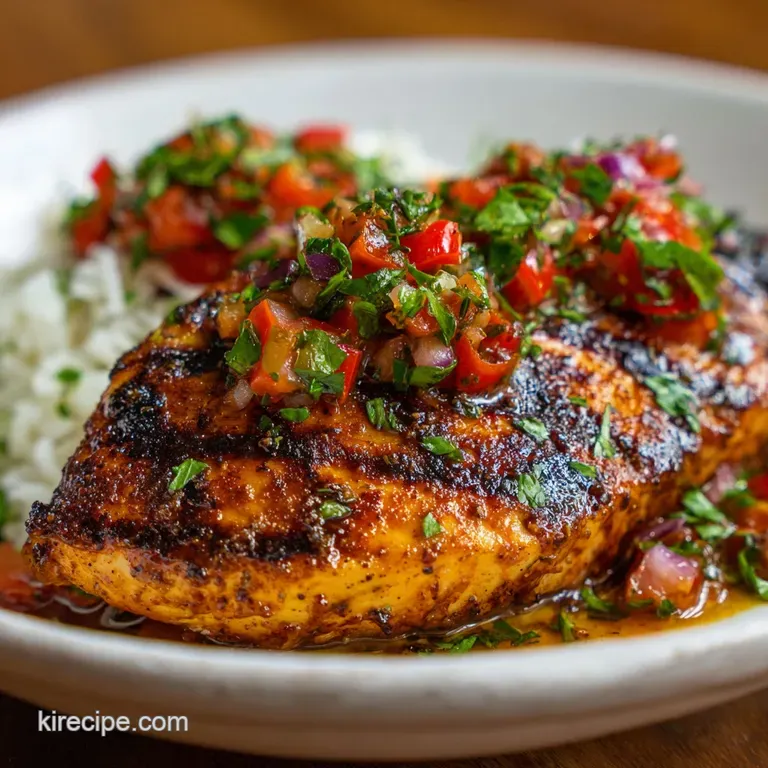
- Time: Active 15 minutes, Passive 15 minutes, Total 30 minutes
- Flavor/Texture Hook: Smoky, charred skin with a velvety, zesty finish
- Perfect for: Busy weeknight dinners or a weekend backyard hangout
- San Antonio Grilled Red Pepper Mexican Chicken Recipe
- Why This Marinade Always Wins
- Essential Yield and Timing Details
- What You Need for Success
- Tools for the Perfect Char
- Mastering the Grilling Process
- Troubleshooting for Juicy Chicken
- Easy Flavor and Time Swaps
- Proper Storage and Leftover Ideas
- Best Sides for This Dish
- Kitchen Myths Debunked
- Recipe FAQs
- 📝 Recipe Card
San Antonio Grilled Red Pepper Mexican Chicken Recipe
The first time I smelled this hit the grill, I was standing in a dusty backyard in San Antonio, watching a friend’s abuela blister red peppers over an open flame until they looked like coals. The aroma was thick, sweet, and incredibly smoky.
She didn't use a jarred sauce; she used the scorched skins and the softened flesh of those peppers to create a paste that clung to the chicken like a second skin. That sizzle when the marinated meat touched the grate is a sound I can still hear today.
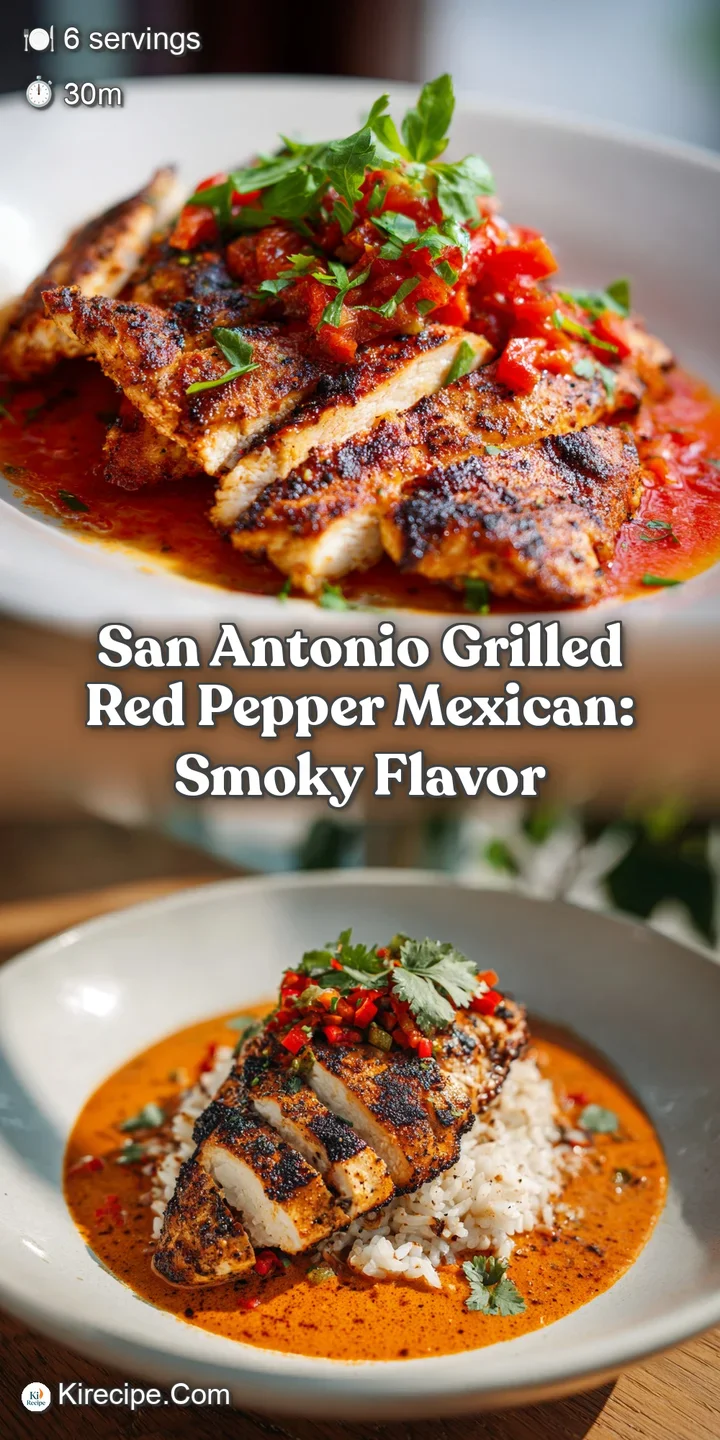
This San Antonio Grilled Red Pepper Mexican Chicken Marinade Recipe brings a vibrant, smoky flavor to your next chicken dinner. It isn't just about heat; it is about the depth that comes from charring your own vegetables.
I spent years trying to replicate that specific flavor using only powders, but I failed every time because I was skipping the fresh pepper element. Once I realized that the charred pepper is the soul of the dish, everything clicked.
We are going to skip the complicated steps and focus on high impact moves. You’ll get that deep, brick red color and the kind of flavor that usually takes hours of slow smoking, all in about 30 minutes.
It's fuss free enough for a Tuesday but fancy enough that your friends will think you've been hovering over a grill all afternoon. Trust me, the smell alone will have the neighbors peaking over the fence.
Why This Marinade Always Wins
- Capsaicin Emulsification: Blending the charred peppers with oil creates a thick, stable emulsion that coats the meat more effectively than a thin liquid marinade.
- Acid Induced Tenderization: The combination of lime juice and apple cider vinegar breaks down surface proteins, allowing the spices to penetrate deeper into the chicken fibers.
- The Maillard Catalyst: The natural sugars in the red peppers, once charred and then grilled again, accelerate the browning process, creating a complex crust.
- Lipid Soluble Spices: Cumin and paprika are fat soluble, meaning the neutral oil carries their flavor molecules directly into the chicken's fat deposits.
Method Comparison for Maximum Flavor
| Method | Prep Time | Texture | Flavor Depth |
|---|---|---|---|
| Gas Grill | 10 minutes | Very crispy skin | Clean, smoky pepper |
| Cast Iron Skillet | 5 minutes | Even, dark crust | Intense, concentrated spice |
| Air Fryer | 2 minutes | Uniformly juicy | Mild but consistent |
Similar to the technique I use in my Red Pepper Sauce recipe, we are prioritizing the texture of the vegetables to build the foundation of the sauce. Using the right method ensures you don't lose all that hard work to a soggy pan.
Essential Yield and Timing Details
Getting the timing right is the difference between a juicy bite and something that feels like cardboard. Since we are using skin on thighs, we have a bit of a safety net thanks to the extra fat, but you still want to keep an eye on the clock.
This recipe is designed for a standard family of six, but it scales beautifully if you're hosting a larger crowd.
Ingredient Deep Dive
| Ingredient | Science Role | Pro Secret |
|---|---|---|
| Charred Red Peppers | Provides the base "body" and natural sugars | Don't wash off every bit of black skin; it adds the "San Antonio" smoky profile. |
| Fresh Lime Juice | Lowers pH to soften muscle fibers | Zest the lime before juicing to double the aromatic impact. |
| Smoked Paprika | Provides the signature red hue and wood fire aroma | Use high-quality pimentón for a more velvety mouthfeel. |
What You Need for Success
- 2 large red bell peppers: You'll want these charred and peeled (about 340g). Why this? They provide the sweet, smoky base that defines the entire flavor profile.
- 3 cloves garlic: Smashed to release oils. Why this? Fresh garlic provides a sharp punch that cut through the richness of the peppers.
- 1/4 cup (60ml) Neutral oil: Such as Avocado or Grapeseed. Why this? It has a high smoke point, perfect for the intense heat of the grill.
- 1/4 cup (60ml) Fresh lime juice: The necessary acid. Why this? It brightens the heavy spices and acts as a natural tenderizer.
- 2 tbsp (30ml) Apple cider vinegar: For a different kind of tang. Why this? Adds a fermented depth that lime juice alone can't achieve.
- 1 tbsp (15g) Smoked paprika: Use the good stuff. Why this? It gives the chicken that gorgeous, deep mahogany color.
- 1 tbsp (15g) Ground cumin: Essential earthiness. Why this? Cumin provides the "Mexican" backbone of the spice blend.
- 1 tsp (5g) Chipotle powder: For a hint of heat. Why this? Adds a spicy, dried pepper note that complements the fresh ones.
- 1 tsp (5g) Dried Mexican oregano: Floral and savory. Why this? It's more citrusy and less bitter than standard Mediterranean oregano.
- 2 tsp (10g) Kosher salt: Don't skimp. Why this? Salt is the primary vehicle for pulling flavor into the meat.
- 1 tsp (5g) Coarse black pepper: For texture and bite. Why this? Provides a slow building heat at the back of the throat.
- 2 lbs (900g) Chicken thighs: Boneless and skin on. Why this? The skin protects the meat and becomes incredibly crispy when grilled.
Substitution Table
| Original Ingredient | Substitute | Why It Works |
|---|---|---|
| Apple Cider Vinegar | White Wine Vinegar | Maintains acidity without the fruity undertone. |
| Chipotle Powder | Ancho Chili Powder | Provides a milder, sweeter heat profile. |
| Neutral Oil | Light Olive Oil | Similar smoke point; do not use Extra Virgin as it burns. |
Tools for the Perfect Char
You don't need a professional kitchen, but a few specific tools make this much easier. A good blender or food processor is non negotiable for getting that red pepper paste silky. If you're working with a smaller batch, even a NutriBullet style blender works perfectly.
For the grilling portion, a heavy duty set of tongs is your best friend.
I usually reach for my cast iron grill pan when it's raining outside, but if the weather is clear, nothing beats a charcoal grill. The extra smoke from the coals interacts with the Pepper Mexican marinade to create a flavor that is purely addictive. If you find yourself making a lot of these marinated meats, consider trying a Ground Sausage Recipe on the side for a full protein packed spread.
Mastering the Grilling Process
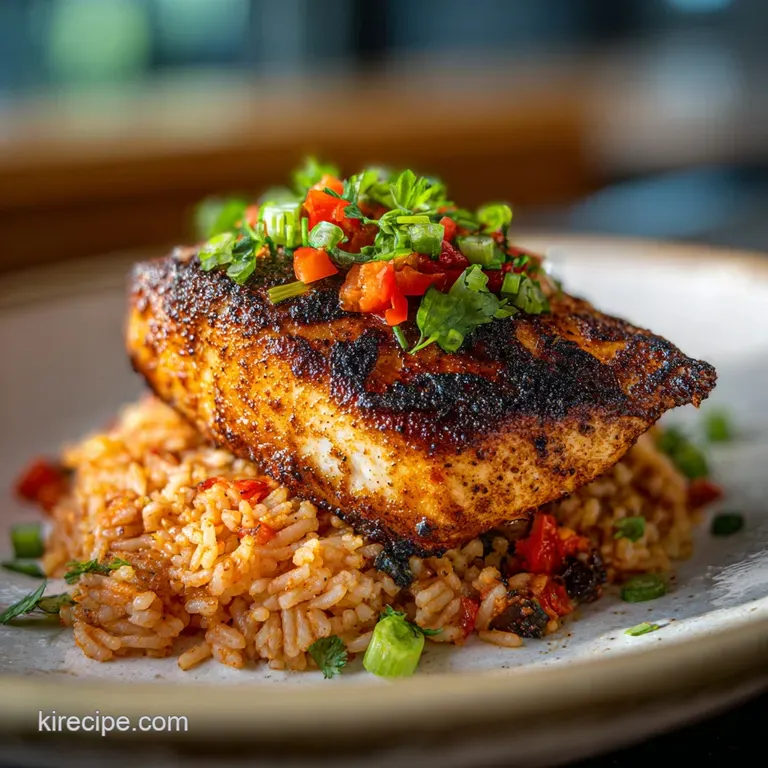
- Char the peppers. Place peppers directly over a gas flame or under a broiler until the skin is completely black and blistering.
- Steam and peel. Place the hot peppers in a bowl covered with plastic wrap for 10 minutes. Note: This loosens the skin perfectly.
- Create the base. Blend the peeled peppers, garlic, oil, lime juice, and vinegar until the mixture is velvety and smooth.
- Add the aromatics. Pulse in the paprika, cumin, chipotle, oregano, salt, and black pepper.
- Marinate the protein. Coat the chicken thighs thoroughly in the mixture. Note: 30 minutes is good, but 2 hours is the sweet spot.
- Preheat the surface. Get your grill to a steady 400°F (200°C) until the grates are radiating intense heat.
- Sear skin side down. Place chicken on the grill and cook for 6-8 minutes until the skin is crispy and releases easily.
- Flip and finish. Cook for another 5-7 minutes. until the internal temperature hits 165°F (74°C).
- Rest the meat. Remove from heat and let it sit for 5 minutes. Note: This allows the juices to redistribute so they don't run out when you slice.
Chef's Tip: Before you start, freeze your chicken thighs for 15 minutes. It firms up the skin just enough that it won't tear when you're rubbing the thick marinade into the crevices.
Troubleshooting for Juicy Chicken
Sometimes things don't go exactly to plan. The most common issue people have with this Red Pepper Mexican dish is the skin sticking to the grill or the marinade burning before the meat is cooked through. Usually, this is a temperature control issue.
Why Your Chicken Skin Tears
If your chicken skin sticks, it's usually because the grill wasn't hot enough when you started, or you tried to flip it too early. The meat will naturally "release" from the grate once the proteins have seared and formed a crust. If you're struggling with this, just give it another 60 seconds and try again.
| Problem | Root Cause | Solution |
|---|---|---|
| Bitter Taste | Peppers were burnt, not charred | Remove every large piece of blackened skin before blending. |
| Soggy Skin | Too much marinade left on top | Shake off excess liquid before placing the chicken on the heat. |
| Dry Meat | Overcooking | Pull the chicken at 160°F and let carry over cooking do the rest. |
Common Mistakes Checklist
- ✓ Pat the chicken skin dry with a paper towel before adding the marinade (helps it stick).
- ✓ Don't skip the steaming step for the peppers; it's the only way to get a smooth sauce.
- ✓ Ensure the grill is clean; old bits of food will cause the skin to tear.
- ✓ Use a meat thermometer guessing is the fastest way to dry out a thigh.
- ✓ Allow the marinade to reach room temperature before grilling for even cooking.
Easy Flavor and Time Swaps
If you're in a massive rush, you can swap the fresh charred peppers for a jar of roasted red peppers. You will lose that specific "fire kissed" essence, but it's a solid 10 minute shortcut for a weeknight. Just make sure to drain them well so the marinade doesn't get watery.
If you want...
- Extra Heat: Add two canned chipotle peppers in adobo sauce to the blender.
- A Sweeter Finish: Add 1 tablespoon of honey to the marinade to help with caramelization.
- A Healthier Twist: Serve the chicken over a bed of cauliflower rice instead of tortillas.
For scaling, if you are doubling the recipe to 4 lbs of chicken, only increase the salt and spices to 1.5x. Keeping the liquids the same is usually fine, as 1/2 cup of oil/lime juice is more than enough to coat a larger batch.
Proper Storage and Leftover Ideas
Storage: Store any leftover chicken in an airtight container in the fridge for up to 4 days. The flavors actually deepen over the first 24 hours, making it even better for lunch the next day.
Freezing: You can freeze the raw chicken inside the marinade for up to 3 months. When you're ready to eat, thaw it in the fridge overnight. The acid in the lime juice will continue to work on the meat as it thaws, so it will be incredibly tender.
Zero Waste: Don't throw away the pepper seeds and stems! You can toss them into a pot with some water and onion scraps to make a quick vegetable stock for rice. Also, if you have leftover marinade that hasn't touched raw meat, use it as a base for a spicy salad dressing by whisking in a little more oil.
Best Sides for This Dish
This chicken is the star of the show, but it needs the right supporting cast. I love serving this with a side of charred corn salad (elote style) or just some simple cilantro lime rice. The acidity of the Antonio Grilled Red Pepper Mexican Chicken Marinade Recipe cuts right through creamy sides.
If you're looking for something with a bit more of a kick, try pairing it with a side of Kung Pao Sauce recipe drizzled over grilled zucchini. It sounds wild, but the umami in the Kung Pao sauce works beautifully with the smokiness of the red peppers.
The Physics of the Char
Why do we char the peppers until they’re black? It’s not about burning them; it’s about thermal decomposition. The intense heat breaks down the tough cellulose walls of the pepper, releasing the internal sugars and creating those smoky phenols that give the San Antonio style its signature depth.
Kitchen Myths Debunked
Myth: Marinades tenderize meat deep inside. The truth is that most marinades only penetrate a few millimeters. The acid (lime/vinegar) works on the surface. The real "tenderizing" comes from the salt pulling moisture in and the fat in the thighs staying juicy.
Myth: You must remove all the black skin from the peppers. Actually, leaving a few tiny flecks of the charred skin in the blender adds "micro pockets" of smoke flavor. It gives the sauce a rustic, authentic look that you just can't get from a bottle.
Myth: Grilling with the lid open is faster. Keeping the lid closed creates a convection oven effect. For thick chicken thighs, you need that ambient heat to cook the center while the grates handle the skin. Keep that lid down!
Recipe FAQs
What is the red Mexican marinade for chicken?
It is a paste made from charred red bell peppers, lime juice, oil, and deep spices. This specific marinade relies on the smoky flavor derived from blistering the fresh peppers until nearly black, which forms the paste's velvety base.
What spices are in Mexican chicken marinade?
The core spices are smoked paprika, ground cumin, chipotle powder, and dried Mexican oregano. The smoked paprika provides the signature brick red color, while the cumin gives the essential earthy backbone to the flavor profile.
What's a good marinade for grilled chicken?
A marinade based on charred vegetables and balanced acid/oil is ideal for grilling. The fat content helps the flavor adhere, and the acid tenderizes the surface proteins, leading to better crust development.
What are the ingredients in Mexican grilled chicken?
The key ingredients are charred red bell peppers, fresh lime juice, neutral oil, smoked paprika, and cumin. The peppers must be charred and peeled to unlock the smoky base flavor that defines this style of grilled chicken.
How do I ensure my chicken skin gets crispy on the grill?
Pat the chicken skin completely dry before applying the marinade, and grill over high heat. The dry surface is crucial for immediate searing; if the skin is wet, the moisture will steam it before it can crisp.
Can I substitute fresh peppers with jarred roasted red peppers?
Yes, you can substitute them for a significant time shortcut. However, you will lose the intense, smoky flavor created by charring the fresh skin directly over the flame, which is a primary characteristic here.
What internal temperature should I pull the chicken off the grill?
Pull the chicken thighs when they register 160°F (71°C) on an instant read thermometer. The internal temperature will safely rise to the required 165°F while resting off the heat, keeping the meat juicy.
San Antonio Grilled Red Pepper
Ingredients:
Instructions:
Nutrition Facts:
| Calories | 358 kcal |
|---|---|
| Protein | 27.5 g |
| Fat | 24.2 g |
| Carbs | 4.3 g |
| Fiber | 1.2 g |
| Sugar | 1.9 g |
| Sodium | 795 mg |
