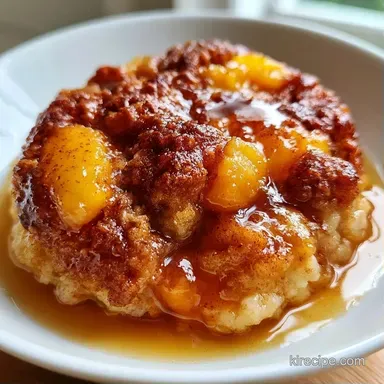
Old-Fashioned Peach Pandowdy with Fresh Peaches
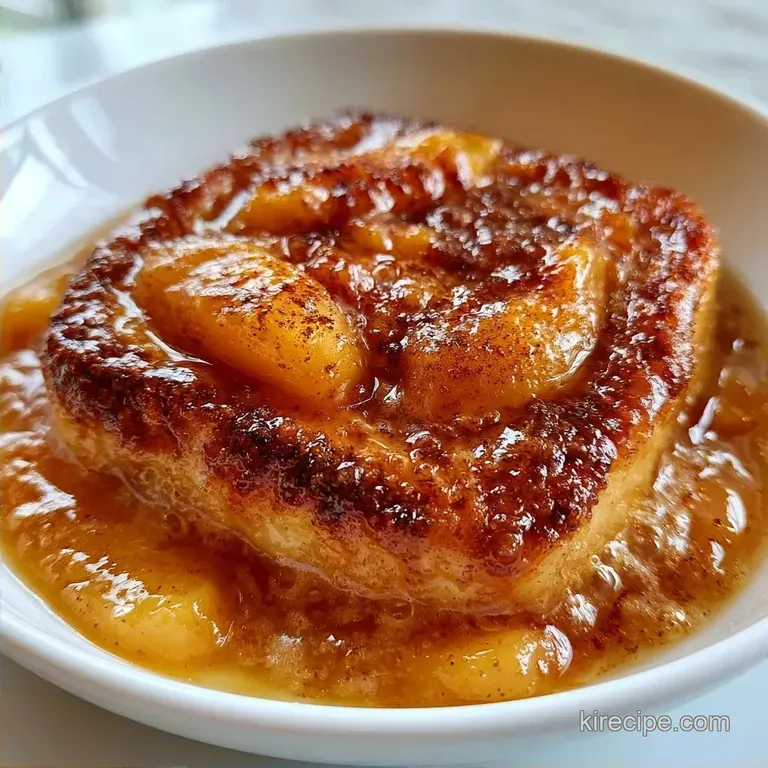
- Time: 15 min active + 45 min bake
- Flavor/Texture Hook: Buttery, crisp crust with a jammy, cinnamon spiced center
- Perfect for: Late summer family dinners or potlucks
- Traditional Homemade Peach Pandowdy
- The Logic Behind the Bake
- Ingredient Deep Dive
- Equipment For Best Results
- Step By Step Method
- Fixing Common Baking Problems
- Easy Dietary Adjustments
- Scaling This Recipe
- Common Baking Myths
- Storage And Leftover Guide
- Ideal Serving Suggestions
- Final Thoughts on the Bake
- Recipe FAQs
- 📝 Recipe Card
Ever wonder why some old recipes have names that sound like a clumsy mistake? The name comes from the action of "dowdying," which is just a fancy way of saying you're breaking up the crust and pushing it down into the fruit. It's not a neat, tidy pie, and that's exactly why it's better.
I remember the first time I tried this. I spent way too long trying to roll the dough into a perfect circle, thinking it needed to look professional. My grandmother just laughed and told me the whole point is that it's a bit messy.
Once I stopped worrying about the edges and just focused on the heat of the cast iron, everything changed.
You can expect a dessert that balances the tartness of fresh peaches with a rich, brown sugar syrup. The Peach Pandowdy isn't about precision in presentation, but it is about precision in temperature and timing to get that mahogany finish on the crust.
Traditional Homemade Peach Pandowdy
Right then, let's talk about what makes this dish actually work. It's all about the contrast between the fruit and the dough. You aren't just baking a topping; you're creating a hybrid between a cobbler and a pie.
The magic happens in the final ten minutes. When you break that golden crust and stir it into the bubbling peaches, the pastry absorbs some of the syrup while keeping its crisp edges. It's a textural contrast that you just don't get with a standard crisp.
Trust me on this: the cast iron skillet is not optional. The heavy metal holds heat evenly, which ensures the bottom of the fruit doesn't burn while the top is still pale. A thin baking sheet just won't give you the same depth of caramelization.
The Logic Behind the Bake
Cold Butter: Keeping the fat chilled creates tiny steam pockets during baking, which makes the crust flaky instead of dense.
Fruit Maceration: Letting the peaches sit with sugar for 10 minutes draws out the water, so you don't end up with a watery soup.
Cornstarch Ratio: A small amount of starch binds the natural pectin in the fruit, resulting in a thick, pourable sauce.
| Method | Bake Time | Texture | Best For |
|---|---|---|---|
| Oven (Cast Iron) | 45 mins | Crisp edges, soft center | Traditional feel |
| Stovetop to Broil | 30 mins | More jammy, thinner crust | Faster prep |
Ingredient Deep Dive
The ingredients here are simple, but they each have a specific job. If you change the ratios too much, you risk the crust becoming too tough or the filling too runny.
| Ingredient | What It Does | Best Swap |
|---|---|---|
| Fresh Peaches | Provides bulk and acidity | Frozen peaches (thawed/drained) |
| Brown Sugar | Adds molasses depth and moisture | Coconut sugar (less caramel note) |
| Cornstarch | Thickens the fruit juices | Arrowroot powder (1:1 ratio) |
| Chilled Butter | Creates flaky pastry layers | Cold coconut oil (firmer crust) |
Equipment For Best Results
You don't need a professional kitchen, but a few specific tools make this Peach Pandowdy much easier to handle.
First, grab a 10 inch cast iron skillet. This is the gold standard for this recipe because it distributes heat across the bottom and sides equally. If you only have a cake pan, it'll work, but you'll miss out on that signature crusty edge.
For the pastry, a pastry cutter is a lifesaver. You want to integrate the butter without melting it with the heat of your hands. If you don't have one, two forks pushed together do the trick.
Finally, use a rubber spatula for the fruit. Peaches are delicate, and if you stir them too aggressively, they'll bruise and break down before they even hit the oven.
Step by step Method
Let's crack on with the actual cooking. Make sure your butter is cold from the fridge before you start the pastry.
For the Peach Filling
- Combine sliced peaches, brown sugar, cornstarch, cinnamon, salt, and lemon juice in a large bowl.
- Gently fold the mixture with a rubber spatula Note: This prevents the peaches from turning into mush.
- Stir in 2 tbsp of melted butter.
- Let the mixture sit for 10 minutes until the peaches release their juices and look glossy.
- Transfer the fruit into a 10 inch cast iron skillet, spreading it evenly.
For the Pastry Top
- Whisk together flour, granulated sugar, and baking powder in a medium bowl.
- Cut in the chilled, cubed butter using a pastry cutter until you see pea sized bits.
- Add ice water one tablespoon at a time, stirring until the dough just holds together. Note: Stop as soon as it clumps; overworking makes it tough.
Baking and Dowdying
- Roll out the dough and place it over the peach filling in the skillet.
- Bake at 375°F (190°C) for 30 mins until the crust is golden brown.
- Use a spoon to break the baked crust and push pieces down into the bubbling fruit.
- Brush the remaining edges with melted butter and bake for another 15 mins until the edges are mahogany colored and crisp.
Fixing Common Baking Problems
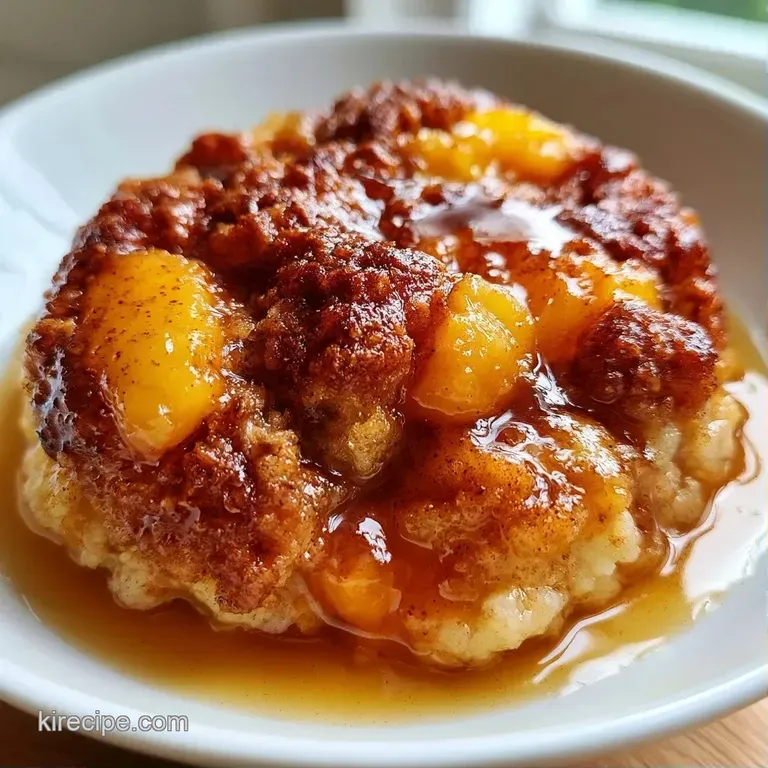
Even with a precise method, things can go sideways. Most issues with a Peach Pandowdy come down to moisture control or temperature.
The most common complaint is a crust that doesn't seem to "crisp up" but rather steams. This usually happens if the fruit is too watery or the oven isn't hot enough. According to Serious Eats, managing the moisture in fruit fillings is the most important part of a successful bake.
If your filling is too runny, you might have skipped the maceration step or used overripe peaches that released too much water. If the crust is too hard, you likely over mixed the dough, developing too much gluten.
| Problem | Root Cause | Solution |
|---|---|---|
| Soggy Bottom | Too much fruit juice | Increase maceration time to 15 mins |
| Tough Crust | Over kneaded dough | Mix until just combined, then stop |
| Pale Edges | Oven temp too low | Brush with butter and broil for 2 mins |
Easy Dietary Adjustments
You can tweak this Peach Pandowdy to fit different needs, though some changes will alter the final texture. If you're looking for something with a more traditional crumble instead of a pastry, my Peach Crisp recipe is a great alternative.
Making it gluten-free
For a gluten-free version, swap the all purpose flour for a 1:1 gluten-free baking blend. Use a blend that contains xanthan gum. Be aware that the crust will be slightly more fragile, so handle it gently when "dowdying" the pastry.
Reducing the Sugar
If your peaches are peak season and incredibly sweet, you can cut the brown sugar by 2 tablespoons. However, don't cut too much, as the sugar helps create the syrupy consistency that defines a Peach Pandowdy.
Adding a Berry Twist
Adding a handful of fresh blackberries or raspberries to the filling adds a nice tartness. The berries bleed into the syrup, giving the Peach Pandowdy a beautiful deep red hue.
Scaling This Recipe
Adjusting the size of your dessert is simple, but you have to change your pan size to keep the ratios correct.
Scaling Down (Half Batch): Use a 6 inch skillet. Reduce the baking time by about 20% since the thermal mass is smaller. For the egg or binder, if you're using a recipe that requires one, beat it first and use half.
Scaling Up (Double Batch): Do not use one giant pan, as the center won't cook through before the edges burn. Instead, use two 10 inch skillets. Keep the salt and cinnamon at 1.5x instead of 2x to prevent the flavors from becoming overpowering.
If you're doubling a baked pastry, I recommend lowering the temperature to 350°F (175°C) and extending the time by 10-15 minutes to ensure an even bake across both pans.
Common Baking Myths
There's a lot of noise about fruit desserts. Let's clear a few things up.
One myth is that you need to peel every single peach. While peeling gives a smoother mouthfeel, leaving the skins on adds a bit of structure and extra fiber. According to the USDA, peach skins contain a significant portion of the fruit's antioxidants.
Another misconception is that "dowdying" the crust ruins the pastry. In reality, the process of breaking the crust allows the steam to escape and the syrup to penetrate the dough, which is the whole point of a Peach Pandowdy.
Storage And Leftover Guide
A Peach Pandowdy is best served warm, but it keeps surprisingly well if stored correctly.
Fridge Storage: Let the dessert cool completely before covering it with foil or plastic wrap. It stays fresh in the refrigerator for up to 4 days. The crust will soften slightly as it absorbs moisture from the peaches.
Freezing: You can freeze the baked Peach Pandowdy for up to 2 months. Slice it into portions and wrap them individually in parchment paper and foil. Thaw in the fridge overnight before reheating.
Reheating: Avoid the microwave, as it makes the pastry rubbery. Instead, pop a slice in a 350°F (175°C) oven for 10 minutes. This helps the edges crisp up again.
Zero Waste Tip: If you have leftover peach skins and pits, don't toss them. You can simmer them with a bit of water and sugar to create a simple peach syrup for pancakes or cocktails.
Ideal Serving Suggestions
The richness of the brown sugar and butter in a Peach Pandowdy means you need something cool and creamy to balance it out.
A big scoop of high-quality vanilla bean ice cream is the classic choice. The cold ice cream melts into the warm syrup, creating a creamy sauce. For a lighter option, a dollop of unsweetened Greek yogurt or a splash of heavy cream works wonders.
If you're serving this at a party and want a different style of topping, you might enjoy the texture of a Grandma's Cobbler, which uses a more biscuit like approach.
For a little extra kick, sprinkle a pinch of flaky sea salt over the top right after the final bake. The salt cuts through the sugar and makes the peach flavor pop.
Final Thoughts on the Bake
Making a Peach Pandowdy is less about following a rigid set of rules and more about trusting the process of the bake. It's a comforting, rustic dessert that celebrates the best of summer fruit.
Just remember to keep your butter cold and don't be afraid to really break that crust at the end. The more "dowdyed" it is, the more surface area there is for that delicious syrup to cling to.
Once you've tried this method, you'll see why the Peach Pandowdy has remained a staple in home kitchens. It's simple, honest, and tastes like a warm hug in a skillet.
Whether you're using fresh orchard peaches or the best canned ones you can find, the result is always a winner. Just get that skillet hot, keep your dough light, and enjoy the messy, syrupy goodness of a homemade Peach Pandowdy.
Recipe FAQs
What kinds of desserts can I make with peach slices?
Peach Pandowdy is a top choice. This rustic dessert combines a buttery crust with a syrupy filling, offering a more complex texture than a standard cake.
How do I make an easy peach dessert similar to a cobbler?
Combine sliced peaches with brown sugar and cornstarch, then top with a rolled pastry. Bake until golden, break the crust into the fruit, and finish baking until the edges are mahogany.
Is a Peach Pandowdy the best dessert for fresh peaches?
Yes, it is an excellent choice. The "dowdying" process creates a unique blend of crisp pastry and bubbling fruit that highlights the natural flavor of fresh peaches.
Can I add apples to this peach filling?
No, stick to the listed ingredients. Adding other fruits can alter the moisture levels and prevent the cornstarch from thickening the syrup properly.
What makes a Peach Pandowdy a great alternative to peach cobbler?
It offers a more interactive and rustic texture. If you prefer a traditional streusel style topping instead, you might enjoy a peach crumble.
How do I get the best texture for the pastry crust?
Cut in chilled, cubed butter using a pastry cutter. Stop when the mixture resembles coarse crumbs with pea-sized bits to ensure the crust remains flaky.
How should I store leftover Peach Pandowdy?
Cover completely and refrigerate for up to 4 days. Let the dessert cool entirely before sealing to prevent the crust from softening too quickly.
Old Fashioned Peach Pandowdy