Rice Recipe with Korean Chicken: Glazed & Fluffy
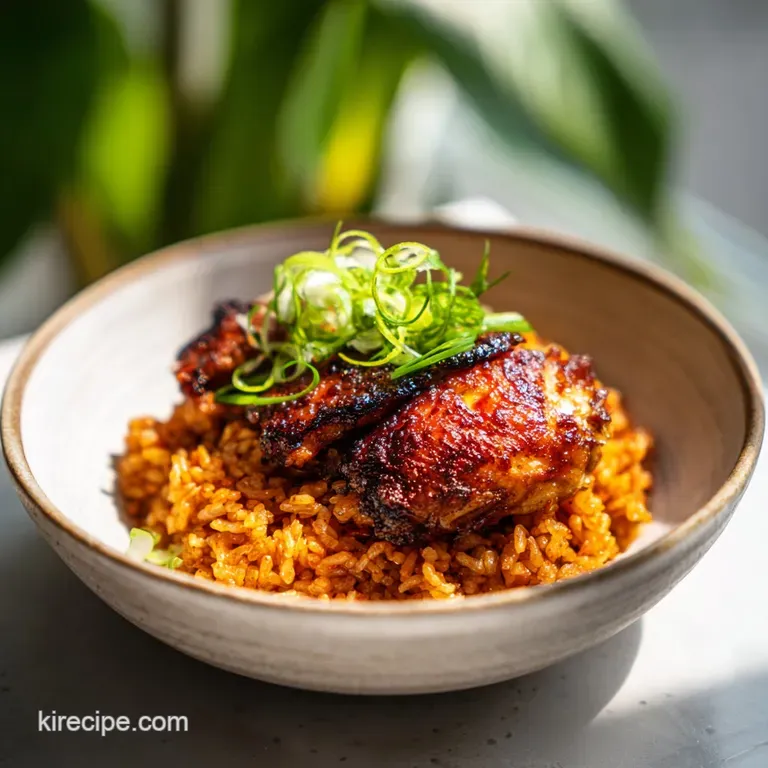
- Time: Active 10 minutes, Passive 25 minutes, Total 35 minutes
- Flavor/Texture Hook: Silky gochujang glaze over shatter crisp chicken skin and fluffy, umami rich rice
- Perfect for: High protein weeknight recovery meals or meal prep sessions
- Why This Works
- Key Performance Metrics for Your Spicy Chicken Dinner Success
- The Essential Elements Required for This Spicy Rice Meal
- Tools Needed to Get the Crispy Bottom Rice Finish
- Step by Step Guide to Cooking the Perfect Chicken Bowl
- Solving Common Cooking Issues for Fluffy Rice and Chicken
- Flavor Variations and Ingredient Swaps for Budget Conscious Cooks
- Proper Techniques to Refrigerate and Reheat Your Leftover Meals
- Modern Ways to Plate and Present Your One Pot Dinner
- Myths Regarding One Pot Rice Dishes
- Recipe FAQs
- 📝 Recipe Card
The first time I tried to make a rice recipe with korean chicken, I made the classic amateur mistake: I threw the raw chicken and the dry rice into the pot together with some water and hoped for the best. What I got was a grayish, sad pile of mush that tasted like nothing.
The chicken was rubbery, and the rice was somehow both crunchy and waterlogged. I nearly gave up on one pot meals entirely, but then I realized the secret isn't just in the ingredients it's in the timing and the sizzle.
Now, when I start this dish, the kitchen fills with that sharp, sweet, and fermented aroma of gochujang hitting a hot pan. You hear that aggressive crackle as the honey in the sauce starts to caramelize against the chicken breast. It’s a sensory signal that something far better than a basic stir fry is happening.
This isn't just food; it's a strategic layering of textures that makes a humble bowl of grain feel like a luxury.
We're going to use the "Sotbap" logic here, which is essentially Korean pot rice. By searing the chicken first and then letting the rice finish in the residual heat and juices, we're building a flavor profile that you simply can't get by cooking them separately.
Trust me, once you see how the rice turns a beautiful sunset orange from the chili paste, you'll never go back to plain white rice again.
Why This Works
Maillard Reinforcement: The honey and gochujang in the glaze undergo rapid browning when they hit the hot oil, creating a complex crust on the chicken breast.
Starch Gelatinization: Using short grain rice ensures a higher amylopectin content, which creates a velvety, slightly sticky texture that holds onto the sauce better than long grain varieties.
Carryover Infusion: As the chicken rests on top of the steaming rice, its juices permeate the grains, flavoring them from the inside out rather than just coating the exterior.
Pressure Steaming: The heavy lid creates a micro environment where the chicken bone broth is forced into the center of the rice grains, ensuring they are fully cooked but not blown out.
| Chicken Cut | Internal Temp | Rest Time | Visual Cue |
|---|---|---|---|
| 1 inch Cubes | 165°F (74°C) | 5 minutes | Opaque center, juices run clear |
| 2 inch Thighs | 175°F (79°C) | 8 minutes | Meat pulls away from bone easily |
| Minced/Ground | 165°F (74°C) | 2 minutes | No remaining pink traces |
When you are aiming for that restaurant style finish, the internal temperature is your best friend. Chicken breast is lean, so hitting exactly 165°F (74°C) is the difference between a juicy bite and a dry, chalky one. If you find yourself wanting a more liquid heavy version of this profile, you might enjoy my Hot Spicy Chicken recipe which uses similar aromatics in a brothier format.
Key Performance Metrics for Your Spicy Chicken Dinner Success
| Component | Science Role | Pro Secret |
|---|---|---|
| Gochujang | Fermented Umami | Smear it against the dry pan briefly to "wake up" the chili oils before adding liquid. |
| Cornstarch | Moisture Barrier | Acts as a sacrificial layer that crisps up while keeping the chicken breast meat tender. |
| Chicken Bone Broth | Collagen source | Provides a richer mouthfeel than water, making the rice feel more substantial and "fatty." |
The cornstarch is probably the most underrated part of this whole operation. It creates a tiny physical shield around the meat. Without it, the high heat would draw out the moisture too quickly, leaving you with "woody" chicken. If you are looking for a more traditional sear without the glaze, our Diced Chicken Recipe uses a similar dicing technique but focuses on herb forward flavors.
The Essential Elements Required for This Spicy Rice Meal
To get this rice recipe with korean chicken just right, you need to be specific about your pantry choices. Budget friendly cooking doesn't mean compromising on the "why" behind the ingredient.
- 3 tbsp Gochujang: The backbone of the flavor. Why this? Provides heat, sweetness, and depth that can't be replicated with standard chili flakes.
- Substitute: 2 tbsp Sriracha mixed with 1 tsp miso paste.
- 2 tbsp low sodium Soy sauce: For that salty punch. Why this? Low sodium allows you to control the saltiness without making the rice inedible.
- Substitute: Tamari for a gluten-free option.
- 1 tbsp Rice vinegar: To cut the sugar. Why this? The acidity brightens the heavy fermented flavors of the gochujang.
- Substitute: Apple cider vinegar.
- 1 tbsp Honey: For the sticky glaze. Why this? Honey has a lower burning point than white sugar, helping with the quick char.
- Substitute: Brown sugar or maple syrup.
- 1 tsp Toasted sesame oil: The finishing aroma. Why this? Adds a nutty base layer that ties the chicken to the rice.
- Substitute: Tahini mixed with a drop of neutral oil.
- 1 tsp Grated fresh ginger: For zing. Why this? Breaks through the fat and adds a refreshing top note.
- Substitute: 0.5 tsp ground ginger.
- 1.5 lbs Boneless, skinless chicken breast: Our lean protein. Why this? It cooks fast and absorbs the glaze efficiently.
- Substitute: Chicken thighs for a juicier, fattier result.
- 1 tbsp Cornstarch: For the "velveting" effect. Why this? It creates that thin, crispy exterior that holds onto the sauce.
- Substitute: Potato starch or arrowroot powder.
- 2 cups Short grain white rice: The texture king. Why this? It has the right amount of stickiness for a "rice bowl" feel.
- Substitute: Jasmine rice (reduce broth by 1/4 cup).
- 2.5 cups Chicken bone broth: The cooking liquid. Why this? Adds protein and deep savory flavor to every grain.
- Substitute: Standard chicken stock or vegetable broth.
Chef's Tip: Freeze your ginger root and grate it while still frozen. You won't have to deal with those annoying stringy fibers, and it melts instantly into the sauce.
Tools Needed to Get the Crispy Bottom Rice Finish
You don't need a fancy Korean stone bowl to make this work. A heavy bottomed skillet or a cast iron pot (like a Lodge) is your best bet because it holds heat evenly. You want something with a tight fitting lid; if the steam escapes, your rice will be crunchy in the middle.
I also highly recommend using a microplane for the ginger and garlic to ensure they turn into a paste rather than chunks.
If you have a rice cooker, you can actually adapt this by searing the chicken in a pan and then dumping everything into the cooker. However, you'll lose that slightly toasted "crust" on the bottom of the rice that happens in a real pot.
A silicone spatula is also great here to make sure you scrape up every bit of that gochujang glaze from the bottom of the pan that's where the concentrated flavor lives.
step-by-step Guide to Cooking the Perfect Chicken Bowl
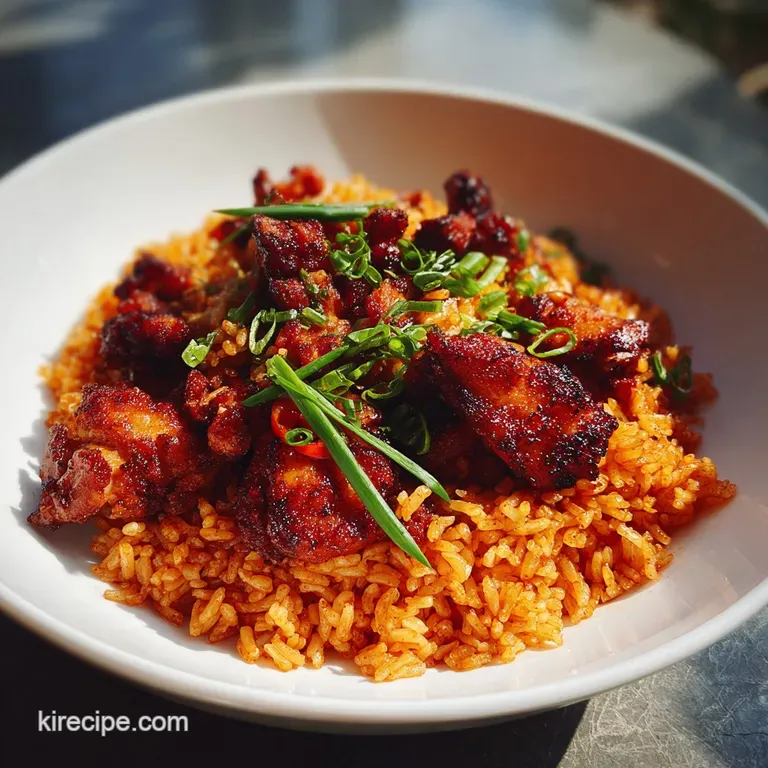
Phase 1: The Flavor Foundation
Whisk the gochujang, soy sauce, rice vinegar, honey, sesame oil, and ginger in a small bowl. Note: This ensures the thick chili paste is fully emulsified before it hits the heat.
Phase 2: The Searing Point
Toss the cubed chicken breast with cornstarch and black pepper. Add 1 tbsp neutral oil to a large pot over medium high heat.
Phase 3: The Golden Crust
Brown the chicken in the oil for 3-4 minutes until the edges are golden and the starch has turned opaque. Note: Don't worry about cooking it through yet; we just want the texture.
Phase 4: Sautéing Aromatics
Add the minced garlic and the white parts of the green onions. Cook for 1 minute until the garlic is fragrant but not browned.
Phase 5: The Glaze Application
Pour half of the prepared gochujang sauce over the chicken. Stir constantly for 1 minute until the sauce thickens and clings to the meat. Remove the chicken from the pot and set it aside.
Phase 6: Toasting the Grains
Add the 2 cups of short grain rice to the same pot. Stir it through the residual sauce for 2 minutes until the grains look translucent around the edges.
Phase 7: The Simmer
Pour in the 2.5 cups of chicken bone broth and the remaining sauce. Bring to a boil, then immediately turn the heat to the lowest setting.
Phase 8: The Steam Finish
Place the seared chicken back on top of the rice. Cover with a tight lid and simmer for 15 minutes until all liquid is absorbed and the rice is tender.
Phase 9: The Final Rest
Turn off the heat but keep the lid on for 5 minutes. Note: This allows the moisture to redistribute so the rice doesn't stick to the pot.
Phase 10: The Garnish
Fluff the rice with a fork, incorporating the chicken and sauce. Top with the green parts of the onions until the bowl looks vibrant and fresh.
Solving Common Cooking Issues for Fluffy Rice and Chicken
Why Your Rice Is Crunchy
This is almost always a lid issue. If your lid isn't heavy enough, the steam (which does the actual cooking) escapes. Another cause is not rinsing the rice. While short grain rice should be sticky, excess surface starch can sometimes cause the water to turn into a "gel" on the outside of the grain, preventing the core from hydrating.
Why Your Chicken Is Dry
Chicken breast is unforgiving. If you sear it for too long in the beginning, it will be overcooked by the time the rice is done. The goal of the initial sear is just to develop flavor and set the cornstarch. If you're nervous about this, you can always use chicken thighs, which stay juicy even if you over simmer them.
| Problem | Root Cause | Solution |
|---|---|---|
| Burnt Bottom | Heat too high during simmer | Use a heat diffuser or turn the burner to the absolute lowest setting. |
| Mushy Rice | Too much broth | Measure rice and broth accurately; don't "eyeball" the liquid. |
| Bland Flavor | Not enough salt in broth | Taste your bone broth first; if it's unsalted, add a pinch more soy sauce. |
If you are a fan of simpler methods, you might compare this to our Grilled Chicken with Rice recipe, which keeps the components separate but focuses on that charred, smokey finish on the grill.
Common Mistakes Checklist:
- ✓ Never skip the 5 minute rest at the end; it's the difference between fluffy rice and a sticky mess.
- ✓ Don't lift the lid during the 15 minute simmer; you lose the pressure needed to cook the grain.
- ✓ Pat the chicken completely dry before tossing with cornstarch to ensure a "shatter" crisp rather than a gummy coating.
- ✓ Use a neutral oil (like canola or grapeseed) for the sear; olive oil has too low a smoke point for this heat.
- ✓ Rinse the rice until the water runs clear to remove the dusty starch that causes clumping.
Flavor Variations and Ingredient Swaps for Budget Conscious Cooks
Sometimes the pantry is bare, but you still want that Korean inspired hit. You can make a Healthy Korean chicken with rice by swapping the white rice for quinoa or cauliflower rice.
If using cauliflower rice, you'll need to skip the simmering phase and just toss the "rice" in the pan with the chicken and sauce for 5 minutes.
For those who want a Korean fried rice with chicken vibe, you can use day old cold rice. In that version, you'd fry the chicken, remove it, fry the cold rice in the sauce, and then toss everything back together at the end. It's a faster method if you already have leftover grains in the fridge.
| Original Ingredient | Substitute | Why It Works |
|---|---|---|
| Gochujang (3 tbsp) | Chili Garlic Sauce + Honey | Similar heat and sugar profile. Note: Lacks the deep fermented funk of the original. |
| Chicken Bone Broth (2.5 cups) | Water + Bouillon Cube | Saves money. Note: Resulting rice will be less "velvety" but still savory. |
| Rice Vinegar (1 tbsp) | Lime Juice | Provides the necessary acid. Note: Adds a citrusy note that changes the flavor profile slightly. |
If you have kids who can't handle the heat, you can reduce the gochujang to 1 tbsp and increase the honey. It becomes more of a "Korean BBQ" style sweet glaze that still feels authentic but won't burn anyone's tongue. If you want a completely different flavor profile with the same ease, check out the Pillsbury Crescent Roll recipe for a creamy, Western style chicken comfort meal.
Proper Techniques to Refrigerate and Reheat Your Leftover Meals
This rice recipe with korean chicken actually tastes better the next day because the rice has more time to absorb the sauce. However, rice can get dry in the fridge. To store it, wait until it reaches room temperature, then seal it in an airtight container. It will stay fresh for up to 4 days.
For freezing, this dish is a winner. I like to portion it into individual glass containers. It will last about 2 months in the freezer. When you're ready to eat it, don't just microwave it on high. Add a teaspoon of water over the rice, cover it with a damp paper towel, and heat it on 50% power.
The steam from the water and the paper towel will "re fluff" the rice grains.
- Onion Scraps
- Save the hairy ends of the green onions and the garlic skins in a bag in your freezer to make your next batch of bone broth.
- Leftover Sauce
- If you have extra glaze, toss it with roasted broccoli or cauliflower the next night.
- Crispy Rice Bits
- If you do get a "burnt" bottom (called Nurungji in Korea), don't throw it away! It's considered a delicacy. Pour a little hot tea or water over it to make a savory porridge.
Modern Ways to Plate and Present Your One Pot Dinner
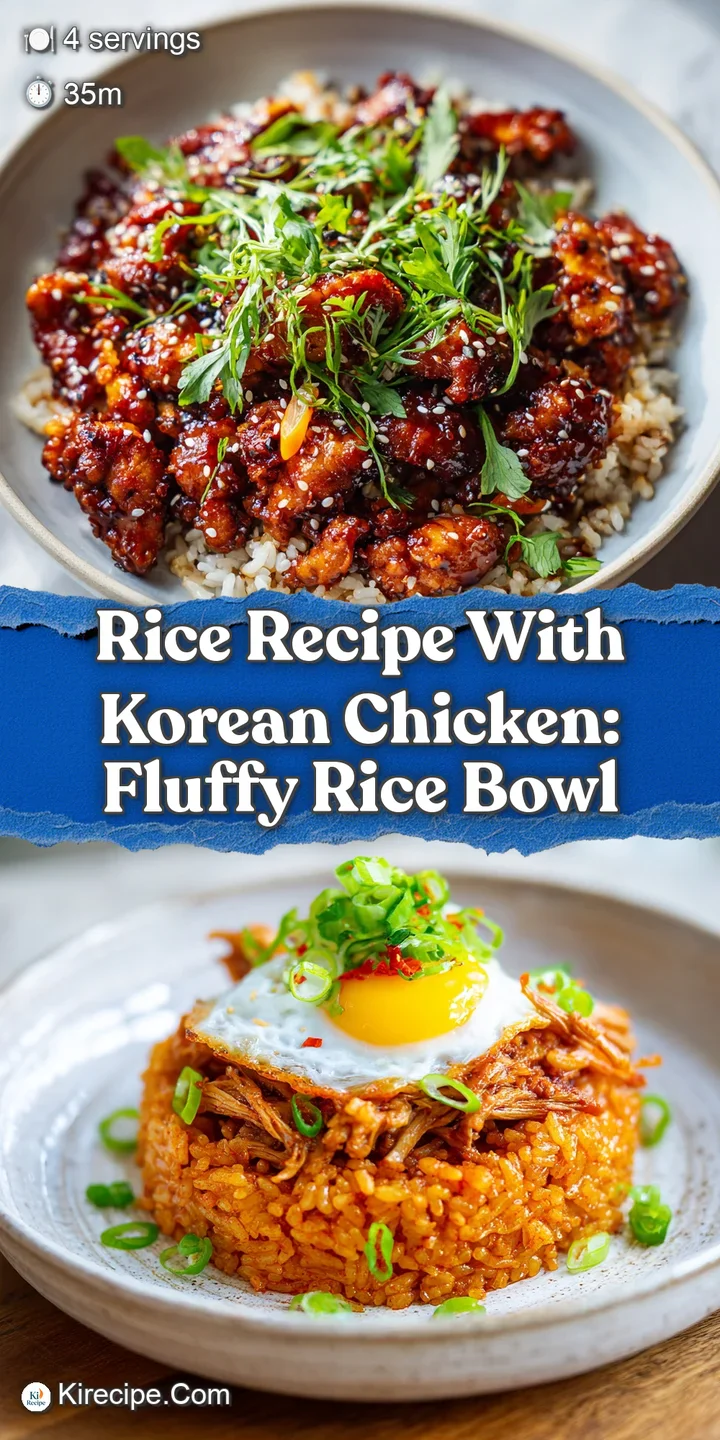
Presentation is everything when you're eating a "bowl" meal. Instead of just plopping it onto a plate, use a wide, shallow bowl. Place the rice in the center and arrange the chicken pieces on top so the glaze is visible.
The contrast between the orange sauce and the bright green onions makes it look like it came from a high end bistro.
I love adding a "jammy" soft boiled egg on the side. The richness of the yolk mixes with the spicy gochujang and creates a whole new sauce on the plate. If you have some toasted sesame seeds, sprinkle them liberally from a height it ensures even coverage and adds a tiny "pop" of texture to every bite.
If you’re serving this to guests, a side of quick pickled cucumbers (thinly sliced cucumbers with sugar, salt, and rice vinegar) provides a cool, crunchy contrast to the warm, spicy rice. For another authentic Hawaiian inspired chicken and rice pairing, you might want to look at the Chicken Long Rice Recipe, which uses glass noodles and ginger for a totally different mouthfeel.
Myths Regarding One Pot Rice Dishes
One of the biggest misconceptions is that you should "stir the rice" while it cooks. This is the fastest way to ruin a rice recipe with korean chicken. Stirring breaks the rice grains and releases starch, which turns your fluffy meal into a gummy paste.
Once that lid goes on, you are forbidden from touching it until the timer goes off.
Another myth is that you must use a rice cooker for "perfect" rice. While rice cookers are great, they don't allow for the Maillard reaction to occur with the chicken and sauce in the same way a hot metal pan does.
The stovetop method gives you those slightly crispy, caramelized edges that a standard rice cooker often misses.
Finally, many people think you can't get a good sear on chicken breast without it getting tough. The truth is that the cornstarch coating and the "steam finish" act as a safety net.
The steam gently finishes the cooking process of the chicken, ensuring it stays at that 165°F (74°C) sweet spot rather than being subjected to dry, direct heat for the entire 25 minutes.
Recipe FAQs
What rice to serve with Korean chicken?
Short grain white rice is recommended. This type has the perfect starch content to become slightly sticky, which helps it hold onto the spicy gochujang glaze.
What sauce goes with Korean chicken and rice?
A gochujang based glaze is essential. This sauce typically combines gochujang, honey, soy sauce, and rice vinegar for a sweet, salty, and spicy finish.
What kind of rice goes with Korean food?
Sticky, medium to short grain white rice is traditional. It pairs well because its neutral flavor and texture absorb the intense sauces perfectly, similar to how it works in our one-pot method.
What goes well with Korean chicken?
A crisp, cooling side dish contrasts nicely. Try quick pickled cucumbers or a fresh slaw to balance the heat and richness of the glazed chicken.
How to ensure the chicken stays juicy when cooked with the rice?
Coat the chicken in cornstarch before searing. This creates a thin barrier that protects the meat from drying out while the rice steams underneath it, a technique also key in Asian velveting methods.
Can I substitute chicken breast with a leaner meat option?
Yes, you can use tofu or very lean pork loin if needed. Tofu requires pressing first to remove excess moisture, just like preparing the meat for our Chopped Almonds and recipe, to ensure it sears properly.
Is it true that I shouldn't stir the rice after adding the liquid?
No, this is a common misconception. You must avoid stirring the rice once the liquid boils and is reduced to a simmer, as stirring releases starch and creates gummy, rather than fluffy, grains.
Korean Chicken Rice Bowl
Ingredients:
Instructions:
Nutrition Facts:
| Calories | 668 kcal |
|---|---|
| Protein | 51.2 g |
| Fat | 9.2 g |
| Carbs | 87.5 g |
| Fiber | 1.8 g |
| Sugar | 8.4 g |
| Sodium | 685 mg |
