Ina Garten Roasted Tomato Soup Recipe
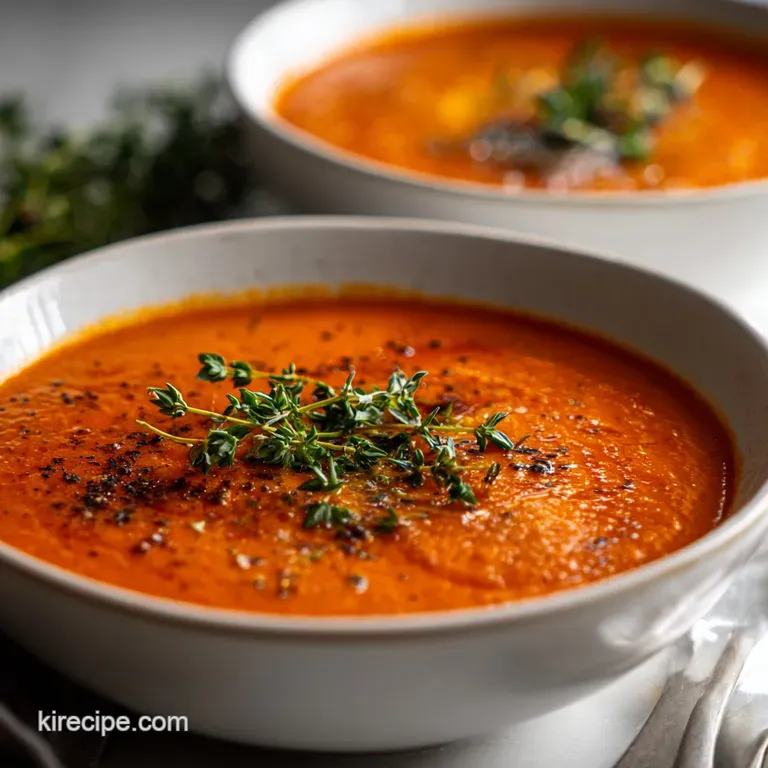
- Time: Active 20 minutes, Passive 1 hours 15 mins, Total 1 hours 35 mins
- Flavor/Texture Hook: Deeply charred sweetness with a silky, herbaceous finish
- Perfect for: A cozy weeknight dinner or impressive weekend lunch
- The Magic Of Ina Garten Roasted Tomato Soup
- The Chemistry Of Concentrated Flavor
- Component Analysis And Roles
- Essential Fresh And Pantry Ingredients
- Required Tools For Smooth Soup
- Step-By-Step Roasting And Simmering
- Solving Texture And Flavor Issues
- Tasty Variations And Add Ins
- Storage And Zero Waste Ideas
- Plating For Maximum Impact
- High in Sodium
- Recipe FAQs
- 📝 Recipe Card
The Magic Of Ina Garten Roasted Tomato Soup
The first time I tried this, the smell of roasting garlic and charred tomato skins nearly drove me wild. I used to think tomato soup was just a sidekick for a grilled cheese, but this version is the main event.
There is something about the way the plum tomatoes slump and caramelize in a hot oven that changes everything. It’s not just soup; it’s a concentrated blast of garden flavor.
Most people struggle with homemade tomato soup because it ends up tasting thin or overly metallic from the can. We aren't doing that here. By roasting fresh plum tomatoes until they sizzle and almost blacken at the edges, we create a base that is naturally sweet and incredibly rich.
It’s a trick I learned after years of mediocre stovetop only recipes, and honestly, I’m never going back.
Right then, let's get into why this specific method works so well. We've got a few tricks up our sleeve, like using a massive amount of fresh basil and a hybrid tomato approach that guarantees success even if your grocery store's "fresh" tomatoes are looking a bit sad.
Trust me on this one, your kitchen is about to smell like a high end bistro.
The Chemistry Of Concentrated Flavor
- Maillard Reaction: Roasting the plum tomatoes at high heat creates new flavor compounds through browning, turning simple sugars into complex, savory notes.
- Caramelization: The natural sugars in the tomatoes and yellow onions break down and sweeten, which naturally balances the fruit's acidity without needing cups of added sugar.
- Emulsification: The small amount of heavy cream interacts with the tomato fibers and fats from the olive oil to create a stable, velvety texture that won't separate.
- Herb Infusion: Simmering the basil leaves directly in the hot chicken stock allows their volatile oils to permeate the entire liquid rather than just sitting on top.
| Tomato Type | Best For | Flavor Profile | Texture Result |
|---|---|---|---|
| Plum (Roma) | Roasting | Balanced acidity | Thick and meaty |
| Beefsteak | Salads | High water content | Can be watery in soup |
| Cherry | Quick Sauté | Very sweet | High skin to flesh ratio |
Roasting the tomatoes is non negotiable here. It reduces the water content and concentrates the pectin, which helps the soup feel thick and luxurious on your spoon without needing a heavy roux or flour thickener. Similar to how we build flavor in my Roasted Basil Chicken recipe, the oven does the heavy lifting while you prep the rest.
Component Analysis And Roles
| Ingredient | Science Role | Pro Secret |
|---|---|---|
| Plum Tomatoes | Pectin Source | Seed them to prevent a bitter, watery finish. |
| Heavy Cream | Fat Buffer | Adds "mouthfeel" and tames the sharp tomato acid. |
| Fresh Basil | Aromatic Oil | Add half during simmer and half at the end for layers. |
| Chicken Stock | Liquid Base | Use low sodium to control the final seasoning punch. |
One mistake I once made was skipping the seeding of the tomatoes. Don't do that. Those little jelly filled seeds contain a lot of liquid that can make your roast steam instead of sear. We want a hard sear to get those caramelized edges.
Essential Fresh And Pantry Ingredients
- 3 lbs plum tomatoes, seeded and halved: Why this? They have the highest meat to juice ratio for roasting. (Substitute: 3 lbs vine ripened tomatoes)
- 1/4 cup extra virgin olive oil: Why this? Conducts heat during roasting and adds a peppery fat base. (Substitute: Avocado oil)
- 1 tbsp kosher salt: Why this? Coarse grains draw out moisture effectively. (Substitute: 1.5 tsp fine sea salt)
- 1 1/2 tsp freshly cracked black pepper: Why this? Provides a subtle, lingering heat. (Substitute: White pepper)
- 2 tbsp unsalted butter: Why this? Softens the onions and adds a dairy richness. (Substitute: Ghee)
- 1 cup yellow onions, chopped: Why this? Provides a foundational sweetness. (Substitute: Shallots)
- 6 cloves garlic, minced: Why this? Essential aromatic depth. (Substitute: 1 tsp garlic powder)
- 1/4 tsp crushed red pepper flakes: Why this? Cuts through the richness of the cream. (Substitute: Cayenne pepper)
- 28 oz canned premium crushed tomatoes: Why this? Provides a consistent, vibrant red base. (Substitute: Whole peeled tomatoes, crushed by hand)
- 4 cups fresh basil leaves, packed: Why this? The signature flavor of this soup. (Substitute: 1 cup basil pesto)
- 1 tsp fresh thyme leaves: Why this? Adds an earthy, floral undertone. (Substitute: 1/2 tsp dried thyme)
- 1 quart chicken stock: Why this? The primary thinning liquid and protein base. (Substitute: Vegetable stock)
- 1/2 cup heavy cream: Why this? Creates that iconic velvety finish. (Substitute: Full fat coconut milk)
Required Tools For Smooth Soup
You don't need a professional kitchen, but a few specific items make this much easier. A heavy duty sheet pan is vital so the tomatoes don't crowd and steam. I prefer a large Dutch oven for the simmering phase because the thick walls prevent the bottom from scorching.
For the blending part, you have two choices. A standard blender will give you the most "shatteringly" smooth, velvety texture, but an immersion blender (the stick kind) is much easier for cleanup.
If you use a standard blender, remember to work in small batches and hold the lid down with a towel hot soup expands!
step-by-step Roasting And Simmering
1. The over High heat Roast
Preheat your oven to 400°F (200°C). Toss the halved and seeded plum tomatoes with olive oil, salt, and pepper on a sheet pan. Note: Spread them in a single layer to ensure they roast rather than steam. Roast for 45 minutes until the skins are wrinkled and slightly charred.
2. Developing The Aromatics
In a large pot or Dutch oven, melt the butter over medium heat. Add the yellow onions and sauté for 10 minutes until they turn translucent and sweet. Add the garlic and red pepper flakes, cooking for 1 minute until the aroma fills the room.
3. The Simmer Phase
Stir in the canned crushed tomatoes, fresh basil, thyme, and chicken stock. Add the roasted tomatoes from the sheet pan, including any juices left behind. Note: This is where the flavor compounds from the oven meet the broth. Bring to a boil and simmer uncovered for 20 minutes until the basil leaves have wilted completely.
4. Creating The Velvety Texture
Process the soup through a food mill or use a blender. If using a blender, fill it only halfway and vent the lid. Note: This step breaks down the tomato skins and basil for a silky finish. Process until no large chunks remain.
5. The Final Flourish
Return the blended soup to the pot. Stir in the heavy cream and heat gently over low flame. Note: Do not let it boil after adding the cream to prevent curdling. Taste and adjust seasoning, adding more salt if the flavors don't "pop" yet. Serve hot with a sprig of fresh basil.
Solving Texture And Flavor Issues
Why Is My Soup Bitter?
If your soup has a sharp, bitter edge, it’s usually because the garlic scorched or the tomatoes weren't ripe enough. You can fix this by adding a tiny pinch of sugar or a bit more heavy cream. The fat in the cream is excellent at neutralizing bitterness.
How To Prevent Grainy Texture
A grainy texture usually comes from not blending the basil or tomato skins long enough. If you’re using an immersion blender, keep it submerged and move it in a slow, circular motion for at least 3-4 minutes. For the smoothest possible result, pass the finished soup through a fine mesh strainer.
| Problem | Root Cause | Solution |
|---|---|---|
| Soup is too thin | Too much stock or watery tomatoes | Simmer uncovered for 15 mins to reduce liquid. |
| Flavor is flat | Lack of acidity or salt | Add a teaspoon of balsamic vinegar or more salt. |
| Cream curdled | Added cream to boiling soup | Keep heat low and stir constantly when adding dairy. |
Common Mistakes Checklist
- ✓ Seeding the plum tomatoes (prevents a watery, bitter soup).
- ✓ Roasting until you see actual char (that's where the flavor lives).
- ✓ Using fresh basil instead of dried (dried basil tastes like hay in this recipe).
- ✓ Venting the blender lid (prevents "soup explosions" from steam pressure).
- ✓ Tasting for salt at the very end (flavors concentrate as the soup simmers).
Tasty Variations And Add Ins
If you want to turn this into a heartier meal, you can easily follow the style of a Carrabba's Chicken Soup recipe by adding cooked orzo or shredded rotisserie chicken at the very end. The orzo soaks up the tomato broth and makes it incredibly satisfying for a cold winter night.
For The Vegetarian Version
This recipe is already close, but to make it fully vegetarian, simply swap the chicken stock for a high-quality vegetable broth. I find that a mushroom based vegetable stock adds a similar "umami" depth that chicken stock provides.
The Grilled Cheese Pairing
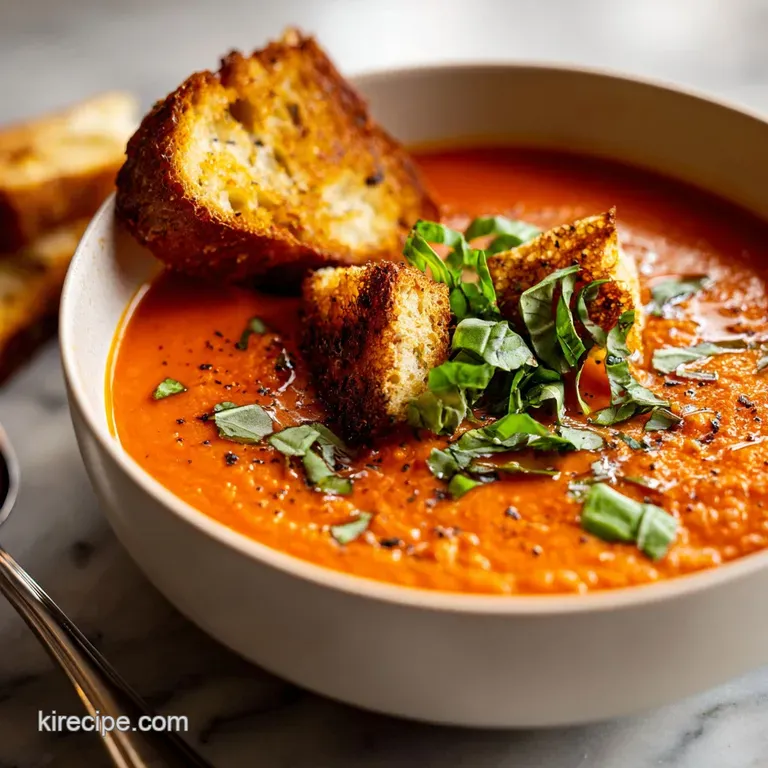
The classic "Ina" way is to serve this with "easy cheesy" croutons or a sharp cheddar grilled cheese. I like to use a sourdough bread and rub a raw garlic clove on the toasted edges before serving. It’s a game changer for the overall experience.
Storage And Zero Waste Ideas
Fridge: Store in an airtight container for up to 5 days. The flavor actually improves on day two as the herbs continue to steep. Freezer: This soup freezes beautifully for up to 3 months. However, if you plan to freeze it, I recommend leaving the heavy cream out.
Add the cream when you reheat the soup on the stove for the best texture.
Zero Waste Tip: Don't throw away those basil stems! You can toss them into the pot during the simmer phase and fish them out before blending. They hold a ton of flavor that usually goes in the bin.
Also, if you have leftover soup that isn't quite enough for a meal, use it as a poaching liquid for fish or a base for a quick pasta sauce.
Plating For Maximum Impact
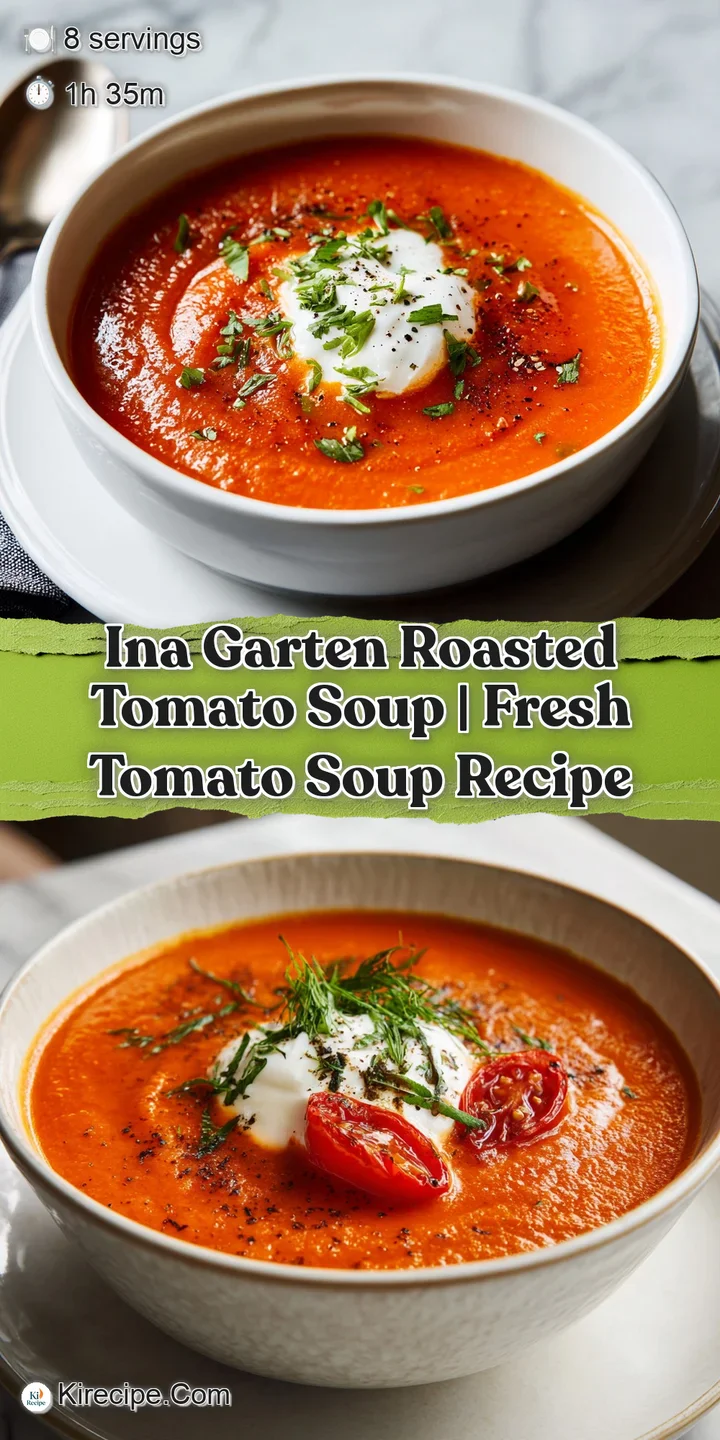
To make this look as good as it tastes, don't just pour it into a bowl and call it a day. A swirl of heavy cream on the surface, a few small basil leaves, and a crack of fresh black pepper make it look like it came from a professional kitchen.
If you have some high-quality olive oil, a tiny drizzle over the top right before serving adds a beautiful sheen and a hit of fresh aroma.
Chef's Tip: Freeze your butter for 10 minutes before dicing it into the onions. This helps it melt more slowly and prevents the milk solids from browning too fast, giving you a cleaner onion flavor.
Finally,, make sure your bowls are warm! There is nothing worse than pouring hot, velvety soup into a cold ceramic bowl. Run them under hot water for a minute and dry them off before serving. It’s the little things that make your homemade version the best roasted tomato soup anyone has ever had. Let's crack on!
High in Sodium
1125 mg mg of sodium per serving (49% of daily value)
The American Heart Association recommends limiting sodium intake to about 2,300mg per day for overall cardiovascular health.
Tips to Reduce Sodium in Your Tomato Soup
-
Low Sodium Broth-30%
Replace regular chicken stock with low-sodium or no-salt added chicken stock. This simple swap can significantly reduce the overall sodium content of the soup.
-
No-Salt Canned Tomatoes-20%
Opt for no-salt added canned crushed tomatoes. Canned tomatoes often contain added sodium; choosing a no-salt option eliminates this unnecessary source.
-
Reduce Added Salt-15%
Decrease the amount of kosher salt initially added to the recipe. Start with 1/2 tablespoon instead of 1 tablespoon and adjust to taste later, if needed.
-
Fresh Herbs
Increase the amount of fresh basil and thyme to enhance the flavor without adding sodium. Consider also adding oregano or marjoram.
Recipe FAQs
What makes Ina Garten's tomato soup special?
The high heat roasting of fresh tomatoes and onions. This caramelizes the natural sugars, providing a deep, concentrated sweetness that transcends standard stovetop soup.
What are common mistakes making tomato soup?
Skipping the seeding of the fresh tomatoes is the biggest error. Seeding prevents the soup from becoming watery and slightly bitter due to the tomato jelly.
Can a person with diabetes eat tomato soup?
Yes, in moderation, focusing on preparation. The main concern is added sugar; this roasted version relies on natural vegetable sweetness, but monitor the amount of starchy additions like orzo.
What are the ingredients in roasted tomato basil soup?
The core ingredients are fresh plum tomatoes, canned crushed tomatoes, heavy cream, chicken stock, and massive amounts of fresh basil. Onion, garlic, butter, and herbs like thyme provide the aromatic foundation.
How to achieve the silkiest texture without a roux?
Blend the soup thoroughly until completely smooth, then strain it through a fine mesh sieve. Using a high powered blender ensures the tomato pectin and skin particles are fully emulsified, much like mastering the texture in our Butternut Squash and recipe.
Is it true you can use store-bought roasted red peppers instead of roasting?
No, substituting roasted red peppers for roasted tomatoes will fundamentally change the flavor profile. store-bought peppers offer a smoky, briny flavor that clashes with the sweet, acidic base this specific recipe aims to achieve.
How to make this soup ahead of time for a dinner party?
Prepare the soup completely, but omit the heavy cream until reheating. Store the cooled, uncreamed soup in the refrigerator for up to 5 days, which allows the flavors to deepen, similar to how aging improves our Ina Garten Make recipe.
Ina Garten Roasted Tomato Soup
Ingredients:
Instructions:
Nutrition Facts:
| Calories | 214 kcal |
|---|---|
| Protein | 3.9 g |
| Fat | 15.8 g |
| Carbs | 17.1 g |
| Fiber | 4.2 g |
| Sugar | 9.4 g |
| Sodium | 1125 mg |
