Ina Garten Horseradish Sauce for Prime Rib with Sour Cream
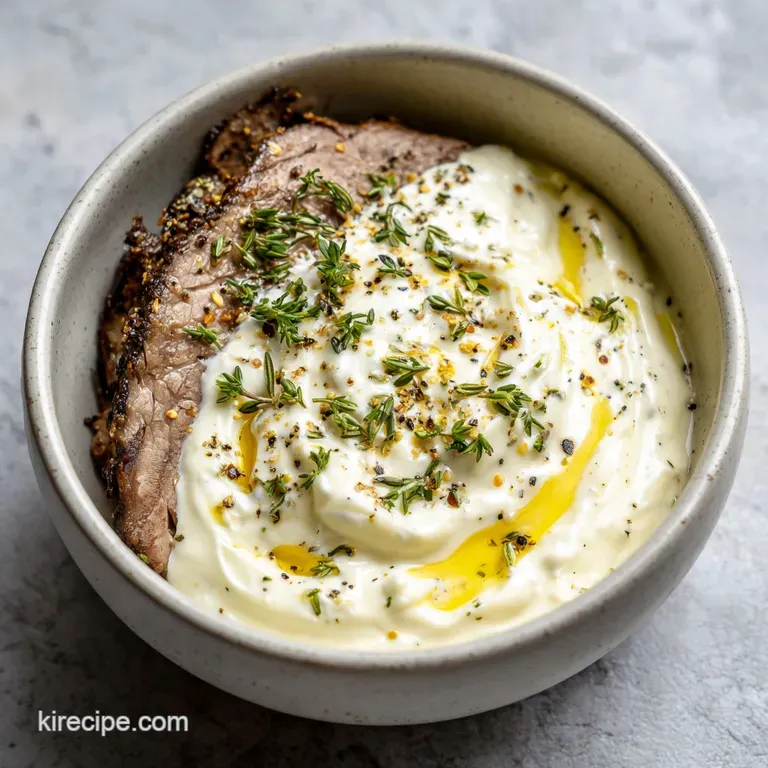
- Time: Active 5 minutes, Passive 0 minutes, Total 5 minutes
- Flavor/Texture Hook: Zippy, cooling, and exceptionally velvety
- Perfect for: Holiday dinners, Sunday roasts, or steak night
- Mastering Ina Garten Horseradish Sauce for Prime Rib with Sour Cream
- Science of Pungency and Texture Balance
- Scientific Breakdown of Key Components
- Selecting Ingredients for Maximum Flavor Impact
- Simple Tools for a Silky Finish
- Executing the Perfect Cold Emulsion Technique
- Solving Common Texture and Heat Issues
- Adjusting Batch Sizes for Large Crowds
- Debunking Widespread Culinary Misconceptions
- Managing Leftovers and Minimizing Waste
- Finishing Touches for Guest Presentation
- Recipe FAQs
- 📝 Recipe Card
Mastering Ina Garten Horseradish Sauce for Prime Rib with Sour Cream
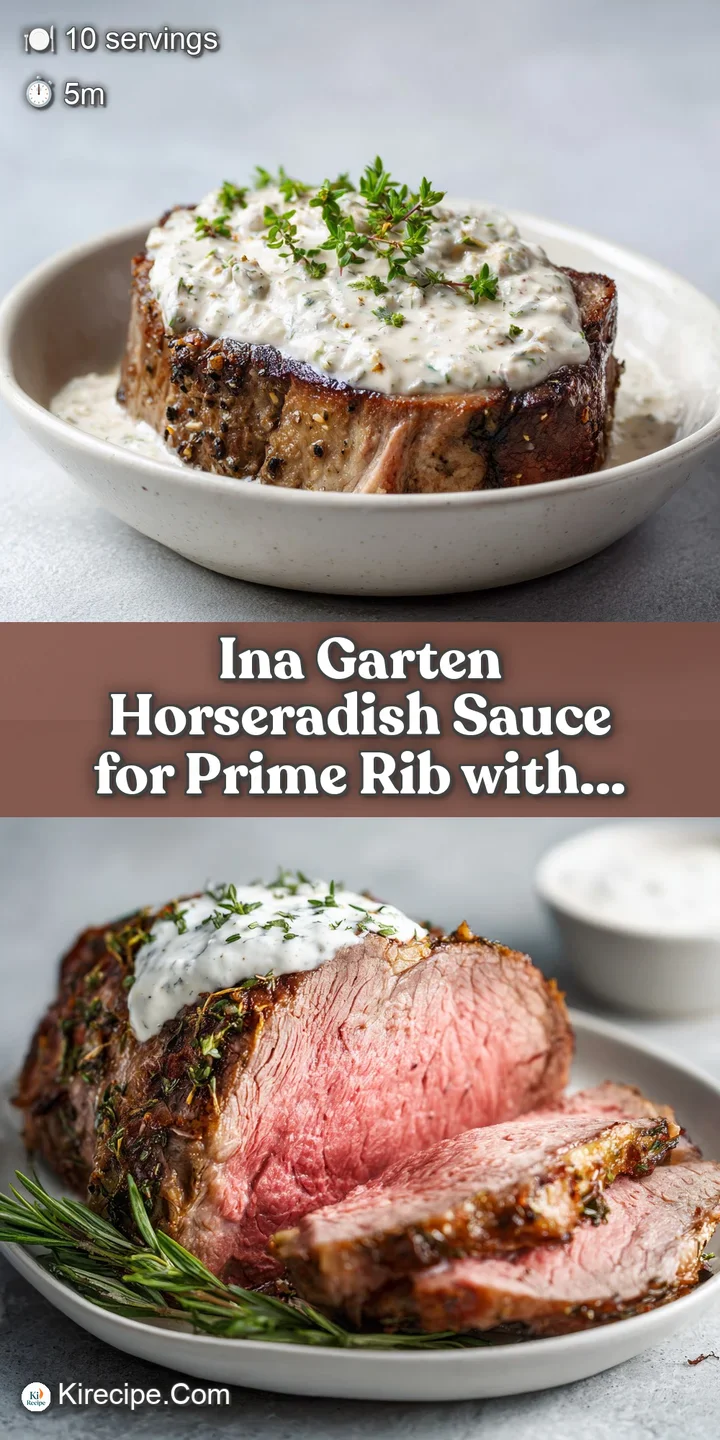
Picture the scene. A salt crusted prime rib is resting on the board, the exterior a deep mahogany brown while the center remains a perfect rosy pink. You slice into it, and that beefy aroma fills the room, but something is missing.
You need that sharp, cold, nose tingling hit that only a proper horseradish cream can provide. I remember the first time I made a roast for my in laws, I bought a generic jar of "horseradish sauce" from the grocery store. It was thick, sweet, and tasted mostly like cheap oil. It was a total letdown.
Since then, I have learned that the best accompaniments are often the simplest. This recipe delivers Ina Garten's delightfully tangy horseradish sauce for prime rib, brightened with sour cream, and it has become my absolute go to.
It's the kind of sauce that makes people scrape the ramekin clean with a piece of crusty bread. It isn't just a condiment; it's a necessary balance to the heavy, savory fats of a high end roast.
The beauty of this version is the balance. You get the heat of the horseradish, but it's cushioned by the full fat sour cream and a tiny bit of mayo. Then, the lemon juice and Dijon mustard step in to provide enough acidity to cut right through the richness of the beef.
It's brilliant, fast, and honestly, once you make it yourself, you will never go back to the bottled stuff again.
Science of Pungency and Texture Balance
Understanding the chemistry of your ingredients helps you control the final punch of the sauce. Horseradish is a fascinating root that behaves quite differently depending on how it's handled and what it's mixed with.
- Sinigrin Activation: When horseradish cells are crushed, they release an enzyme called myrosinase which turns sinigrin into the spicy mustard oil we love.
- Fat Buffering: The high fat content in the sour cream and mayonnaise coats the tongue, slowing the release of the heat and preventing the horseradish from feeling "thin" or overly sharp.
- Acid Stabilization: Lemon juice and mustard provide citric and acetic acids that preserve the white color of the horseradish and stop the heat producing reaction from fading too quickly.
- Cold Infusion: Because we aren't cooking this, the volatile oils remain intact, giving you that immediate sinus clearing effect that subsides quickly into a creamy finish.
| Version | Texture | Heat Level | Best Use |
|---|---|---|---|
| This Homemade Sauce | Velvety & Aerated | Medium High (Adjustable) | Premium Roasts |
| store-bought Jar | Heavy & Oily | Mild/Sweet | Cheap Sandwiches |
| Straight Prepared | Coarse & Watery | Very High | Cocktail Sauce |
The difference in texture between a homemade sauce and a shelf stable bottle is massive. Commercial versions often use stabilizers that make the sauce feel gummy. By whisking this yourself, you incorporate tiny air bubbles that make the sauce feel much lighter on the palate, even though it's packed with rich dairy.
Scientific Breakdown of Key Components
The ingredients in this sauce are chosen for their specific chemical roles. Each one contributes to the structural integrity and the flavor profile that makes the sauce feel professional.
| Ingredient | Science Role | Pro Secret |
|---|---|---|
| Full fat Sour Cream | Structural Base | Use high fat versions to prevent the sauce from weeping water |
| Prepared Horseradish | Flavor Pungency | Drain the liquid thoroughly to keep the sauce thick |
| Dijon Mustard | Chemical Emulsifier | Helps bind the mayo and sour cream for a silky mouthfeel |
| Lemon Juice | pH Balancer | Brightens the fats and prevents the dairy from tasting "flat" |
Every component has a job to do. Without the mustard, the fats can feel heavy. Without the lemon, the sharpness of the horseradish doesn't have a "high note" to cling to. It’s all about creating a full spectrum of flavor that hits every part of your tongue.
Selecting Ingredients for Maximum Flavor Impact
To get that iconic Ina style result, you need to use the right versions of these common pantry staples. Don't grab the low-fat options here; we are serving this with prime rib, so let's lean into the decadence.
- Sour Cream (1 cup / 240g): Use full fat, traditional sour cream. Why this? The fat provides the necessary body to stand up to the beef juices.
- Mayonnaise (2 tablespoons / 30g): Use a high-quality, oil based mayo (like Hellmann's or Duke's). Why this? It adds a subtle sweetness and extra stability that sour cream lacks alone.
- Prepared Horseradish (3 tablespoons / 45g): Look for "extra hot" in the refrigerated section if you can. Why this? Refrigerated brands usually have more volatile oils and better flavor than shelf stable jars.
- Dijon Mustard (2 teaspoons / 10g): Choose a smooth, pale Dijon. Why this? It provides a back end heat that lingers longer than the horseradish.
- Lemon Juice (1 tablespoon / 15ml): Freshly squeezed is non negotiable here.
- Kosher Salt (1/2 teaspoon / 3g): Use Diamond Crystal if possible for a gentler saltiness.
- Black Pepper (1/4 teaspoon / 1g): Freshly cracked is much more aromatic.
- Worcestershire Sauce (1/2 teaspoon / 2.5ml): Adds a savory, umami depth.
| Original Ingredient | Substitute | Why It Works |
|---|---|---|
| Sour Cream | Greek Yogurt (Full fat) | Similar tang and thickness. Note: Slightly more acidic profile. |
| Prepared Horseradish | Fresh Grated Root | Much more intense. Note: Use half the amount and add a splash of vinegar. |
| Dijon Mustard | Spicy Brown Mustard | Similar heat profile. Note: Will add small brown flecks to the white sauce. |
If you happen to have leftovers of this sauce, it's actually fantastic on a sandwich. I've even used a dollop of it on top of a roast beef sandwich similar to the one in this Arbys Beef and recipe, and it completely changes the game.
Simple Tools for a Silky Finish
You don't need a lot of gear for this, but using the right tools makes the process faster and cleaner. I've made this in a cereal bowl with a fork before, and while it works, the texture isn't quite as velvety.
- Medium Glass Mixing Bowl: Glass or stainless steel is best because horseradish and lemon are acidic and can react with some plastics or aluminum.
- Fine Mesh Strainer: This is essential for draining the prepared horseradish. You don't want that extra vinegar water thinning out your sauce.
- Whisk: A small balloon whisk or even a flat roux whisk helps emulsify the mayo and sour cream perfectly.
- Silicone Spatula: To make sure you get every last bit of that "liquid gold" out of the bowl and into your serving dish.
- Citrus Press: To get the most juice out of your lemon without dropping seeds into the cream.
Executing the Perfect Cold Emulsion Technique
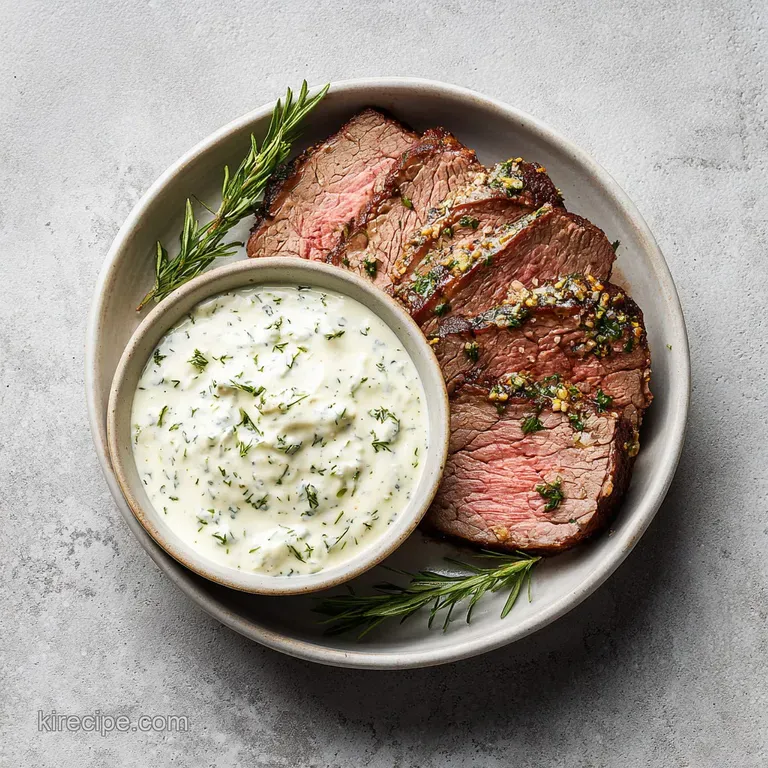
This is a "no cook" recipe, which means the "cooking" is actually just proper assembly and emulsion. Follow these steps to ensure the sauce stays thick and flavorful.
- Drain the horseradish. Place the 3 tablespoons of prepared horseradish into a fine mesh strainer and press with a spoon. Note: This prevents the sauce from becoming watery as it sits.
- Combine the dairy. In your mixing bowl, whisk together the 1 cup of sour cream and 2 tablespoons of mayonnaise until completely smooth.
- Add the aromatics. Stir in the drained horseradish and the 2 teaspoons of Dijon mustard.
- Brighten with acid. Pour in the 1 tablespoon of fresh lemon juice. Whisk until the mixture thickens slightly and looks glossy.
- Season the base. Add the 1/2 teaspoon of kosher salt, 1/4 teaspoon of black pepper, and 1/2 teaspoon of Worcestershire sauce.
- Taste and adjust. Dip a clean spoon in. Does it need more zing? Add a pinch more horseradish. Too sharp? Add a teaspoon of sour cream.
- Transfer to serving dish. Use your spatula to move the sauce into a small ramekin or decorative bowl.
- Chill (The Secret Step). Cover with plastic wrap and refrigerate for at least 30 minutes. Wait until the flavors meld and the sauce firms up.
Chef's Tip: If you like your sauce to have a bit of a "kick" like a Jalapeno Hot Sauce recipe, you can add a tiny pinch of cayenne pepper. It won't change the flavor, but it will heighten the perceived heat of the horseradish.
Solving Common Texture and Heat Issues
Even a simple sauce can go wrong if the ingredients aren't handled correctly. The most common complaint is that the sauce turns into a liquid puddle on the plate.
Why Your Sauce Turned Thin and Watery
This usually happens for two reasons: either the horseradish wasn't drained well enough, or the sour cream was over mixed. Sour cream has a delicate protein structure; if you whisk it too aggressively for too long, it will break and lose its viscosity.
| Problem | Root Cause | Solution |
|---|---|---|
| Sauce is "runny" | Excessive liquid in horseradish | Fold in an extra tablespoon of mayo to tighten it up. |
| Sauce tastes bland | Not enough acid or salt | Add another squeeze of lemon and a tiny pinch of salt. |
| Too much "heat" | Horseradish was extra fresh | Stir in a tablespoon of heavy cream or more sour cream to dilute. |
Common Mistakes Checklist
- ✓ Never skip the draining step for the horseradish; that vinegar liquid will ruin the texture.
- ✓ Use room temperature lemon to get the most juice, but keep the dairy cold.
- ✓ Don't use "horseradish cream" from a jar as a substitute for "prepared horseradish."
- ✓ Prepare the sauce at least 30 minutes before serving so the flavors can develop.
- ✓ Use freshly cracked pepper; pre ground pepper can make the sauce look "dirty" with gray dust.
Adjusting Batch Sizes for Large Crowds
This recipe is very forgiving when you need to scale it up for a holiday party or down for a quiet dinner for two.
- Scaling UP (2x-4x): If you are making a massive batch for a 10lb prime rib, double the sour cream and mayo, but start with 1.5x the salt and horseradish. You can always add more, but it’s hard to take it away once the heat becomes overwhelming.
- Scaling DOWN (1/2): Simply halve everything. For the lemon juice, a heavy squeeze from half a lemon usually equals about 1.5 teaspoons.
- The "Half Egg" Trick: Since this recipe doesn't use eggs, scaling is very straightforward. Just keep your ratios of 4 parts sour cream to 1 part everything else (roughly) as a guide.
Debunking Widespread Culinary Misconceptions
There are a few myths about horseradish that often lead home cooks astray. Let's clear those up.
"Fresh horseradish is always better than prepared." Actually, for a creamy sauce, prepared horseradish is often superior because the vinegar in the jar has already stabilized the heat.
If you use fresh root, the heat can be wildly unpredictable and can turn bitter within minutes if not balanced with enough acid immediately.
"The spice comes from the seeds." Horseradish doesn't have seeds in the root! The "spice" is a chemical reaction. Unlike chili peppers which contain capsaicin, horseradish contains allyl isothiocyanate. This is why the heat hits your nose and sinuses rather than just burning your tongue.
Managing Leftovers and Minimizing Waste
This sauce is quite hardy and stores better than most dairy based condiments.
- Storage: Keep the sauce in an airtight container in the back of the fridge. It will stay fresh for up to 5 days. You might see a little liquid separate on top after a day or two; just give it a gentle stir.
- Freezing: Do not freeze this sauce. The sour cream and mayo will break upon thawing, resulting in a grainy, oily mess that is impossible to fix.
- Zero Waste: If you have a small amount left over, stir it into mashed potatoes the next day. It adds an incredible depth and tang that pairs perfectly with leftover beef. You can also use it as a spread for a roast beef wrap or thin it out with a little milk to use as a zesty dressing for a steak salad.
Finishing Touches for Guest Presentation
Presentation matters, especially when you're serving a centerpiece like prime rib. A bowl of white sauce can look a bit plain if you don't dress it up.
- The Herb Garnish: A sprinkle of finely chopped chives or fresh parsley adds a pop of color that signals "freshness" to your guests.
- The Texture Swirl: Use the back of a spoon to create a spiral in the top of the sauce, then drop a few extra cracks of black pepper right in the center.
- Individual Ramekins: If you want to feel extra fancy, serve individual 2 ounce ramekins for each guest. This prevents "double dipping" and makes the plate look like it came from a high end steakhouse.
- Temperature Contrast: Serve the sauce chilled. The contrast between the hot, seared meat and the ice cold, sharp cream is one of the best sensory experiences in cooking.
Trust me, once you set this on the table next to a perfectly cooked roast, you'll see why it's a staple in so many kitchens. It’s that one "little thing" that makes the whole meal feel complete. Right then, let's get that roast in the oven and start whisking!
Recipe FAQs
How do you make Bobby Flay horseradish sauce?
No, this recipe differs significantly. Bobby Flay's versions often lean heavily on white wine vinegar and are sometimes served warm, whereas Ina Garten's recipe relies on the cooling fat of sour cream for texture and balance.
How do you make Jamie Oliver horseradish sauce?
Observe the dairy choice. Jamie Oliver frequently uses crème fraîche instead of sour cream, providing a slightly richer, less tart base. If you enjoyed mastering the texture in this sauce, see how the same whisking principle applies when balancing fat and acid in our Ground Beef Sweet recipe.
What are the best sauces for prime rib?
Horseradish sauce is essential, but au jus is standard. For a richer, slow cooked pairing, consider developing a deep pan gravy or au jus. If you prefer a cream based contrast but need something spicy, look into techniques used for a sauce like our Cajun Alfredo Sauce recipe, swapping the spice profile.
How to make the perfect horseradish sauce?
Thoroughly drain the prepared horseradish before combining it with the dairy base. This small step prevents weepage and ensures your sauce maintains a thick, velvety consistency that holds its shape on the plate.
Is it true you must use fresh horseradish root for the best flavor?
No, this is a common misconception when using this specific recipe. Prepared horseradish, usually found refrigerated, is ideal here because its heat has been chemically stabilized by vinegar, preventing it from turning bitter when mixed with the dairy.
Can I substitute sour cream with crème fraîche or plain yogurt?
Yes, but adjust other ingredients accordingly. Full fat Greek yogurt is a good swap, but it is more acidic, so you may need a touch more mayonnaise to balance the sharpness. If you are experimenting with other Asian inspired creamy sauces, try the flavor balancing logic from the Ina Garten Italian recipe.
Why does my homemade horseradish sauce taste weak after an hour?
False. The pungency should actually intensify slightly, not weaken. If it weakens, you likely overworked the ingredients or used low-quality prepared horseradish. The best heat comes from the volatile oils, which are preserved by chilling the sauce undisturbed for at least 30 minutes before serving.
Ina Garten Horseradish Sauce
Ingredients:
Instructions:
Nutrition Facts:
| Calories | 70 calories |
|---|---|
| Protein | 0.7 g |
| Fat | 6.9 g |
| Carbs | 1.7 g |
| Fiber | 0.1 g |
| Sugar | 1.1 g |
| Sodium | 134 mg |
