Home Economics Class Cake Recipe
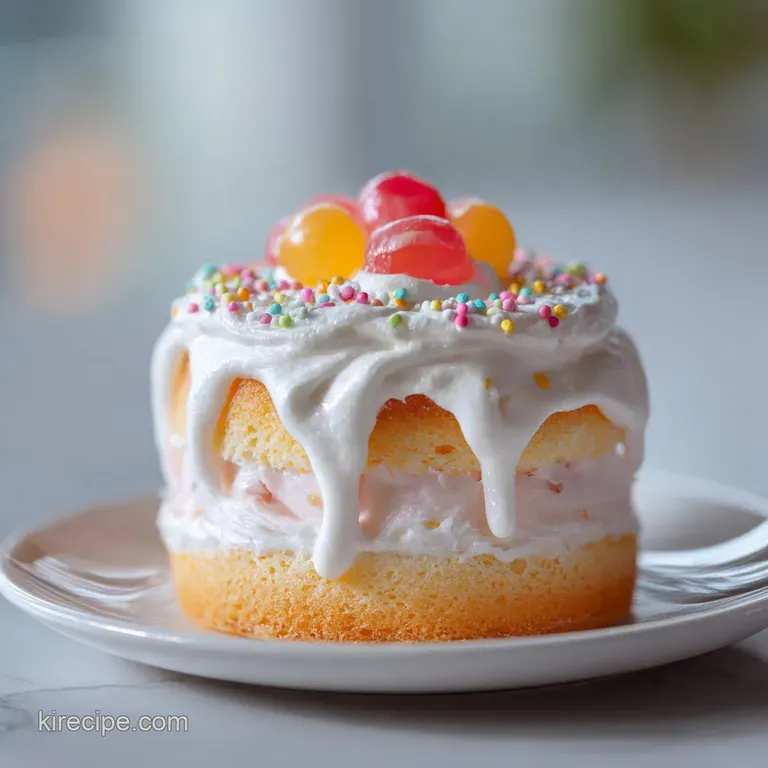
- Time: Active 20 minutes, Passive 30 minutes, Total 50 minutes
- Flavor/Texture Hook: Buttery, velvety, and golden edged
- Perfect for: Beginner bakers and afternoon tea
- Mastering the Home Economics Class Cake Recipe
- The Physics of the Rise
- Performance Data and Decision Tables
- The Molecular Blueprint of Sponge
- Sourcing the Perfect Foundation Elements
- Precision Tools for Baking Success
- Crafting the Velvet Crumb Texture
- Error Prevention and Corrective Action
- Precision Scaling Guidelines
- Debunking Baking Superstitions
- Preservation and Waste Reduction Strategies
- Final Presentation and Pairing Ideas
- Recipe FAQs
- 📝 Recipe Card
Mastering the Home Economics Class Cake Recipe
The air in my middle school kitchen was always thick with the scent of singed flour and industrial floor cleaner, but everything changed the moment the butter and sugar started dancing in the mixer.
I remember peering through the glass oven door, watching my batter transform from a pale puddle into a golden, domed masterpiece that smelled like pure comfort. It was the first time I realized that baking wasn't magic; it was a series of tiny, beautiful chemical reactions that I could actually control.
That first home economics class cake recipe taught me that precision is the ultimate form of love in the kitchen. If you measure your flour with a heavy hand, the cake turns into a brick; if your butter is too cold, the air bubbles won't stand a chance.
This recipe is my refined version of that school classic, stripped of the "good enough" attitude and replaced with the exact science needed to prevent every common failure. We’re aiming for a crumb that doesn't just crumble it shatters softly under a fork.
The Physics of the Rise
- Mechanical Aeration: Beating the 1 cup (225g) unsalted butter with sugar creates millions of microscopic air pockets that expand during baking for a pillowy lift.
- Chemical Leavening: The 1 tbsp (12g) baking powder provides a double action boost, reacting first with the milk's moisture and again when hit by the oven's heat.
- Protein Coagulation: The 4 large eggs (200g) provide the structural "walls" that solidify as they heat, trapping the air and preventing the cake from collapsing.
Performance Data and Decision Tables
Before we start sifting, you need to decide which cooking environment suits your kitchen today. While the oven is the traditional choice for this home economics class cake recipe, modern adaptations allow for different textures depending on the heat source.
| Method | Time | Texture | Best For |
|---|---|---|---|
| Traditional Oven | 30 minutes | Golden, crisp exterior | Layer cakes and tea cakes |
| Stovetop (Water Bath) | 45 minutes | Pale, ultra moist, steamed | Pudding style desserts |
| Air Fryer | 22 minutes | Thick crust, dense center | Small batches (6 servings) |
Choosing the right method depends on how much you value that specific "golden and crackling" edge. For a traditional sponge, the oven's dry heat is non negotiable because it facilitates the Maillard reaction, giving the crust its characteristic toasted flavor.
The Molecular Blueprint of Sponge
Understanding what each component does is the secret to moving from a "recipe follower" to a "baker." This deep dive explains why we use specific weights and temperatures to achieve that signature classroom flavor.
| Component | Science Role | Pro Secret |
|---|---|---|
| All Purpose Flour | Provides gluten structure | Sift three times to aerate |
| Unsalted Butter | Coats proteins to tenderize | Keep at 65°F for plasticity |
| Whole Milk | Dissolves sugar and hydrates | Use room temp to avoid curdling |
Chef's Tip: Freeze your butter for exactly 10 minutes before letting it sit at room temperature. This ensures the core stays cool while the exterior softens, giving you the perfect 65°F temperature for maximum air retention during creaming.
Sourcing the Perfect Foundation Elements
This list is straightforward, but the quality of your ingredients dictates the final fragrance. Avoid using generic "vegetable spreads" here; the high water content will ruin the emulsion.
- 3 cups (375g) All Purpose Flour: The backbone.
- 1 tbsp (12g) Baking Powder: The engine.
- 1/2 tsp (3g) Fine Sea Salt: The flavor enhancer.
- 1 cup (225g) Unsalted Butter: Softened to 65°F.
- 2 cups (400g) Granulated White Sugar: For sweetness and moisture.
- 1 tsp (5ml) Pure Vanilla Extract: For that nostalgic aroma.
- 4 Large Eggs (200g): Must be room temperature.
- 1 cup (240ml) Whole Milk: Provides the velvety liquid base.
| Original Ingredient | Substitute | Why It Works |
|---|---|---|
| Unsalted Butter | Solid Coconut Oil | High fat content. Note: Adds a slight tropical nuttiness to the crumb. |
| Whole Milk | Full fat Oat Milk | Similar viscosity. Note: Results in a slightly sweeter, earthier finish. |
| All Purpose Flour | Cake Flour | Lower protein. Note: Creates an even more delicate, fragile texture. |
If you find yourself craving a richer profile, this base is remarkably similar to the one used in my Chocolate Cream Cheese recipe, which swaps some of the milk for fat heavy dairy.
Precision Tools for Baking Success
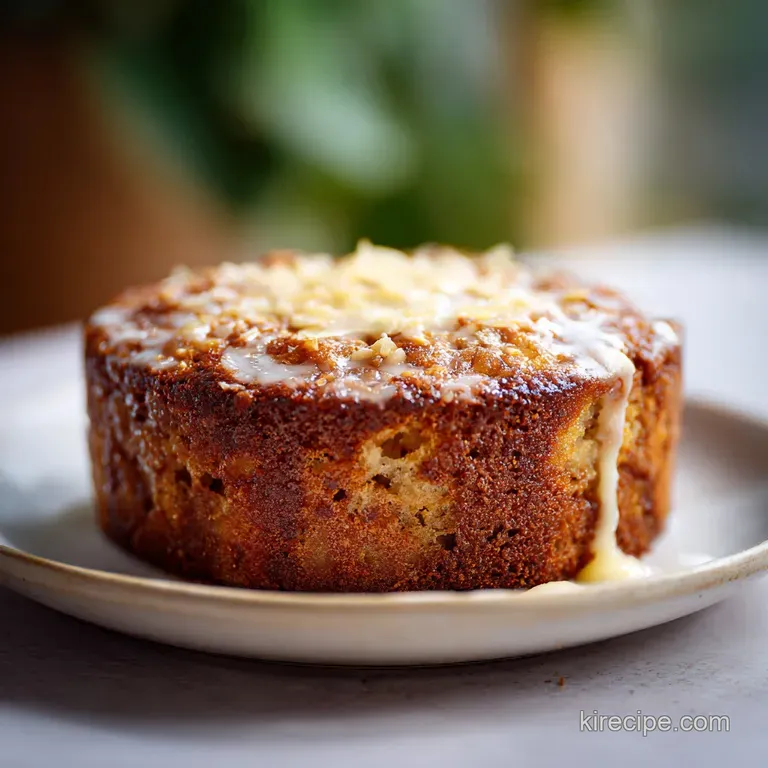
You don't need a professional laboratory, but a few specific tools make this class cake recipe much easier to manage. A kitchen scale is your best friend here, as measuring flour by the cup is the fastest way to end up with a dry, bready result.
- Digital Scale: Essential for the 375g of flour.
- Fine Mesh Sieve: For aerating the dry base.
- Stand Mixer: Such as a KitchenAid, for the high volume creaming stage.
- Rubber Spatula: For folding and scraping the bowl.
- 9 inch Cake Pans: Two pans, greased and lined with parchment.
Crafting the Velvet Crumb Texture
Follow these steps with precision. The order of operations is designed to prevent gluten over development while ensuring the fat is perfectly suspended in the liquid.
1. The Sift and Prep Phase
Whisk together the 3 cups of flour, baking powder, and sea salt. Note: Sifting prevents clumps and ensures the leavening is distributed evenly.
2. The High Volume Creaming Stage
Beat the 1 cup of butter and 2 cups of sugar for 5 minutes until pale and shimmering. Note: This is where you build the cake's internal architecture.
3. The Liquid Emulsion
Add the 4 eggs one at a time, beating for 60 seconds after each addition. Note: This allows the lecithin in the yolks to bond the fat and water.
4. The Scent and Flavor
Stir in the 1 tsp of vanilla extract. The aroma should be immediate and sweet.
5. The Alternating Folding Technique
Add 1/3 of the dry ingredients, then 1/2 of the milk. Repeat, ending with the dry. Note: This prevents the batter from breaking or becoming rubbery.
6. The Final Pour
Divide the batter between your prepared pans. Smooth the tops until level.
7. The Golden Bake
Bake at 350°F for 30 minutes until the edges shrink slightly from the pan. Note: This visual cue is more reliable than a timer.
8. The Cooling Ritual
Let the pans sit on a wire rack for 10 minutes. The cake will firm up as it cools.
Error Prevention and Corrective Action
Even the best bakers face a sunken center or a tough bite occasionally. Most issues in a simple baking class cake recipe stem from temperature imbalances or over mixing once the flour hits the wet ingredients.
Correcting a Rubbery Crumb
If your cake feels like a sponge ball, you likely over mixed the batter after adding the flour. This develops the gluten (the same stuff that makes bread chewy), which is the enemy of a tender cake. Next time, use a "folding" motion with a spatula for the final steps.
| Problem | Root Cause | Solution |
|---|---|---|
| Sunken Center | Underbaked or too much powder | Use an oven thermometer; check for 205°F internal temp. |
| Coarse, Greasy Texture | Butter was too soft/melted | Ensure butter is 65°F; it should dent but not shiny. |
| Dense, Heavy Base | Eggs were added too fast | Add eggs one-by-one; beat thoroughly to emulsify. |
Common Mistakes Checklist
- ✓ Ensure eggs are truly room temperature (submerge in warm water for 5 mins if needed).
- ✓ Never skip the parchment paper lining; it guarantees a clean release.
- ✓ Preheat your oven for at least 20 minutes before the pans go in.
- ✓ Use a toothpick to check doneness, but trust the "spring back" touch more.
- ✓ Avoid opening the oven door during the first 20 minutes of baking.
Precision Scaling Guidelines
Whether you're baking for a small tea party or a large school event, adjusting this oil based home economics cake recipe requires careful math to maintain the chemical balance.
- Scaling Down (1/2 Batch): Use 2 eggs and a 6 inch pan. Reduce baking time by 5-7 minutes.
- Scaling Up (2x Batch): Double all ingredients, but use 1.5x the salt. Bake in separate batches rather than overcrowding the oven to ensure even air circulation.
- Cupcake Conversion: Fill liners 2/3 full. Bake at 375°F for 18-22 minutes until the tops are springy.
For a more elaborate presentation, you could use this base for a Berry Chantilly Cake recipe, as the sturdy structure handles the weight of mascarpone cream beautifully.
Debunking Baking Superstitions
Many believe that sifting flour is an optional step for "fancy" bakers. In reality, sifting removes the packed down density from the bag, ensuring your "3 cups" isn't actually 4 cups by weight. It’s about volume accuracy, not just removing lumps.
Another common myth is that all "room temperature" ingredients are the same. In baking science, "room temperature" for butter is actually quite cool (65°F), whereas for milk and eggs, it means roughly 70°F.
If your butter is as warm as your milk, it will lose its ability to hold air.
Preservation and Waste Reduction Strategies
Proper storage is the difference between a moist treat and a dry disappointment. This cake is high in fat, which helps it stay fresh, but air is still the enemy.
- Fridge Storage: Wrap tightly in plastic wrap. It stays moist for up to 5 days.
- Freezing: You can freeze un frosted layers for 3 months. Thaw in the fridge overnight before using.
- Zero Waste Tip: If the edges get too dry, crumble the leftovers and mix with a little frosting to make cake pops. You can also toast slices in butter for a "cake crouton" topper for ice cream.
Final Presentation and Pairing Ideas
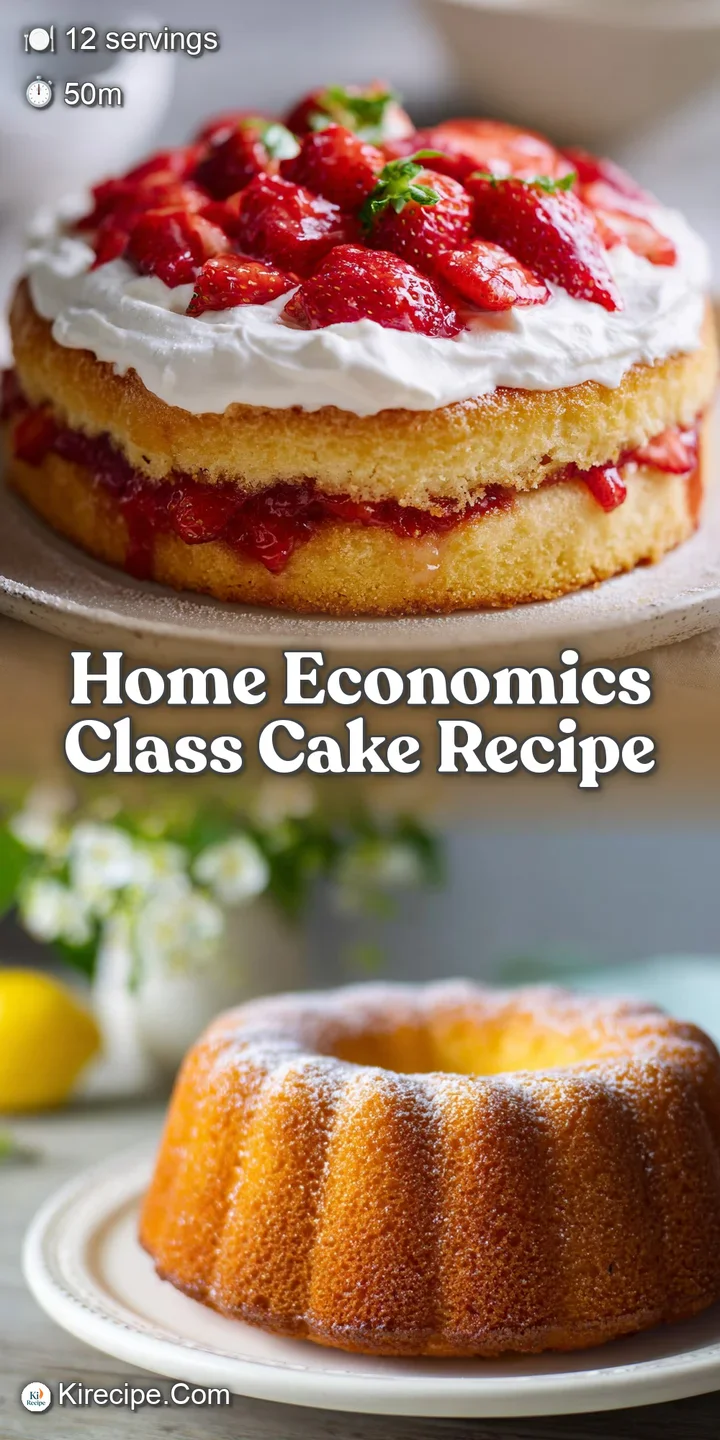
This retro home economics cake is a blank canvas. While a simple dusting of powdered sugar is classic, a thin layer of raspberry jam between the rounds adds a sharp acidity that cuts through the buttery crumb.
Serve this with a cold glass of milk or a strong Earl Grey tea. If you want to lean into the school baking class cake theme, a dollop of loosely whipped cream and a few fresh berries make it feel like a sophisticated upgrade to a childhood favorite.
Trust me, the smell in your kitchen will be better than any candle you can buy.
Recipe FAQs
Is the cake guaranteed to be moist if I use room temperature eggs?
Yes, room temperature eggs are crucial for moisture retention. Cold eggs shock the creamed butter/sugar mixture, causing it to curdle and preventing a stable emulsion.
How to prevent the cake from becoming dense or rubbery?
Stop mixing immediately once the last flour streak disappears. Overmixing develops gluten, leading to toughness; use a spatula for the final incorporation of dry ingredients.
Should I substitute whole milk with low-fat milk for this recipe?
No, sticking with whole milk ensures the best texture. The higher fat content in whole milk coats the starch proteins, guaranteeing the velvety crumb this classic recipe promises.
How to tell if the cake is fully baked without a thermometer?
Gently touch the center of the cake; it should spring back softly. If your finger leaves a dent, the internal structure hasn't fully set yet and needs a few more minutes.
Is it true that creaming butter and sugar for 5 minutes is excessive?
No, 5 minutes of high speed creaming is the minimum requirement here. This process whips in necessary air pockets that create the cake's lift; if you stop early, the cake will be heavy.
Can I substitute baking soda for the specified baking powder?
No, substituting baking soda directly will throw off the pH balance. Baking powder is double acting and provides the required lift without requiring an acidic component like buttermilk, which is necessary if you use soda.
How can I adapt this recipe for a crispier exterior, similar to a pound cake?
Bake in a smaller, well greased metal pan and reduce the oven temperature slightly. This focuses the heat transfer onto the exterior, similar to the technique used in our OCharleys Potato Soup Recipe for developing a deep crust on starches.
Home Economics Cake Recipe
Ingredients:
Instructions:
Nutrition Facts:
| Calories | 414 kcal |
|---|---|
| Protein | 6.1 g |
| Fat | 17.8 g |
| Carbs | 58.2 g |
| Fiber | 0.8 g |
| Sugar | 33.5 g |
| Sodium | 117 mg |
