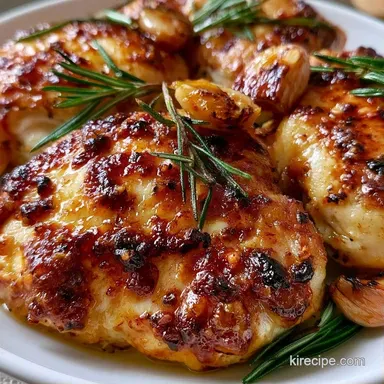
Crispy Thighs with Rosemary and Garlic: Pan-Seared
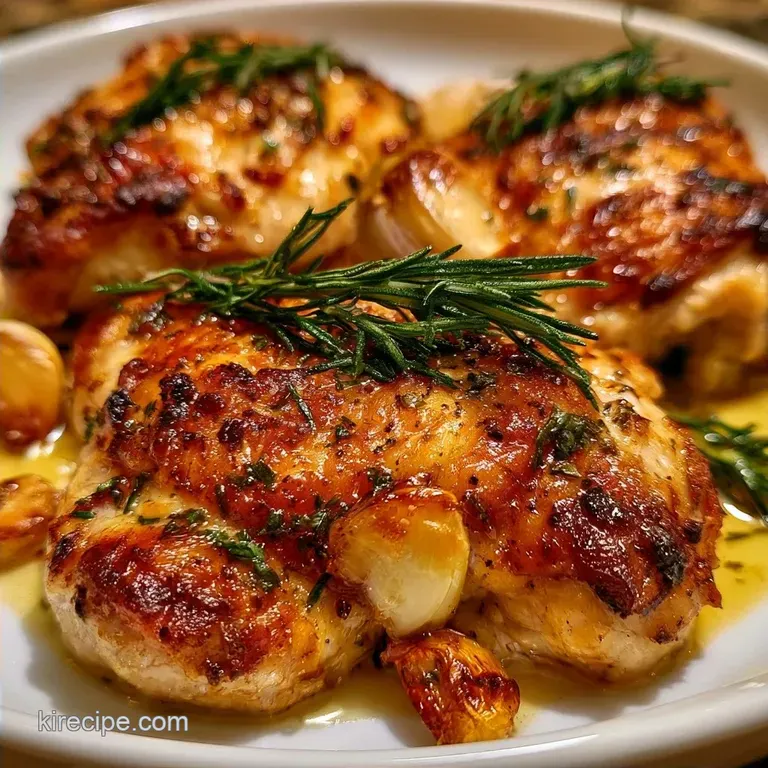
- Time: 10 min prep + 30 min cook = Total 40 mins
- Flavor/Texture Hook: Shatter crisp skin with a velvety, lemon butter finish
- Perfect for: A flavor packed weeknight dinner that feels like a bistro meal
- Crispy Rosemary Chicken Thighs Guide
- Component Analysis
- Ingredients & Substitutes
- Essential Kitchen Tools
- Bringing It Together
- Fixing Common Problems
- Troubleshooting Common Issues
- Making It Your Own
- Adjusting the Batch Size
- Truths About Searing
- Storage and Zero Waste
- Best Pairing Ideas
- Recipe FAQs
- 📝 Recipe Card
That specific, high pitched hiss when the skin finally hits its stride in the pan is my favorite sound in the kitchen. I remember the first time I tried to make this, I followed some "professional" advice to get the oil smoking hot before adding the meat. What happened?
The outside charred in seconds, but the inside was basically raw, and the skin was tough instead of crispy. I almost gave up on the whole thing.
Then I stumbled upon the cold start method. The first time it worked, I remember staring at the pan in disbelief. The skin didn't just brown, it transformed into this gold, glass like layer that actually crackled. Once I realized that patience with the fat rendering was the secret, everything changed.
If you've been struggling with rubbery skin or dry meat, this is for you. We're making Rosemary Chicken Thighs that actually live up to the hype. Trust me on this, the cold pan is the real hero here. Let's crack on.
Crispy Rosemary Chicken Thighs Guide
Fat Rendering: Starting in a cold pan melts the subcutaneous fat slowly, which fries the skin in its own oil. This prevents the meat from seizing up too quickly.
Surface Moisture: Water is the enemy of a sear. By removing every drop of moisture, we avoid steaming the meat and instead get an immediate, deep brown crust.
Aromatic Infusion: Butter acts as a carrier for the rosemary and garlic. Since these flavors are fat soluble, basting them over the chicken pushes the aromatics deep into the skin.
Acid Balance: The lemon juice added at the end cuts through the richness of the butter and chicken fat. It wakes up the whole dish and keeps it from feeling too heavy.
| Method | Time | Texture | Best For |
|---|---|---|---|
| Cold Pan Sear | 30 mins | Shatter crisp | Maximum skin crunch |
| Oven Roast | 45 mins | Tender/Browned | Large batches |
| Air Fryer | 20 mins | Dry/Crispy | Single servings |
Component Analysis
| Ingredient | Science Role | Pro Secret |
|---|---|---|
| Bone in Thighs | Thermal Buffer | The bone prevents the meat from overcooking |
| Fresh Rosemary | Essential Oils | Roughly chop to release oils without burning |
| Unsalted Butter | Flavor Carrier | Use high fat European butter for a silkier baste |
| Lemon Juice | pH Balancer | Squeeze fresh to avoid the bitter "canned" taste |
Ingredients & Substitutes
For the chicken, you'll need 4 bone in, skin on chicken thighs (approx. 2 lbs). Why this? Bone in stays juicy during the long sear. Combine this with 1 tsp Kosher salt and 1/2 tsp cracked black pepper.
Why this? Coarse salt draws out moisture better. You'll also need 1 tbsp olive oil to get things started.
For the aromatics, grab 3 sprigs of fresh rosemary, roughly chopped. Why this? Fresh has a piney punch dried lacks. Pair it with 4 cloves of garlic, smashed.
Why this? Smashed garlic infuses butter without burning as fast. Finally, have 2 tbsp unsalted butter and 1/2 lemon, freshly squeezed, ready to go.
| Original Ingredient | Substitute | Why It Works |
|---|---|---|
| Fresh Rosemary | Dried Rosemary | Similar flavor. Note: Use 1 tsp dried; it's more concentrated and can be bitter |
| Unsalted Butter | Ghee | Higher smoke point. Note: Lacks the creamy "milk solid" nuttiness |
| Olive Oil | Avocado Oil | Neutral flavor, high heat. Note: Works perfectly for searing |
| Lemon Juice | White Wine | Adds acidity. Note: Adds a fermented depth but less "bright" than lemon |
I once tried using dried rosemary in a butter baste, and it felt like eating pine needles. If you have to use the dried stuff, crush it between your palms first to wake up those dormant oils. Honestly, don't even bother with low-fat butter here, it just doesn't hold up to the heat.
Essential Kitchen Tools
You don't need a fancy setup for this, which is why I love it. A heavy bottomed stainless steel or cast iron skillet is non negotiable. I use a Lodge cast iron because it holds heat like a beast. If you use a thin non stick pan, you'll likely lose that deep mahogany color because the temperature drops too fast.
A pair of sturdy tongs is a must for flipping. I also suggest having a few paper towels handy for the drying phase. If you're feeling fancy, a meat thermometer will give you peace of mind, but the "release" of the skin is usually the best cue.
Bringing It Together
Phase 1: The Dry Prep
Pat the chicken thighs bone dry using paper towels on both sides until the skin feels tacky. Note: This is the most important step for crispiness. Season generously with salt and pepper, pressing the seasoning into the skin with your fingers to make sure it sticks.
Phase 2: The Slow Sear
Place the chicken thighs skin side down in a cold skillet and turn the heat to medium. Let the chicken sizzle undisturbed for 12-15 minutes until the skin is a deep mahogany color and releases easily from the pan. Don't peek or poke them, just let the fat render.
Phase 3: The Garlic Rosemary Baste
Flip the thighs over. Push the chicken to the side and add the butter, smashed garlic, and chopped rosemary to the center of the pan. Once the butter foams and smells nutty, tilt the pan and baste the chicken with the aromatic butter for about 5-8 minutes.
Final Touch
Squeeze the fresh lemon juice over the thighs during the last minute of cooking. This deglazes the pan slightly and coats the skin in a zesty, velvety finish. Remove from heat and let them rest for 5 minutes.
Chef's Note: If you want a deeper flavor, add a pinch of smoked paprika to the salt and pepper mix. It gives the skin a reddish hue and a subtle campfire vibe that pairs great with the rosemary.
Fixing Common Problems
Troubleshooting Common Issues
| Issue | Solution |
|---|---|
| Skin still soggy | This usually happens because of excess moisture or overcrowding the pan. If the thighs are touching, they steam each other instead of searing. |
| Why does my rosemary taste bitter | Rosemary can burn if it hits the pan too early. Only add the herbs during the butter baste phase. If you add them at the start, they'll fry in the chicken fat for 20 minutes and turn acrid. |
| Why is the meat dry | You might be cooking them too long after the flip. Since we spent so much time on the skin side, the second side cooks much faster. Check the internal temp; 165°F (74°C) is the target. |
Common Mistakes Checklist:
- ✓ Did you pat the skin bone dry?
- ✓ Did you start the chicken in a cold pan?
- ✓ Did you resist the urge to flip early?
- ✓ Did you add the rosemary only at the end?
- ✓ Did you let the meat rest for 5 minutes?
Making It Your Own
If you're feeling adventurous, you can easily pivot this recipe. For a "forest" vibe, swap the rosemary for fresh thyme and sage. It's a bit more earthy and works beautifully if you're serving this with mashed potatoes.
For a diet swap, you can replace the butter with a high-quality ghee or coconut oil, though you'll lose that specific milky aroma. If you want more heat, add a pinch of red pepper flakes to the butter baste.
If you're looking for a different way to use chicken, you might like my Garlic Cream Sauce recipe, which is an absolute bomb on grilled proteins.
Adjusting the Batch Size
When you're cooking for just two people, use a smaller skillet so the butter doesn't spread too thin and burn. You can reduce the cooking time by about 20% on the second side, as smaller batches often heat through faster.
If you're doubling the recipe for a dinner party, do not crowd one pan. Work in batches or use two separate skillets. If you use one giant pan, the temperature will plummet, and you'll end up with boiled chicken instead of seared chicken.
Also, only increase the salt and rosemary to 1.5x rather than 2x to avoid overpowering the meat.
Truths About Searing
Many people believe that searing "locks in the juices." This is a total myth. Searing creates a crust for flavor and texture, but it doesn't actually create a waterproof seal. The juiciness comes from not overcooking the meat and letting it rest.
Another common misconception is that you need a professional kitchen to get "restaurant style" skin. All you really need is a heavy pan and a cold start. According to the experts at Serious Eats, controlling the temperature is more important than the equipment you use.
Storage and Zero Waste
Store your leftovers in an airtight container in the fridge for up to 4 days. To reheat, avoid the microwave if you can, as it will turn that crispy skin into rubber. Instead, pop them in a 400°F (200°C) oven for 5-10 minutes to bring the crunch back.
For the freezer, these thighs last about 3 months. Freeze them cooled and wrapped tightly in foil. Thaw in the fridge overnight before reheating in the oven.
To keep things zero waste, don't toss those bones! After you've eaten the meat, simmer the bones with some onion and carrot scraps to make a base for my Chicken Noodle Soup Stock. It's a great way to squeeze every bit of value out of your groceries.
Best Pairing Ideas
These Rosemary Chicken Thighs are quite rich, so you need something acidic or fresh to balance them. I love serving them alongside a crisp arugula salad with a lemon vinaigrette. The peppery greens cut right through the butter.
If you want something heartier, roasted root vegetables are the way to go. Toss some carrots and parsnips in the same pan after the chicken is done to soak up all those leftover rosemary garlic juices. It's a total cheat code for flavor.
For a more comforting meal, a side of garlic mashed potatoes or a wild rice pilaf works beautifully. The velvety texture of the potatoes complements the shatter crisp skin of the chicken perfectly.
Recipe FAQs
How do I make sure my Rosemary Chicken Thighs have really crispy skin?
Pat the skin bone dry with paper towels until tacky. Place the thighs skin side down in a cold skillet and let them sizzle undisturbed for 12 15 minutes.
Can I marinate the Rosemary Chicken Thighs overnight?
No, avoid overnight marinating. Excess moisture on the skin prevents the deep mahogany crunch required for this recipe.
What’s the best way to check if the chicken thighs are done without drying them out?
Use an instant read thermometer in the thickest part. Pull the meat from the heat once it hits 165°F (74°C) to ensure it stays juicy.
Can I substitute dried rosemary for the fresh in this recipe?
Yes, but use only one-third of the amount. Dried herbs are more concentrated and can easily overpower the dish if used in equal measure.
How long will leftovers of this Rosemary Chicken last in the fridge?
Store in an airtight container for up to 4 days. To restore the crunch, reheat them in a 400°F oven for 5 10 minutes rather than using a microwave.
Is it true that rosemary is naturally bitter when cooked?
No, this is a common misconception. Rosemary only tastes acrid if it burns; prevent this by adding the herbs only during the butter baste phase.
What should I serve with these chicken thighs?
Pair them with a rich, creamy side. They go exceptionally well with homemade mac and cheese to balance the herbal and citrus notes.
Crispy Rosemary Chicken Thighs