Authentic Butter Chicken Recipe: Classic Indian Dish
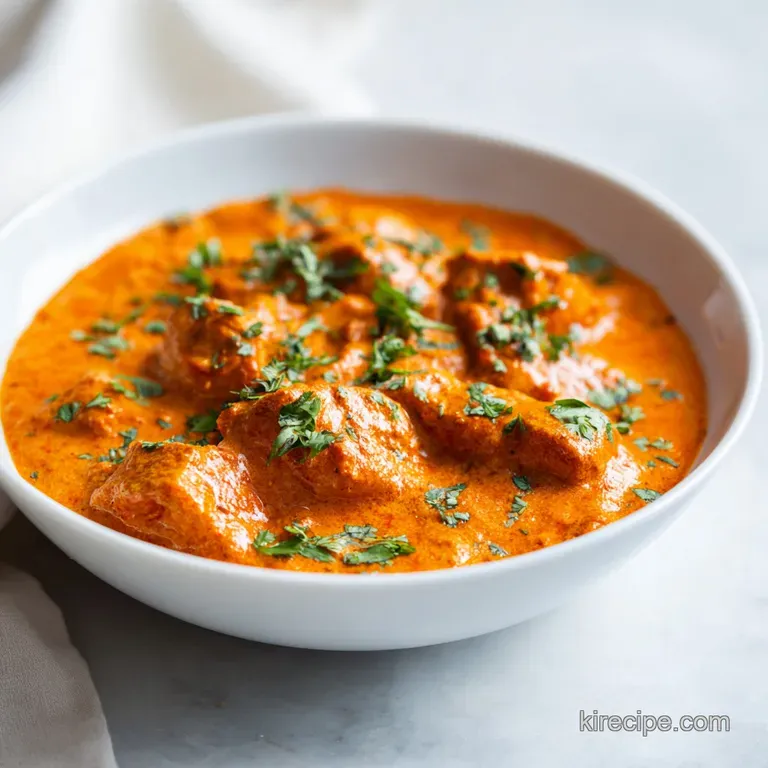
- Time: Active 30 minutes, Passive 40 minutes, Total 1 hours 10 mins
- Flavor/Texture Hook: Silky, buttery sauce with char grilled smoky chicken
- Perfect for: Weekend family feasts or impressive dinner parties
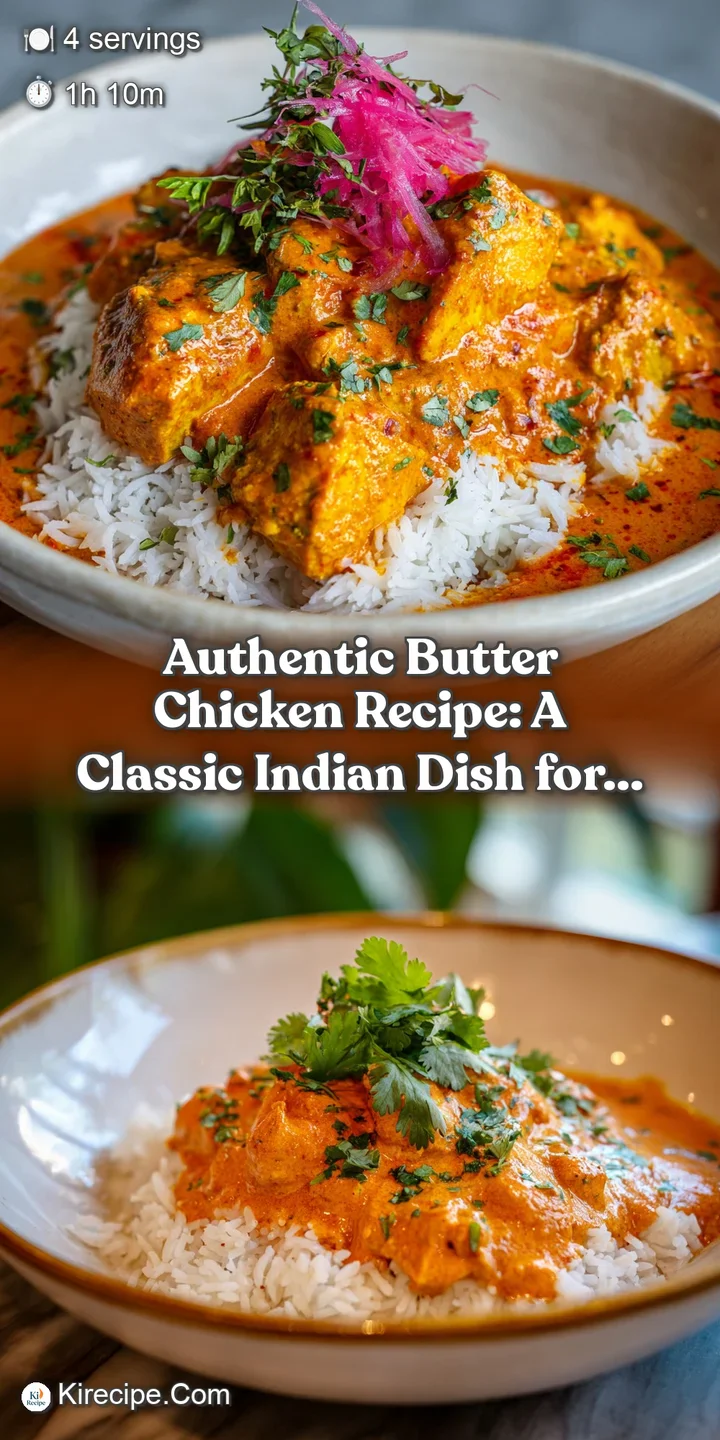
- Authentic Butter Chicken Recipe: A Classic Indian Dish
- Reasons This Specific Curry Hits Different
- Component Analysis of Key Ingredients
- Ingredients for a Flavorful Makhani Sauce
- Essential Tools for a Silky Sauce
- Simple Steps for Tandoori Style Results
- Expert Tricks for Balanced Spice Notes
- Creative Twists on Traditional Flavors
- Keeping Your Leftovers Fresh and Tasty
- Perfect Sides for an Authentic Meal
- Recipe FAQs
- 📝 Recipe Card
Authentic Butter Chicken Recipe: A Classic Indian Dish
The moment the toasted kasuri methi hits the warm sauce, your entire kitchen transforms. It starts with that specific, nutty aroma that makes your mouth water before you even grab a spoon.
I remember the first time I tried to make this, I ended up with a grainy, orange soup that tasted more like canned tomatoes than the legendary Murgh Makhani I’d had in Delhi. It was frustrating, but it taught me that the secret isn't just in the spices, it's in the emulsion.
This authentic butter chicken recipe delivers a classic Indian dish you'll want to make again and again. We’re skipping the watery takeout shortcuts and focusing on the layers of flavor that actually matter.
You’ll get that signature deep red color from Kashmiri chili and a sauce so smooth it coats the back of a spoon like liquid silk. It’s the kind of meal that makes everyone at the table go quiet after the first bite because they’re too busy enjoying the texture.
We aren't just tossing chicken in a pan here. We are treating the poultry to a two stage bath of lemon juice and spiced yogurt, then finishing it in a sauce that relies on cold butter and cashew paste for body.
By the time you’re done, you’ll have a dish that looks like it came from a professional kitchen but feels like home. Let’s get into the details of why this method works so well compared to the basic versions you might have tried before.
Reasons This Specific Curry Hits Different
There is a big difference between a standard curry and a true Makhani. While many recipes use a simple simmer, this version relies on a few core principles of food science to create that restaurant quality finish. It's about how the fats interact with the acids to keep everything balanced. Unlike a quick Grilled Chicken with Rice recipe where the focus is on a fast sear, this dish is all about the integration of the sauce and the protein.
- Acid Pre Treatment: The lemon juice in the first marinade breaks down tough muscle fibers on the surface, allowing the second, yogurt based marinade to penetrate deeper into the meat.
- Casein Emulsification: Using cold cubes of unsalted butter at the very end creates a stable emulsion with the tomato acidity, resulting in a glossy sheen instead of a greasy oil slick.
- Starch Suspension: The cashew paste acts as a natural thickener that stays stable under heat, providing a creamy mouthfeel that dairy alone can't replicate.
- Capsaicin Balance: Kashmiri red chili powder is used primarily for its vibrant pigment and mild warmth, ensuring the dish is colorful without being painfully hot.
| Chicken Thickness | Internal Temp | Rest Time | Visual Cue |
|---|---|---|---|
| 1.5 inch Chunks | 165°F (74°C) | 5 minutes | Opaque throughout with slight char |
| 1 inch Chunks | 165°F (74°C) | 3 minutes | Firm to touch and juices run clear |
| Large Breasts | 165°F (74°C) | 8 minutes | No pink remains in the thickest part |
Mixing the chicken chunks properly ensures they don't dry out while the sauce simmers. If you cut them too small, they'll turn into stringy bits; keep them at that 1.5 inch sweet spot for the best results.
Component Analysis of Key Ingredients
Understanding the "why" behind your shopping list changes how you cook. Every item in this list has a specific job to do, from tenderizing the meat to providing that signature velvety finish. We aren't just looking for heat; we're looking for a specific type of richness that defines this classic Indian dish.
| Ingredient | Science Role | Pro Secret |
|---|---|---|
| Greek Yogurt | Lactic acid tenderizer | Use full fat to prevent the marinade from breaking under heat. |
| Roma Tomatoes | Acidic base and pectin | Strain the puree through a fine mesh sieve to remove every trace of seeds. |
| Raw Cashews | Fat based thickener | Soak them in boiling water for 15 minutes to get the smoothest possible paste. |
| Cold Butter | Emulsifying agent | Keep it in the fridge until the very last second to ensure it melts slowly. |
These components work together to build a sauce that is both light and incredibly rich. The tomatoes provide the structure, while the cashews and butter provide the luxury.
Ingredients for a Flavorful Makhani Sauce
You’ll want to gather everything before you start, as the sauce making process moves quickly once the aromatics hit the pan. Here is exactly what you need for four generous servings.
- 1.5 lbs chicken thighs (boneless, skinless, cut into 1.5 inch chunks). Why this? Thighs stay juicy during the double cooking process compared to breasts.
- Substitute: Chicken breasts (will be slightly drier).
- 1 tbsp lemon juice. Why this? Essential for the first marinade to tenderize the meat fibers.
- Substitute: Lime juice.
- 1 tsp Kashmiri red chili powder. Why this? Provides that iconic deep red color with mild, manageable heat.
- Substitute: 1/2 tsp paprika mixed with 1/2 tsp cayenne.
- 0.5 tsp salt. Why this? Draws out moisture and seasons the meat from within.
- Substitute: Sea salt.
- 0.5 cup thick Greek yogurt (full fat). Why this? Acts as a buffer and carrier for the spices in the second marinade.
- Substitute: Sour cream (adds more tang).
- 1 tbsp ginger garlic paste. Why this? The foundational aromatic duo of Indian cuisine.
- Substitute: Freshly grated ginger and minced garlic.
- 1 tsp garam masala. Why this? Adds warmth and complexity through toasted spices.
- Substitute: A mix of ground cumin, coriander, and cinnamon.
- 1 tsp mustard oil. Why this? Adds a traditional pungent note to the marinade.
- Substitute: Avocado oil or vegetable oil.
- 2 lbs ripe Roma tomatoes (pureed and strained). Why this? Provides the bulk and necessary acidity for the sauce.
- Substitute: 28 oz can of crushed tomatoes, pureed and strained.
- 2 oz unsalted butter (cold and cubed). Why this? Creates the glossy, velvet finish when whisked in at the end.
- Substitute: Ghee (will be richer but less creamy).
- 0.25 cup raw cashews (soaked and blended). Why this? The secret to a thick sauce without using excessive flour or starch.
- Substitute: Blanched almonds.
- 2 green chilies (slit). Why this? Adds a fresh, floral heat without making the sauce spicy.
- Substitute: Half a serrano pepper.
- 1 inch ginger (julienned). Why this? Provides a bright, spicy crunch in the finished dish.
- Substitute: 1/2 tsp ginger powder (not recommended for texture).
- 1 tbsp kasuri methi (toasted and crushed). Why this? The "soul" of butter chicken; adds a smoky, maple like aroma.
- Substitute: Dried celery leaves (last resort only).
- 0.5 cup heavy cream. Why this? Mellows the tomato acidity and adds the final layer of luxury.
- Substitute: Full fat coconut milk (adds a tropical note).
- 1 tsp honey. Why this? Balances the sharp tang of the tomatoes and yogurt.
- Substitute: Granulated sugar or maple syrup.
Essential Tools for a Silky Sauce
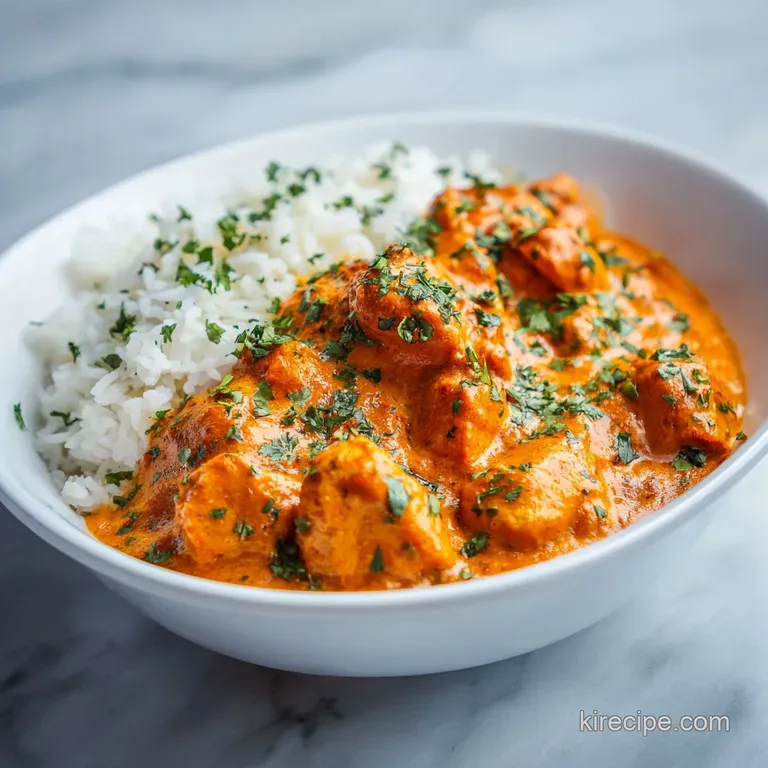
Having the right gear makes a huge difference in achieving that smooth texture. You don't need a high end kitchen, but a few specific items will save you a lot of effort.
- Fine Mesh Sieve: This is non negotiable for straining the tomato puree to remove skins and seeds.
- Heavy Bottomed Skillet or Dutch Oven: Prevents the delicate tomato butter sauce from scorching.
- High Speed Blender: Necessary for turning soaked cashews into a liquid smooth paste.
- Whisk: Used for emulsifying the cold butter into the hot sauce at the final stage.
- Cast Iron Skillet: If you are using the stovetop method for the chicken, this provides the best char.
Simple Steps for Tandoori Style Results
Follow these phases to ensure your chicken is flavorful and your sauce is professional grade. Don't rush the marination; it's where the tenderness comes from.
The Double Marination Science
- Start the first marinade. Toss the 1.5 lbs chicken chunks with 1 tbsp lemon juice, 1 tsp Kashmiri chili powder, and 0.5 tsp salt. Note: This initial step breaks down the surface proteins so the next layer of flavor can soak in.
- Apply the second layer. Mix 0.5 cup Greek yogurt, 1 tbsp ginger garlic paste, 1 tsp garam masala, and 1 tsp mustard oil into the chicken. Marinate for at least 30 minutes until the chicken looks pale and fully coated.
Phase 1: The Tandoori Style Char
- Cook the chicken. Arrange chicken on a tray and bake at 400°F (200°C) for 15 minutes until the edges are blackened and the meat is firm. Alternatively, sear in a hot cast iron skillet in batches to avoid steaming.
- Prepare the cashew paste. Blend the 0.25 cup soaked cashews with a splash of water until the mixture is completely smooth with no grit.
Phase 2: The Velvety Makhani Foundation
- Simmer the tomatoes. Pour the 2 lbs strained tomato puree into a heavy pot. Cook over medium heat for 15-20 minutes until the sauce thickens and the raw smell disappears.
- Add aromatics and paste. Stir in the julienned ginger, slit green chilies, and the cashew paste. Cook for 5 minutes until the sauce looks glossy and starts to bubble.
Phase 3: Finishing The Masterpiece
- Integrate the chicken. Add the charred chicken chunks into the tomato base. Simmer for 5 minutes until the chicken is heated through and the flavors meld.
- The butter emulsion. Turn the heat to low. Whisk in the 2 oz of cold, cubed butter one piece at a time until the sauce develops a brilliant sheen.
- The final touch. Stir in 0.5 cup heavy cream, 1 tsp honey, and the crushed 1 tbsp kasuri methi. Taste and adjust salt if needed until the balance of sweet, tangy, and savory is reached.
Expert Tricks for Balanced Spice Notes
Getting the spice right is about more than just heat; it's about the timing of when those flavors hit your tongue. If the sauce feels too sharp, it usually needs more fat or a tiny bit more sweetness to round it out. This is a bit more complex than the spice profile of a Spicy Chicken rice soup recipe, as we are looking for a lingering warmth rather than a quick burn.
Signs of Perfect Sauce
You'll know you've nailed the texture when the sauce doesn't run across the plate. It should be thick enough to hold its shape but fluid enough to be scooped up easily with naan. Look for that "makhani" glow, which comes from the proper emulsification of the butter and cream.
If it looks dull, you might have overheated it, causing the fats to separate.
Common Mistakes to Avoid
- Grainy Sauce: This happens if you skip straining the tomatoes or don't blend the cashews long enough.
- Curdling: If you add the yogurt or cream to a boiling sauce, it will break. Always lower the heat first.
- Lack of Aroma: If you forget to toast the kasuri methi in a dry pan for 30 seconds before crushing it, you lose 50% of the flavor.
| Problem | Root Cause | Solution |
|---|---|---|
| Sauce is too thin | Tomatoes weren't reduced enough | Simmer uncovered for 10 more minutes or add more cashew paste. |
| Bitter aftertaste | Burned ginger garlic paste | Always add paste to warm, not scorching, oil and stir constantly. |
| Sauce is orange, not red | Used standard chili powder | Switch to Kashmiri chili or add a tiny drop of beet juice. |
Common Mistakes Checklist:
- ✓ Strain your tomato puree through a fine sieve to remove all seeds.
- ✓ Use cold butter cubes at the very end to create a glossy emulsion.
- ✓ Toast the kasuri methi in a small pan until fragrant before crushing.
- ✓ Don't overcrowd the pan when charring the chicken to ensure a good sear.
- ✓ Always use full fat yogurt to prevent the marinade from separating.
Creative Twists on Traditional Flavors
If you want to change things up, you can adjust the richness or the base protein while keeping the same cooking technique. Butter chicken is surprisingly flexible once you understand the sauce structure.
Diet Friendly Swaps
For a lighter version, replace the heavy cream with full fat Greek yogurt swirled in at the very end. You can also swap the butter for a smaller amount of ghee. If you are going dairy-free, full fat coconut milk and cashew butter work brilliantly, though the flavor profile will lean slightly more toward a Southern Indian style.
Regional Flavor Twists
Some versions from Northern India include a bit of honey or even a splash of orange juice to emphasize the sweetness of the tomatoes. In more "Peshawari" styles, you might find a heavier emphasis on black pepper and less on the chili.
If you want a smokier finish, place a piece of glowing charcoal in a small metal bowl, set it on top of the curry, drop a teaspoon of ghee on the coal, and cover the pot for 2 minutes.
| Stovetop Char | Oven Roast | Impact on Flavor |
|---|---|---|
| Faster, better crust | Hands off, more even | Stovetop adds more "smoky" notes. |
| Requires batches | All at once | Oven keeps the meat slightly juicier. |
| Harder to clean | Easy cleanup | Both are excellent for this recipe. |
Keeping Your Leftovers Fresh and Tasty
Butter chicken is famously better the next day because the spices have more time to penetrate the meat. However, reheating it requires a gentle touch so the sauce doesn't break and turn oily.
- Fridge Storage: Keep it in an airtight container for up to 3 days. The sauce will thicken significantly as it cools.
- Freezer Guidelines: This freezes remarkably well for up to 2 months. Thaw it completely in the fridge before reheating.
- Reheating Trick: Never microwave this on high. Use a saucepan over low heat and add a splash of water or milk to loosen the sauce. Whisk gently as it warms to bring back the emulsion.
- Zero Waste: Use leftover gravy as a base for a "Makhani Pizza" or swirl it into scrambled eggs for an incredible breakfast.
Perfect Sides for an Authentic Meal
To truly honor this classic Indian dish, you need something to soak up that incredible sauce. While rice is a standard, there are other pairings that can elevate the experience.
The Classic Pairing Choice
Garlic Naan is the gold standard here. The charred, chewy bread is designed to scoop up the thick gravy. If you're keeping it simple, a bowl of long grain Basmati rice, steamed with a few green cardamom pods and a bay leaf, provides a fragrant, neutral base that lets the chicken shine.
A Refreshing Side Option
Because the sauce is so rich, you need a crisp contrast. A simple Kachumber salad (diced cucumbers, tomatoes, and red onions with lemon and cilantro) provides a necessary hit of acid.
A side of cooling Raita yogurt mixed with roasted cumin and grated cucumber also helps reset the palate between those rich, buttery bites.
If you are looking for a different kind of comfort meal later in the week, you might enjoy my Pillsbury Crescent Roll recipe, which offers a completely different texture profile but is just as satisfying. For those who prefer a liquid based meal with a bit of a kick, try the Spicy Chicken rice soup recipe to keep things interesting.
Recipe FAQs
What is the key secret to preventing the butter chicken sauce from looking oily or greasy?
Use cold butter cubes at the very end of cooking. Whisking cold fat slowly into the hot, acidic sauce creates a stable emulsion, resulting in a glossy, velvety sheen rather than separated oil.
How to achieve true Tandoori style char on the chicken without an actual tandoor oven?
Bake the marinated chicken at 400°F (200°C) for 15 minutes. This high heat mimics the intense dry heat of a tandoor, providing necessary surface charring before it enters the sauce.
Is it true I must use Kashmiri chili powder, or can I substitute it entirely?
No, substitution affects color significantly. Kashmiri chili is used mainly for its vibrant red pigment and mild heat; using standard cayenne will make the dish too spicy for an authentic flavor profile.
How to make the sauce creamy and thick without making it heavy or grainy?
Blend soaked raw cashews into a very smooth paste. This naturally thickens the sauce with fat and starch, providing the signature luxury texture found in restaurant versions.
How long should I marinate the chicken for the best results?
Marinate for a minimum of 30 minutes, ideally longer. The double marinade, especially the yogurt layer, needs time to break down the muscle fibers to ensure tenderness during the final cook.
What is the role of Kasuri Methi (dried fenugreek leaves) in this dish?
Kasuri Methi adds the essential smoky, maple like aroma that defines butter chicken. Toast it lightly in a dry pan until fragrant before crushing it over the finished sauce to maximize flavor release.
What is the best technique to reheat leftover butter chicken without breaking the sauce?
Reheat gently on the stovetop over low heat while whisking slowly. Always add a splash of water or whole milk to help loosen the thickened sauce and bring the emulsion back together smoothly.
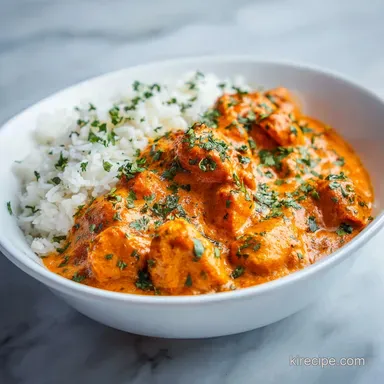
Authentic Butter Chicken Recipe
Ingredients:
Instructions:
Nutrition Facts:
| Calories | 549 kcal |
|---|---|
| Protein | 41.2 g |
| Fat | 36.3 g |
| Carbs | 16.8 g |
| Fiber | 2.6 g |
| Sugar | 8.4 g |
| Sodium | 485 mg |
