Wet Lemon Pepper Wing Sauce: Zesty and Buttery
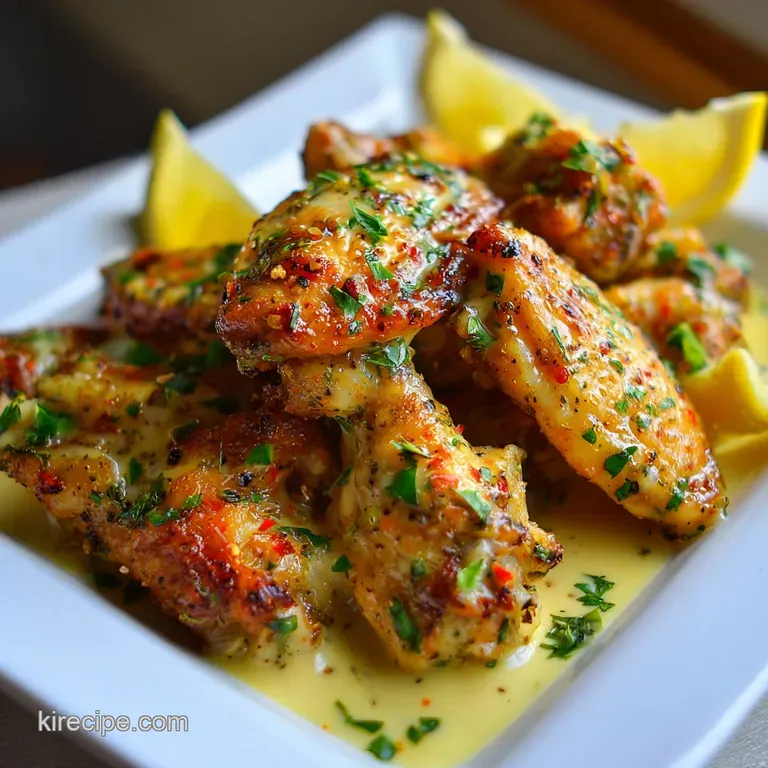
- Time: Active 5 minutes, Passive 5 minutes, Total 10 minutes
- Flavor/Texture Hook: Zesty, buttery, and incredibly velvety
- Perfect for: Game day gatherings or a quick weeknight flavor boost
- Making the Wet Lemon Pepper Wing Sauce Recipe
- Why This Emulsion Stays Silky
- Ingredient Component Analysis
- Selecting the Best Ingredients
- Essential Kitchen Tools List
- Step-By-Step Coating Instructions
- Solving Common Sauce Issues
- Adjusting Your Sauce Volume
- Budget Versus Premium Choices
- Kitchen Myths About Citrus
- Storing Your Leftover Sauce
- Perfect Presentation Techniques
- Recipe FAQs
- 📝 Recipe Card
Making the Wet Lemon Pepper Wing Sauce Recipe
If you’ve ever found yourself in Atlanta, you know that "lemon pepper wet" isn't just a menu item; it's a cultural landmark. It started in the small, neighborhood wing spots where locals demanded a version of the classic dry rub that felt more indulgent and slick.
The magic happens when the sharp, floral notes of lemon meet the richness of high fat butter, creating a sauce that is both bright and heavy in the best way possible.
I remember the first time I tried to recreate this at home; I just melted butter and dumped in seasoning. It was a greasy mess that pooled at the bottom of the bowl. This wet lemon pepper wing sauce recipe is different because we treat the butter with respect, building a stable emulsion that actually sticks to the chicken.
It’s the difference between a puddle of oil and a professional glaze that shatters expectations.
We are going for that specific, mouth watering zing that makes your lips tingle just a little. By simmering the fresh lemon juice with a touch of honey first, we create a concentrated base that holds onto the butter, ensuring every bite is packed with citrus punch.
It's quick, it's fuss free, and honestly, you'll never go back to the bottled stuff once you see how easy it is to get that authentic "wet" finish.
Why This Emulsion Stays Silky
The Beurre Monté Technique: By whisking cold butter into a warm liquid base one tablespoon at a time, we create a stable fat in-water emulsion. This prevents the sauce from "breaking" or separating into a greasy layer, resulting in a velvety coating that stays thick.
Acid Reduction: Simmering the lemon juice and honey first reduces the water content and concentrates the citric acid. This creates a "syrup" that acts as a stronger anchor for the butter solids, making the final sauce much more vibrant and punchy.
Aromatic Blooming: Letting the seasonings sit in the warm sauce for two minutes allows the volatile oils in the pepper and garlic to release into the fat. This ensures the flavor is deep and integrated rather than just sitting on top of the tongue.
Sugar Stability: A small amount of honey provides more than just sweetness; it acts as a stabilizer. The sugars help thicken the base slightly, which provides extra surface area for the butter droplets to cling to during the whisking process.
| Wing Thickness | Target Finish | Rest Time | Visual Cue |
|---|---|---|---|
| Standard Flat | 165°F | 3 minutes | Skin is golden and tight |
| Large Drumette | 170°F | 5 minutes | Juices run clear when poked |
| Extra Large | 175°F | 5 minutes | Meat pulls easily from bone |
When you are aiming for that perfect wing, remember that the sauce works best on skin that is bone dry and crispy. If you are looking for another high impact condiment to add to your rotation, you might find my jalapeno hot sauce provides the perfect spicy contrast to this citrusy glaze.
Ingredient Component Analysis
| Ingredient | Science Role | Pro Secret |
|---|---|---|
| High Fat Butter | Provides the primary "wet" texture and carries flavor. | Use European style butter for a lower water content and slicker finish. |
| Fresh Lemon Juice | Acts as the acidic base to cut through the fat. | Roll the lemon on the counter before squeezing to break the membranes. |
| Lemon Pepper Seasoning | Adds the signature savory spice profile. | Always choose a salt free version so you can control the seasoning yourself. |
| Honey | Functions as an emulsifier and flavor balancer. | Agave works well too if you want a more neutral sweetness. |
Choosing the right ingredients is the foundation of any great sauce. For example, using a high-quality beurre blanc sauce technique as inspiration is exactly why this wing glaze feels so much more sophisticated than a standard melted butter dip.
Selecting the Best Ingredients
- 2 large lemons: We need both the zest and the juice for maximum impact. Why this? The zest contains essential oils that provide a floral aroma the juice lacks.
- 1 tbsp honey: This balances the sharp acidity of the citrus. Why this? Honey helps the sauce adhere to the wings by adding slight viscosity.
- 1/2 cup unsalted high fat butter: This is the heart of the "wet" texture. Why this? Unsalted butter allows you to manage the saltiness of the lemon pepper seasoning.
- 1 tsp garlic powder: Adds a savory, umami backbone to the sauce. Why this? Powder distributes more evenly in a smooth sauce than fresh minced garlic.
- 1/2 tsp onion powder: Provides a subtle depth and sweetness. Why this? It rounds out the sharp edges of the lemon and black pepper.
- 2 tbsp salt free lemon pepper seasoning: The main flavor driver. Why this? Salt free versions prevent the sauce from becoming overwhelmingly briny.
- 1 tsp freshly cracked black pepper: Adds a biting, floral heat. Why this? Freshly cracked pepper has much more oils and aroma than pre ground.
- 1 pinch kosher salt: Enhances all the other flavors. Why this? A tiny amount of salt makes the citrus notes pop.
| Original Ingredient | Substitute | Why It Works |
|---|---|---|
| Honey | Maple Syrup | Adds a woody sweetness. Note: Will slightly darken the sauce color. |
| Unsalted Butter | Ghee | Provides a nuttier flavor. Note: The sauce will be thinner as ghee lacks milk solids. |
| Lemon Juice | Lime Juice | Creates a "Mexican style" wing. Note: Limes are more acidic; use 25% less juice. |
Essential Kitchen Tools List
You don't need a professional kitchen to pull this off, but a few specific items make the process much smoother. A small, non reactive saucepan is non negotiable. Because lemon juice is highly acidic, using a reactive pan like unlined aluminum can give your sauce a metallic taste.
I always reach for a small stainless steel pot for this.
A fine mesh zester, often called a Microplane, is the best way to get that bright yellow zest without hitting the bitter white pith. If you don't have one, the smallest holes on a box grater will work in a pinch. Finally, a small wire whisk is essential for the emulsification process.
You want to be able to move the butter quickly through the liquid to keep it from separating.
step-by-step Coating Instructions
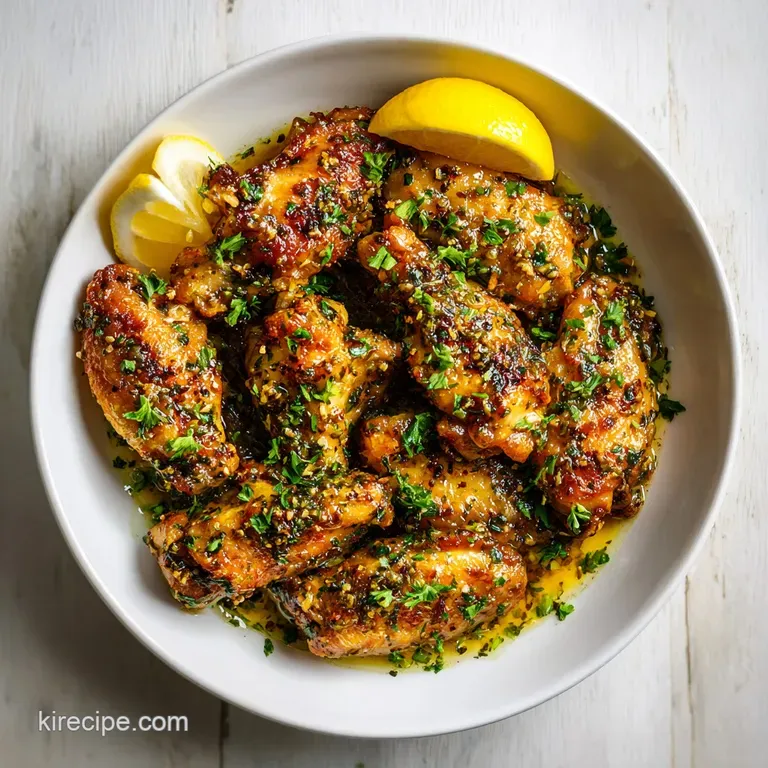
- Zest the 2 lemons directly into a cold non reactive saucepan. Add the 1/4 cup juice and 1 tbsp honey. Note: Starting in a cold pan ensures the zest releases its oils slowly into the liquid.
- Simmer the mixture over medium low heat for 2 minutes. Wait until it reduces into a thin, glossy syrup.
- Reduce the heat to the lowest setting possible. This prevents the butter from breaking immediately upon contact.
- Whisk in the 1/2 cup butter one tablespoon at a time. Do this until the sauce looks creamy and unified.
- Continue adding butter only after the previous piece has fully melted and incorporated. Note: This is the key to that professional "wet" texture.
- Stir in the 2 tbsp lemon pepper seasoning, 1 tsp garlic powder, and 1/2 tsp onion powder.
- Add the 1 tsp freshly cracked black pepper and the pinch of kosher salt.
- Remove the pan from the heat immediately. Observe the aroma as the spices hit the hot butter.
- Let the sauce sit for 2 minutes. Watch as the seasonings bloom and the sauce thickens slightly.
- Pour the warm sauce over your crispy wings in a large bowl. Toss vigorously until every wing is glistening and fully coated.
Solving Common Sauce Issues
Why Your Sauce Separated
If you see a layer of clear yellow oil sitting on top of a cloudy liquid, your emulsion has broken. This usually happens because the heat was too high or the butter was added too quickly. The fat molecules didn't have enough time to be suspended in the lemon juice, so they clumped back together.
Fixing a Broken Sauce
Don't panic; you can usually save a broken sauce with a little bit of physics. Remove the pan from the heat and whisk in a teaspoon of cold water or a tiny splash of heavy cream. The extra moisture and proteins can help pull the fat and acid back together into a smooth liquid.
| Problem | Root Cause | Solution |
|---|---|---|
| Greasy Texture | Heat too high during whisking | Lower heat and add a splash of water |
| Too Bitter | Zested into the white pith | Add a tiny extra pinch of honey |
| Muted Flavor | Spices didn't bloom | Ensure sauce sits for 2 mins before tossing |
Common Mistakes Checklist
- ✓ Never boil the sauce once the butter is added (it will separate).
- ✓ Always use cold butter for the emulsion (warm butter melts too fast to emulsify).
- ✓ Don't skip the resting period (it allows the pepper flavor to develop).
- ✓ Ensure wings are extra crispy before tossing (wet sauce softens skin).
- ✓ Avoid using pre bottled lemon juice (the preservatives ruin the fresh taste).
Adjusting Your Sauce Volume
When you're hosting a big game day party, you’ll likely need to double or triple this recipe. For a double batch, you can follow the instructions exactly, but keep an eye on the reduction time for the lemon juice. More liquid takes longer to simmer down into that syrupy consistency.
I recommend using a slightly wider pan to increase the surface area, which helps the evaporation process stay efficient.
If you are scaling down for a solo dinner, be very careful with the heat. A small amount of lemon juice can burn or evaporate entirely in seconds. You might want to skip the simmering step and just whisk everything together over very low heat.
Also, when scaling down spices, remember that black pepper can become overwhelming very quickly, so start with half of what you think you need and taste as you go.
Budget Versus Premium Choices
| Premium Ingredient | Budget Alternative | Flavor Impact | Savings |
|---|---|---|---|
| Kerrygold Butter | Store Brand Butter | Less creamy, higher water content | $3.00 |
| Organic Fresh Lemons | Bottled Lemon Juice | Significant loss of bright citrus notes | $2.50 |
| Manuka Honey | Clover Honey | Very minimal difference in final sauce | $15.00 |
As you can see, the biggest impact comes from the quality of the butter and the freshness of the lemons. While you can save money on honey, I always suggest spending the extra couple of dollars on fresh fruit. The zest is what provides that signature Atlanta style aroma that defines the dish.
Kitchen Myths About Citrus
One common myth is that you should only use the juice of the lemon. In reality, the zest contains the limonene oils which provide the scent we associate with "lemon flavor." If you only use juice, you get the sourness but none of the bright, sunshine like fragrance.
Always zest before you juice; it's nearly impossible to zest a squeezed, hollowed out lemon half.
Another misconception is that the sauce needs to be cooked for a long time to "develop flavor." Since we are working with butter and fresh citrus, long cooking actually dulls the flavors and risks breaking the emulsion. This is a "fast" sauce for a reason.
The goal is to heat it just enough to combine the ingredients while keeping the citrus notes fresh and the pepper sharp.
Storing Your Leftover Sauce
If you find yourself with extra sauce, you can store it in an airtight glass jar in the refrigerator for up to 5 days. However, because this is an emulsion, it will solidify into a firm, flavored butter once it hits the cold air. This is actually a blessing in disguise!
You can use this "lemon pepper butter" on top of grilled fish, roasted vegetables, or even a steak for an instant flavor upgrade.
To reheat the sauce for wings, do not put it in the microwave. The high, uneven heat will cause the butter to explode and separate instantly. Instead, place the jar in a bowl of warm water or put the sauce back into a small pan over the lowest possible heat.
Whisk it constantly as it melts to encourage the emulsion to reform. I don't recommend freezing this sauce, as the freezing and thawing process almost always breaks the delicate bond between the fat and the citrus juice.
Perfect Presentation Techniques
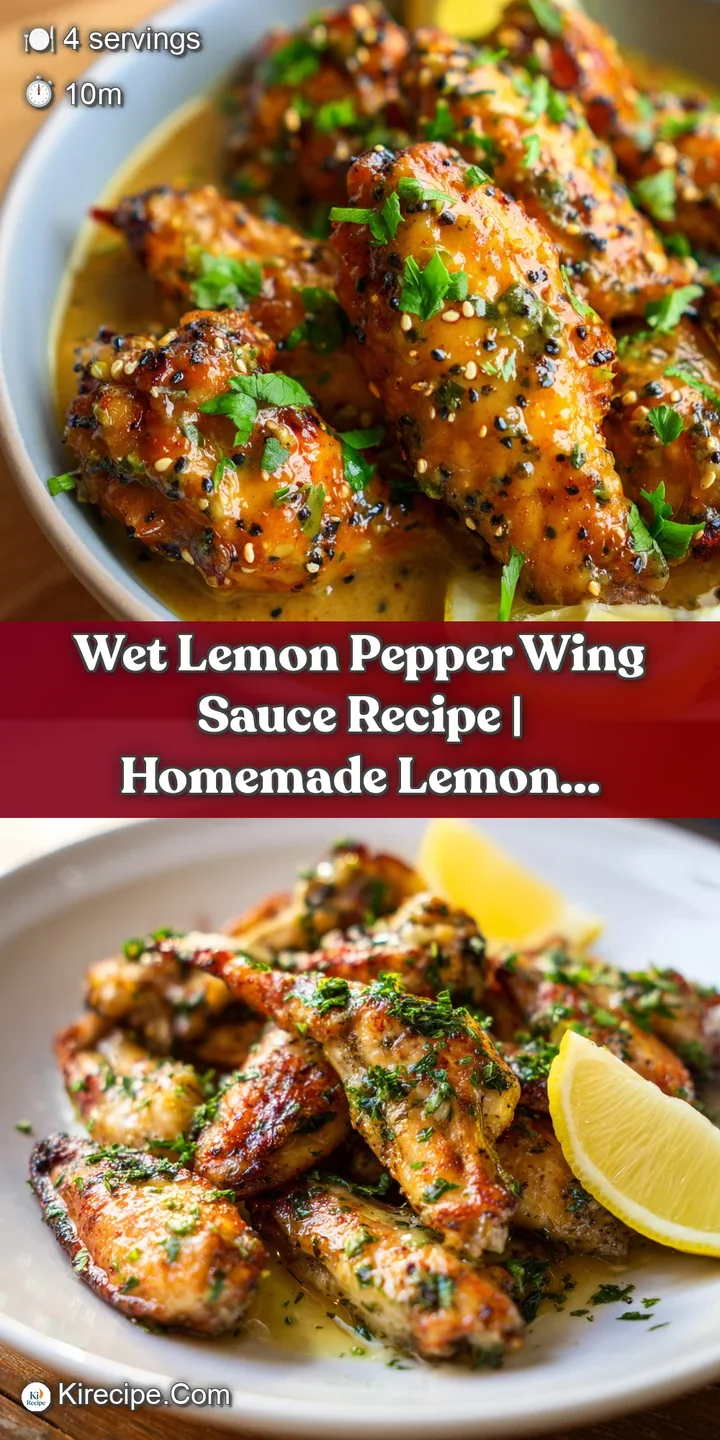
When you are ready to serve, don't just pour the sauce and leave it. The "toss" is part of the process. Use a large metal or glass bowl that gives you plenty of room to flip the wings. You want them to be dripping, but not drowning.
A good wet wing should have visible flecks of black pepper and bright yellow zest clinging to the skin.
For a professional touch, finish the platter with a few extra cracks of fresh black pepper and a final dusting of lemon zest right before the plate hits the table. Serve with plenty of wet wipes and a side of cold celery.
The contrast between the hot, buttery, zesty wings and the cold, crunchy vegetables is what makes the experience complete. Trust me, once your friends see that glistening, golden coating, they'll be asking for your "secret" recipe before the first bone is even clean.
Recipe FAQs
What makes lemon pepper wet different?
It combines the traditional zesty dry rub with a rich butter emulsion. Unlike the standard dry version which relies on dust like seasoning, the wet style coats the wings in a velvety, flavorful glaze that clings to the skin.
How do you make lemon pepper sauce?
Simmer lemon zest, juice, and honey in a saucepan for 2 minutes before whisking in butter one tablespoon at a time. Removing the pan from heat before stirring in your garlic powder, onion powder, and black pepper prevents the aromatics from burning.
Are lemon pepper wings wet or dry?
They can be either, but this recipe is specifically designed to be wet. While many shops serve wings with just a dry seasoning shake, this method uses a butter based technique similar to how we create a stable emulsion for our savory sauce bases to ensure a smooth, restaurant quality coating.
How to make good wet wings?
Toss the wings in the warm sauce immediately after they finish cooking. Coating them while they are still hot ensures the butter emulsion stays thin and glossy, allowing it to penetrate the crispy skin perfectly.
Is it true I should microwave leftover sauce to reheat it?
No, this is a common misconception. Microwaving causes the butter and lemon juice emulsion to break and separate instantly; instead, gently warm the sauce jar in a pan of hot water until it returns to a liquid consistency.
How to keep the sauce from breaking?
Whisk the butter into the lemon reduction over the lowest heat setting possible. Adding the butter one tablespoon at a time allows the fats to integrate slowly, which creates a stable, creamy texture rather than a greasy liquid.
How to bloom the seasonings?
Remove your saucepan from the heat, add the dry spices, and let the mixture sit for 2 minutes. This allows the residual heat to gently toast the garlic powder, onion powder, and black pepper, releasing their oils into the butter base before serving.
Wet Lemon Pepper Wing Sauce
Ingredients:
Instructions:
Nutrition Facts:
| Calories | 241 kcal |
|---|---|
| Protein | 1g |
| Fat | 23g |
| Carbs | 10g |
| Fiber | 1g |
| Sugar | 5g |
| Sodium | 155mg |
